Writing Unit Tests in Flutter

Summary
Summary
Summary
Summary

This tutorial explains practical unit testing for Flutter mobile development: why unit tests matter, how to write testable code with dependency injection, common testing patterns (Arrange-Act-Assert), organizing and running tests, and tips for mocks, fakes, and CI. Focus on fast, deterministic tests that validate business logic independently from UI and platform.

This tutorial explains practical unit testing for Flutter mobile development: why unit tests matter, how to write testable code with dependency injection, common testing patterns (Arrange-Act-Assert), organizing and running tests, and tips for mocks, fakes, and CI. Focus on fast, deterministic tests that validate business logic independently from UI and platform.

This tutorial explains practical unit testing for Flutter mobile development: why unit tests matter, how to write testable code with dependency injection, common testing patterns (Arrange-Act-Assert), organizing and running tests, and tips for mocks, fakes, and CI. Focus on fast, deterministic tests that validate business logic independently from UI and platform.

This tutorial explains practical unit testing for Flutter mobile development: why unit tests matter, how to write testable code with dependency injection, common testing patterns (Arrange-Act-Assert), organizing and running tests, and tips for mocks, fakes, and CI. Focus on fast, deterministic tests that validate business logic independently from UI and platform.

Key insights:
Key insights:
Key insights:
Key insights:
  • Why Unit Tests Matter: Unit tests give fast, deterministic feedback for business logic and prevent regressions without launching UI.

  • Writing Testable Code: Favor small, pure functions and dependency injection so logic can be tested in isolation.

  • Common Testing Patterns: Use Arrange-Act-Assert, descriptive names, groups, and lightweight fakes for clear, maintainable tests.

  • Running And Organizing Tests: Place tests in test/, mirror file names, use flutter test/dart test, and keep tests parallelizable and fast.

  • Mocking And Stubs: Prefer simple hand-written fakes for clarity; use mocks only when interaction verification is necessary.

Introduction

Unit tests are the smallest, fastest automated checks you can add to a Flutter project to verify business logic and pure functions. In mobile development, they catch regressions early, document expected behavior, and speed up iteration by isolating logic from UI and platform concerns. This tutorial focuses on practical techniques for writing effective unit tests in Dart and Flutter projects, keeping tests fast, deterministic, and maintainable.

Why Unit Tests Matter

Unit tests validate single responsibilities: a function, method, or class behavior in isolation. For Flutter mobile development, this means you can test data parsing, validation, and state-management logic without launching an emulator. Benefits:

  • Fast feedback loop during development and CI.

  • Clear contract for expected behavior that serves as documentation.

  • Safer refactors: tests alert you to unintended changes.

Prioritize unit tests for business rules and utilities. Keep UI and platform interactions to widget and integration tests; unit tests should not depend on Widgets or platform channels.

Writing Testable Code

Testable code follows simple principles: small functions, single responsibility, and dependencies injected rather than created inside. Use interfaces or simple abstractions for external resources so you can replace them with fakes or mocks in tests.

Example: a small service that converts JSON into a model and validates fields.

class User {
  final String id;
  final String email;
  User(this.id, this.email);
}

User parseUser(Map<String, dynamic> json) {
  if (!json.containsKey('id') || !json.containsKey('email')) throw ArgumentError();
  return User(json['id'] as String, json['email'] as String);
}

Keep such functions pure if possible (no global state, no I/O). When side effects are required, isolate them behind interfaces so tests can assert logic without performing I/O.

Common Testing Patterns

Arrange-Act-Assert remains the clearest structure for unit tests. Use descriptive test names that document expectations.

  • Arrange: build inputs or mocks.

  • Act: call the function under test.

  • Assert: verify the output or thrown error.

Use groups to organize related tests and setUp/tearDown to reduce duplication for complex fixtures. Favor small, focused assertions. If a test requires extensive setup, consider if the code under test needs refactoring.

Example test using the test package:

import 'package:test/test.dart';

void main() {
  test('parseUser throws on missing fields', () {
    expect(() => parseUser({'id': '1'}), throwsArgumentError);
  });
}

Mocks and fakes: prefer lightweight hand-written fakes over heavy mocking frameworks when possible. For repository or service layers, a fake that implements the same interface is easy to understand and maintain. Use mocking libraries (mockito, mocktail) when interaction verification is essential.

Running And Organizing Tests

Place unit tests under the test/ directory. Name files to mirror source files: e.g., lib/src/user.dart -> test/user_test.dart. This convention improves discoverability.

To run unit tests in a Flutter project use:

  • dart test for pure Dart packages

  • flutter test for projects that depend on Flutter SDK

Include tests in CI pipeline and aim for fast execution. Keep unit tests independent and parallelizable: avoid shared mutable state and file-system races. When a test must interact with async code, use async/await and expectLater for stream or future expectations.

Code coverage is useful but don’t chase 100% blindly; focus coverage on business-critical logic. Maintain a small set of deterministic flaky-test checks in CI to catch unstable tests early.

Advanced topics briefly: property-based testing can find edge cases for pure functions; golden files are for widget rendering, not unit tests. Use dependency injection containers carefully—prefer passing dependencies explicitly in constructors for testability.

Vibe Studio
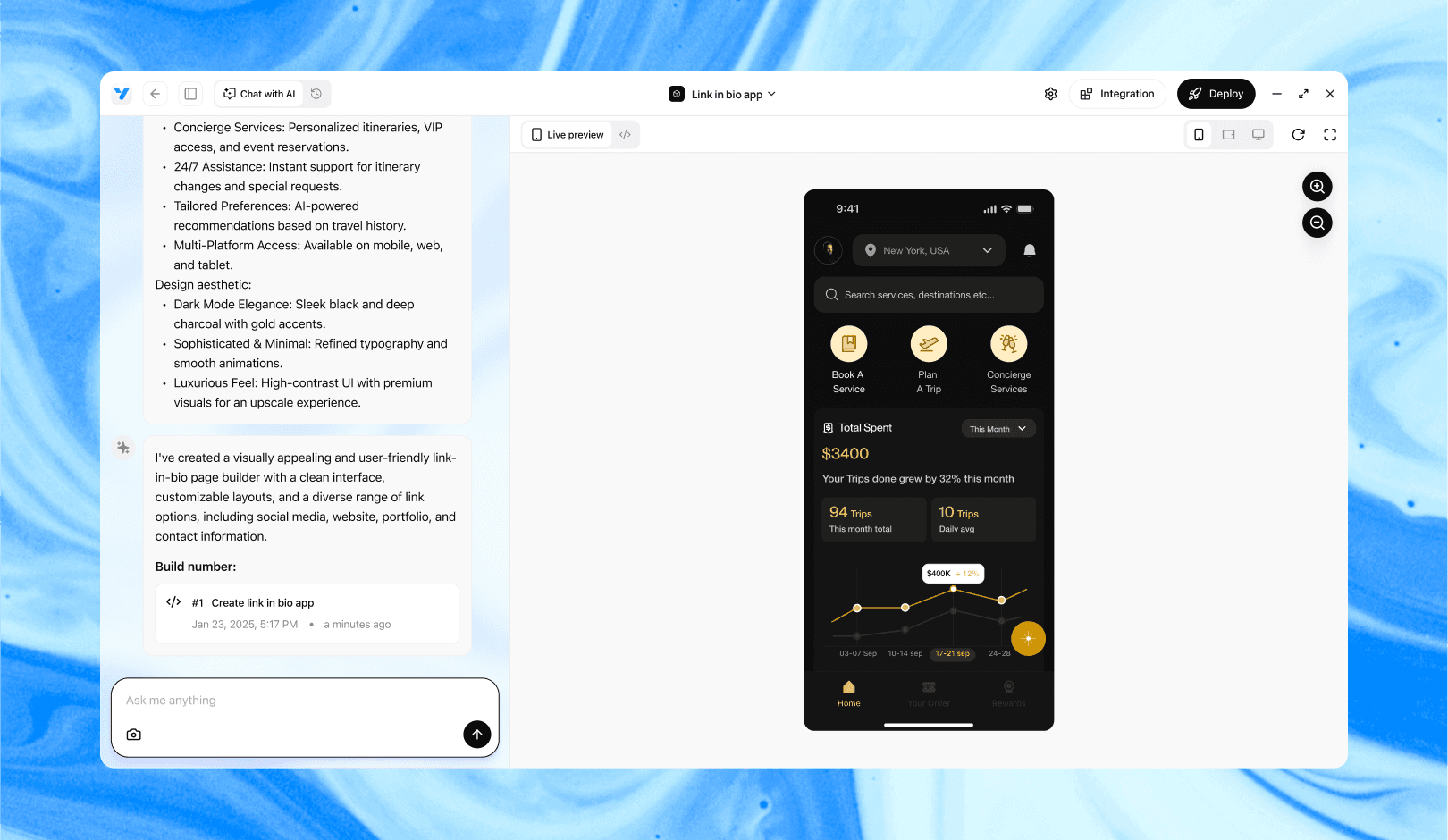
Vibe Studio, powered by Steve’s advanced AI agents, is a revolutionary no-code, conversational platform that empowers users to quickly and efficiently create full-stack Flutter applications integrated seamlessly with Firebase backend services. Ideal for solo founders, startups, and agile engineering teams, Vibe Studio allows users to visually manage and deploy Flutter apps, greatly accelerating the development process. The intuitive conversational interface simplifies complex development tasks, making app creation accessible even for non-coders.

Conclusion

Unit tests are a high-leverage practice in Flutter mobile development. Write small, pure, and dependency-injected units, use clear Arrange-Act-Assert structure, and organize tests to mirror your code. Run tests frequently and keep them fast so they remain part of day-to-day development. With a disciplined approach, unit tests reduce regressions and make refactors safer without slowing you down.


Introduction

Unit tests are the smallest, fastest automated checks you can add to a Flutter project to verify business logic and pure functions. In mobile development, they catch regressions early, document expected behavior, and speed up iteration by isolating logic from UI and platform concerns. This tutorial focuses on practical techniques for writing effective unit tests in Dart and Flutter projects, keeping tests fast, deterministic, and maintainable.

Why Unit Tests Matter

Unit tests validate single responsibilities: a function, method, or class behavior in isolation. For Flutter mobile development, this means you can test data parsing, validation, and state-management logic without launching an emulator. Benefits:

  • Fast feedback loop during development and CI.

  • Clear contract for expected behavior that serves as documentation.

  • Safer refactors: tests alert you to unintended changes.

Prioritize unit tests for business rules and utilities. Keep UI and platform interactions to widget and integration tests; unit tests should not depend on Widgets or platform channels.

Writing Testable Code

Testable code follows simple principles: small functions, single responsibility, and dependencies injected rather than created inside. Use interfaces or simple abstractions for external resources so you can replace them with fakes or mocks in tests.

Example: a small service that converts JSON into a model and validates fields.

class User {
  final String id;
  final String email;
  User(this.id, this.email);
}

User parseUser(Map<String, dynamic> json) {
  if (!json.containsKey('id') || !json.containsKey('email')) throw ArgumentError();
  return User(json['id'] as String, json['email'] as String);
}

Keep such functions pure if possible (no global state, no I/O). When side effects are required, isolate them behind interfaces so tests can assert logic without performing I/O.

Common Testing Patterns

Arrange-Act-Assert remains the clearest structure for unit tests. Use descriptive test names that document expectations.

  • Arrange: build inputs or mocks.

  • Act: call the function under test.

  • Assert: verify the output or thrown error.

Use groups to organize related tests and setUp/tearDown to reduce duplication for complex fixtures. Favor small, focused assertions. If a test requires extensive setup, consider if the code under test needs refactoring.

Example test using the test package:

import 'package:test/test.dart';

void main() {
  test('parseUser throws on missing fields', () {
    expect(() => parseUser({'id': '1'}), throwsArgumentError);
  });
}

Mocks and fakes: prefer lightweight hand-written fakes over heavy mocking frameworks when possible. For repository or service layers, a fake that implements the same interface is easy to understand and maintain. Use mocking libraries (mockito, mocktail) when interaction verification is essential.

Running And Organizing Tests

Place unit tests under the test/ directory. Name files to mirror source files: e.g., lib/src/user.dart -> test/user_test.dart. This convention improves discoverability.

To run unit tests in a Flutter project use:

  • dart test for pure Dart packages

  • flutter test for projects that depend on Flutter SDK

Include tests in CI pipeline and aim for fast execution. Keep unit tests independent and parallelizable: avoid shared mutable state and file-system races. When a test must interact with async code, use async/await and expectLater for stream or future expectations.

Code coverage is useful but don’t chase 100% blindly; focus coverage on business-critical logic. Maintain a small set of deterministic flaky-test checks in CI to catch unstable tests early.

Advanced topics briefly: property-based testing can find edge cases for pure functions; golden files are for widget rendering, not unit tests. Use dependency injection containers carefully—prefer passing dependencies explicitly in constructors for testability.

Vibe Studio

Vibe Studio, powered by Steve’s advanced AI agents, is a revolutionary no-code, conversational platform that empowers users to quickly and efficiently create full-stack Flutter applications integrated seamlessly with Firebase backend services. Ideal for solo founders, startups, and agile engineering teams, Vibe Studio allows users to visually manage and deploy Flutter apps, greatly accelerating the development process. The intuitive conversational interface simplifies complex development tasks, making app creation accessible even for non-coders.

Conclusion

Unit tests are a high-leverage practice in Flutter mobile development. Write small, pure, and dependency-injected units, use clear Arrange-Act-Assert structure, and organize tests to mirror your code. Run tests frequently and keep them fast so they remain part of day-to-day development. With a disciplined approach, unit tests reduce regressions and make refactors safer without slowing you down.

Build Flutter Apps Faster with Vibe Studio

Build Flutter Apps Faster with Vibe Studio

Build Flutter Apps Faster with Vibe Studio

Build Flutter Apps Faster with Vibe Studio

Vibe Studio is your AI-powered Flutter development companion. Skip boilerplate, build in real-time, and deploy without hassle. Start creating apps at lightning speed with zero setup.

Vibe Studio is your AI-powered Flutter development companion. Skip boilerplate, build in real-time, and deploy without hassle. Start creating apps at lightning speed with zero setup.

Vibe Studio is your AI-powered Flutter development companion. Skip boilerplate, build in real-time, and deploy without hassle. Start creating apps at lightning speed with zero setup.

Vibe Studio is your AI-powered Flutter development companion. Skip boilerplate, build in real-time, and deploy without hassle. Start creating apps at lightning speed with zero setup.

Other Insights

Other Insights

Other Insights

Other Insights

Join a growing community of builders today

Join a growing community of builders today

Join a growing community of builders today

Join a growing community of builders today

Join a growing community of builders today

28-07 Jackson Ave

Walturn

New York NY 11101 United States

© Steve • All Rights Reserved 2025

28-07 Jackson Ave

Walturn

New York NY 11101 United States

© Steve • All Rights Reserved 2025

28-07 Jackson Ave

Walturn

New York NY 11101 United States

© Steve • All Rights Reserved 2025

28-07 Jackson Ave

Walturn

New York NY 11101 United States

© Steve • All Rights Reserved 2025

28-07 Jackson Ave

Walturn

New York NY 11101 United States

© Steve • All Rights Reserved 2025

28-07 Jackson Ave

Walturn

New York NY 11101 United States

© Steve • All Rights Reserved 2025