Using Slivers To Build High-Performance Scrollable Experiences

Summary
Summary
Summary
Summary

Slivers let you compose efficient, lazy-built scroll experiences in Flutter. Use CustomScrollView with SliverList, SliverGrid, SliverAppBar, and SliverPersistentHeader, prefer SliverChildBuilderDelegate, provide itemCount, keep children lightweight, and measure with Flutter's performance tools to eliminate jank on mobile.

Slivers let you compose efficient, lazy-built scroll experiences in Flutter. Use CustomScrollView with SliverList, SliverGrid, SliverAppBar, and SliverPersistentHeader, prefer SliverChildBuilderDelegate, provide itemCount, keep children lightweight, and measure with Flutter's performance tools to eliminate jank on mobile.

Slivers let you compose efficient, lazy-built scroll experiences in Flutter. Use CustomScrollView with SliverList, SliverGrid, SliverAppBar, and SliverPersistentHeader, prefer SliverChildBuilderDelegate, provide itemCount, keep children lightweight, and measure with Flutter's performance tools to eliminate jank on mobile.

Slivers let you compose efficient, lazy-built scroll experiences in Flutter. Use CustomScrollView with SliverList, SliverGrid, SliverAppBar, and SliverPersistentHeader, prefer SliverChildBuilderDelegate, provide itemCount, keep children lightweight, and measure with Flutter's performance tools to eliminate jank on mobile.

Key insights:
Key insights:
Key insights:
Key insights:
  • Why Slivers Matter: Slivers provide lazy, viewport-driven layout and fine-grained control essential for mobile performance.

  • Core Sliver Widgets: Use SliverAppBar, SliverList, SliverGrid, SliverToBoxAdapter, and SliverPersistentHeader to compose mixed scroll content.

  • Performance Patterns: Prefer SliverChildBuilderDelegate, explicit itemCount, const widgets, and small child widgets to minimize work per frame.

  • Practical Example: Combine pinned headers, grids, and lists in a CustomScrollView to achieve both flexibility and efficiency.

  • Lazy Building And Caching: Delegates and caching strategies (image caching, keep-alives) prevent unnecessary builds and reduce jank.

Introduction

Slivers are the building blocks Flutter provides for composing highly efficient, custom scrollable areas. Unlike ordinary scrolling widgets that often rebuild large subtrees, slivers operate on a viewport model: only visible portions are built and laid out. This makes them ideal for mobile development where memory, frame budget, and battery life are limited. This tutorial explains why slivers matter, surveys core sliver widgets, highlights performance patterns, and shows a compact practical example.

Why Slivers Matter

Slivers expose lower-level control over scrolling and layout so you can tailor behavior to your app's needs. Key advantages:

  • Lazy layout: children are created on demand as they enter the viewport.

  • Composite behavior: you can mix headers, grids, lists, and persistent app bars in a single scrollable area.

  • Precise control: slivers let you control clipping, repaint boundaries, and layout passes to reduce work per frame.

In mobile development, avoiding unnecessary rebuilds and overdraw reduces jank and improves battery life. Use slivers when your UI combines multiple scrollable sections or when you need advanced behaviors like pinned headers or sliver-based snapping.

Core Sliver Widgets

Understand a small set of core slivers and when to use them:

  • SliverAppBar: An app bar that integrates with scrolling; supports floating, pinned, and snapping behaviors.

  • SliverList: A vertically-scrolling linear list that works with delegates for lazy building.

  • SliverGrid: A grid layout that also supports lazy child building.

  • SliverToBoxAdapter: Wrap a normal widget into a sliver to insert static content.

  • SliverPersistentHeader: Create headers that can change size and stick.

Use SliverChildBuilderDelegate with SliverList/SliverGrid to avoid building all children at once. The delegate builds children on demand and provides keys for efficient updates.

Example: A minimal CustomScrollView with SliverAppBar and SliverList.

CustomScrollView(
  slivers: [
    SliverAppBar(pinned: true, expandedHeight: 200.0, flexibleSpace: FlexibleSpaceBar(title: Text('Header'))),
    SliverList(delegate: SliverChildBuilderDelegate((ctx, i) => ListTile(title: Text('Item $i')), childCount: 100)),
  ],
)

Performance Patterns

Adopt these concrete patterns to keep scroll performance high:

  • Prefer SliverChildBuilderDelegate over explicit child lists to minimize widget creation.

  • Provide explicit itemCount when possible so the framework can short-circuit layout and reuse caches.

  • Use const constructors and immutable widgets for list items to reduce rebuild cost.

  • Break complex item widgets into smaller ones and wrap expensive parts in RepaintBoundary only when necessary.

  • Avoid deep widget trees per item; prefer composition of lightweight widgets.

Also leverage viewport-aware optimizations:

  • Keep expensive images off the main thread by using cached_network_image or precaching; avoid synchronous decoding during layout.

  • Use addAutomaticKeepAlives(false) when appropriate to avoid holding state for far-off children.

Measure with the Flutter Performance overlay and the Timeline to identify expensive frames. When you see frequent layout or rasterization spikes, inspect paint and rebuild counts per widget.

Practical Example

This pattern shows a mixed content scroll area: a pinned header, a grid of featured cards, and a lazily-built list. It emphasizes delegates and small, cache-friendly children.

CustomScrollView(slivers: [
  SliverPersistentHeader(delegate: _MyHeaderDelegate(), pinned: true),
  SliverGrid(delegate: SliverChildBuilderDelegate((c,i) => Card(child: Text('Grid $i')), childCount: 8), gridDelegate: SliverGridDelegateWithFixedCrossAxisCount(crossAxisCount: 2)),
  SliverList(delegate: SliverChildBuilderDelegate((c,i) => ListTile(title: Text('Entry $i')), childCount: 1000)),
])

Implementation tips:

  • Use appropriate crossAxisCount and childAspectRatio for grids to reduce layout churn.

  • Keep persistent headers small; complex behavior in headers should be offloaded to lightweight widgets.

  • When combining many slivers, group static content into SliverToBoxAdapter blocks to avoid unnecessary delegate work.

Vibe Studio
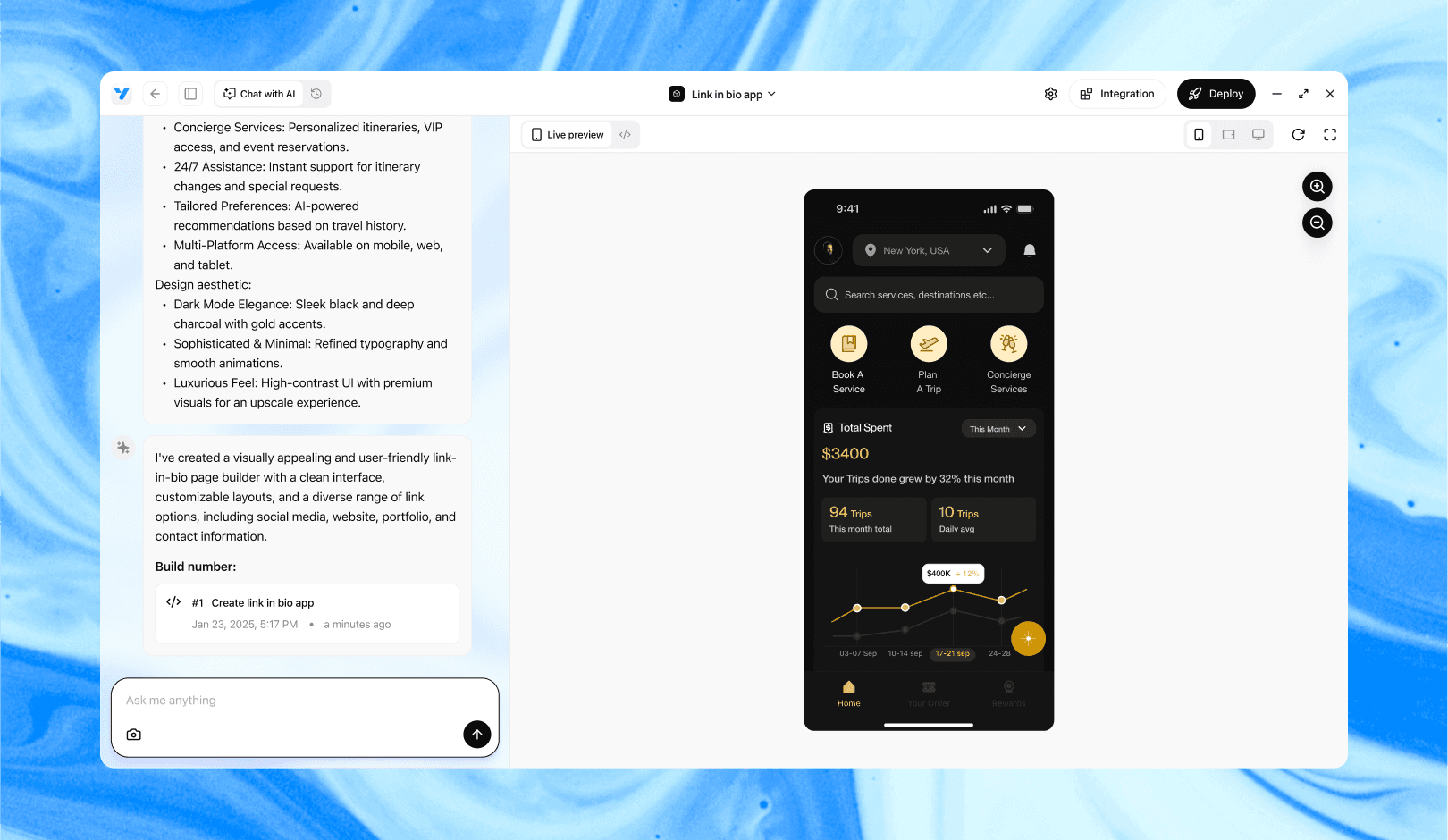
Vibe Studio, powered by Steve’s advanced AI agents, is a revolutionary no-code, conversational platform that empowers users to quickly and efficiently create full-stack Flutter applications integrated seamlessly with Firebase backend services. Ideal for solo founders, startups, and agile engineering teams, Vibe Studio allows users to visually manage and deploy Flutter apps, greatly accelerating the development process. The intuitive conversational interface simplifies complex development tasks, making app creation accessible even for non-coders.

Conclusion

Slivers give Flutter developers precise, efficient control over scrollable UI. By using Lazy delegates, small immutable children, and targeted repaint boundaries, you can build complex, high-performance scrolling experiences for mobile development. Start by replacing monolithic scrollables with CustomScrollView + slivers for mixed content, measure with the Flutter tools, and iterate until frame times are stable.

Introduction

Slivers are the building blocks Flutter provides for composing highly efficient, custom scrollable areas. Unlike ordinary scrolling widgets that often rebuild large subtrees, slivers operate on a viewport model: only visible portions are built and laid out. This makes them ideal for mobile development where memory, frame budget, and battery life are limited. This tutorial explains why slivers matter, surveys core sliver widgets, highlights performance patterns, and shows a compact practical example.

Why Slivers Matter

Slivers expose lower-level control over scrolling and layout so you can tailor behavior to your app's needs. Key advantages:

  • Lazy layout: children are created on demand as they enter the viewport.

  • Composite behavior: you can mix headers, grids, lists, and persistent app bars in a single scrollable area.

  • Precise control: slivers let you control clipping, repaint boundaries, and layout passes to reduce work per frame.

In mobile development, avoiding unnecessary rebuilds and overdraw reduces jank and improves battery life. Use slivers when your UI combines multiple scrollable sections or when you need advanced behaviors like pinned headers or sliver-based snapping.

Core Sliver Widgets

Understand a small set of core slivers and when to use them:

  • SliverAppBar: An app bar that integrates with scrolling; supports floating, pinned, and snapping behaviors.

  • SliverList: A vertically-scrolling linear list that works with delegates for lazy building.

  • SliverGrid: A grid layout that also supports lazy child building.

  • SliverToBoxAdapter: Wrap a normal widget into a sliver to insert static content.

  • SliverPersistentHeader: Create headers that can change size and stick.

Use SliverChildBuilderDelegate with SliverList/SliverGrid to avoid building all children at once. The delegate builds children on demand and provides keys for efficient updates.

Example: A minimal CustomScrollView with SliverAppBar and SliverList.

CustomScrollView(
  slivers: [
    SliverAppBar(pinned: true, expandedHeight: 200.0, flexibleSpace: FlexibleSpaceBar(title: Text('Header'))),
    SliverList(delegate: SliverChildBuilderDelegate((ctx, i) => ListTile(title: Text('Item $i')), childCount: 100)),
  ],
)

Performance Patterns

Adopt these concrete patterns to keep scroll performance high:

  • Prefer SliverChildBuilderDelegate over explicit child lists to minimize widget creation.

  • Provide explicit itemCount when possible so the framework can short-circuit layout and reuse caches.

  • Use const constructors and immutable widgets for list items to reduce rebuild cost.

  • Break complex item widgets into smaller ones and wrap expensive parts in RepaintBoundary only when necessary.

  • Avoid deep widget trees per item; prefer composition of lightweight widgets.

Also leverage viewport-aware optimizations:

  • Keep expensive images off the main thread by using cached_network_image or precaching; avoid synchronous decoding during layout.

  • Use addAutomaticKeepAlives(false) when appropriate to avoid holding state for far-off children.

Measure with the Flutter Performance overlay and the Timeline to identify expensive frames. When you see frequent layout or rasterization spikes, inspect paint and rebuild counts per widget.

Practical Example

This pattern shows a mixed content scroll area: a pinned header, a grid of featured cards, and a lazily-built list. It emphasizes delegates and small, cache-friendly children.

CustomScrollView(slivers: [
  SliverPersistentHeader(delegate: _MyHeaderDelegate(), pinned: true),
  SliverGrid(delegate: SliverChildBuilderDelegate((c,i) => Card(child: Text('Grid $i')), childCount: 8), gridDelegate: SliverGridDelegateWithFixedCrossAxisCount(crossAxisCount: 2)),
  SliverList(delegate: SliverChildBuilderDelegate((c,i) => ListTile(title: Text('Entry $i')), childCount: 1000)),
])

Implementation tips:

  • Use appropriate crossAxisCount and childAspectRatio for grids to reduce layout churn.

  • Keep persistent headers small; complex behavior in headers should be offloaded to lightweight widgets.

  • When combining many slivers, group static content into SliverToBoxAdapter blocks to avoid unnecessary delegate work.

Vibe Studio

Vibe Studio, powered by Steve’s advanced AI agents, is a revolutionary no-code, conversational platform that empowers users to quickly and efficiently create full-stack Flutter applications integrated seamlessly with Firebase backend services. Ideal for solo founders, startups, and agile engineering teams, Vibe Studio allows users to visually manage and deploy Flutter apps, greatly accelerating the development process. The intuitive conversational interface simplifies complex development tasks, making app creation accessible even for non-coders.

Conclusion

Slivers give Flutter developers precise, efficient control over scrollable UI. By using Lazy delegates, small immutable children, and targeted repaint boundaries, you can build complex, high-performance scrolling experiences for mobile development. Start by replacing monolithic scrollables with CustomScrollView + slivers for mixed content, measure with the Flutter tools, and iterate until frame times are stable.

Build Flutter Apps Faster with Vibe Studio

Build Flutter Apps Faster with Vibe Studio

Build Flutter Apps Faster with Vibe Studio

Build Flutter Apps Faster with Vibe Studio

Vibe Studio is your AI-powered Flutter development companion. Skip boilerplate, build in real-time, and deploy without hassle. Start creating apps at lightning speed with zero setup.

Vibe Studio is your AI-powered Flutter development companion. Skip boilerplate, build in real-time, and deploy without hassle. Start creating apps at lightning speed with zero setup.

Vibe Studio is your AI-powered Flutter development companion. Skip boilerplate, build in real-time, and deploy without hassle. Start creating apps at lightning speed with zero setup.

Vibe Studio is your AI-powered Flutter development companion. Skip boilerplate, build in real-time, and deploy without hassle. Start creating apps at lightning speed with zero setup.

Other Insights

Other Insights

Other Insights

Other Insights

Join a growing community of builders today

Join a growing community of builders today

Join a growing community of builders today

Join a growing community of builders today

Join a growing community of builders today

28-07 Jackson Ave

Walturn

New York NY 11101 United States

© Steve • All Rights Reserved 2025

28-07 Jackson Ave

Walturn

New York NY 11101 United States

© Steve • All Rights Reserved 2025

28-07 Jackson Ave

Walturn

New York NY 11101 United States

© Steve • All Rights Reserved 2025

28-07 Jackson Ave

Walturn

New York NY 11101 United States

© Steve • All Rights Reserved 2025

28-07 Jackson Ave

Walturn

New York NY 11101 United States

© Steve • All Rights Reserved 2025

28-07 Jackson Ave

Walturn

New York NY 11101 United States

© Steve • All Rights Reserved 2025