Using Riverpod AsyncNotifier for Real-Time APIs

Summary
Summary
Summary
Summary

This tutorial demonstrates using Riverpod's AsyncNotifier in Flutter to handle real-time APIs: subscribe to streams in build(), update AsyncValue safely, separate networking into providers, use ref.onDispose/ref.keepAlive to manage lifecycle, and implement reconnection, batching, and tests for robust mobile development.

This tutorial demonstrates using Riverpod's AsyncNotifier in Flutter to handle real-time APIs: subscribe to streams in build(), update AsyncValue safely, separate networking into providers, use ref.onDispose/ref.keepAlive to manage lifecycle, and implement reconnection, batching, and tests for robust mobile development.

This tutorial demonstrates using Riverpod's AsyncNotifier in Flutter to handle real-time APIs: subscribe to streams in build(), update AsyncValue safely, separate networking into providers, use ref.onDispose/ref.keepAlive to manage lifecycle, and implement reconnection, batching, and tests for robust mobile development.

This tutorial demonstrates using Riverpod's AsyncNotifier in Flutter to handle real-time APIs: subscribe to streams in build(), update AsyncValue safely, separate networking into providers, use ref.onDispose/ref.keepAlive to manage lifecycle, and implement reconnection, batching, and tests for robust mobile development.

Key insights:
Key insights:
Key insights:
Key insights:
  • Using AsyncNotifier: Open and manage StreamSubscription inside build(), update AsyncValue on events, and cancel with ref.onDispose.

  • Connecting To WebSockets: Encapsulate connection and reconnection in a client provider; consume a cleaned Stream in the notifier.

  • Managing Streamed State: Batch updates, limit buffer sizes, and use ref.keepAlive to preserve subscriptions across UI detachments.

  • Error Handling And Reconnection: Surface errors via AsyncValue.error and keep reconnection policies in the client layer with exponential backoff.

  • Testing And Performance: Inject fake streams for deterministic tests and batch or debounce updates to reduce rebuilds.

Introduction

Real-time APIs are increasingly common in mobile development: chat, live feeds, collaborative apps, telemetry. In Flutter, Riverpod's AsyncNotifier gives a structured, lifecycle-aware way to integrate these streams into app state. This tutorial shows how to manage WebSocket or server-sent updates with AsyncNotifier, keep subscriptions lifecycle-safe, and handle reconnection and errors cleanly.

Using AsyncNotifier

AsyncNotifier is designed to represent asynchronous state while exposing an AsyncValue interface that plays well with UI bindings. For real-time data you typically want to open a stream when the notifier builds, update state on each event, and cancel the subscription when no longer needed.

Key patterns:

  • Set an initial state (empty list, null, etc.) in build().

  • Create a StreamSubscription and use state = AsyncValue.data(...) to push updates.

  • Use ref.onDispose to cancel subscriptions and ref.keepAlive when you want the notifier to survive inactive listeners.

Example: a minimal messages notifier that listens to an injected stream provider.

class MessagesNotifier extends AsyncNotifier<List<String>> {
  late StreamSubscription<String> _sub;

  @override
  FutureOr<List<String>> build() {
    state = const AsyncValue.data([]);
    final stream = ref.read(messagesStreamProvider);
    _sub = stream.listen((msg) {
      state = AsyncValue.data([...(state.value ?? []), msg]);
    }, onError: (e, st) => state = AsyncValue.error(e, st));
    ref.onDispose(() => _sub.cancel());
    return state.value!;
  }
}

This pattern ensures the notifier is the single source of truth for the streamed collection and that Flutter widgets read AsyncValue> for safe rendering.

Connecting To WebSockets

When connecting to WebSockets or real-time REST APIs, wrap the low-level connection in its own provider. That allows testing and swap-in of implementations:

  • Provide a WebSocket client provider that exposes a Stream of events.

  • Keep connection lifecycle separate: open in the client provider and expose reconnect logic there.

  • The AsyncNotifier consumes the high-level stream, keeping UI concerns decoupled from networking.

This separation also allows throttling, debouncing, or transformation of incoming data at the client/provider layer before it reaches the notifier.

Managing Streamed State

Streams can emit high volumes of events; manage state size and update frequency carefully.

Strategies:

  • Batch updates: collect events for X ms before applying a single state update to reduce rebuilds.

  • Slice state: store only a recent window (e.g., last 200 messages) to limit memory.

  • Use state = AsyncValue.loading() during reconnection windows to communicate temporary unavailability.

Use ref.keepAlive when you need the notifier to persist even if no widgets are listening (for background processing or continuous syncing). Example:

@override
FutureOr<List<String>> build() {
  final link = ref.keepAlive();
  ref.onDispose(link.close);
  // subscribe to stream and update state as above
  return [];
}

KeepAlive avoids tearing down the WebSocket when the UI briefly detaches.

Error Handling And Reconnection

Real-time APIs drop connections. Handle this explicitly:

  • Capture errors in subscription onError and set state = AsyncValue.error(...) so the UI can show retry affordances.

  • Implement reconnection with exponential backoff in the client/provider layer; avoid reconnect loops in the notifier itself.

  • Provide a manual retry method on the notifier for user-driven recovery (e.g., pull-to-refresh).

Example approach:

  • Client provider exposes a connect() method and reconnection policy.

  • Notifier listens to client stream and also reacts to a ref.listen on a connectionStatusProvider to update loading/error UI.

This separation keeps reconnection logic testable and prevents notifier responsibilities from bloating.

Testing And Performance

Unit test the notifier by injecting a fake Stream provider that emits deterministic events, errors, and completion. Test scenarios:

  • Initial state and first event.

  • Multiple rapid events (assert batching or collapse behavior).

  • Error emission causes AsyncValue.error.

For performance, profile widget rebuilds when state updates; batch or debounce inside the client/provider or the notifier as needed. Flutter's performance tools and Riverpod's ProviderObserver can help measure update frequency.

Vibe Studio
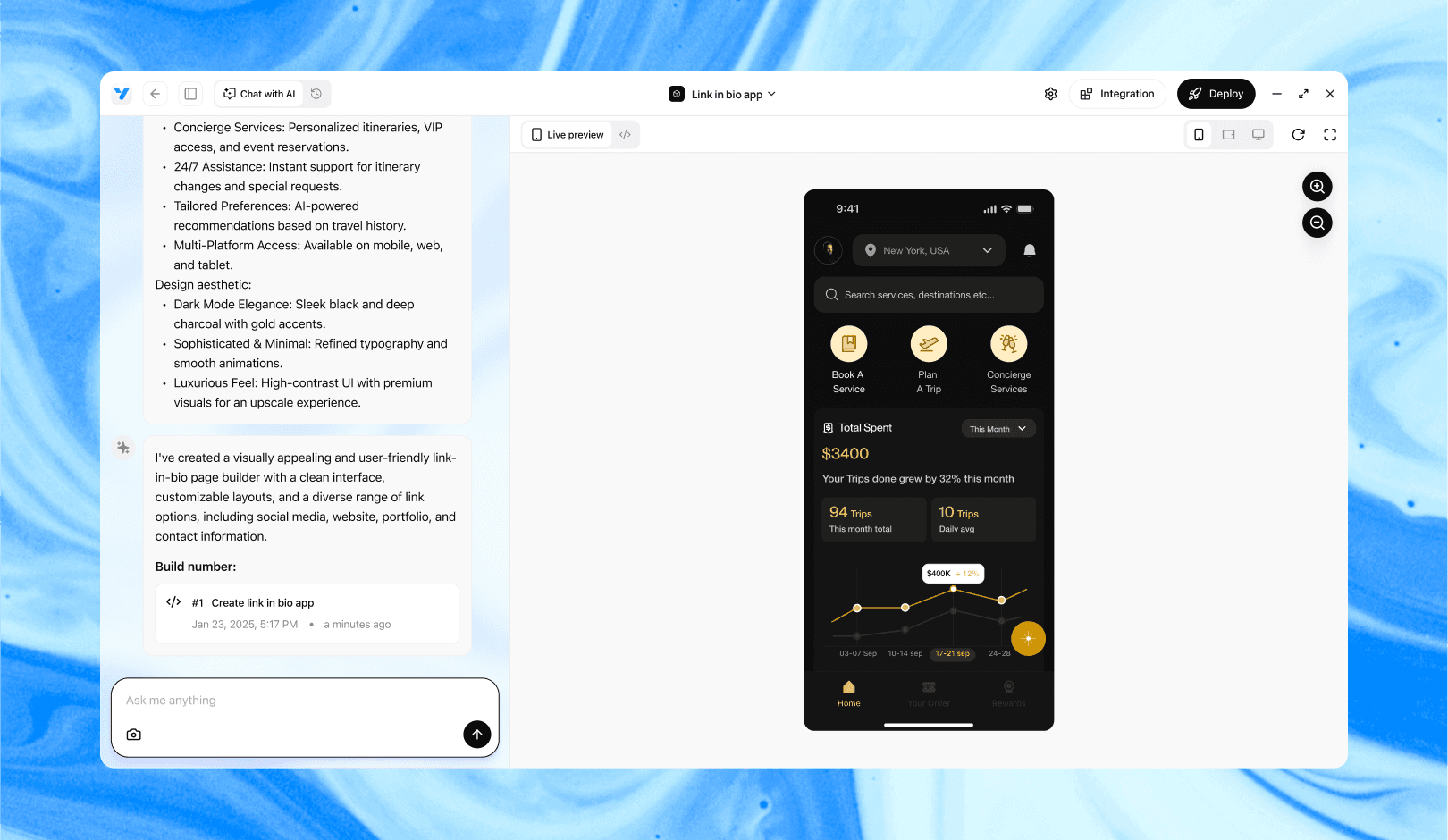
Vibe Studio, powered by Steve’s advanced AI agents, is a revolutionary no-code, conversational platform that empowers users to quickly and efficiently create full-stack Flutter applications integrated seamlessly with Firebase backend services. Ideal for solo founders, startups, and agile engineering teams, Vibe Studio allows users to visually manage and deploy Flutter apps, greatly accelerating the development process. The intuitive conversational interface simplifies complex development tasks, making app creation accessible even for non-coders.

Conclusion

Riverpod's AsyncNotifier provides an idiomatic, lifecycle-aware way to integrate real-time APIs into Flutter apps. Keep networking responsibilities in dedicated providers, update AsyncValue state from subscriptions, use ref.onDispose/ref.keepAlive appropriately, and implement reconnection and batching at the client layer. These patterns result in predictable, testable state handling for mobile development that scales from simple feeds to complex collaborative experiences.


Introduction

Real-time APIs are increasingly common in mobile development: chat, live feeds, collaborative apps, telemetry. In Flutter, Riverpod's AsyncNotifier gives a structured, lifecycle-aware way to integrate these streams into app state. This tutorial shows how to manage WebSocket or server-sent updates with AsyncNotifier, keep subscriptions lifecycle-safe, and handle reconnection and errors cleanly.

Using AsyncNotifier

AsyncNotifier is designed to represent asynchronous state while exposing an AsyncValue interface that plays well with UI bindings. For real-time data you typically want to open a stream when the notifier builds, update state on each event, and cancel the subscription when no longer needed.

Key patterns:

  • Set an initial state (empty list, null, etc.) in build().

  • Create a StreamSubscription and use state = AsyncValue.data(...) to push updates.

  • Use ref.onDispose to cancel subscriptions and ref.keepAlive when you want the notifier to survive inactive listeners.

Example: a minimal messages notifier that listens to an injected stream provider.

class MessagesNotifier extends AsyncNotifier<List<String>> {
  late StreamSubscription<String> _sub;

  @override
  FutureOr<List<String>> build() {
    state = const AsyncValue.data([]);
    final stream = ref.read(messagesStreamProvider);
    _sub = stream.listen((msg) {
      state = AsyncValue.data([...(state.value ?? []), msg]);
    }, onError: (e, st) => state = AsyncValue.error(e, st));
    ref.onDispose(() => _sub.cancel());
    return state.value!;
  }
}

This pattern ensures the notifier is the single source of truth for the streamed collection and that Flutter widgets read AsyncValue> for safe rendering.

Connecting To WebSockets

When connecting to WebSockets or real-time REST APIs, wrap the low-level connection in its own provider. That allows testing and swap-in of implementations:

  • Provide a WebSocket client provider that exposes a Stream of events.

  • Keep connection lifecycle separate: open in the client provider and expose reconnect logic there.

  • The AsyncNotifier consumes the high-level stream, keeping UI concerns decoupled from networking.

This separation also allows throttling, debouncing, or transformation of incoming data at the client/provider layer before it reaches the notifier.

Managing Streamed State

Streams can emit high volumes of events; manage state size and update frequency carefully.

Strategies:

  • Batch updates: collect events for X ms before applying a single state update to reduce rebuilds.

  • Slice state: store only a recent window (e.g., last 200 messages) to limit memory.

  • Use state = AsyncValue.loading() during reconnection windows to communicate temporary unavailability.

Use ref.keepAlive when you need the notifier to persist even if no widgets are listening (for background processing or continuous syncing). Example:

@override
FutureOr<List<String>> build() {
  final link = ref.keepAlive();
  ref.onDispose(link.close);
  // subscribe to stream and update state as above
  return [];
}

KeepAlive avoids tearing down the WebSocket when the UI briefly detaches.

Error Handling And Reconnection

Real-time APIs drop connections. Handle this explicitly:

  • Capture errors in subscription onError and set state = AsyncValue.error(...) so the UI can show retry affordances.

  • Implement reconnection with exponential backoff in the client/provider layer; avoid reconnect loops in the notifier itself.

  • Provide a manual retry method on the notifier for user-driven recovery (e.g., pull-to-refresh).

Example approach:

  • Client provider exposes a connect() method and reconnection policy.

  • Notifier listens to client stream and also reacts to a ref.listen on a connectionStatusProvider to update loading/error UI.

This separation keeps reconnection logic testable and prevents notifier responsibilities from bloating.

Testing And Performance

Unit test the notifier by injecting a fake Stream provider that emits deterministic events, errors, and completion. Test scenarios:

  • Initial state and first event.

  • Multiple rapid events (assert batching or collapse behavior).

  • Error emission causes AsyncValue.error.

For performance, profile widget rebuilds when state updates; batch or debounce inside the client/provider or the notifier as needed. Flutter's performance tools and Riverpod's ProviderObserver can help measure update frequency.

Vibe Studio

Vibe Studio, powered by Steve’s advanced AI agents, is a revolutionary no-code, conversational platform that empowers users to quickly and efficiently create full-stack Flutter applications integrated seamlessly with Firebase backend services. Ideal for solo founders, startups, and agile engineering teams, Vibe Studio allows users to visually manage and deploy Flutter apps, greatly accelerating the development process. The intuitive conversational interface simplifies complex development tasks, making app creation accessible even for non-coders.

Conclusion

Riverpod's AsyncNotifier provides an idiomatic, lifecycle-aware way to integrate real-time APIs into Flutter apps. Keep networking responsibilities in dedicated providers, update AsyncValue state from subscriptions, use ref.onDispose/ref.keepAlive appropriately, and implement reconnection and batching at the client layer. These patterns result in predictable, testable state handling for mobile development that scales from simple feeds to complex collaborative experiences.

Build Flutter Apps Faster with Vibe Studio

Build Flutter Apps Faster with Vibe Studio

Build Flutter Apps Faster with Vibe Studio

Build Flutter Apps Faster with Vibe Studio

Vibe Studio is your AI-powered Flutter development companion. Skip boilerplate, build in real-time, and deploy without hassle. Start creating apps at lightning speed with zero setup.

Vibe Studio is your AI-powered Flutter development companion. Skip boilerplate, build in real-time, and deploy without hassle. Start creating apps at lightning speed with zero setup.

Vibe Studio is your AI-powered Flutter development companion. Skip boilerplate, build in real-time, and deploy without hassle. Start creating apps at lightning speed with zero setup.

Vibe Studio is your AI-powered Flutter development companion. Skip boilerplate, build in real-time, and deploy without hassle. Start creating apps at lightning speed with zero setup.

Other Insights

Other Insights

Other Insights

Other Insights

Join a growing community of builders today

Join a growing community of builders today

Join a growing community of builders today

Join a growing community of builders today

Join a growing community of builders today

28-07 Jackson Ave

Walturn

New York NY 11101 United States

© Steve • All Rights Reserved 2025

28-07 Jackson Ave

Walturn

New York NY 11101 United States

© Steve • All Rights Reserved 2025

28-07 Jackson Ave

Walturn

New York NY 11101 United States

© Steve • All Rights Reserved 2025

28-07 Jackson Ave

Walturn

New York NY 11101 United States

© Steve • All Rights Reserved 2025

28-07 Jackson Ave

Walturn

New York NY 11101 United States

© Steve • All Rights Reserved 2025

28-07 Jackson Ave

Walturn

New York NY 11101 United States

© Steve • All Rights Reserved 2025