Using Flutter Hooks for Cleaner Stateful Logic
Dec 5, 2025


Summary
Summary
Summary
Summary
Flutter Hooks (flutter_hooks) simplify stateful logic in Flutter mobile development by replacing StatefulWidget boilerplate with composable hooks like useState, useEffect, and useMemoized. Hooks encapsulate lifecycle and side effects, improve reuse, and make UI code more declarative. Migrate incrementally, keep hooks focused, and use controller hooks to reduce boilerplate and improve testability.
Key insights:
Key insights:
Key insights:
Key insights:
Why Use Flutter Hooks: Hooks reduce StatefulWidget boilerplate, centralize lifecycle code, and improve reuse and testability.
Common Hooks And Patterns: useState, useEffect, useMemoized, and controller hooks handle common UI concerns with minimal code.
Migrating From StatefulWidget: Replace fields with hooks, move init/dispose logic into useEffect, and migrate incrementally to reduce risk.
Best Practices: Keep hooks focused, avoid side effects in build, memoize expensive work, and test hook logic directly.
Introduction
Managing stateful logic in Flutter apps often means juggling StatefulWidget lifecycle methods, controllers, and boilerplate. flutter_hooks provides a composable, testable alternative that keeps UI code declarative and concentrates side effects in reusable hooks. This tutorial shows practical patterns to simplify stateful logic for Flutter mobile development without sacrificing readability or performance.
Why Use Flutter Hooks
Flutter hooks extract stateful concerns out of widgets into small, focused functions. They reduce boilerplate created by initState, dispose, and didUpdateWidget by providing lifecycle-aware utilities such as useState, useEffect, and useMemoized. The result is shorter widgets, clearer intent, and easier testing because hooks encapsulate stateful behavior that can be reused across widgets.
Key benefits:
Less boilerplate: no need for StatefulWidget/State classes for simple local state.
Clear separation: UI code focuses on rendering, hooks handle lifecycle and side effects.
Reusability: custom hooks let you package behavior (e.g., form handling, subscriptions) and reuse it across the app.
Common Hooks And Patterns
useState
Replaces simple State fields. It provides a value and a setter that triggers rebuilds.
useEffect
Runs side effects when dependencies change; it supports cleanup functions similar to dispose.
useMemoized
Computes expensive values once (or when inputs change) and caches results.
useTextEditingController and useFocusNode
Create controllers that are disposed automatically, keeping widget code concise.
Example: a small counter using HookWidget and useState
import 'package:flutter_hooks/flutter_hooks.dart';
class Counter extends HookWidget {
@override
Widget build(context) {
final count = useState(0);
return ElevatedButton(
onPressed: () => count.value++,
child: Text('Count: ${count.value}'),
);
}
}Example: subscribing to a stream with cleanup using useEffect
final messages = useState<List<String>>([]);
useEffect(() {
final sub = messageStream.listen((m) => messages.value = [...messages.value, m]);
return sub.cancel;
}, [messageStream]);These patterns are directly applicable to common mobile development tasks: form controllers, API polling, platform channel listeners, and animation lifecycles.
Migrating From StatefulWidget
When migrating an existing StatefulWidget, follow these steps:
Identify local state and lifecycle logic (fields, initState, dispose, didUpdateWidget).
Replace local fields with useState/useRef/useMemoized where appropriate.
Move subscription and async logic into useEffect and return cleanup callbacks.
Replace controllers with useTextEditingController and useFocusNode.
Example migration checklist:
Refs and mutable storage -> useRef
Derived values -> useMemoized
Side effects -> useEffect
Controllers -> built-in controller hooks
A straightforward migration often reduces lines of code and makes the component easier to scan. For complex widgets, migrate incrementally: replace parts of the state first, then move lifecycle code.
Best Practices
Keep hooks pure and focused
Hooks should encapsulate one responsibility (e.g., a debounced text hook or a form validator). This improves reuse and unit testing.
Prefer HookWidget for small- to medium-sized widgets
For simple state and lifecycle management, HookWidget is concise and readable. For complex scenarios that still require State objects (e.g., deep coordinator logic), keep the State class.
Avoid side effects in build
Use useEffect or callbacks instead of performing I/O or navigation within build. That preserves build purity and prevents unexpected behavior during rebuilds.
Memoize expensive computations
useMemoized prevents repeated work on rebuilds. Combine with useEffect when the computation needs to trigger side effects.
Testing
Because hooks factor logic out of widgets, you can test hook outputs and behaviors directly by wrapping HookWidget in tests or by extracting logic into pure functions.
Performance considerations
Hooks do not add overhead when used correctly. Ensure dependency arrays for useEffect and useMemoized are accurate to avoid redundant work.
Tooling and ecosystem
Use flutter_hooks for core hooks; complement with specialized packages (flutter_hooks + hooks_riverpod, for example) when you need more structure for state management.
Vibe Studio
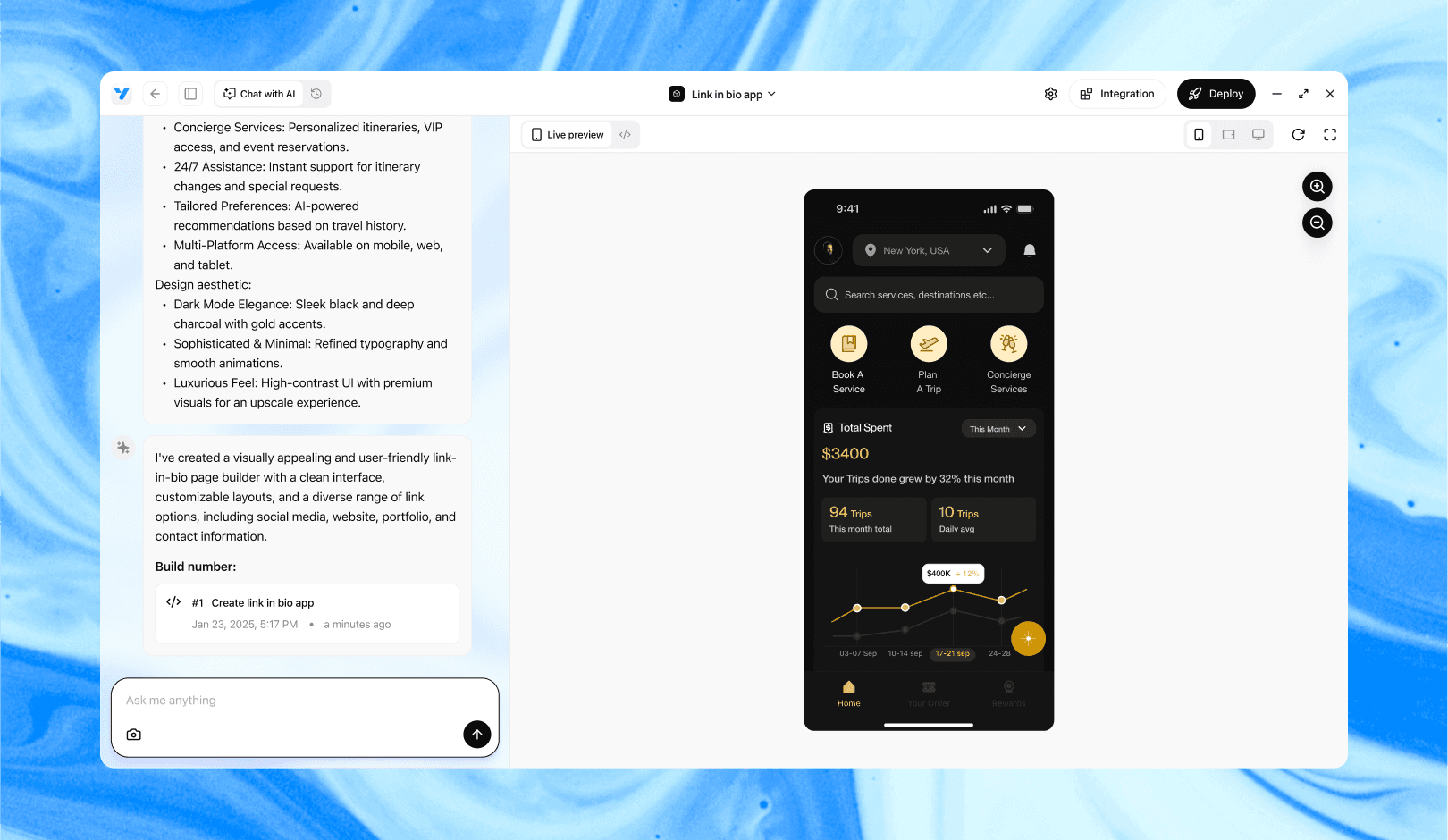
Vibe Studio, powered by Steve’s advanced AI agents, is a revolutionary no-code, conversational platform that empowers users to quickly and efficiently create full-stack Flutter applications integrated seamlessly with Firebase backend services. Ideal for solo founders, startups, and agile engineering teams, Vibe Studio allows users to visually manage and deploy Flutter apps, greatly accelerating the development process. The intuitive conversational interface simplifies complex development tasks, making app creation accessible even for non-coders.
Conclusion
Flutter hooks streamline stateful logic in mobile development by removing boilerplate and centralizing side effects. Use useState, useEffect, useMemoized, and controller hooks to make UI code declarative and testable. Migrate incrementally, keep hooks focused, and prefer HookWidget for simple components. With these patterns, your Flutter codebase becomes easier to read, maintain, and scale.

Introduction
Managing stateful logic in Flutter apps often means juggling StatefulWidget lifecycle methods, controllers, and boilerplate. flutter_hooks provides a composable, testable alternative that keeps UI code declarative and concentrates side effects in reusable hooks. This tutorial shows practical patterns to simplify stateful logic for Flutter mobile development without sacrificing readability or performance.
Why Use Flutter Hooks
Flutter hooks extract stateful concerns out of widgets into small, focused functions. They reduce boilerplate created by initState, dispose, and didUpdateWidget by providing lifecycle-aware utilities such as useState, useEffect, and useMemoized. The result is shorter widgets, clearer intent, and easier testing because hooks encapsulate stateful behavior that can be reused across widgets.
Key benefits:
Less boilerplate: no need for StatefulWidget/State classes for simple local state.
Clear separation: UI code focuses on rendering, hooks handle lifecycle and side effects.
Reusability: custom hooks let you package behavior (e.g., form handling, subscriptions) and reuse it across the app.
Common Hooks And Patterns
useState
Replaces simple State fields. It provides a value and a setter that triggers rebuilds.
useEffect
Runs side effects when dependencies change; it supports cleanup functions similar to dispose.
useMemoized
Computes expensive values once (or when inputs change) and caches results.
useTextEditingController and useFocusNode
Create controllers that are disposed automatically, keeping widget code concise.
Example: a small counter using HookWidget and useState
import 'package:flutter_hooks/flutter_hooks.dart';
class Counter extends HookWidget {
@override
Widget build(context) {
final count = useState(0);
return ElevatedButton(
onPressed: () => count.value++,
child: Text('Count: ${count.value}'),
);
}
}Example: subscribing to a stream with cleanup using useEffect
final messages = useState<List<String>>([]);
useEffect(() {
final sub = messageStream.listen((m) => messages.value = [...messages.value, m]);
return sub.cancel;
}, [messageStream]);These patterns are directly applicable to common mobile development tasks: form controllers, API polling, platform channel listeners, and animation lifecycles.
Migrating From StatefulWidget
When migrating an existing StatefulWidget, follow these steps:
Identify local state and lifecycle logic (fields, initState, dispose, didUpdateWidget).
Replace local fields with useState/useRef/useMemoized where appropriate.
Move subscription and async logic into useEffect and return cleanup callbacks.
Replace controllers with useTextEditingController and useFocusNode.
Example migration checklist:
Refs and mutable storage -> useRef
Derived values -> useMemoized
Side effects -> useEffect
Controllers -> built-in controller hooks
A straightforward migration often reduces lines of code and makes the component easier to scan. For complex widgets, migrate incrementally: replace parts of the state first, then move lifecycle code.
Best Practices
Keep hooks pure and focused
Hooks should encapsulate one responsibility (e.g., a debounced text hook or a form validator). This improves reuse and unit testing.
Prefer HookWidget for small- to medium-sized widgets
For simple state and lifecycle management, HookWidget is concise and readable. For complex scenarios that still require State objects (e.g., deep coordinator logic), keep the State class.
Avoid side effects in build
Use useEffect or callbacks instead of performing I/O or navigation within build. That preserves build purity and prevents unexpected behavior during rebuilds.
Memoize expensive computations
useMemoized prevents repeated work on rebuilds. Combine with useEffect when the computation needs to trigger side effects.
Testing
Because hooks factor logic out of widgets, you can test hook outputs and behaviors directly by wrapping HookWidget in tests or by extracting logic into pure functions.
Performance considerations
Hooks do not add overhead when used correctly. Ensure dependency arrays for useEffect and useMemoized are accurate to avoid redundant work.
Tooling and ecosystem
Use flutter_hooks for core hooks; complement with specialized packages (flutter_hooks + hooks_riverpod, for example) when you need more structure for state management.
Vibe Studio

Vibe Studio, powered by Steve’s advanced AI agents, is a revolutionary no-code, conversational platform that empowers users to quickly and efficiently create full-stack Flutter applications integrated seamlessly with Firebase backend services. Ideal for solo founders, startups, and agile engineering teams, Vibe Studio allows users to visually manage and deploy Flutter apps, greatly accelerating the development process. The intuitive conversational interface simplifies complex development tasks, making app creation accessible even for non-coders.
Conclusion
Flutter hooks streamline stateful logic in mobile development by removing boilerplate and centralizing side effects. Use useState, useEffect, useMemoized, and controller hooks to make UI code declarative and testable. Migrate incrementally, keep hooks focused, and prefer HookWidget for simple components. With these patterns, your Flutter codebase becomes easier to read, maintain, and scale.
Build Flutter Apps Faster with Vibe Studio
Vibe Studio is your AI-powered Flutter development companion. Skip boilerplate, build in real-time, and deploy without hassle. Start creating apps at lightning speed with zero setup.