Using Dart Extensions To Clean Up Flutter Codebases

Summary
Summary
Summary
Summary

Dart extensions let you add methods and getters to existing types, reducing boilerplate in Flutter mobile development. Use focused extensions for theming, formatting, widget composition, and parsing. Keep them pure, named carefully, and control visibility with imports. Extensions improve readability and maintainability with no runtime penalty.

Dart extensions let you add methods and getters to existing types, reducing boilerplate in Flutter mobile development. Use focused extensions for theming, formatting, widget composition, and parsing. Keep them pure, named carefully, and control visibility with imports. Extensions improve readability and maintainability with no runtime penalty.

Dart extensions let you add methods and getters to existing types, reducing boilerplate in Flutter mobile development. Use focused extensions for theming, formatting, widget composition, and parsing. Keep them pure, named carefully, and control visibility with imports. Extensions improve readability and maintainability with no runtime penalty.

Dart extensions let you add methods and getters to existing types, reducing boilerplate in Flutter mobile development. Use focused extensions for theming, formatting, widget composition, and parsing. Keep them pure, named carefully, and control visibility with imports. Extensions improve readability and maintainability with no runtime penalty.

Key insights:
Key insights:
Key insights:
Key insights:
  • What Are Dart Extensions?: Add methods to types without modifying their source; resolved statically so no runtime cost.

  • Common Use Cases In Flutter: Use extensions for padding wrappers, theme shortcuts, parsing, and async helpers to reduce repetition.

  • Best Practices And Pitfalls: Keep extensions focused, avoid side effects, name them clearly, and manage visibility through imports.

  • Refactoring Example: Replace repeated widget containers with a Widget extension to centralize styling and simplify trees.

  • Performance Considerations: Extensions are static sugar—there is no runtime overhead, but overuse can obscure domain modeling.

Introduction

Dart extensions are a lightweight, powerful feature you can use to keep Flutter codebases organized and readable. In mobile development, repetition and scattered helper functions lead to bugs and awkward APIs. Extensions let you group behavior with the types they operate on, reducing boilerplate and clarifying intent without inheritance or global utilities.

What Are Dart Extensions?

Extensions add methods, getters, and operators to existing types without changing their source. They are resolved statically, which means no runtime overhead and no surprises from mutation. In Flutter projects, extensions commonly live in small files (e.g., string_extensions.dart or context_extensions.dart) and provide ergonomics for common operations: formatting, validation, style access, and widget helpers.

Example: small string and context extensions you will use throughout a Flutter app.

extension StringX on String {
  bool get isNotBlank => trim().isNotEmpty;
  String capitalize() => isEmpty ? this : '${this[0].toUpperCase()}${substring(1)}';
}

extension ContextX on BuildContext {
  ThemeData get theme => Theme.of(this);
}

These keep intent explicit: instead of Utils.isBlank(s) or Theme.of(context), you write s.isNotBlank or context.theme which reads naturally.

Common Use Cases In Flutter

  • Widget Builders: Add builders for recurring patterns (e.g., padding, constrained wrappers) to make tree composition concise. For example, a Widget extension that wraps itself with padding avoids many nested Padding constructors.

  • Theming And Assets: Expose theme shortcuts (context.theme.primaryColor) and asset paths (Assets.images.logoPath) as extensions to reduce string constants in UI code.

  • Validation And Parsing: Validate forms and parse server values with methods attached to String or Map to centralize parsing logic and keep UI code simple.

  • Async And Error Handling: Provide helpers for Future or Response objects so that UI code can be more declarative (e.g., response.unwrapOrThrow()).

Using extensions in these cases reduces scattering of helper functions and improves discoverability in IDEs via autocomplete.

Best Practices And Pitfalls

  • Name Carefully: Use clear names and avoid collisions. Prefer descriptive names like toCurrency or truncateWithEllipsis. If you create many extensions on a common type, extract them into separate files with explicit imports to avoid ambiguity.

  • Keep Extensions Focused: Each extension should target a clear responsibility — formatting, theming, or widget composition — not a grab-bag of unrelated helpers.

  • Avoid State And Side Effects: Extensions should be pure functions whenever possible. Attaching side-effecting logic to core types (like mutating a String-backed cache) makes code hard to reason about.

  • Control Scope With Imports: Because extension methods are resolved by static scope, you control availability by importing files. Use private files or barrel files to expose only what you intend.

  • Beware Of Overuse: If you find yourself adding dozens of extensions to a primitive type, reconsider modeling: maybe a small value object would be a clearer representation than many helpers.

Refactoring Example

Consider a Flutter widget that repeatedly wraps children with the same padding and rounded container. Before, the tree is verbose and repeated across files. Create an extension on Widget to express the intention directly.

extension WidgetDecorators on Widget {
  Widget card({EdgeInsets padding = const EdgeInsets.all(12), double radius = 8}) {
    return Container(padding: padding, decoration: BoxDecoration(
      color: Colors.white, borderRadius: BorderRadius.circular(radius),
    ), child: this);
  }
}

Replace nested Container/Padding code with childWidget.card() to make UI code concise and intention-revealing. This improves maintainability: style changes move to one place.

Vibe Studio
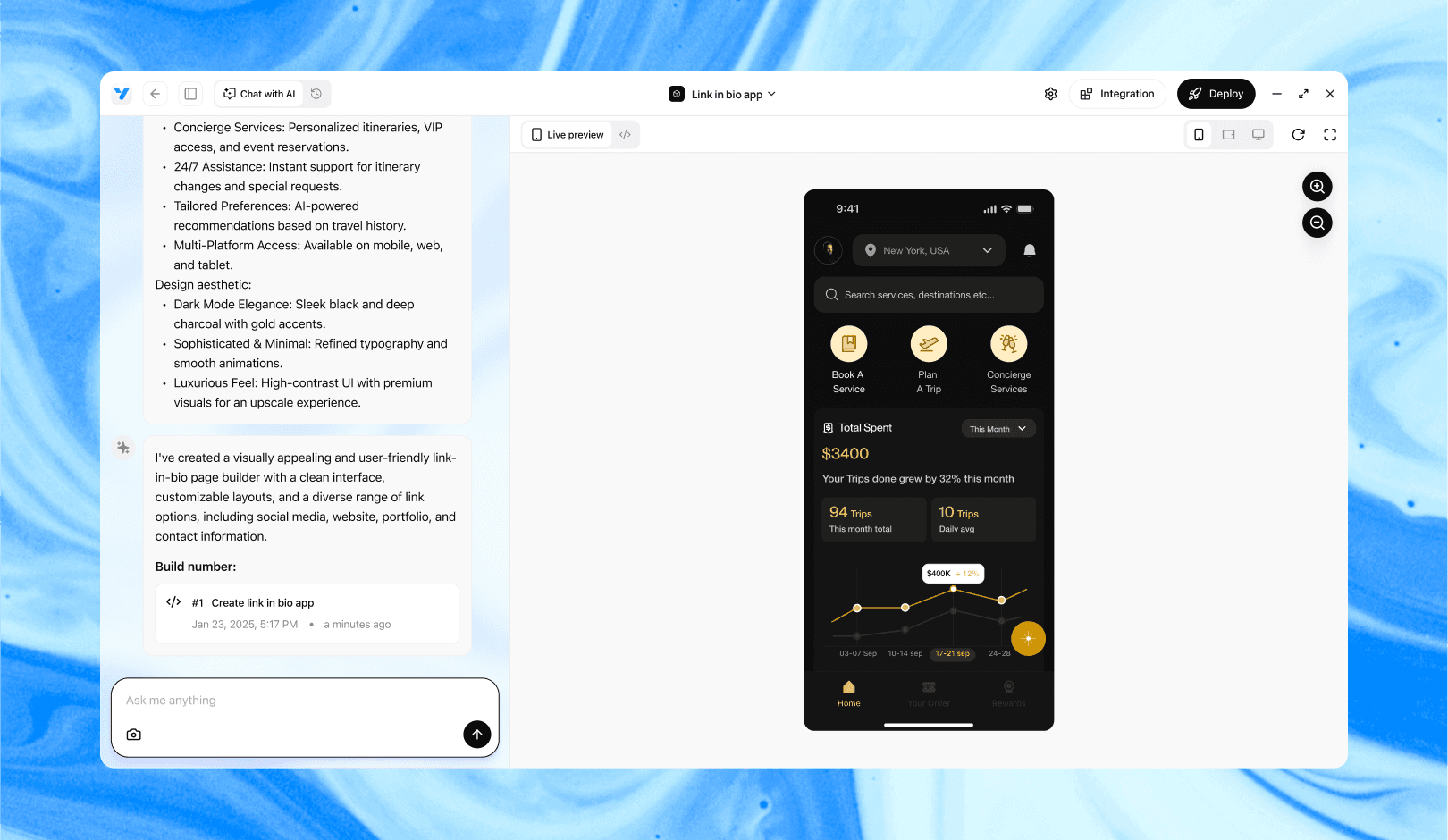
Vibe Studio, powered by Steve’s advanced AI agents, is a revolutionary no-code, conversational platform that empowers users to quickly and efficiently create full-stack Flutter applications integrated seamlessly with Firebase backend services. Ideal for solo founders, startups, and agile engineering teams, Vibe Studio allows users to visually manage and deploy Flutter apps, greatly accelerating the development process. The intuitive conversational interface simplifies complex development tasks, making app creation accessible even for non-coders.

Conclusion

Dart extensions are a pragmatic tool for reducing boilerplate and improving clarity in Flutter mobile development. Use them to surface common operations on types and to keep widget trees readable. Apply naming discipline, limit side effects, and control scope through imports. When used judiciously, extensions make large codebases easier to navigate and refactor without runtime cost.

Introduction

Dart extensions are a lightweight, powerful feature you can use to keep Flutter codebases organized and readable. In mobile development, repetition and scattered helper functions lead to bugs and awkward APIs. Extensions let you group behavior with the types they operate on, reducing boilerplate and clarifying intent without inheritance or global utilities.

What Are Dart Extensions?

Extensions add methods, getters, and operators to existing types without changing their source. They are resolved statically, which means no runtime overhead and no surprises from mutation. In Flutter projects, extensions commonly live in small files (e.g., string_extensions.dart or context_extensions.dart) and provide ergonomics for common operations: formatting, validation, style access, and widget helpers.

Example: small string and context extensions you will use throughout a Flutter app.

extension StringX on String {
  bool get isNotBlank => trim().isNotEmpty;
  String capitalize() => isEmpty ? this : '${this[0].toUpperCase()}${substring(1)}';
}

extension ContextX on BuildContext {
  ThemeData get theme => Theme.of(this);
}

These keep intent explicit: instead of Utils.isBlank(s) or Theme.of(context), you write s.isNotBlank or context.theme which reads naturally.

Common Use Cases In Flutter

  • Widget Builders: Add builders for recurring patterns (e.g., padding, constrained wrappers) to make tree composition concise. For example, a Widget extension that wraps itself with padding avoids many nested Padding constructors.

  • Theming And Assets: Expose theme shortcuts (context.theme.primaryColor) and asset paths (Assets.images.logoPath) as extensions to reduce string constants in UI code.

  • Validation And Parsing: Validate forms and parse server values with methods attached to String or Map to centralize parsing logic and keep UI code simple.

  • Async And Error Handling: Provide helpers for Future or Response objects so that UI code can be more declarative (e.g., response.unwrapOrThrow()).

Using extensions in these cases reduces scattering of helper functions and improves discoverability in IDEs via autocomplete.

Best Practices And Pitfalls

  • Name Carefully: Use clear names and avoid collisions. Prefer descriptive names like toCurrency or truncateWithEllipsis. If you create many extensions on a common type, extract them into separate files with explicit imports to avoid ambiguity.

  • Keep Extensions Focused: Each extension should target a clear responsibility — formatting, theming, or widget composition — not a grab-bag of unrelated helpers.

  • Avoid State And Side Effects: Extensions should be pure functions whenever possible. Attaching side-effecting logic to core types (like mutating a String-backed cache) makes code hard to reason about.

  • Control Scope With Imports: Because extension methods are resolved by static scope, you control availability by importing files. Use private files or barrel files to expose only what you intend.

  • Beware Of Overuse: If you find yourself adding dozens of extensions to a primitive type, reconsider modeling: maybe a small value object would be a clearer representation than many helpers.

Refactoring Example

Consider a Flutter widget that repeatedly wraps children with the same padding and rounded container. Before, the tree is verbose and repeated across files. Create an extension on Widget to express the intention directly.

extension WidgetDecorators on Widget {
  Widget card({EdgeInsets padding = const EdgeInsets.all(12), double radius = 8}) {
    return Container(padding: padding, decoration: BoxDecoration(
      color: Colors.white, borderRadius: BorderRadius.circular(radius),
    ), child: this);
  }
}

Replace nested Container/Padding code with childWidget.card() to make UI code concise and intention-revealing. This improves maintainability: style changes move to one place.

Vibe Studio

Vibe Studio, powered by Steve’s advanced AI agents, is a revolutionary no-code, conversational platform that empowers users to quickly and efficiently create full-stack Flutter applications integrated seamlessly with Firebase backend services. Ideal for solo founders, startups, and agile engineering teams, Vibe Studio allows users to visually manage and deploy Flutter apps, greatly accelerating the development process. The intuitive conversational interface simplifies complex development tasks, making app creation accessible even for non-coders.

Conclusion

Dart extensions are a pragmatic tool for reducing boilerplate and improving clarity in Flutter mobile development. Use them to surface common operations on types and to keep widget trees readable. Apply naming discipline, limit side effects, and control scope through imports. When used judiciously, extensions make large codebases easier to navigate and refactor without runtime cost.

Build Flutter Apps Faster with Vibe Studio

Build Flutter Apps Faster with Vibe Studio

Build Flutter Apps Faster with Vibe Studio

Build Flutter Apps Faster with Vibe Studio

Vibe Studio is your AI-powered Flutter development companion. Skip boilerplate, build in real-time, and deploy without hassle. Start creating apps at lightning speed with zero setup.

Vibe Studio is your AI-powered Flutter development companion. Skip boilerplate, build in real-time, and deploy without hassle. Start creating apps at lightning speed with zero setup.

Vibe Studio is your AI-powered Flutter development companion. Skip boilerplate, build in real-time, and deploy without hassle. Start creating apps at lightning speed with zero setup.

Vibe Studio is your AI-powered Flutter development companion. Skip boilerplate, build in real-time, and deploy without hassle. Start creating apps at lightning speed with zero setup.

Other Insights

Other Insights

Other Insights

Other Insights

Join a growing community of builders today

Join a growing community of builders today

Join a growing community of builders today

Join a growing community of builders today

Join a growing community of builders today

28-07 Jackson Ave

Walturn

New York NY 11101 United States

© Steve • All Rights Reserved 2025

28-07 Jackson Ave

Walturn

New York NY 11101 United States

© Steve • All Rights Reserved 2025

28-07 Jackson Ave

Walturn

New York NY 11101 United States

© Steve • All Rights Reserved 2025

28-07 Jackson Ave

Walturn

New York NY 11101 United States

© Steve • All Rights Reserved 2025

28-07 Jackson Ave

Walturn

New York NY 11101 United States

© Steve • All Rights Reserved 2025

28-07 Jackson Ave

Walturn

New York NY 11101 United States

© Steve • All Rights Reserved 2025