Understanding RenderObject for Advanced Flutter UI Workflows

Summary
Summary
Summary
Summary

This article explains when and how to use RenderObject in Flutter for advanced UI workflows. It covers lifecycle (performLayout/paint), implementing custom RenderBox objects, integrating with RenderObjectWidget, and performance considerations for mobile development.

This article explains when and how to use RenderObject in Flutter for advanced UI workflows. It covers lifecycle (performLayout/paint), implementing custom RenderBox objects, integrating with RenderObjectWidget, and performance considerations for mobile development.

This article explains when and how to use RenderObject in Flutter for advanced UI workflows. It covers lifecycle (performLayout/paint), implementing custom RenderBox objects, integrating with RenderObjectWidget, and performance considerations for mobile development.

This article explains when and how to use RenderObject in Flutter for advanced UI workflows. It covers lifecycle (performLayout/paint), implementing custom RenderBox objects, integrating with RenderObjectWidget, and performance considerations for mobile development.

Key insights:
Key insights:
Key insights:
Key insights:
  • When To Use RenderObject: Use RenderObject only when built‑in widgets can't express required layout, painting, or hit‑testing behaviors.

  • RenderObject Lifecycle And Layout: performLayout and paint are the two core phases; always honor incoming constraints and call child.layout correctly.

  • Creating A Custom RenderObject: Subclass RenderBox (or use container mixins) to implement custom layout, manage parentData offsets, and paint manually.

  • Integrating With Widgets And Layering: Expose RenderObjects via RenderObjectWidget and use layers/repaint boundaries deliberately for compositing performance.

  • Performance Considerations: Minimize relayouts, avoid unnecessary layers, implement accurate hitTesting/semantics, and prefer repaint over full relayout when possible.

Introduction

Understanding RenderObject is essential for building advanced, highly customized Flutter UI components. The render tree sits below widgets and elements; it’s where layout, painting, hit-testing, and compositing are implemented. For engineers working on complex animations, custom layout algorithms, and efficient rendering on constrained devices, learning RenderObject unlocks deterministic control and performance improvements central to mobile development with flutter.

When To Use RenderObject

Use RenderObject when a Widget/RenderObject combination cannot express the layout or painting behavior you need. Typical scenarios: a custom layout algorithm not covered by Flex/Stack, very low-level painting that must control layers or shaders, or custom hit-testing/semantics. Prefer higher-level primitives (CustomPainter, LayoutBuilder, or MultiChildRenderObjectWidget) for most use cases; escalate to RenderObject when you need predictable, low-overhead control over layout and paint.

RenderObject Lifecycle And Layout

A RenderObject implements performLayout to compute size and position, and paint to draw into a Canvas. Flutter’s two-phase model (layout then paint) enables partial updates: if constraints haven’t changed, a repaint can be cheaper than a relayout. Important methods and concepts:

  • performLayout: compute size and layout children.

  • paint: draw visuals to the canvas or add layers.

  • markNeedsLayout / markNeedsPaint: request updates.

  • hitTest and semantics: integrate interactivity and accessibility.

Always respect incoming constraints (constraints property) and call child.layout with derived constraints when you own children.

Creating A Custom RenderObject

A typical custom RenderObject subclasses RenderBox (for rectangular layouts). For multiple children use ContainerRenderObjectMixin and RenderBoxContainerDefaultsMixin. The pattern: compute and set size in performLayout, call layout on children, then paint. Below is a minimal illustrative example that sets a size and paints a centered rectangle.

class SimpleBox extends RenderBox {
  @override
  void performLayout() {
    size = constraints.biggest.isFinite
        ? constraints.biggest
        : constraints.constrain(Size(100, 100));
  }

  @override
  void paint(PaintingContext context, Offset offset) {
    final paint = Paint()..color = const Color(0xFF2196F3);
    final s = Size(size.width * 0.5, size.height * 0.5);
    final left = offset.dx + (size.width - s.width) / 2;
    final top = offset.dy + (size.height - s.height) / 2;
    context.canvas.drawRect(Rect.fromLTWH(left, top, s.width, s.height), paint);
  }
}

For container render objects, iterate children to position them and use BoxParentData offsets. Keep performLayout deterministic and avoid heavy work during layout.

Integrating With Widgets And Layering

Expose render objects through RenderObjectWidget subclasses (LeafRenderObjectWidget, SingleChildRenderObjectWidget, MultiChildRenderObjectWidget). Implement createRenderObject to construct the RenderObject and updateRenderObject to mutate it without re-creating. Use RepaintBoundary, layers, and compositing strategically: layers can reduce raster work during animations but add compositing cost. Choose layer boundaries when an expensive part of the subtree animates independently.

Hit testing and semantics must be implemented for interactive widgets—use describeSemanticsConfiguration to supply labels and actions. Test on-device as behavior can vary across different devices in mobile development.

Vibe Studio
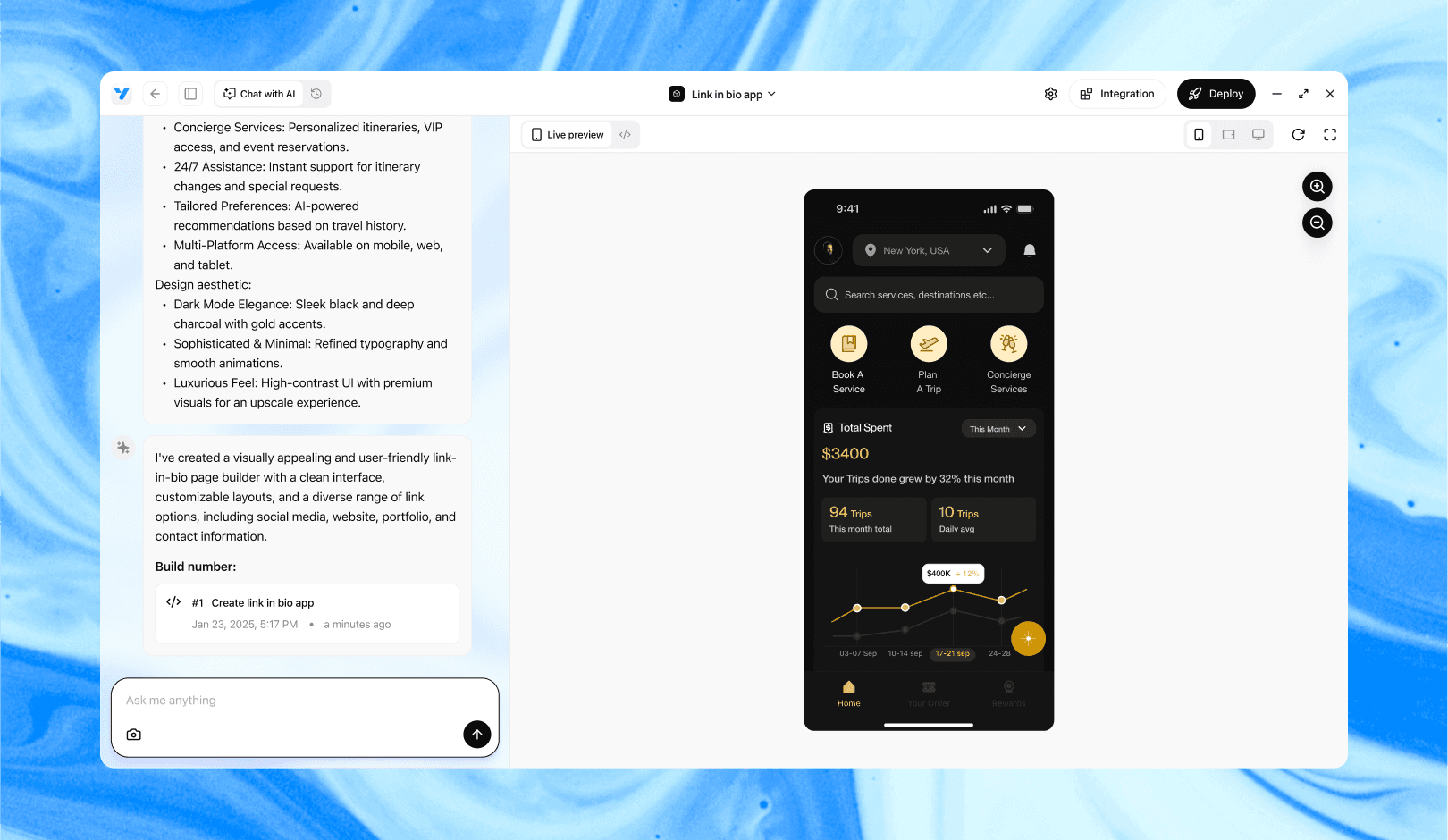
Vibe Studio, powered by Steve’s advanced AI agents, is a revolutionary no-code, conversational platform that empowers users to quickly and efficiently create full-stack Flutter applications integrated seamlessly with Firebase backend services. Ideal for solo founders, startups, and agile engineering teams, Vibe Studio allows users to visually manage and deploy Flutter apps, greatly accelerating the development process. The intuitive conversational interface simplifies complex development tasks, making app creation accessible even for non-coders.

Conclusion

Mastering RenderObject gives you precise, low-level control over how Flutter lays out, paints, and composes UI. Use it when you need custom layout/painting semantics or measurable performance gains. Follow lifecycle rules (respect constraints, call layout on children, mark needs appropriately), integrate with RenderObjectWidget for reusability, and be conservative with layers and repaint boundaries to get the best results in flutter mobile development.


Introduction

Understanding RenderObject is essential for building advanced, highly customized Flutter UI components. The render tree sits below widgets and elements; it’s where layout, painting, hit-testing, and compositing are implemented. For engineers working on complex animations, custom layout algorithms, and efficient rendering on constrained devices, learning RenderObject unlocks deterministic control and performance improvements central to mobile development with flutter.

When To Use RenderObject

Use RenderObject when a Widget/RenderObject combination cannot express the layout or painting behavior you need. Typical scenarios: a custom layout algorithm not covered by Flex/Stack, very low-level painting that must control layers or shaders, or custom hit-testing/semantics. Prefer higher-level primitives (CustomPainter, LayoutBuilder, or MultiChildRenderObjectWidget) for most use cases; escalate to RenderObject when you need predictable, low-overhead control over layout and paint.

RenderObject Lifecycle And Layout

A RenderObject implements performLayout to compute size and position, and paint to draw into a Canvas. Flutter’s two-phase model (layout then paint) enables partial updates: if constraints haven’t changed, a repaint can be cheaper than a relayout. Important methods and concepts:

  • performLayout: compute size and layout children.

  • paint: draw visuals to the canvas or add layers.

  • markNeedsLayout / markNeedsPaint: request updates.

  • hitTest and semantics: integrate interactivity and accessibility.

Always respect incoming constraints (constraints property) and call child.layout with derived constraints when you own children.

Creating A Custom RenderObject

A typical custom RenderObject subclasses RenderBox (for rectangular layouts). For multiple children use ContainerRenderObjectMixin and RenderBoxContainerDefaultsMixin. The pattern: compute and set size in performLayout, call layout on children, then paint. Below is a minimal illustrative example that sets a size and paints a centered rectangle.

class SimpleBox extends RenderBox {
  @override
  void performLayout() {
    size = constraints.biggest.isFinite
        ? constraints.biggest
        : constraints.constrain(Size(100, 100));
  }

  @override
  void paint(PaintingContext context, Offset offset) {
    final paint = Paint()..color = const Color(0xFF2196F3);
    final s = Size(size.width * 0.5, size.height * 0.5);
    final left = offset.dx + (size.width - s.width) / 2;
    final top = offset.dy + (size.height - s.height) / 2;
    context.canvas.drawRect(Rect.fromLTWH(left, top, s.width, s.height), paint);
  }
}

For container render objects, iterate children to position them and use BoxParentData offsets. Keep performLayout deterministic and avoid heavy work during layout.

Integrating With Widgets And Layering

Expose render objects through RenderObjectWidget subclasses (LeafRenderObjectWidget, SingleChildRenderObjectWidget, MultiChildRenderObjectWidget). Implement createRenderObject to construct the RenderObject and updateRenderObject to mutate it without re-creating. Use RepaintBoundary, layers, and compositing strategically: layers can reduce raster work during animations but add compositing cost. Choose layer boundaries when an expensive part of the subtree animates independently.

Hit testing and semantics must be implemented for interactive widgets—use describeSemanticsConfiguration to supply labels and actions. Test on-device as behavior can vary across different devices in mobile development.

Vibe Studio

Vibe Studio, powered by Steve’s advanced AI agents, is a revolutionary no-code, conversational platform that empowers users to quickly and efficiently create full-stack Flutter applications integrated seamlessly with Firebase backend services. Ideal for solo founders, startups, and agile engineering teams, Vibe Studio allows users to visually manage and deploy Flutter apps, greatly accelerating the development process. The intuitive conversational interface simplifies complex development tasks, making app creation accessible even for non-coders.

Conclusion

Mastering RenderObject gives you precise, low-level control over how Flutter lays out, paints, and composes UI. Use it when you need custom layout/painting semantics or measurable performance gains. Follow lifecycle rules (respect constraints, call layout on children, mark needs appropriately), integrate with RenderObjectWidget for reusability, and be conservative with layers and repaint boundaries to get the best results in flutter mobile development.

Build Flutter Apps Faster with Vibe Studio

Build Flutter Apps Faster with Vibe Studio

Build Flutter Apps Faster with Vibe Studio

Build Flutter Apps Faster with Vibe Studio

Vibe Studio is your AI-powered Flutter development companion. Skip boilerplate, build in real-time, and deploy without hassle. Start creating apps at lightning speed with zero setup.

Vibe Studio is your AI-powered Flutter development companion. Skip boilerplate, build in real-time, and deploy without hassle. Start creating apps at lightning speed with zero setup.

Vibe Studio is your AI-powered Flutter development companion. Skip boilerplate, build in real-time, and deploy without hassle. Start creating apps at lightning speed with zero setup.

Vibe Studio is your AI-powered Flutter development companion. Skip boilerplate, build in real-time, and deploy without hassle. Start creating apps at lightning speed with zero setup.

Other Insights

Other Insights

Other Insights

Other Insights

Join a growing community of builders today

Join a growing community of builders today

Join a growing community of builders today

Join a growing community of builders today

Join a growing community of builders today

28-07 Jackson Ave

Walturn

New York NY 11101 United States

© Steve • All Rights Reserved 2025

28-07 Jackson Ave

Walturn

New York NY 11101 United States

© Steve • All Rights Reserved 2025

28-07 Jackson Ave

Walturn

New York NY 11101 United States

© Steve • All Rights Reserved 2025

28-07 Jackson Ave

Walturn

New York NY 11101 United States

© Steve • All Rights Reserved 2025

28-07 Jackson Ave

Walturn

New York NY 11101 United States

© Steve • All Rights Reserved 2025

28-07 Jackson Ave

Walturn

New York NY 11101 United States

© Steve • All Rights Reserved 2025