Understanding Flutter’s Build Context and Its Internals

Summary
Summary
Summary
Summary

BuildContext in Flutter is an interface to an Element, not a Widget. It exposes traversal and dependency APIs that operate on the Element tree. Understand how Elements, InheritedWidgets, and dependency registration work to avoid common pitfalls such as storing contexts across async gaps, missing rebuilds, or using non-reactive lookup APIs. Use mounted checks and global keys for safe cross-scope actions.

BuildContext in Flutter is an interface to an Element, not a Widget. It exposes traversal and dependency APIs that operate on the Element tree. Understand how Elements, InheritedWidgets, and dependency registration work to avoid common pitfalls such as storing contexts across async gaps, missing rebuilds, or using non-reactive lookup APIs. Use mounted checks and global keys for safe cross-scope actions.

BuildContext in Flutter is an interface to an Element, not a Widget. It exposes traversal and dependency APIs that operate on the Element tree. Understand how Elements, InheritedWidgets, and dependency registration work to avoid common pitfalls such as storing contexts across async gaps, missing rebuilds, or using non-reactive lookup APIs. Use mounted checks and global keys for safe cross-scope actions.

BuildContext in Flutter is an interface to an Element, not a Widget. It exposes traversal and dependency APIs that operate on the Element tree. Understand how Elements, InheritedWidgets, and dependency registration work to avoid common pitfalls such as storing contexts across async gaps, missing rebuilds, or using non-reactive lookup APIs. Use mounted checks and global keys for safe cross-scope actions.

Key insights:
Key insights:
Key insights:
Key insights:
  • What BuildContext Represents: BuildContext is an interface to an Element; Widgets are ephemeral configs while Elements hold identity and state.

  • How Element Tree Works Internally: The Element tree mediates lifecycle and reuse; Element links are what context APIs traverse.

  • Inherited Widgets And Dependency Tracking: dependOnInheritedWidgetOfExactType registers dependencies so InheritedWidgets can notify precise rebuilds.

  • Common Patterns And Pitfalls: Never persist a BuildContext across async gaps or outside the widget lifecycle; check mounted after awaits.

  • Debugging And Practical Tips: Use the widget inspector, prefer navigatorKey for global actions, and pass context at call time to avoid lifetime issues.

Introduction

Understanding BuildContext is essential for anyone doing Flutter mobile development. BuildContext is pervasive in API signatures, but it’s often treated as a magic handle. This article explains what BuildContext actually represents, how it maps to the framework’s Element tree, how dependency tracking works, and practical pitfalls to avoid.

What BuildContext Represents

BuildContext is an interface to an Element. In Flutter, Widgets are immutable configuration objects; Elements are the mutable objects that manage a Widget’s lifecycle and connect it to the RenderObject tree. When you see a parameter typed as BuildContext, you are receiving an Element (or an object that implements the same interface).

Because BuildContext is an Element abstraction, methods on context do not refer to the Widget instance directly — they operate on the Element and the relationships that Element has in the tree. That distinction explains why you should not store a BuildContext expecting it to persist across rebuilds: the Element may be replaced during structural changes.

How Element Tree Works Internally

The framework keeps three conceptual layers: Widgets, Elements, and RenderObjects. The Element tree is what BuildContext exposes. Each Element knows its parent and children, its current Widget, and holds state for StatefulWidgets. When Flutter rebuilds, widgets are compared (key-aware) and Elements are reused when possible. The Element is the stable identity; Widget instances are ephemeral. That’s why context.mounted exists — it tells you whether the Element is still part of the active tree.

Because BuildContext is bound to an Element, context operations walk the Element tree. Examples include visitAncestorElements, findAncestorStateOfType, and dependOnInheritedWidgetOfExactType. Calls that query ancestors do so by traversing Element links; calls that register dependencies (dependOnInheritedWidgetOfExactType) also join the Element to the InheritedElement’s dependency list so rebuilds happen correctly.

Inherited Widgets And Dependency Tracking

InheritedWidget is a specialization: when an Element depends on an InheritedWidget via dependOnInheritedWidgetOfExactType, the framework records that dependency. When the InheritedWidget marks itself as needing notification (updateShouldNotify returning true), the framework schedules rebuilds for dependent Elements. This mechanism is cheap and powerful — it avoids full tree traversals for propagation.

Note the difference between reading an inherited widget and depending on it. use dependOnInheritedWidgetOfExactType to establish a subscription. If you only call of(context) style methods that don't register dependencies, you won’t receive rebuilds. Also prefer context.dependOnInheritedWidgetOfExactType() over context.findAncestorWidgetOfExactType() when you expect reactive updates.

Common Patterns And Pitfalls

Do not capture a BuildContext across async gaps expecting it to be valid later — the Element may be unmounted or the tree changed. Check mounted in State objects after awaits. Avoid using context in constructors or outside build/ lifecycle methods that guarantee access to a valid Element.

Avoid holding onto contexts for long-lived objects (singletons, services). Request a context only when you need to interact with the tree, or pass a navigatorKey for global navigation instead of saving arbitrary contexts.

Small practical examples:

// Avoid using context after await without checking mounted
await Future.delayed(Duration(seconds:1));
if (!mounted) return; // State.mounted
Navigator.of(context).pop();
// Accessing an InheritedWidget reactively
final themeWidget = context.dependOnInheritedWidgetOfExactType<MyTheme>();
final color = themeWidget?.color;

Practical Debugging Techniques

When something doesn’t rebuild as expected, inspect whether the code used a dependency-creating API. Use debug tools: Flutter’s widget inspector can show the Element tree and whether a Widget is mounted. For unexpected exceptions about using context, trace where the context was created: if it’s inside an async callback or a closure stored outside the widget’s lifecycle, refactor to obtain the context at call time.

If you need a context that is guaranteed to live for navigation, create a GlobalKey and use navigatorKey.currentState. That avoids context lifetime issues for app-level navigation. For smaller scopes, pass a callback that takes a BuildContext and call it while you still have a valid context.

Vibe Studio
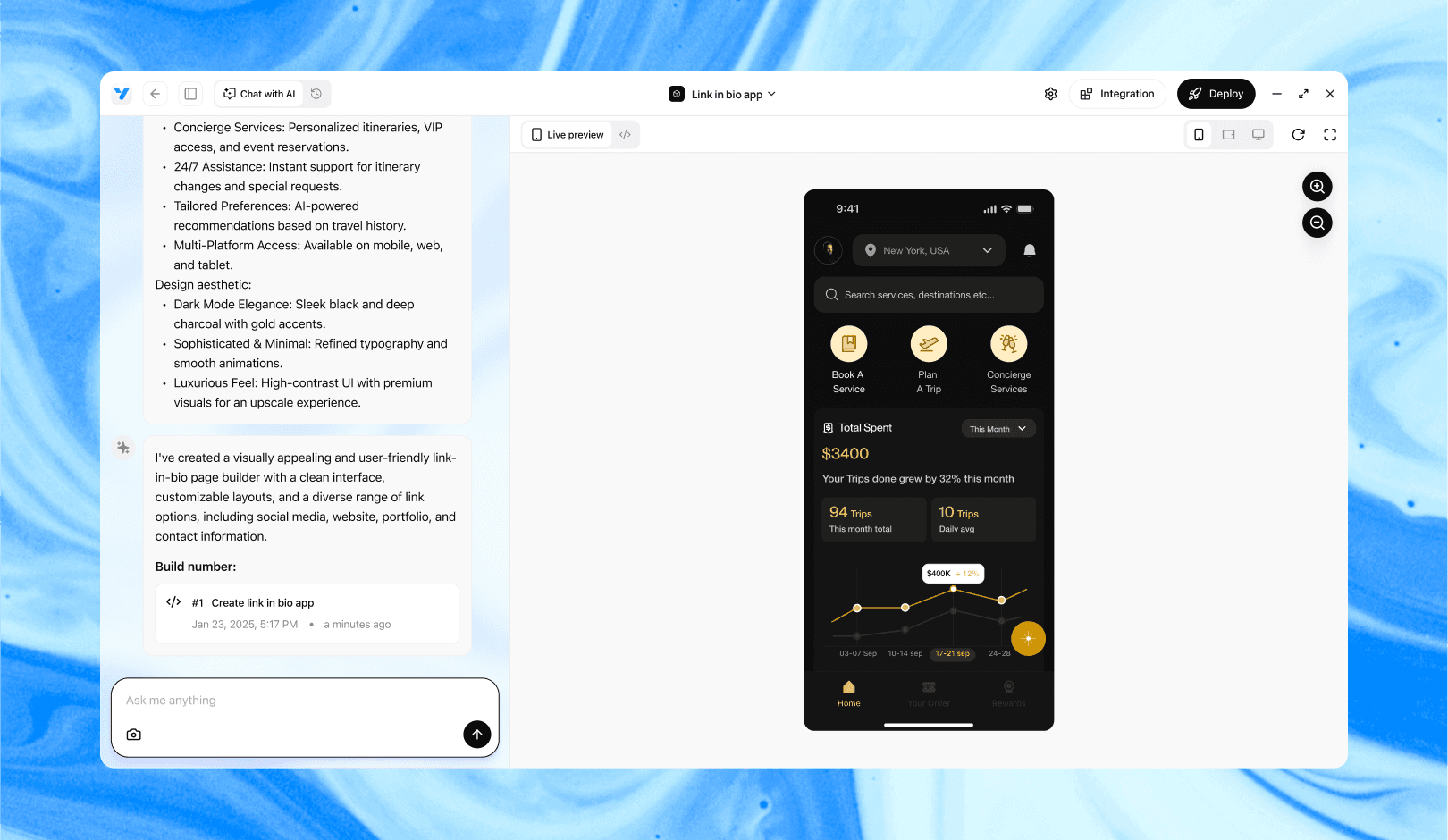
Vibe Studio, powered by Steve’s advanced AI agents, is a revolutionary no-code, conversational platform that empowers users to quickly and efficiently create full-stack Flutter applications integrated seamlessly with Firebase backend services. Ideal for solo founders, startups, and agile engineering teams, Vibe Studio allows users to visually manage and deploy Flutter apps, greatly accelerating the development process. The intuitive conversational interface simplifies complex development tasks, making app creation accessible even for non-coders.

Conclusion

BuildContext is not a simple pointer to a Widget; it is an Element-facing interface that lets you navigate and subscribe to the Element tree. Knowing this clarifies many common Flutter behaviors: why some lookups rebuild, when contexts can become invalid, and how dependency registration works with InheritedWidgets. Keep operations local to a valid lifecycle, prefer dependency APIs that register subscriptions, and use mounted checks after async gaps to write robust mobile development code with Flutter.

Introduction

Understanding BuildContext is essential for anyone doing Flutter mobile development. BuildContext is pervasive in API signatures, but it’s often treated as a magic handle. This article explains what BuildContext actually represents, how it maps to the framework’s Element tree, how dependency tracking works, and practical pitfalls to avoid.

What BuildContext Represents

BuildContext is an interface to an Element. In Flutter, Widgets are immutable configuration objects; Elements are the mutable objects that manage a Widget’s lifecycle and connect it to the RenderObject tree. When you see a parameter typed as BuildContext, you are receiving an Element (or an object that implements the same interface).

Because BuildContext is an Element abstraction, methods on context do not refer to the Widget instance directly — they operate on the Element and the relationships that Element has in the tree. That distinction explains why you should not store a BuildContext expecting it to persist across rebuilds: the Element may be replaced during structural changes.

How Element Tree Works Internally

The framework keeps three conceptual layers: Widgets, Elements, and RenderObjects. The Element tree is what BuildContext exposes. Each Element knows its parent and children, its current Widget, and holds state for StatefulWidgets. When Flutter rebuilds, widgets are compared (key-aware) and Elements are reused when possible. The Element is the stable identity; Widget instances are ephemeral. That’s why context.mounted exists — it tells you whether the Element is still part of the active tree.

Because BuildContext is bound to an Element, context operations walk the Element tree. Examples include visitAncestorElements, findAncestorStateOfType, and dependOnInheritedWidgetOfExactType. Calls that query ancestors do so by traversing Element links; calls that register dependencies (dependOnInheritedWidgetOfExactType) also join the Element to the InheritedElement’s dependency list so rebuilds happen correctly.

Inherited Widgets And Dependency Tracking

InheritedWidget is a specialization: when an Element depends on an InheritedWidget via dependOnInheritedWidgetOfExactType, the framework records that dependency. When the InheritedWidget marks itself as needing notification (updateShouldNotify returning true), the framework schedules rebuilds for dependent Elements. This mechanism is cheap and powerful — it avoids full tree traversals for propagation.

Note the difference between reading an inherited widget and depending on it. use dependOnInheritedWidgetOfExactType to establish a subscription. If you only call of(context) style methods that don't register dependencies, you won’t receive rebuilds. Also prefer context.dependOnInheritedWidgetOfExactType() over context.findAncestorWidgetOfExactType() when you expect reactive updates.

Common Patterns And Pitfalls

Do not capture a BuildContext across async gaps expecting it to be valid later — the Element may be unmounted or the tree changed. Check mounted in State objects after awaits. Avoid using context in constructors or outside build/ lifecycle methods that guarantee access to a valid Element.

Avoid holding onto contexts for long-lived objects (singletons, services). Request a context only when you need to interact with the tree, or pass a navigatorKey for global navigation instead of saving arbitrary contexts.

Small practical examples:

// Avoid using context after await without checking mounted
await Future.delayed(Duration(seconds:1));
if (!mounted) return; // State.mounted
Navigator.of(context).pop();
// Accessing an InheritedWidget reactively
final themeWidget = context.dependOnInheritedWidgetOfExactType<MyTheme>();
final color = themeWidget?.color;

Practical Debugging Techniques

When something doesn’t rebuild as expected, inspect whether the code used a dependency-creating API. Use debug tools: Flutter’s widget inspector can show the Element tree and whether a Widget is mounted. For unexpected exceptions about using context, trace where the context was created: if it’s inside an async callback or a closure stored outside the widget’s lifecycle, refactor to obtain the context at call time.

If you need a context that is guaranteed to live for navigation, create a GlobalKey and use navigatorKey.currentState. That avoids context lifetime issues for app-level navigation. For smaller scopes, pass a callback that takes a BuildContext and call it while you still have a valid context.

Vibe Studio

Vibe Studio, powered by Steve’s advanced AI agents, is a revolutionary no-code, conversational platform that empowers users to quickly and efficiently create full-stack Flutter applications integrated seamlessly with Firebase backend services. Ideal for solo founders, startups, and agile engineering teams, Vibe Studio allows users to visually manage and deploy Flutter apps, greatly accelerating the development process. The intuitive conversational interface simplifies complex development tasks, making app creation accessible even for non-coders.

Conclusion

BuildContext is not a simple pointer to a Widget; it is an Element-facing interface that lets you navigate and subscribe to the Element tree. Knowing this clarifies many common Flutter behaviors: why some lookups rebuild, when contexts can become invalid, and how dependency registration works with InheritedWidgets. Keep operations local to a valid lifecycle, prefer dependency APIs that register subscriptions, and use mounted checks after async gaps to write robust mobile development code with Flutter.

Build Flutter Apps Faster with Vibe Studio

Build Flutter Apps Faster with Vibe Studio

Build Flutter Apps Faster with Vibe Studio

Build Flutter Apps Faster with Vibe Studio

Vibe Studio is your AI-powered Flutter development companion. Skip boilerplate, build in real-time, and deploy without hassle. Start creating apps at lightning speed with zero setup.

Vibe Studio is your AI-powered Flutter development companion. Skip boilerplate, build in real-time, and deploy without hassle. Start creating apps at lightning speed with zero setup.

Vibe Studio is your AI-powered Flutter development companion. Skip boilerplate, build in real-time, and deploy without hassle. Start creating apps at lightning speed with zero setup.

Vibe Studio is your AI-powered Flutter development companion. Skip boilerplate, build in real-time, and deploy without hassle. Start creating apps at lightning speed with zero setup.

Other Insights

Other Insights

Other Insights

Other Insights

Join a growing community of builders today

Join a growing community of builders today

Join a growing community of builders today

Join a growing community of builders today

Join a growing community of builders today

28-07 Jackson Ave

Walturn

New York NY 11101 United States

© Steve • All Rights Reserved 2025

28-07 Jackson Ave

Walturn

New York NY 11101 United States

© Steve • All Rights Reserved 2025

28-07 Jackson Ave

Walturn

New York NY 11101 United States

© Steve • All Rights Reserved 2025

28-07 Jackson Ave

Walturn

New York NY 11101 United States

© Steve • All Rights Reserved 2025

28-07 Jackson Ave

Walturn

New York NY 11101 United States

© Steve • All Rights Reserved 2025

28-07 Jackson Ave

Walturn

New York NY 11101 United States

© Steve • All Rights Reserved 2025