Understanding Async Programming in Flutter Using Futures and Streams

Summary
Summary
Summary
Summary

This tutorial explains async programming in flutter mobile development: Futures for one-off async results, Streams for continuous data, integration with FutureBuilder/StreamBuilder, lifecycle and error handling patterns, and performance considerations to keep UI responsive.

This tutorial explains async programming in flutter mobile development: Futures for one-off async results, Streams for continuous data, integration with FutureBuilder/StreamBuilder, lifecycle and error handling patterns, and performance considerations to keep UI responsive.

This tutorial explains async programming in flutter mobile development: Futures for one-off async results, Streams for continuous data, integration with FutureBuilder/StreamBuilder, lifecycle and error handling patterns, and performance considerations to keep UI responsive.

This tutorial explains async programming in flutter mobile development: Futures for one-off async results, Streams for continuous data, integration with FutureBuilder/StreamBuilder, lifecycle and error handling patterns, and performance considerations to keep UI responsive.

Key insights:
Key insights:
Key insights:
Key insights:
  • Why Async Matters In Flutter: Async keeps the single UI thread responsive by offloading I/O and delayed work without blocking rendering.

  • Working With Futures: Use async/await for readable one-off operations, handle exceptions, and run independent Futures concurrently with Future.wait.

  • Streams For Continuous Data: Streams model ongoing event sequences; use listen/async* and cancel subscriptions to manage flow.

  • Practical Patterns And Error Handling: Use FutureBuilder/StreamBuilder, manage subscriptions in initState/dispose, and implement retries and cancellation.

  • Performance Considerations: Avoid creating Futures/Streams in build(), cache results, and offload heavy computation to isolates to prevent jank.

Introduction

Asynchronous programming is essential in flutter mobile development. UI must remain responsive while performing network calls, disk I/O, timers, or heavy computation. Dart provides two primary abstractions for async work: Future and Stream. This article explains how they differ, when to use each, common patterns, and how to integrate them cleanly into Flutter widgets.

Why Async Matters In Flutter

Flutter apps run a single UI thread. Long-running synchronous operations block the thread and freeze animations and gestures. Async programming lets you schedule work that completes later and react to results without blocking. Use Futures for one-off results (e.g., HTTP response, file read) and Streams for sequences of values over time (e.g., WebSocket messages, sensor updates). Choosing the right abstraction simplifies error handling, cancellation, and resource cleanup.

Working With Futures

A Future represents a value that will be available at some point. Create Futures via async functions, by calling APIs that return Future, or by using Future constructors. Typical operations are awaiting a result, chaining with then/catchError, and cancelling via associated controllers or tokens when available.

Example: fetching JSON and decoding it asynchronously.

Future<Map<String, dynamic>> fetchProfile() async {
  final response = await httpClient.get(Uri.parse('https://api.example.com/me'));
  return jsonDecode(response.body) as Map<String, dynamic>;
}

// Usage
final profile = await fetchProfile();

Best practices with Futures:

  • Prefer async/await for readability. It resembles synchronous code while keeping execution non-blocking.

  • Always handle exceptions with try/catch or catchError to avoid unhandled Future errors.

  • For parallel independent Futures, use Future.wait to run them concurrently and await all results.

  • Avoid using long-running synchronous work on the UI thread; push CPU-heavy tasks to isolates.

Streams For Continuous Data

Streams represent sequences of asynchronous events. They can be single-subscription (like WebSocket) or broadcast (multiple listeners). Streams are ideal for real-time updates, periodic timers, or event buses.

Key Stream operations:

  • listen to receive events and handle onData, onError, onDone

  • async* generator functions to produce streams

  • transform and map to process values

  • cancel subscriptions to stop receiving data

Example: a simple periodic stream that emits ticks.

Stream<int> tickStream(Duration interval) async* {
  var i = 0;
  while (true) {
    await Future.delayed(interval);
    yield i++;
  }
}

final subscription = tickStream(Duration(seconds: 1)).listen((tick) => print(tick));
// subscription.cancel() to stop

Use cases: UI animations timed events, user input throttling/debouncing, live feeds. Convert Streams to Futures when you only need the first event using first or firstWhere.

Practical Patterns And Error Handling

Integrating Futures and Streams with Flutter widgets requires lifecycle awareness and careful error handling.

  • FutureBuilder: binds a Future to the widget tree and rebuilds when the Future completes. Use it for single asynchronous operations tied to UI.

  • StreamBuilder: similar to FutureBuilder but for Streams, rebuilding on every emitted event.

  • Manage subscriptions in State: call listen in initState, store the StreamSubscription, and cancel it in dispose to prevent leaks.

Error handling patterns:

  • Use try/catch with async/await and provide fallback UI or retry logic.

  • For Streams, handle onError in listen or use handleError and consider using retry strategies (exponential backoff) for network streams.

  • Propagate cancellations by cancelling StreamSubscription or using cancellation tokens in APIs that support them.

Performance and memory:

  • Avoid creating new Futures/Streams inside build() without caching; this causes repeated subscriptions and network calls on every rebuild.

  • Prefetch data outside build (e.g., in initState or via a provider/bloc) and expose results to widgets.

  • Use broadcast streams for multiple listeners if the source supports it, but be mindful of shared state.

When to pick what:

  • Future: single result, one-off tasks (HTTP, DB read). Use FutureBuilder or state management that exposes Future results.

  • Stream: multiple results over time, live updates, event handling. Use StreamBuilder or subscribe manually and update state.

Vibe Studio
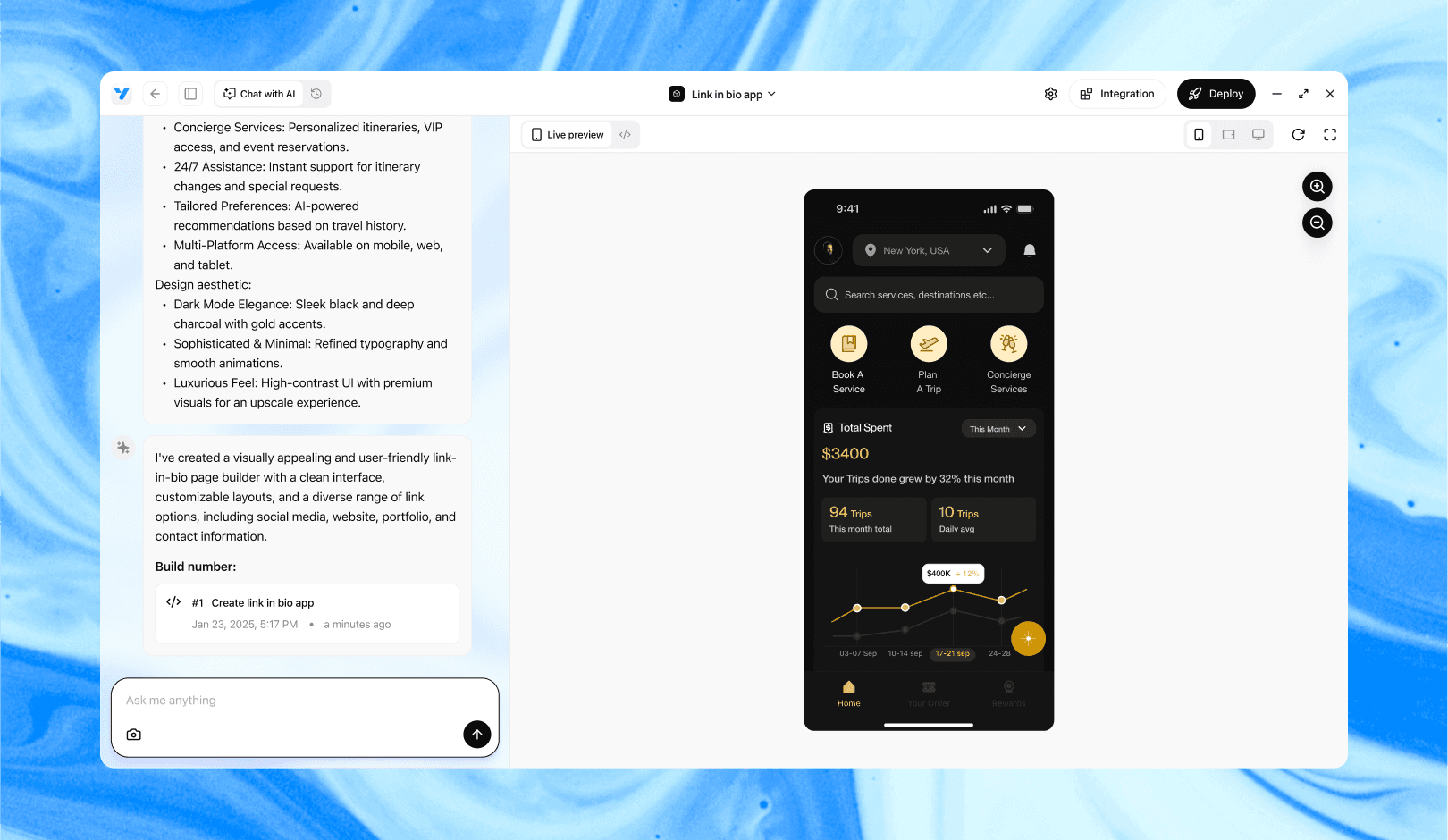
Vibe Studio, powered by Steve’s advanced AI agents, is a revolutionary no-code, conversational platform that empowers users to quickly and efficiently create full-stack Flutter applications integrated seamlessly with Firebase backend services. Ideal for solo founders, startups, and agile engineering teams, Vibe Studio allows users to visually manage and deploy Flutter apps, greatly accelerating the development process. The intuitive conversational interface simplifies complex development tasks, making app creation accessible even for non-coders.

Conclusion

Understanding Futures and Streams is crucial for responsive flutter mobile development. Futures handle single asynchronous results; Streams model sequences over time. Use async/await and stream generators for readable code, manage subscriptions in widget lifecycle methods, and always handle errors and cancellation. Following these patterns keeps UI smooth, predictable, and maintainable.

Introduction

Asynchronous programming is essential in flutter mobile development. UI must remain responsive while performing network calls, disk I/O, timers, or heavy computation. Dart provides two primary abstractions for async work: Future and Stream. This article explains how they differ, when to use each, common patterns, and how to integrate them cleanly into Flutter widgets.

Why Async Matters In Flutter

Flutter apps run a single UI thread. Long-running synchronous operations block the thread and freeze animations and gestures. Async programming lets you schedule work that completes later and react to results without blocking. Use Futures for one-off results (e.g., HTTP response, file read) and Streams for sequences of values over time (e.g., WebSocket messages, sensor updates). Choosing the right abstraction simplifies error handling, cancellation, and resource cleanup.

Working With Futures

A Future represents a value that will be available at some point. Create Futures via async functions, by calling APIs that return Future, or by using Future constructors. Typical operations are awaiting a result, chaining with then/catchError, and cancelling via associated controllers or tokens when available.

Example: fetching JSON and decoding it asynchronously.

Future<Map<String, dynamic>> fetchProfile() async {
  final response = await httpClient.get(Uri.parse('https://api.example.com/me'));
  return jsonDecode(response.body) as Map<String, dynamic>;
}

// Usage
final profile = await fetchProfile();

Best practices with Futures:

  • Prefer async/await for readability. It resembles synchronous code while keeping execution non-blocking.

  • Always handle exceptions with try/catch or catchError to avoid unhandled Future errors.

  • For parallel independent Futures, use Future.wait to run them concurrently and await all results.

  • Avoid using long-running synchronous work on the UI thread; push CPU-heavy tasks to isolates.

Streams For Continuous Data

Streams represent sequences of asynchronous events. They can be single-subscription (like WebSocket) or broadcast (multiple listeners). Streams are ideal for real-time updates, periodic timers, or event buses.

Key Stream operations:

  • listen to receive events and handle onData, onError, onDone

  • async* generator functions to produce streams

  • transform and map to process values

  • cancel subscriptions to stop receiving data

Example: a simple periodic stream that emits ticks.

Stream<int> tickStream(Duration interval) async* {
  var i = 0;
  while (true) {
    await Future.delayed(interval);
    yield i++;
  }
}

final subscription = tickStream(Duration(seconds: 1)).listen((tick) => print(tick));
// subscription.cancel() to stop

Use cases: UI animations timed events, user input throttling/debouncing, live feeds. Convert Streams to Futures when you only need the first event using first or firstWhere.

Practical Patterns And Error Handling

Integrating Futures and Streams with Flutter widgets requires lifecycle awareness and careful error handling.

  • FutureBuilder: binds a Future to the widget tree and rebuilds when the Future completes. Use it for single asynchronous operations tied to UI.

  • StreamBuilder: similar to FutureBuilder but for Streams, rebuilding on every emitted event.

  • Manage subscriptions in State: call listen in initState, store the StreamSubscription, and cancel it in dispose to prevent leaks.

Error handling patterns:

  • Use try/catch with async/await and provide fallback UI or retry logic.

  • For Streams, handle onError in listen or use handleError and consider using retry strategies (exponential backoff) for network streams.

  • Propagate cancellations by cancelling StreamSubscription or using cancellation tokens in APIs that support them.

Performance and memory:

  • Avoid creating new Futures/Streams inside build() without caching; this causes repeated subscriptions and network calls on every rebuild.

  • Prefetch data outside build (e.g., in initState or via a provider/bloc) and expose results to widgets.

  • Use broadcast streams for multiple listeners if the source supports it, but be mindful of shared state.

When to pick what:

  • Future: single result, one-off tasks (HTTP, DB read). Use FutureBuilder or state management that exposes Future results.

  • Stream: multiple results over time, live updates, event handling. Use StreamBuilder or subscribe manually and update state.

Vibe Studio

Vibe Studio, powered by Steve’s advanced AI agents, is a revolutionary no-code, conversational platform that empowers users to quickly and efficiently create full-stack Flutter applications integrated seamlessly with Firebase backend services. Ideal for solo founders, startups, and agile engineering teams, Vibe Studio allows users to visually manage and deploy Flutter apps, greatly accelerating the development process. The intuitive conversational interface simplifies complex development tasks, making app creation accessible even for non-coders.

Conclusion

Understanding Futures and Streams is crucial for responsive flutter mobile development. Futures handle single asynchronous results; Streams model sequences over time. Use async/await and stream generators for readable code, manage subscriptions in widget lifecycle methods, and always handle errors and cancellation. Following these patterns keeps UI smooth, predictable, and maintainable.

Build Flutter Apps Faster with Vibe Studio

Build Flutter Apps Faster with Vibe Studio

Build Flutter Apps Faster with Vibe Studio

Build Flutter Apps Faster with Vibe Studio

Vibe Studio is your AI-powered Flutter development companion. Skip boilerplate, build in real-time, and deploy without hassle. Start creating apps at lightning speed with zero setup.

Vibe Studio is your AI-powered Flutter development companion. Skip boilerplate, build in real-time, and deploy without hassle. Start creating apps at lightning speed with zero setup.

Vibe Studio is your AI-powered Flutter development companion. Skip boilerplate, build in real-time, and deploy without hassle. Start creating apps at lightning speed with zero setup.

Vibe Studio is your AI-powered Flutter development companion. Skip boilerplate, build in real-time, and deploy without hassle. Start creating apps at lightning speed with zero setup.

Other Insights

Other Insights

Other Insights

Other Insights

Join a growing community of builders today

Join a growing community of builders today

Join a growing community of builders today

Join a growing community of builders today

Join a growing community of builders today

28-07 Jackson Ave

Walturn

New York NY 11101 United States

© Steve • All Rights Reserved 2025

28-07 Jackson Ave

Walturn

New York NY 11101 United States

© Steve • All Rights Reserved 2025

28-07 Jackson Ave

Walturn

New York NY 11101 United States

© Steve • All Rights Reserved 2025

28-07 Jackson Ave

Walturn

New York NY 11101 United States

© Steve • All Rights Reserved 2025

28-07 Jackson Ave

Walturn

New York NY 11101 United States

© Steve • All Rights Reserved 2025

28-07 Jackson Ave

Walturn

New York NY 11101 United States

© Steve • All Rights Reserved 2025