Testing Flutter Widgets With FakeAsync And Deterministic Timers
Summary
Summary
Summary
Summary

FakeAsync lets Flutter widget tests control time deterministically. Advance virtual time with fake.elapse and call tester.pump to apply timer-driven changes. Inject clocks, avoid pumpAndSettle in strict virtual-time tests, and pair elapses with frame pumps to test debounces, animations, and delayed actions reliably in mobile development.

FakeAsync lets Flutter widget tests control time deterministically. Advance virtual time with fake.elapse and call tester.pump to apply timer-driven changes. Inject clocks, avoid pumpAndSettle in strict virtual-time tests, and pair elapses with frame pumps to test debounces, animations, and delayed actions reliably in mobile development.

FakeAsync lets Flutter widget tests control time deterministically. Advance virtual time with fake.elapse and call tester.pump to apply timer-driven changes. Inject clocks, avoid pumpAndSettle in strict virtual-time tests, and pair elapses with frame pumps to test debounces, animations, and delayed actions reliably in mobile development.

FakeAsync lets Flutter widget tests control time deterministically. Advance virtual time with fake.elapse and call tester.pump to apply timer-driven changes. Inject clocks, avoid pumpAndSettle in strict virtual-time tests, and pair elapses with frame pumps to test debounces, animations, and delayed actions reliably in mobile development.

Key insights:
Key insights:
Key insights:
Key insights:
  • Understanding FakeAsync: FakeAsync creates a virtual clock so Timer and Future.delayed fire only when you advance time.

  • Writing Tests With FakeAsync: Wrap logic in FakeAsync.run, call fake.elapse to move time, and use tester.pump to render timer-driven updates.

  • Common Patterns And Pitfalls: Prefer explicit pumps; avoid pumpAndSettle in virtual-time tests and inject clocks instead of using globals.

  • Real Example: Test debounces and animations by alternating fake.elapse calls with tester.pump(Duration) to simulate frames deterministically.

  • Best Practices: Inject clock abstractions, mock external dependencies, and align time advances with widget pumps for reliable mobile development tests.

Introduction

Deterministic timing is essential when testing Flutter widgets that rely on timers, animations, or delayed actions. In mobile development, flaky tests often arise from real clocks and asynchronous delays. Flutter provides a testing toolset—FakeAsync and deterministic timers—that lets you control virtual time so tests are fast, reliable, and reproducible. This article shows how to use FakeAsync effectively to test widgets that depend on Timer, Future.delayed, and animation frames.

Understanding FakeAsync And Deterministic Timers

FakeAsync (from package:clock and package:fake_async integrated in the Dart test harness) replaces real-time behavior with a controllable virtual clock. In this environment, Timer, Future.delayed, and scheduleMicrotask behave the same but only advance when you explicitly move the clock forward. For Flutter widget tests you typically use the testWidgets callback and pump frames; combining pump with FakeAsync gives deterministic control over both the widget tree and the clock.

Key properties:

  • Virtual time does not progress unless you tell it to.

  • Timers fire synchronously when you advance time.

  • You can simulate long delays instantly without waiting.

Use cases include testing debouncing, retry backoffs, delayed UI updates, and animations where exact frame progression matters.

Writing Tests With FakeAsync

In widget tests you usually call tester.pump() and tester.pumpAndSettle(). To combine FakeAsync with tester, wrap the relevant code in FakeAsync.run and use tester.runAsync when awaiting futures that depend on real async boundaries. A common pattern:

// Example pattern inside a testWidgets
FakeAsync().run((fake) async {
  await tester.pumpWidget(MyWidget());
  // Trigger action that starts a Timer or Future.delayed
  fake.elapse(Duration(seconds: 1));
  await tester.pump(); // re-render after advancing time
  // Assertions
});

If your widget uses AnimationController, you can still use tester.pump with durations to simulate frame advancement tied to the virtual clock. Call tester.pump(Duration) after fake.elapse to align logical time and frame pumping.

Common Patterns And Pitfalls

Pattern: Debounce testing

  • Trigger input events, fake.elapse the debounce interval, then pump to assert the debounced action fired.

Pattern: Animation verification

  • Start animation, then fake.elapse small durations while pumping frames to assert intermediate states.

Pitfall: Using tester.pumpAndSettle

  • pumpAndSettle waits for the real test microtask queue and frames. In FakeAsync contexts, prefer explicit pump calls and fake.elapse because pumpAndSettle can hang if the virtual clock isn't advanced.

Pitfall: Mixing runAsync and FakeAsync incorrectly

  • Use FakeAsync.run for code that expects virtual timers; use tester.runAsync only when you need to run code in real async zone (e.g., platform channels or isolates). Overusing runAsync defeats determinism.

Pitfall: Global singletons

  • If your widget consults a global clock or Timer source, inject an abstraction or pass a Clock into the widget so tests can replace it with a fake implementation. Avoid relying on unmocked static timers in mobile development tests.

Real Example: Testing Animation And Debounce

Consider a widget that starts an animation and triggers a network request when the animation completes, but only if the user stopped interacting for 300ms (debounce). Test sequence:

  • Pump the widget.

  • Start animation or interaction.

  • Call fake.elapse(Duration(milliseconds: 300));

  • Call tester.pump(Duration(milliseconds: 16)) repeatedly to simulate frames and let the animation progress.

  • Assert that the network request mock was called once.

Small test snippet showing advancement and pump alignment:

FakeAsync().run((fake) async {
  await tester.pumpWidget(MyDebouncedAnimatedWidget());
  // trigger interaction
  fake.elapse(Duration(milliseconds: 300));
  await tester.pump(Duration(milliseconds: 16));
  // advance more to finish animation
  fake.elapse(Duration(seconds: 1));
  await tester.pumpAndSettle(); // Ok here if no more timers
  expect(mockClient.called, isTrue);
});

Note: If pumpAndSettle causes issues in a pure FakeAsync block, replace it with explicit pumps until animations complete.

Best Practices

  • Inject clocks: Use abstractions (Clock or a wrapper) so widgets can use FakeAsync-friendly clocks in tests.

  • Keep tests deterministic: Avoid real delays and network calls; mock external dependencies and advance time explicitly.

  • Align pumps and elapses: After calling fake.elapse, always call tester.pump (with appropriate duration) so the widget tree can process state changes caused by timers.

  • Prefer explicit pumps over pumpAndSettle in complex timing scenarios.

Vibe Studio
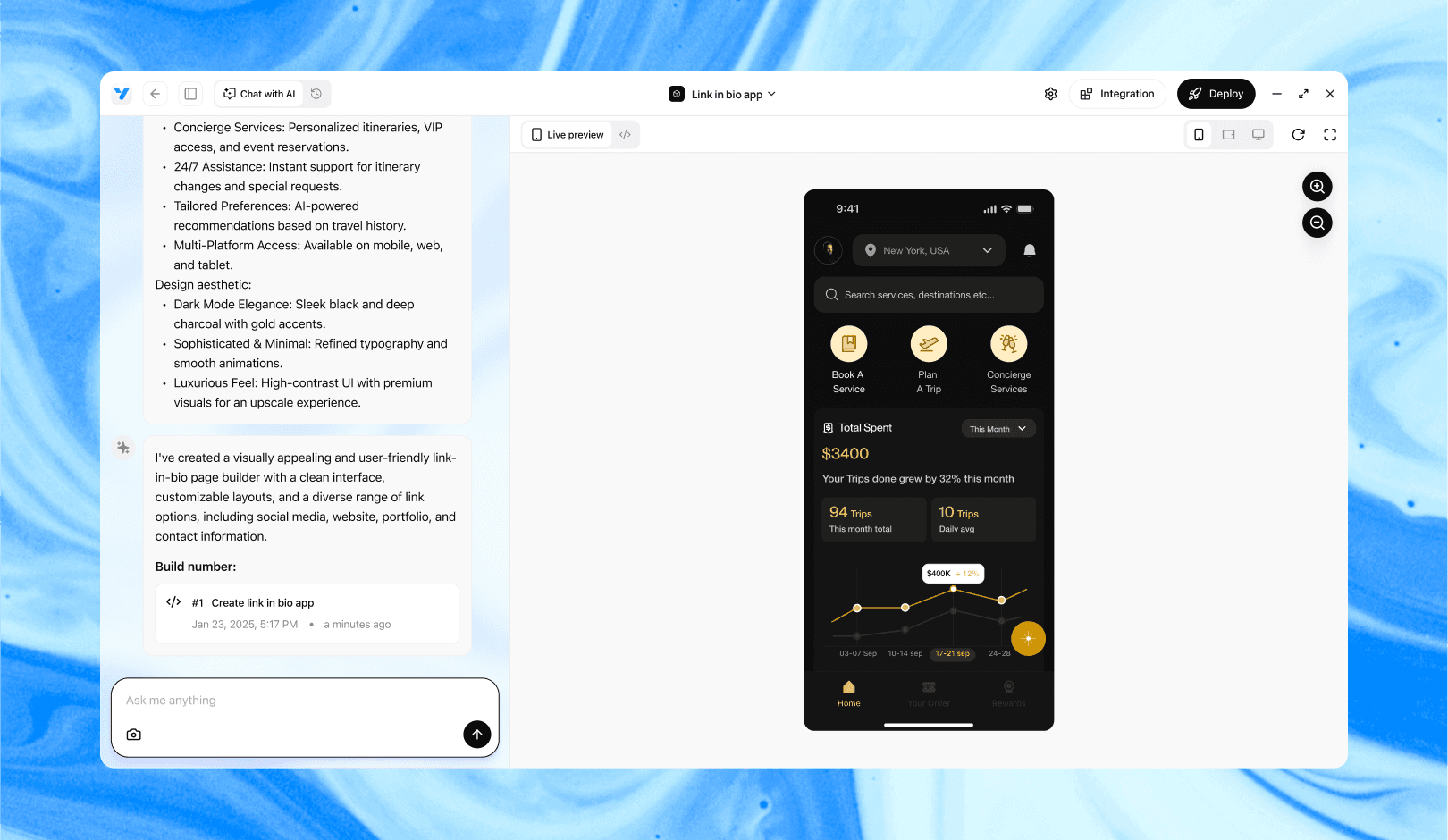
Vibe Studio, powered by Steve’s advanced AI agents, is a revolutionary no-code, conversational platform that empowers users to quickly and efficiently create full-stack Flutter applications integrated seamlessly with Firebase backend services. Ideal for solo founders, startups, and agile engineering teams, Vibe Studio allows users to visually manage and deploy Flutter apps, greatly accelerating the development process. The intuitive conversational interface simplifies complex development tasks, making app creation accessible even for non-coders.

Conclusion

FakeAsync and deterministic timers are powerful tools for testing Flutter widgets in mobile development. They eliminate flakiness by giving you complete control over time, making tests fast and repeatable. Use FakeAsync.run, elapse the virtual clock, and pair elapses with tester.pump calls. Inject clocks where possible, avoid pumpAndSettle in strict virtual-time tests, and you’ll have reliable tests for debounces, animations, retries, and delayed UI updates.


Introduction

Deterministic timing is essential when testing Flutter widgets that rely on timers, animations, or delayed actions. In mobile development, flaky tests often arise from real clocks and asynchronous delays. Flutter provides a testing toolset—FakeAsync and deterministic timers—that lets you control virtual time so tests are fast, reliable, and reproducible. This article shows how to use FakeAsync effectively to test widgets that depend on Timer, Future.delayed, and animation frames.

Understanding FakeAsync And Deterministic Timers

FakeAsync (from package:clock and package:fake_async integrated in the Dart test harness) replaces real-time behavior with a controllable virtual clock. In this environment, Timer, Future.delayed, and scheduleMicrotask behave the same but only advance when you explicitly move the clock forward. For Flutter widget tests you typically use the testWidgets callback and pump frames; combining pump with FakeAsync gives deterministic control over both the widget tree and the clock.

Key properties:

  • Virtual time does not progress unless you tell it to.

  • Timers fire synchronously when you advance time.

  • You can simulate long delays instantly without waiting.

Use cases include testing debouncing, retry backoffs, delayed UI updates, and animations where exact frame progression matters.

Writing Tests With FakeAsync

In widget tests you usually call tester.pump() and tester.pumpAndSettle(). To combine FakeAsync with tester, wrap the relevant code in FakeAsync.run and use tester.runAsync when awaiting futures that depend on real async boundaries. A common pattern:

// Example pattern inside a testWidgets
FakeAsync().run((fake) async {
  await tester.pumpWidget(MyWidget());
  // Trigger action that starts a Timer or Future.delayed
  fake.elapse(Duration(seconds: 1));
  await tester.pump(); // re-render after advancing time
  // Assertions
});

If your widget uses AnimationController, you can still use tester.pump with durations to simulate frame advancement tied to the virtual clock. Call tester.pump(Duration) after fake.elapse to align logical time and frame pumping.

Common Patterns And Pitfalls

Pattern: Debounce testing

  • Trigger input events, fake.elapse the debounce interval, then pump to assert the debounced action fired.

Pattern: Animation verification

  • Start animation, then fake.elapse small durations while pumping frames to assert intermediate states.

Pitfall: Using tester.pumpAndSettle

  • pumpAndSettle waits for the real test microtask queue and frames. In FakeAsync contexts, prefer explicit pump calls and fake.elapse because pumpAndSettle can hang if the virtual clock isn't advanced.

Pitfall: Mixing runAsync and FakeAsync incorrectly

  • Use FakeAsync.run for code that expects virtual timers; use tester.runAsync only when you need to run code in real async zone (e.g., platform channels or isolates). Overusing runAsync defeats determinism.

Pitfall: Global singletons

  • If your widget consults a global clock or Timer source, inject an abstraction or pass a Clock into the widget so tests can replace it with a fake implementation. Avoid relying on unmocked static timers in mobile development tests.

Real Example: Testing Animation And Debounce

Consider a widget that starts an animation and triggers a network request when the animation completes, but only if the user stopped interacting for 300ms (debounce). Test sequence:

  • Pump the widget.

  • Start animation or interaction.

  • Call fake.elapse(Duration(milliseconds: 300));

  • Call tester.pump(Duration(milliseconds: 16)) repeatedly to simulate frames and let the animation progress.

  • Assert that the network request mock was called once.

Small test snippet showing advancement and pump alignment:

FakeAsync().run((fake) async {
  await tester.pumpWidget(MyDebouncedAnimatedWidget());
  // trigger interaction
  fake.elapse(Duration(milliseconds: 300));
  await tester.pump(Duration(milliseconds: 16));
  // advance more to finish animation
  fake.elapse(Duration(seconds: 1));
  await tester.pumpAndSettle(); // Ok here if no more timers
  expect(mockClient.called, isTrue);
});

Note: If pumpAndSettle causes issues in a pure FakeAsync block, replace it with explicit pumps until animations complete.

Best Practices

  • Inject clocks: Use abstractions (Clock or a wrapper) so widgets can use FakeAsync-friendly clocks in tests.

  • Keep tests deterministic: Avoid real delays and network calls; mock external dependencies and advance time explicitly.

  • Align pumps and elapses: After calling fake.elapse, always call tester.pump (with appropriate duration) so the widget tree can process state changes caused by timers.

  • Prefer explicit pumps over pumpAndSettle in complex timing scenarios.

Vibe Studio

Vibe Studio, powered by Steve’s advanced AI agents, is a revolutionary no-code, conversational platform that empowers users to quickly and efficiently create full-stack Flutter applications integrated seamlessly with Firebase backend services. Ideal for solo founders, startups, and agile engineering teams, Vibe Studio allows users to visually manage and deploy Flutter apps, greatly accelerating the development process. The intuitive conversational interface simplifies complex development tasks, making app creation accessible even for non-coders.

Conclusion

FakeAsync and deterministic timers are powerful tools for testing Flutter widgets in mobile development. They eliminate flakiness by giving you complete control over time, making tests fast and repeatable. Use FakeAsync.run, elapse the virtual clock, and pair elapses with tester.pump calls. Inject clocks where possible, avoid pumpAndSettle in strict virtual-time tests, and you’ll have reliable tests for debounces, animations, retries, and delayed UI updates.

Build Flutter Apps Faster with Vibe Studio

Vibe Studio is your AI-powered Flutter development companion. Skip boilerplate, build in real-time, and deploy without hassle. Start creating apps at lightning speed with zero setup.

Other Insights

Join a growing community of builders today

Join a growing community of builders today

Join a growing community of builders today

Join a growing community of builders today

Join a growing community of builders today

28-07 Jackson Ave

Walturn

New York NY 11101 United States

© Steve • All Rights Reserved 2025

28-07 Jackson Ave

Walturn

New York NY 11101 United States

© Steve • All Rights Reserved 2025

28-07 Jackson Ave

Walturn

New York NY 11101 United States

© Steve • All Rights Reserved 2025

28-07 Jackson Ave

Walturn

New York NY 11101 United States

© Steve • All Rights Reserved 2025

28-07 Jackson Ave

Walturn

New York NY 11101 United States

© Steve • All Rights Reserved 2025

28-07 Jackson Ave

Walturn

New York NY 11101 United States

© Steve • All Rights Reserved 2025