Subscription Paywall UX Patterns That Convert In Flutter
Summary
Summary

This guide covers high-impact paywall UX patterns for Flutter mobile development: value-first copy, transparent pricing, trial/onboarding strategies, modular widget structure, platform billing integration, and measurement. It provides code patterns and testing guidance to implement reliable, convertible subscription flows.

This guide covers high-impact paywall UX patterns for Flutter mobile development: value-first copy, transparent pricing, trial/onboarding strategies, modular widget structure, platform billing integration, and measurement. It provides code patterns and testing guidance to implement reliable, convertible subscription flows.

Key insights:
Key insights:
  • Design Principles For Higher Conversion: Strong visual hierarchy, clear benefit statements, and trust signals drive initial engagement.

  • Pricing Presentation Patterns: Show monthly equivalents, highlight a recommended plan, and use decoy pricing to influence choice.

  • Trial And Onboarding Strategies: Offer frictionless trials, minimize form fields, and persist selections to reduce churn.

  • Technical Implementation In Flutter: Compose small widgets, keep business logic in ViewModels, and integrate in_app_purchase for platform billing.

  • Measuring And Iterating: Track funnel events, run A/B tests with remote config, and use cohorts to evaluate long-term impact.

Introduction

Subscription paywalls are one of the highest-leverage screens in any mobile product. In Flutter mobile development, you control layout, animation, and state — which lets you apply proven UX patterns that increase conversions. This guide focuses on precise, code-forward patterns you can implement in Flutter: clear value articulation, pricing clarity, friction-reducing onboarding flows, and reliable technical implementation.

Design Principles For Higher Conversion

Make the outcome concrete. Use short headlines that answer "what I get" and clear microcopy for the most important benefits. Visual hierarchy matters: primary CTA should be visually dominant; secondary options should be visible but de-emphasized.

Accessibility and trust signals convert. Show payment security badges, restore purchases, and customer support contact. For mobile development in Flutter, leverage semantics and text scaling so paywalls remain readable across devices.

Microinteractions nudge behavior. Use lightweight animations for plan selection and confirmation to give users immediate feedback. Keep animations under 300ms for responsiveness.

Pricing Presentation Patterns

Compare a few simple plans — typically three columns (Light, Standard, Premium) — and highlight the recommended plan. Present price per unit (e.g., per month) for subscriptions, and show annual savings if applicable. Avoid burying recurring details in small text.

Anchoring and decoy pricing work in mobile contexts: present a mid-tier as the focal plan. Always include a monthly equivalent and the exact billing cadence.

Example Flutter layout: use Row for plan cards and ToggleButtons or custom chips for billing cadence. Keep the code that computes displayed prices pure and testable.

// Simple price formatting helper
String priceLabel(int cents, String period) => '\$${(cents/100).toStringAsFixed(0)}/$period';

final monthly = priceLabel(799, 'mo'); // -> $8/mo

Trial And Onboarding Strategies

Offer a frictionless trial or immediate value-first experience: let users try core functionality before gating advanced features. When a trial is available, show an explicit expiration and what happens after it ends.

Reduce form friction: use platform billing flows (in-app purchases) where possible; only ask for extra info when required. For mobile development in Flutter, integrate in_app_purchase for iOS/Android and show your own confirmation UI only after the platform purchase succeeds.

Use progressive disclosure: if the user declines, present a slimmed-down reminder modal later with an option to compare plans. Persist their last selected plan so returning users see a personalized state.

Technical Implementation In Flutter

Structure paywall screens as composition of small widgets: Header, PlanGrid, BillingToggle, BenefitsList, and FooterCTA. Keep business logic out of widgets using a ViewModel or Bloc for testability. Use platform billing packages to execute transactions and handle restores.

Handle edge cases robustly: network failures, pending transactions, and platform-specific receipts. Always show a loading state and specific error messages. Use centralized error mapping so UX teams can tweak copy without changing platform code.

Example: a minimal paywall widget skeleton using provider-style ViewModel injection.

class PaywallView extends StatelessWidget {
  final PaywallViewModel vm;
  const PaywallView(this.vm, {Key? key}): super(key: key);

  @override
  Widget build(BuildContext context) => Column(
    children: [
      Text(vm.headline, style: TextStyle(fontSize: 24, fontWeight: FontWeight.bold)),
      Expanded(child: PlanGrid(vm.plans)),
      ElevatedButton(onPressed: vm.buySelected, child: Text(vm.primaryCta))
    ],
  );
}

Instrumentation and A/B testing are required. Track which plan cards are tapped, time on screen, and conversion funnel events (view -> select -> purchase -> restore). Use remote config to A/B test hero copy, default selected plan, and trial offers.

Measuring And Iterating

Define a small set of metrics: view-to-select, select-to-purchase, and churn after first billing. Use cohorts to separate trial vs. non-trial users. Run short experiments (2–4 weeks) with clear hypotheses (e.g., "Highlighting annual plan increases annual subscriptions by X%").

Log qualitative feedback inside the app (one-question exit surveys) to capture why users abandoned the paywall. Combine metrics with session replays or heatmaps for deeper insight.

Vibe Studio
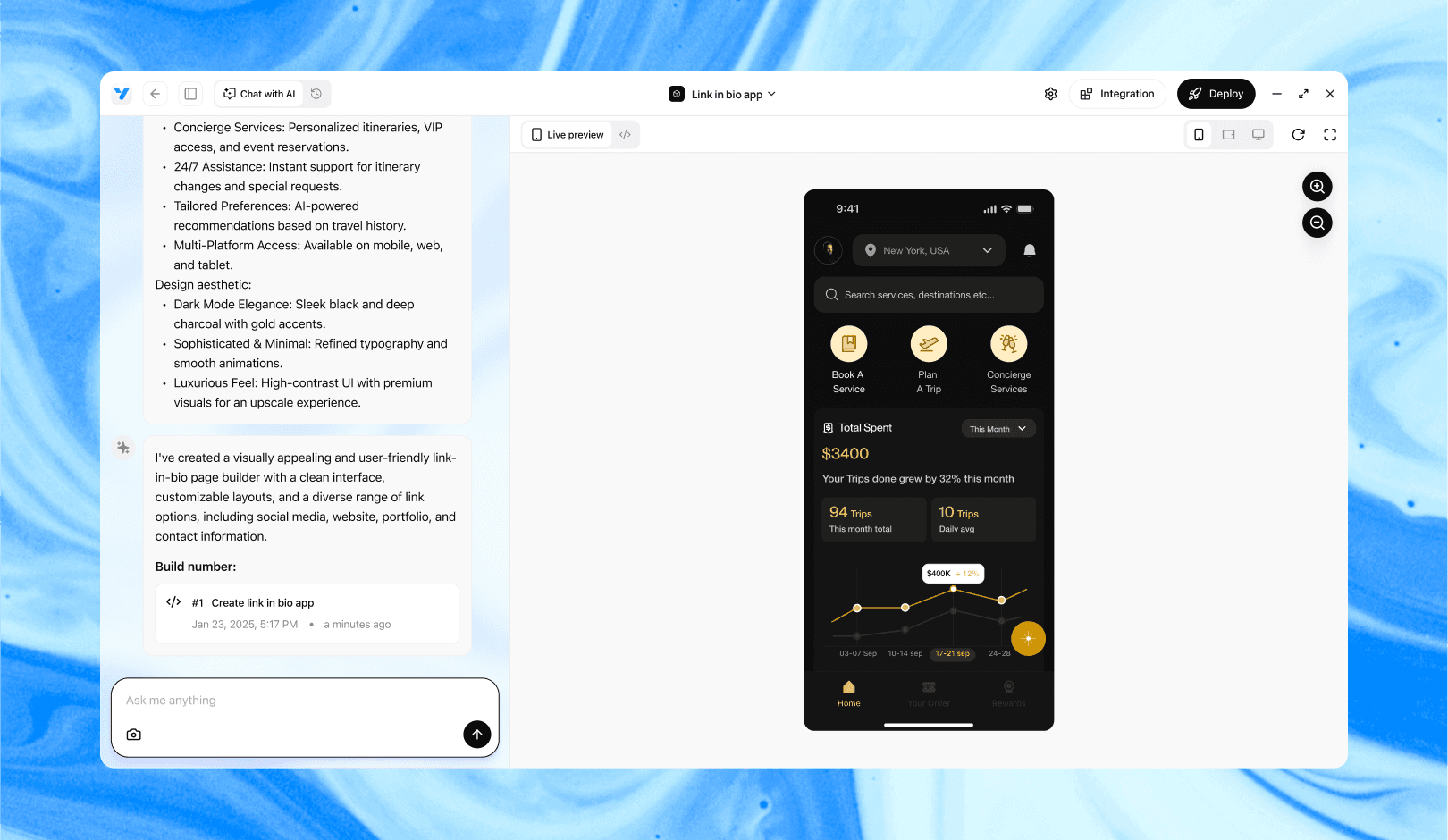
Vibe Studio, powered by Steve’s advanced AI agents, is a revolutionary no-code, conversational platform that empowers users to quickly and efficiently create full-stack Flutter applications integrated seamlessly with Firebase backend services. Ideal for solo founders, startups, and agile engineering teams, Vibe Studio allows users to visually manage and deploy Flutter apps, greatly accelerating the development process. The intuitive conversational interface simplifies complex development tasks, making app creation accessible even for non-coders.

Conclusion

Effective subscription paywalls in Flutter combine clear value articulation, transparent pricing, friction-free onboarding, and engineering discipline. Implement modular widgets, integrate platform billing, instrument events for A/B testing, and iterate based on data. With these patterns you can raise conversion while maintaining a reliable, testable Flutter codebase.

Introduction

Subscription paywalls are one of the highest-leverage screens in any mobile product. In Flutter mobile development, you control layout, animation, and state — which lets you apply proven UX patterns that increase conversions. This guide focuses on precise, code-forward patterns you can implement in Flutter: clear value articulation, pricing clarity, friction-reducing onboarding flows, and reliable technical implementation.

Design Principles For Higher Conversion

Make the outcome concrete. Use short headlines that answer "what I get" and clear microcopy for the most important benefits. Visual hierarchy matters: primary CTA should be visually dominant; secondary options should be visible but de-emphasized.

Accessibility and trust signals convert. Show payment security badges, restore purchases, and customer support contact. For mobile development in Flutter, leverage semantics and text scaling so paywalls remain readable across devices.

Microinteractions nudge behavior. Use lightweight animations for plan selection and confirmation to give users immediate feedback. Keep animations under 300ms for responsiveness.

Pricing Presentation Patterns

Compare a few simple plans — typically three columns (Light, Standard, Premium) — and highlight the recommended plan. Present price per unit (e.g., per month) for subscriptions, and show annual savings if applicable. Avoid burying recurring details in small text.

Anchoring and decoy pricing work in mobile contexts: present a mid-tier as the focal plan. Always include a monthly equivalent and the exact billing cadence.

Example Flutter layout: use Row for plan cards and ToggleButtons or custom chips for billing cadence. Keep the code that computes displayed prices pure and testable.

// Simple price formatting helper
String priceLabel(int cents, String period) => '\$${(cents/100).toStringAsFixed(0)}/$period';

final monthly = priceLabel(799, 'mo'); // -> $8/mo

Trial And Onboarding Strategies

Offer a frictionless trial or immediate value-first experience: let users try core functionality before gating advanced features. When a trial is available, show an explicit expiration and what happens after it ends.

Reduce form friction: use platform billing flows (in-app purchases) where possible; only ask for extra info when required. For mobile development in Flutter, integrate in_app_purchase for iOS/Android and show your own confirmation UI only after the platform purchase succeeds.

Use progressive disclosure: if the user declines, present a slimmed-down reminder modal later with an option to compare plans. Persist their last selected plan so returning users see a personalized state.

Technical Implementation In Flutter

Structure paywall screens as composition of small widgets: Header, PlanGrid, BillingToggle, BenefitsList, and FooterCTA. Keep business logic out of widgets using a ViewModel or Bloc for testability. Use platform billing packages to execute transactions and handle restores.

Handle edge cases robustly: network failures, pending transactions, and platform-specific receipts. Always show a loading state and specific error messages. Use centralized error mapping so UX teams can tweak copy without changing platform code.

Example: a minimal paywall widget skeleton using provider-style ViewModel injection.

class PaywallView extends StatelessWidget {
  final PaywallViewModel vm;
  const PaywallView(this.vm, {Key? key}): super(key: key);

  @override
  Widget build(BuildContext context) => Column(
    children: [
      Text(vm.headline, style: TextStyle(fontSize: 24, fontWeight: FontWeight.bold)),
      Expanded(child: PlanGrid(vm.plans)),
      ElevatedButton(onPressed: vm.buySelected, child: Text(vm.primaryCta))
    ],
  );
}

Instrumentation and A/B testing are required. Track which plan cards are tapped, time on screen, and conversion funnel events (view -> select -> purchase -> restore). Use remote config to A/B test hero copy, default selected plan, and trial offers.

Measuring And Iterating

Define a small set of metrics: view-to-select, select-to-purchase, and churn after first billing. Use cohorts to separate trial vs. non-trial users. Run short experiments (2–4 weeks) with clear hypotheses (e.g., "Highlighting annual plan increases annual subscriptions by X%").

Log qualitative feedback inside the app (one-question exit surveys) to capture why users abandoned the paywall. Combine metrics with session replays or heatmaps for deeper insight.

Vibe Studio

Vibe Studio, powered by Steve’s advanced AI agents, is a revolutionary no-code, conversational platform that empowers users to quickly and efficiently create full-stack Flutter applications integrated seamlessly with Firebase backend services. Ideal for solo founders, startups, and agile engineering teams, Vibe Studio allows users to visually manage and deploy Flutter apps, greatly accelerating the development process. The intuitive conversational interface simplifies complex development tasks, making app creation accessible even for non-coders.

Conclusion

Effective subscription paywalls in Flutter combine clear value articulation, transparent pricing, friction-free onboarding, and engineering discipline. Implement modular widgets, integrate platform billing, instrument events for A/B testing, and iterate based on data. With these patterns you can raise conversion while maintaining a reliable, testable Flutter codebase.

Build Flutter Apps Faster with Vibe Studio

Vibe Studio is your AI-powered Flutter development companion. Skip boilerplate, build in real-time, and deploy without hassle. Start creating apps at lightning speed with zero setup.

Other Insights

Join a growing community of builders today

Join a growing community of builders today

Join a growing community of builders today

Join a growing community of builders today

Join a growing community of builders today

28-07 Jackson Ave

Walturn

New York NY 11101 United States

© Steve • All Rights Reserved 2025

28-07 Jackson Ave

Walturn

New York NY 11101 United States

© Steve • All Rights Reserved 2025

28-07 Jackson Ave

Walturn

New York NY 11101 United States

© Steve • All Rights Reserved 2025

28-07 Jackson Ave

Walturn

New York NY 11101 United States

© Steve • All Rights Reserved 2025

28-07 Jackson Ave

Walturn

New York NY 11101 United States

© Steve • All Rights Reserved 2025

28-07 Jackson Ave

Walturn

New York NY 11101 United States

© Steve • All Rights Reserved 2025