Streaming Large Files In Flutter Using Background Isolates

Summary
Summary
Summary
Summary

This tutorial explains how to stream large files in flutter by moving chunked network reads and disk writes into a background isolate. It covers design patterns, code examples for spawning an isolate and writing chunks, and guidance on error handling, chunk sizing, cancellation, and platform constraints for reliable mobile development.

This tutorial explains how to stream large files in flutter by moving chunked network reads and disk writes into a background isolate. It covers design patterns, code examples for spawning an isolate and writing chunks, and guidance on error handling, chunk sizing, cancellation, and platform constraints for reliable mobile development.

This tutorial explains how to stream large files in flutter by moving chunked network reads and disk writes into a background isolate. It covers design patterns, code examples for spawning an isolate and writing chunks, and guidance on error handling, chunk sizing, cancellation, and platform constraints for reliable mobile development.

This tutorial explains how to stream large files in flutter by moving chunked network reads and disk writes into a background isolate. It covers design patterns, code examples for spawning an isolate and writing chunks, and guidance on error handling, chunk sizing, cancellation, and platform constraints for reliable mobile development.

Key insights:
Key insights:
Key insights:
Key insights:
  • Why Use Background Isolates: Move heavy I/O off the main isolate to avoid UI jank and keep memory predictable.

  • Designing A Chunked Streaming Flow: Separate network fetch, worker processing, and disk writes; choose chunk sizes that balance throughput and memory.

  • Implementing The Isolate Worker: Use SendPort/ReceivePort to stream Uint8List chunks to a worker that writes to disk and reports progress.

  • Handling Errors And Platform Constraints: Anticipate permissions, disk-full, timeouts, and provide resume/cancel semantics with small idempotent writes.

  • Performance Tips: Profile on target devices, adjust chunk size, and consider native download managers for extremely large transfers.

Introduction

Streaming very large files (hundreds of megabytes or gigabytes) on mobile can block the UI if done on the main thread. In flutter mobile development, isolates provide a way to move CPU- and I/O-bound work off the UI thread. This tutorial shows a practical pattern: chunked streaming using a background isolate to download, process, and persist large files while keeping the UI responsive and conserving memory.

Why Use Background Isolates

Dart runs code on a single thread per isolate. Heavy streaming and disk writes will contend with UI frames if executed on the main isolate. In flutter apps, you should isolate long-running tasks to avoid jank. Background isolates let you:

  • Run blocking I/O without freezing animations or gestures.

  • Process data (decompression, hashing) as it arrives.

  • Keep memory usage predictable by handling chunks instead of whole files.

Note: isolates do not share memory. Use SendPort/ReceivePort to pass messages and transfer typed data like Uint8List chunks.

Designing A Chunked Streaming Flow

A robust flow separates concerns: network download, streaming transform, and disk write. Typical components:

  • Network fetcher: reads bytes in chunks from HttpClient or an SDK that supports streaming.

  • Worker isolate: receives chunks, optionally transforms (decrypt, decompress), writes to a temporary file, and reports progress.

  • Main isolate: spawns worker, displays progress, and handles cancellation or errors.

Choose chunk sizes to balance throughput and memory: 64KB–1MB is common. Larger chunks reduce syscall overhead but increase memory use.

Implementing The Isolate Worker

Spawn an isolate and send it a SendPort and configuration. The worker listens for chunk messages and writes them to disk. Use ReceivePort on the main isolate to receive progress updates and completion signals.

Example main-isolate spawn and message routing:

// Main isolate: spawn worker and forward chunk streams
final receive = ReceivePort();
Isolate.spawn(isolateEntry, receive.sendPort);
final sendPort = await receive.first as SendPort;

// Later: sendPort.send({'type': 'chunk', 'data': chunkUint8List});
// Listen for progress updates on another ReceivePort passed into worker

Example worker entry that writes incoming chunks to a file (simplified):

void isolateEntry(SendPort mainSend) async {
  final control = ReceivePort();
  mainSend.send(control.sendPort);

  final file = File('/path/to/tmp');
  final raf = await file.open(mode: FileMode.write);

  await for (final msg in control) {
    if (msg == 'close') break;
    if (msg is Uint8List) {
      await raf.writeFrom(msg);
      mainSend.send({'progress': msg.length});
    }
  }

  await raf.close();
  mainSend.send('done');
}

In production, send structured maps for control messages (chunk, pause, resume, cancel) and ensure the worker flushes and closes the file on cancellation.

Handling Errors And Platform Constraints

Network interruptions, disk full conditions, and permissions must be handled gracefully. Recommendations:

  • Validate file system permissions (Android scoped storage, iOS sandboxing) before spawning long writes.

  • Use small, idempotent writes so you can resume after an error. Persist a minimal manifest (offset, temp path) to resume.

  • Timeouts: detect stalled downloads and abort the worker cleanly.

  • Cancellation: send a cancel command to the worker; have it stop accepting new chunks, flush, close, and reply with a state message.

Profiling: measure CPU and memory while streaming. On older devices you may need smaller chunk sizes or to rely on platform-native download managers for very large file transfers.

Vibe Studio
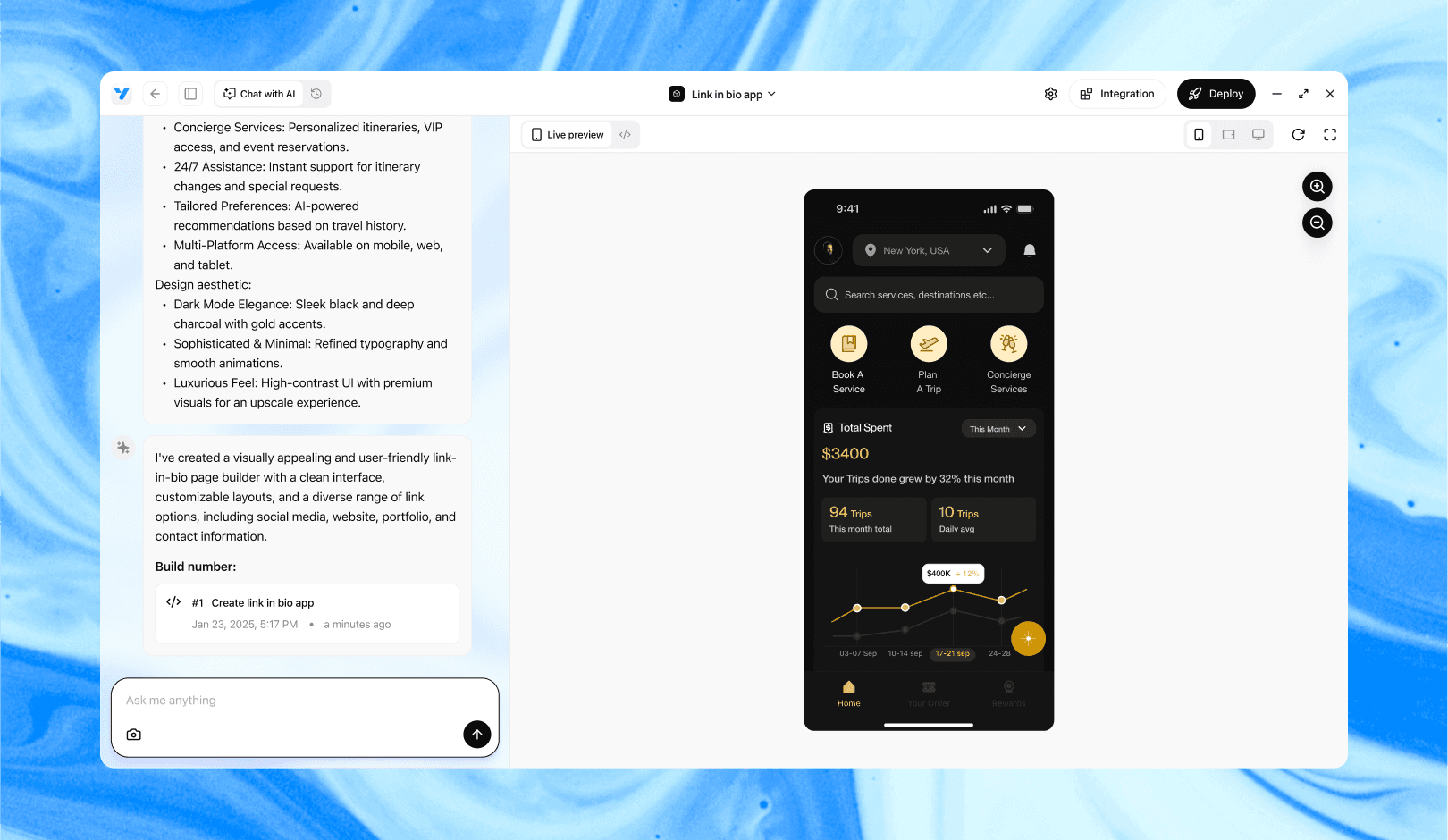
Vibe Studio, powered by Steve’s advanced AI agents, is a revolutionary no-code, conversational platform that empowers users to quickly and efficiently create full-stack Flutter applications integrated seamlessly with Firebase backend services. Ideal for solo founders, startups, and agile engineering teams, Vibe Studio allows users to visually manage and deploy Flutter apps, greatly accelerating the development process. The intuitive conversational interface simplifies complex development tasks, making app creation accessible even for non-coders.

Conclusion

Streaming large files in flutter mobile development without UI jank requires moving byte-oriented work into background isolates and using a chunked pipeline: download in chunks, send to an isolate for processing and disk writes, and report progress back to the UI. This approach keeps memory bounded, improves responsiveness, and gives you control over error handling and resume logic. Use robust messaging and resource cleanup in the worker to make streaming production-ready.


Introduction

Streaming very large files (hundreds of megabytes or gigabytes) on mobile can block the UI if done on the main thread. In flutter mobile development, isolates provide a way to move CPU- and I/O-bound work off the UI thread. This tutorial shows a practical pattern: chunked streaming using a background isolate to download, process, and persist large files while keeping the UI responsive and conserving memory.

Why Use Background Isolates

Dart runs code on a single thread per isolate. Heavy streaming and disk writes will contend with UI frames if executed on the main isolate. In flutter apps, you should isolate long-running tasks to avoid jank. Background isolates let you:

  • Run blocking I/O without freezing animations or gestures.

  • Process data (decompression, hashing) as it arrives.

  • Keep memory usage predictable by handling chunks instead of whole files.

Note: isolates do not share memory. Use SendPort/ReceivePort to pass messages and transfer typed data like Uint8List chunks.

Designing A Chunked Streaming Flow

A robust flow separates concerns: network download, streaming transform, and disk write. Typical components:

  • Network fetcher: reads bytes in chunks from HttpClient or an SDK that supports streaming.

  • Worker isolate: receives chunks, optionally transforms (decrypt, decompress), writes to a temporary file, and reports progress.

  • Main isolate: spawns worker, displays progress, and handles cancellation or errors.

Choose chunk sizes to balance throughput and memory: 64KB–1MB is common. Larger chunks reduce syscall overhead but increase memory use.

Implementing The Isolate Worker

Spawn an isolate and send it a SendPort and configuration. The worker listens for chunk messages and writes them to disk. Use ReceivePort on the main isolate to receive progress updates and completion signals.

Example main-isolate spawn and message routing:

// Main isolate: spawn worker and forward chunk streams
final receive = ReceivePort();
Isolate.spawn(isolateEntry, receive.sendPort);
final sendPort = await receive.first as SendPort;

// Later: sendPort.send({'type': 'chunk', 'data': chunkUint8List});
// Listen for progress updates on another ReceivePort passed into worker

Example worker entry that writes incoming chunks to a file (simplified):

void isolateEntry(SendPort mainSend) async {
  final control = ReceivePort();
  mainSend.send(control.sendPort);

  final file = File('/path/to/tmp');
  final raf = await file.open(mode: FileMode.write);

  await for (final msg in control) {
    if (msg == 'close') break;
    if (msg is Uint8List) {
      await raf.writeFrom(msg);
      mainSend.send({'progress': msg.length});
    }
  }

  await raf.close();
  mainSend.send('done');
}

In production, send structured maps for control messages (chunk, pause, resume, cancel) and ensure the worker flushes and closes the file on cancellation.

Handling Errors And Platform Constraints

Network interruptions, disk full conditions, and permissions must be handled gracefully. Recommendations:

  • Validate file system permissions (Android scoped storage, iOS sandboxing) before spawning long writes.

  • Use small, idempotent writes so you can resume after an error. Persist a minimal manifest (offset, temp path) to resume.

  • Timeouts: detect stalled downloads and abort the worker cleanly.

  • Cancellation: send a cancel command to the worker; have it stop accepting new chunks, flush, close, and reply with a state message.

Profiling: measure CPU and memory while streaming. On older devices you may need smaller chunk sizes or to rely on platform-native download managers for very large file transfers.

Vibe Studio

Vibe Studio, powered by Steve’s advanced AI agents, is a revolutionary no-code, conversational platform that empowers users to quickly and efficiently create full-stack Flutter applications integrated seamlessly with Firebase backend services. Ideal for solo founders, startups, and agile engineering teams, Vibe Studio allows users to visually manage and deploy Flutter apps, greatly accelerating the development process. The intuitive conversational interface simplifies complex development tasks, making app creation accessible even for non-coders.

Conclusion

Streaming large files in flutter mobile development without UI jank requires moving byte-oriented work into background isolates and using a chunked pipeline: download in chunks, send to an isolate for processing and disk writes, and report progress back to the UI. This approach keeps memory bounded, improves responsiveness, and gives you control over error handling and resume logic. Use robust messaging and resource cleanup in the worker to make streaming production-ready.

Build Flutter Apps Faster with Vibe Studio

Build Flutter Apps Faster with Vibe Studio

Build Flutter Apps Faster with Vibe Studio

Build Flutter Apps Faster with Vibe Studio

Vibe Studio is your AI-powered Flutter development companion. Skip boilerplate, build in real-time, and deploy without hassle. Start creating apps at lightning speed with zero setup.

Vibe Studio is your AI-powered Flutter development companion. Skip boilerplate, build in real-time, and deploy without hassle. Start creating apps at lightning speed with zero setup.

Vibe Studio is your AI-powered Flutter development companion. Skip boilerplate, build in real-time, and deploy without hassle. Start creating apps at lightning speed with zero setup.

Vibe Studio is your AI-powered Flutter development companion. Skip boilerplate, build in real-time, and deploy without hassle. Start creating apps at lightning speed with zero setup.

Other Insights

Other Insights

Other Insights

Other Insights

Join a growing community of builders today

Join a growing community of builders today

Join a growing community of builders today

Join a growing community of builders today

Join a growing community of builders today

28-07 Jackson Ave

Walturn

New York NY 11101 United States

© Steve • All Rights Reserved 2025

28-07 Jackson Ave

Walturn

New York NY 11101 United States

© Steve • All Rights Reserved 2025

28-07 Jackson Ave

Walturn

New York NY 11101 United States

© Steve • All Rights Reserved 2025

28-07 Jackson Ave

Walturn

New York NY 11101 United States

© Steve • All Rights Reserved 2025

28-07 Jackson Ave

Walturn

New York NY 11101 United States

© Steve • All Rights Reserved 2025

28-07 Jackson Ave

Walturn

New York NY 11101 United States

© Steve • All Rights Reserved 2025