State Management With ValueNotifier And ChangeNotifier For Small Apps
Summary
Summary
Summary
Summary

This tutorial explains how to use ValueNotifier and ChangeNotifier for state management in Flutter mobile development. Use ValueNotifier + ValueListenableBuilder for single-value state and ChangeNotifier + AnimatedBuilder or InheritedNotifier for multi-field models. Keep notifiers small, dispose them properly, and batch updates to avoid unnecessary rebuilds—ideal for small apps where low overhead and testability matter.

This tutorial explains how to use ValueNotifier and ChangeNotifier for state management in Flutter mobile development. Use ValueNotifier + ValueListenableBuilder for single-value state and ChangeNotifier + AnimatedBuilder or InheritedNotifier for multi-field models. Keep notifiers small, dispose them properly, and batch updates to avoid unnecessary rebuilds—ideal for small apps where low overhead and testability matter.

This tutorial explains how to use ValueNotifier and ChangeNotifier for state management in Flutter mobile development. Use ValueNotifier + ValueListenableBuilder for single-value state and ChangeNotifier + AnimatedBuilder or InheritedNotifier for multi-field models. Keep notifiers small, dispose them properly, and batch updates to avoid unnecessary rebuilds—ideal for small apps where low overhead and testability matter.

This tutorial explains how to use ValueNotifier and ChangeNotifier for state management in Flutter mobile development. Use ValueNotifier + ValueListenableBuilder for single-value state and ChangeNotifier + AnimatedBuilder or InheritedNotifier for multi-field models. Keep notifiers small, dispose them properly, and batch updates to avoid unnecessary rebuilds—ideal for small apps where low overhead and testability matter.

Key insights:
Key insights:
Key insights:
Key insights:
  • When To Use ValueNotifier: Best for single values or small immutable payloads; pair with ValueListenableBuilder for scoped rebuilds.

  • When To Use ChangeNotifier: Use for small, multi-field models; expose methods that mutate state and call notifyListeners().

  • Wiring Notifiers To Widgets: ValueListenableBuilder and AnimatedBuilder/InheritiedNotifier connect notifiers with minimal boilerplate.

  • Best Practices And Pitfalls: Keep notifiers focused, dispose them, guard notifyListeners frequency, and prefer read-only getters.

  • Testing And Performance: Notifiers are synchronous and easy to unit test; batching and equality checks reduce unnecessary rebuilds.

Introduction

State management choices shape code complexity in Flutter mobile development. For small apps and simple features, introducing large frameworks (Redux, Bloc) often adds unnecessary boilerplate. Flutter includes two lightweight primitives—ValueNotifier and ChangeNotifier—that cover most small-app needs with minimal complexity. This tutorial explains when to use each, how to wire them into widgets, and practical patterns you can apply immediately.

When To Use ValueNotifier

ValueNotifier wraps a single mutable value and implements ValueListenable. Use it when the state is one value or a small immutable structure you replace as a whole (int, String, enum, small model). It’s perfect for counters, text fields, selected indices, toggles, or derived UI state.

ValueNotifier is trivial to use with ValueListenableBuilder which rebuilds only the subtree that depends on the value. This keeps rebuild scope small and explicit.

final ValueNotifier<int> counter = ValueNotifier<int>(0);

// In a widget:
ValueListenableBuilder<int>(
  valueListenable: counter,
  builder: (context, value, _) => Text('$value'),
);
// increment: counter.value++;

ValueNotifier is fast and predictable. Because it exposes a single value, it’s easy to test and reason about. Avoid stuffing lots of fields into a single ValueNotifier; prefer small, focused notifiers.

When To Use ChangeNotifier

ChangeNotifier is a general-purpose observable that manages multiple fields and exposes notifyListeners(). Use it when state has multiple properties or when you need convenience methods that mutate internal fields and notify observers.

ChangeNotifier is not inherently scoped; you decide how to provide it to the widget tree (constructor parameters, InheritedNotifier, provider package). Unlike ValueNotifier, it is not typed to a single value; this makes it more flexible but also easier to mutate in uncontrolled ways. Keep ChangeNotifier classes small and cohesive.

Example ChangeNotifier class:

class CounterModel extends ChangeNotifier {
  int _count = 0;
  int get count => _count;
  void increment() { _count++; notifyListeners(); }
}

Use ChangeNotifier when you need to coordinate multiple widgets from one place: form state with validation flags, a small list cache, or UI preferences.

Wiring Notifiers To Widgets

ValueNotifier: use ValueListenableBuilder to listen and rebuild only what’s necessary. Because ValueListenableBuilder avoids calling build on unrelated parents, it reduces repaint cost.

ChangeNotifier: you can use AnimatedBuilder (takes a Listenable) or an InheritedNotifier to expose the notifier down the tree. For quick local use, pass the model via constructor and wrap the dependent subtree with AnimatedBuilder:

final model = CounterModel();

AnimatedBuilder(
  animation: model,
  builder: (_, __) => Text('Count: ${model.count}'),
);

For app-scoped state, prefer a simple provider pattern: create an InheritedNotifier or use the provider package to expose your ChangeNotifier. The provider package is small and idiomatic for Flutter, but you can avoid external dependencies by using InheritedNotifier directly when you want minimal surface area.

Best Practices And Pitfalls

  • Keep notifiers small and focused. One notifier per conceptual area (form, cart, preferences) prevents sprawl.

  • Prefer immutable payloads for ValueNotifier where possible. Replacing the whole value makes changes explicit and easy to test.

  • Avoid leaking implementation details. Expose read-only getters where consumers should not mutate state directly.

  • Remember lifecycle: dispose notifiers when widgets are removed to avoid memory leaks (use State.dispose or Provider.autoDispose patterns).

  • Be cautious with notifyListeners frequency. Batch changes where possible or guard with equality checks to avoid unnecessary rebuilds.

  • For derived state, compute lazily or in getters; call notifyListeners only when derived outputs actually change.

Testing is straightforward: instantiate the notifier, call methods, and assert state or that listeners were invoked. Because these classes are synchronous, tests are deterministic and fast.

Vibe Studio
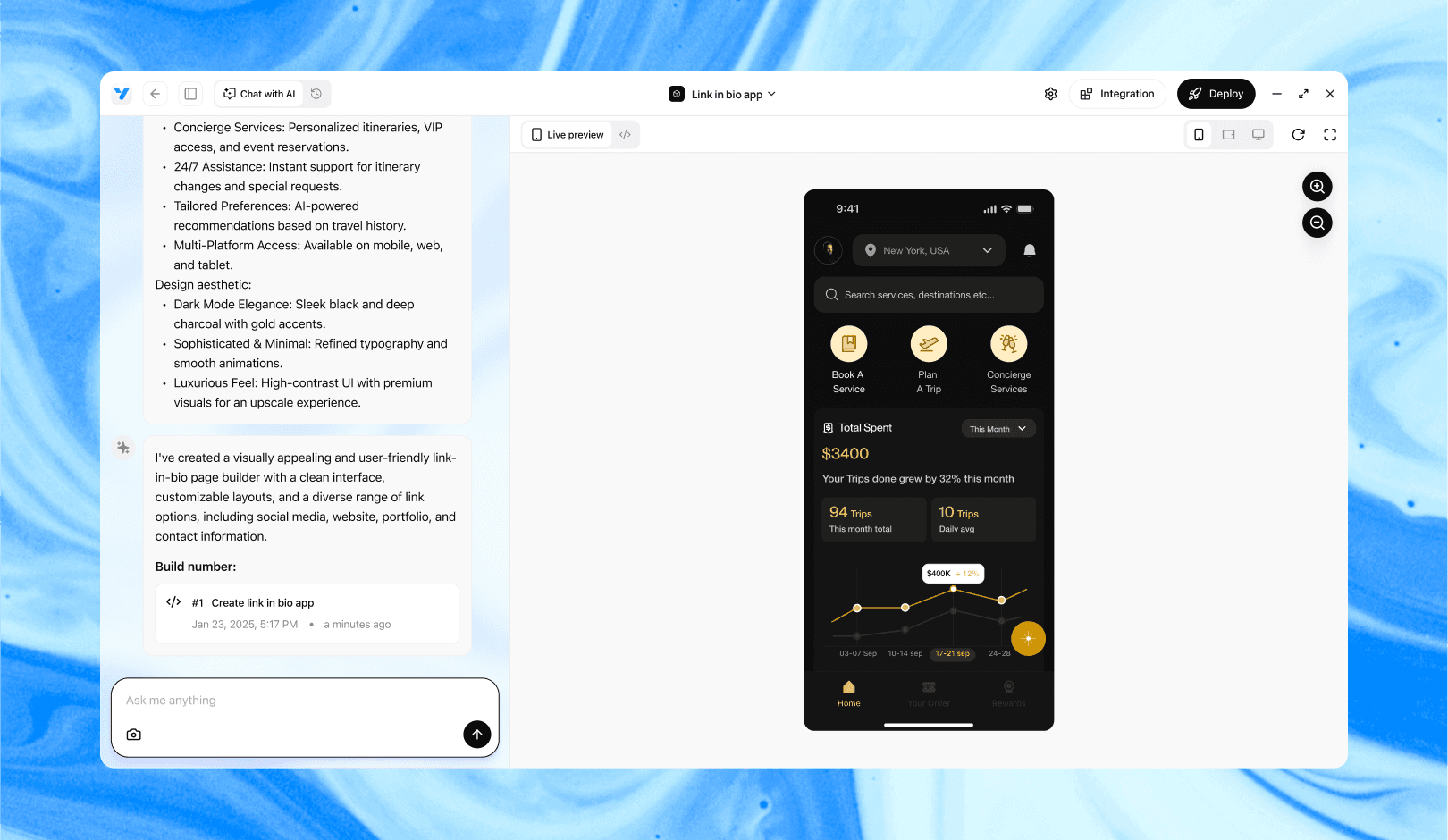
Vibe Studio, powered by Steve’s advanced AI agents, is a revolutionary no-code, conversational platform that empowers users to quickly and efficiently create full-stack Flutter applications integrated seamlessly with Firebase backend services. Ideal for solo founders, startups, and agile engineering teams, Vibe Studio allows users to visually manage and deploy Flutter apps, greatly accelerating the development process. The intuitive conversational interface simplifies complex development tasks, making app creation accessible even for non-coders.

Conclusion

ValueNotifier and ChangeNotifier are low-ceremony, built-in state management primitives that fit many small Flutter mobile development needs. ValueNotifier is ideal for single-value or localized state; ChangeNotifier works better for small, multi-field models and exposes a familiar object-oriented API. Use ValueListenableBuilder and AnimatedBuilder (or InheritedNotifier/provider) to connect notifiers to the widget tree, keep notifiers focused, and dispose them appropriately. For small apps, these tools offer a pragmatic, testable, and performant approach without added complexity.

Introduction

State management choices shape code complexity in Flutter mobile development. For small apps and simple features, introducing large frameworks (Redux, Bloc) often adds unnecessary boilerplate. Flutter includes two lightweight primitives—ValueNotifier and ChangeNotifier—that cover most small-app needs with minimal complexity. This tutorial explains when to use each, how to wire them into widgets, and practical patterns you can apply immediately.

When To Use ValueNotifier

ValueNotifier wraps a single mutable value and implements ValueListenable. Use it when the state is one value or a small immutable structure you replace as a whole (int, String, enum, small model). It’s perfect for counters, text fields, selected indices, toggles, or derived UI state.

ValueNotifier is trivial to use with ValueListenableBuilder which rebuilds only the subtree that depends on the value. This keeps rebuild scope small and explicit.

final ValueNotifier<int> counter = ValueNotifier<int>(0);

// In a widget:
ValueListenableBuilder<int>(
  valueListenable: counter,
  builder: (context, value, _) => Text('$value'),
);
// increment: counter.value++;

ValueNotifier is fast and predictable. Because it exposes a single value, it’s easy to test and reason about. Avoid stuffing lots of fields into a single ValueNotifier; prefer small, focused notifiers.

When To Use ChangeNotifier

ChangeNotifier is a general-purpose observable that manages multiple fields and exposes notifyListeners(). Use it when state has multiple properties or when you need convenience methods that mutate internal fields and notify observers.

ChangeNotifier is not inherently scoped; you decide how to provide it to the widget tree (constructor parameters, InheritedNotifier, provider package). Unlike ValueNotifier, it is not typed to a single value; this makes it more flexible but also easier to mutate in uncontrolled ways. Keep ChangeNotifier classes small and cohesive.

Example ChangeNotifier class:

class CounterModel extends ChangeNotifier {
  int _count = 0;
  int get count => _count;
  void increment() { _count++; notifyListeners(); }
}

Use ChangeNotifier when you need to coordinate multiple widgets from one place: form state with validation flags, a small list cache, or UI preferences.

Wiring Notifiers To Widgets

ValueNotifier: use ValueListenableBuilder to listen and rebuild only what’s necessary. Because ValueListenableBuilder avoids calling build on unrelated parents, it reduces repaint cost.

ChangeNotifier: you can use AnimatedBuilder (takes a Listenable) or an InheritedNotifier to expose the notifier down the tree. For quick local use, pass the model via constructor and wrap the dependent subtree with AnimatedBuilder:

final model = CounterModel();

AnimatedBuilder(
  animation: model,
  builder: (_, __) => Text('Count: ${model.count}'),
);

For app-scoped state, prefer a simple provider pattern: create an InheritedNotifier or use the provider package to expose your ChangeNotifier. The provider package is small and idiomatic for Flutter, but you can avoid external dependencies by using InheritedNotifier directly when you want minimal surface area.

Best Practices And Pitfalls

  • Keep notifiers small and focused. One notifier per conceptual area (form, cart, preferences) prevents sprawl.

  • Prefer immutable payloads for ValueNotifier where possible. Replacing the whole value makes changes explicit and easy to test.

  • Avoid leaking implementation details. Expose read-only getters where consumers should not mutate state directly.

  • Remember lifecycle: dispose notifiers when widgets are removed to avoid memory leaks (use State.dispose or Provider.autoDispose patterns).

  • Be cautious with notifyListeners frequency. Batch changes where possible or guard with equality checks to avoid unnecessary rebuilds.

  • For derived state, compute lazily or in getters; call notifyListeners only when derived outputs actually change.

Testing is straightforward: instantiate the notifier, call methods, and assert state or that listeners were invoked. Because these classes are synchronous, tests are deterministic and fast.

Vibe Studio

Vibe Studio, powered by Steve’s advanced AI agents, is a revolutionary no-code, conversational platform that empowers users to quickly and efficiently create full-stack Flutter applications integrated seamlessly with Firebase backend services. Ideal for solo founders, startups, and agile engineering teams, Vibe Studio allows users to visually manage and deploy Flutter apps, greatly accelerating the development process. The intuitive conversational interface simplifies complex development tasks, making app creation accessible even for non-coders.

Conclusion

ValueNotifier and ChangeNotifier are low-ceremony, built-in state management primitives that fit many small Flutter mobile development needs. ValueNotifier is ideal for single-value or localized state; ChangeNotifier works better for small, multi-field models and exposes a familiar object-oriented API. Use ValueListenableBuilder and AnimatedBuilder (or InheritedNotifier/provider) to connect notifiers to the widget tree, keep notifiers focused, and dispose them appropriately. For small apps, these tools offer a pragmatic, testable, and performant approach without added complexity.

Build Flutter Apps Faster with Vibe Studio

Vibe Studio is your AI-powered Flutter development companion. Skip boilerplate, build in real-time, and deploy without hassle. Start creating apps at lightning speed with zero setup.

Other Insights

Join a growing community of builders today

Join a growing community of builders today

Join a growing community of builders today

Join a growing community of builders today

Join a growing community of builders today

28-07 Jackson Ave

Walturn

New York NY 11101 United States

© Steve • All Rights Reserved 2025

28-07 Jackson Ave

Walturn

New York NY 11101 United States

© Steve • All Rights Reserved 2025

28-07 Jackson Ave

Walturn

New York NY 11101 United States

© Steve • All Rights Reserved 2025

28-07 Jackson Ave

Walturn

New York NY 11101 United States

© Steve • All Rights Reserved 2025

28-07 Jackson Ave

Walturn

New York NY 11101 United States

© Steve • All Rights Reserved 2025

28-07 Jackson Ave

Walturn

New York NY 11101 United States

© Steve • All Rights Reserved 2025