Printing And Share Sheets In Flutter Best Practices
Summary
Summary

Best practices for printing and share sheets in Flutter: generate optimized PDFs, invoke native share dialogs (share_plus), handle files/permissions securely, offload heavy work to isolates, and test cross-platform behaviors to ensure reliable UX.

Best practices for printing and share sheets in Flutter: generate optimized PDFs, invoke native share dialogs (share_plus), handle files/permissions securely, offload heavy work to isolates, and test cross-platform behaviors to ensure reliable UX.

Key insights:
Key insights:
  • Generate Portable Content: Produce PDFs with embedded fonts, correct DPI, and temporary file storage for consistent print/share output.

  • Use Platform Share Sheets: Prefer native share dialogs (share_plus) and provide correct MIME types while avoiding custom choosers unless necessary.

  • Manage Files And Permissions: Write to temporary directories, clean up files, and request permissions only when accessing photos or external storage.

  • Test And Error Handling: Automate integration tests for share/print flows, provide informative errors, and allow job cancellation.

  • Performance And Size: Downscale images, stream large assets, and run heavy PDF generation in isolates to avoid UI jank.

Introduction

Printing and share sheets are common features in mobile development that let users export content, generate hard copies, and interact with other apps. In Flutter, implementing them well requires attention to platform differences, file creation, permissions, and UX. This article focuses on practical best practices for producing portable content (PDFs/images), invoking native share/print interfaces, and handling errors, performance, and testing.

Generate Portable Content

Always generate platform-agnostic artifacts. PDFs are the most portable for printing and sharing because they preserve layout across devices. Use libraries such as pdf (dart_pdf) to programmatically compose pages and assets. Keep these tips in mind:

  • Create content at the correct DPI for print (300 dpi for images) and vectorize where possible (text, shapes) so output remains crisp.

  • Embed fonts you need or fall back to system fonts; inconsistencies cause layout shifts when printing.

  • Limit in-memory image sizes; downscale large photos before embedding to avoid OOM on low-memory devices.

  • Produce the PDF into a temporary file rather than returning raw bytes to the UI layer. This simplifies sharing and printing APIs.

Example: create and save a simple PDF using the pdf package and write to a temp file.

import 'dart:io';
import 'package:pdf/widgets.dart' as pw;
import 'package:path_provider/path_provider.dart';

Future<File> buildPdfFile() async {
  final pdf = pw.Document();
  pdf.addPage(pw.Page(build: (_) => pw.Center(child: pw.Text('Report'))));
  final dir = await getTemporaryDirectory();
  final file = File('${dir.path}/report.pdf');
  await file.writeAsBytes(await pdf.save());
  return file;
}

Use Platform Share Sheets

For sharing, prefer existing packages that surface native share sheets, such as share_plus. Native sheets provide familiar UX and handle inter-app routing. Best practices:

  • Share files with correct MIME types; many apps use MIME to decide how to handle content.

  • When offering multiple share targets, let the OS present options; don’t build a custom chooser unless you need special behavior.

  • If you want a print preview, present a small in-app preview and then call the native print dialog.

Example: share a generated PDF file.

import 'package:share_plus/share_plus.dart';

Future<void> shareFile(String path) async {
  await Share.shareXFiles([XFile(path)], text: 'Here is the report.');
}

Manage Files And Permissions

Temporary files: write to getTemporaryDirectory() and delete after use. Avoid cluttering persistent storage. On Android, prefer FileProvider-backed URIs (the share_plus package handles this), and on iOS use the native share dialog which manages sandboxed files.

Permissions: printing and sharing rarely require explicit runtime permissions, but if you access photos or external storage to attach assets, request and explain permissions upfront. Follow platform guidelines for permission rationale to prevent rejections in app stores.

Security: when attaching sensitive documents, consider encryption and time-limited links rather than leaving files on disk. If your sharing flows use backend links, sign them and expire them.

Test And Error Handling

Testing: automate end-to-end flows where possible. Use integration tests on device farms or emulators to validate share and print dialogs open and that expected apps appear for sharing. Unit-test PDF generation logic by validating byte length, page count, and embedded metadata.

Errors: handle failures gracefully. Common failures include out-of-memory while building PDFs, missing fonts, unsupported MIME types on target apps, and user cancellation. Provide informative user-facing errors and retry options. For printing, detect and report printer unavailability or network errors for cloud printers.

UX: show activity indicators during generation and block repeated taps. Provide inline previews, and if generation is long, allow the user to cancel the job.

Accessibility: ensure share buttons have semantic labels, and previews are readable by screen readers. For printed content, include accessible metadata (document title, author) in the PDF metadata so assistive technologies can identify the document.

Performance: generate documents on background isolates if creation is CPU-bound. This keeps the UI responsive and avoids jank. When embedding many images, stream them or use placeholders.

Vibe Studio
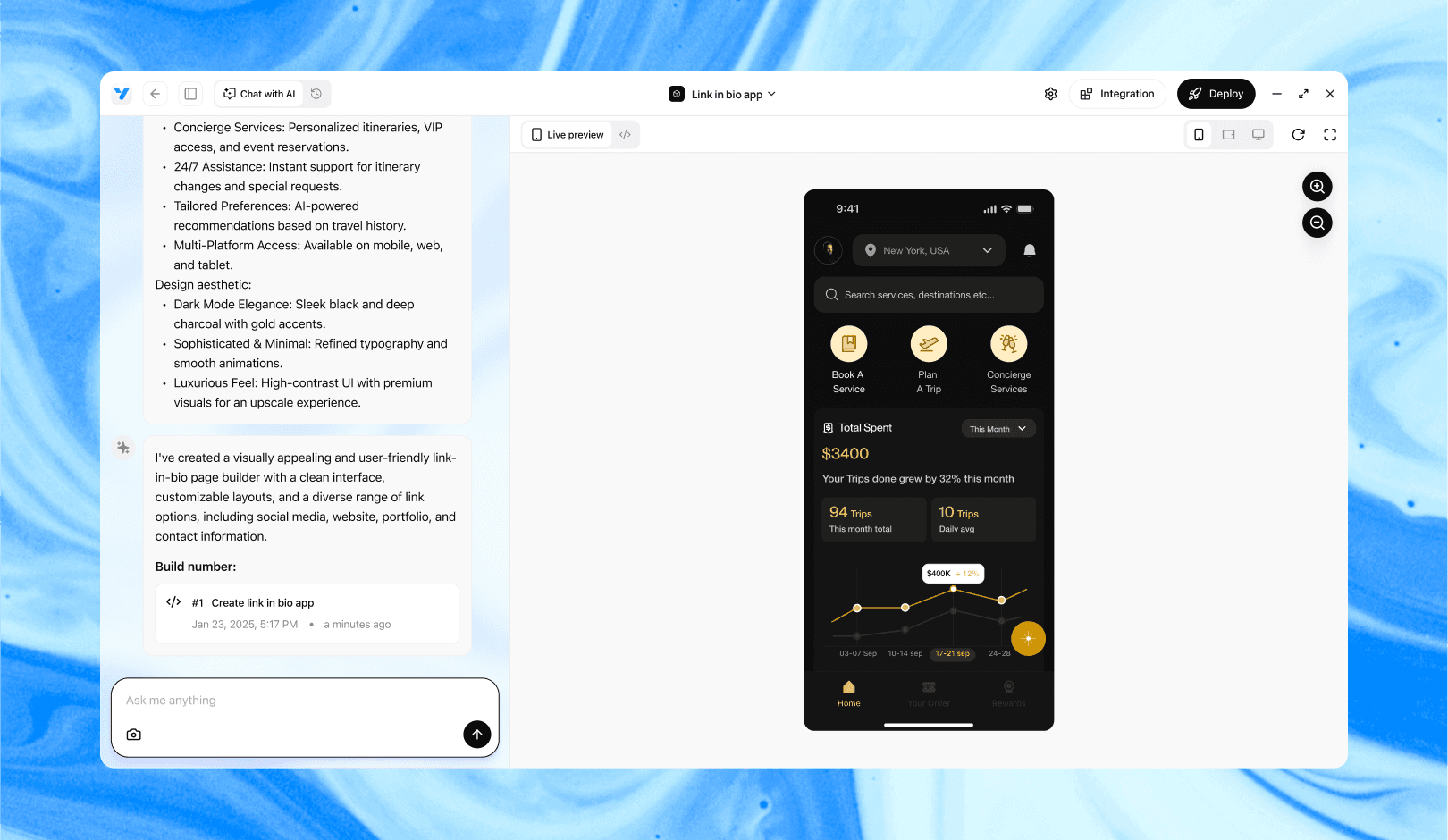
Vibe Studio, powered by Steve’s advanced AI agents, is a revolutionary no-code, conversational platform that empowers users to quickly and efficiently create full-stack Flutter applications integrated seamlessly with Firebase backend services. Ideal for solo founders, startups, and agile engineering teams, Vibe Studio allows users to visually manage and deploy Flutter apps, greatly accelerating the development process. The intuitive conversational interface simplifies complex development tasks, making app creation accessible even for non-coders.

Conclusion

Printing and sharing in Flutter require careful handling of file formats, platform APIs, and user experience. Generate portable, optimized PDFs, use native share sheets for consistency, manage temporary files and permissions responsibly, and test across platforms and printer targets. Following these best practices leads to reliable, performant, and accessible print and share features in your mobile development projects.

Introduction

Printing and share sheets are common features in mobile development that let users export content, generate hard copies, and interact with other apps. In Flutter, implementing them well requires attention to platform differences, file creation, permissions, and UX. This article focuses on practical best practices for producing portable content (PDFs/images), invoking native share/print interfaces, and handling errors, performance, and testing.

Generate Portable Content

Always generate platform-agnostic artifacts. PDFs are the most portable for printing and sharing because they preserve layout across devices. Use libraries such as pdf (dart_pdf) to programmatically compose pages and assets. Keep these tips in mind:

  • Create content at the correct DPI for print (300 dpi for images) and vectorize where possible (text, shapes) so output remains crisp.

  • Embed fonts you need or fall back to system fonts; inconsistencies cause layout shifts when printing.

  • Limit in-memory image sizes; downscale large photos before embedding to avoid OOM on low-memory devices.

  • Produce the PDF into a temporary file rather than returning raw bytes to the UI layer. This simplifies sharing and printing APIs.

Example: create and save a simple PDF using the pdf package and write to a temp file.

import 'dart:io';
import 'package:pdf/widgets.dart' as pw;
import 'package:path_provider/path_provider.dart';

Future<File> buildPdfFile() async {
  final pdf = pw.Document();
  pdf.addPage(pw.Page(build: (_) => pw.Center(child: pw.Text('Report'))));
  final dir = await getTemporaryDirectory();
  final file = File('${dir.path}/report.pdf');
  await file.writeAsBytes(await pdf.save());
  return file;
}

Use Platform Share Sheets

For sharing, prefer existing packages that surface native share sheets, such as share_plus. Native sheets provide familiar UX and handle inter-app routing. Best practices:

  • Share files with correct MIME types; many apps use MIME to decide how to handle content.

  • When offering multiple share targets, let the OS present options; don’t build a custom chooser unless you need special behavior.

  • If you want a print preview, present a small in-app preview and then call the native print dialog.

Example: share a generated PDF file.

import 'package:share_plus/share_plus.dart';

Future<void> shareFile(String path) async {
  await Share.shareXFiles([XFile(path)], text: 'Here is the report.');
}

Manage Files And Permissions

Temporary files: write to getTemporaryDirectory() and delete after use. Avoid cluttering persistent storage. On Android, prefer FileProvider-backed URIs (the share_plus package handles this), and on iOS use the native share dialog which manages sandboxed files.

Permissions: printing and sharing rarely require explicit runtime permissions, but if you access photos or external storage to attach assets, request and explain permissions upfront. Follow platform guidelines for permission rationale to prevent rejections in app stores.

Security: when attaching sensitive documents, consider encryption and time-limited links rather than leaving files on disk. If your sharing flows use backend links, sign them and expire them.

Test And Error Handling

Testing: automate end-to-end flows where possible. Use integration tests on device farms or emulators to validate share and print dialogs open and that expected apps appear for sharing. Unit-test PDF generation logic by validating byte length, page count, and embedded metadata.

Errors: handle failures gracefully. Common failures include out-of-memory while building PDFs, missing fonts, unsupported MIME types on target apps, and user cancellation. Provide informative user-facing errors and retry options. For printing, detect and report printer unavailability or network errors for cloud printers.

UX: show activity indicators during generation and block repeated taps. Provide inline previews, and if generation is long, allow the user to cancel the job.

Accessibility: ensure share buttons have semantic labels, and previews are readable by screen readers. For printed content, include accessible metadata (document title, author) in the PDF metadata so assistive technologies can identify the document.

Performance: generate documents on background isolates if creation is CPU-bound. This keeps the UI responsive and avoids jank. When embedding many images, stream them or use placeholders.

Vibe Studio

Vibe Studio, powered by Steve’s advanced AI agents, is a revolutionary no-code, conversational platform that empowers users to quickly and efficiently create full-stack Flutter applications integrated seamlessly with Firebase backend services. Ideal for solo founders, startups, and agile engineering teams, Vibe Studio allows users to visually manage and deploy Flutter apps, greatly accelerating the development process. The intuitive conversational interface simplifies complex development tasks, making app creation accessible even for non-coders.

Conclusion

Printing and sharing in Flutter require careful handling of file formats, platform APIs, and user experience. Generate portable, optimized PDFs, use native share sheets for consistency, manage temporary files and permissions responsibly, and test across platforms and printer targets. Following these best practices leads to reliable, performant, and accessible print and share features in your mobile development projects.

Build Flutter Apps Faster with Vibe Studio

Vibe Studio is your AI-powered Flutter development companion. Skip boilerplate, build in real-time, and deploy without hassle. Start creating apps at lightning speed with zero setup.

Other Insights

Join a growing community of builders today

Join a growing community of builders today

Join a growing community of builders today

Join a growing community of builders today

Join a growing community of builders today

28-07 Jackson Ave

Walturn

New York NY 11101 United States

© Steve • All Rights Reserved 2025

28-07 Jackson Ave

Walturn

New York NY 11101 United States

© Steve • All Rights Reserved 2025

28-07 Jackson Ave

Walturn

New York NY 11101 United States

© Steve • All Rights Reserved 2025

28-07 Jackson Ave

Walturn

New York NY 11101 United States

© Steve • All Rights Reserved 2025

28-07 Jackson Ave

Walturn

New York NY 11101 United States

© Steve • All Rights Reserved 2025

28-07 Jackson Ave

Walturn

New York NY 11101 United States

© Steve • All Rights Reserved 2025