Introduction
Images are the heaviest assets in many Flutter apps. Naive image handling leads to janky scrolling, OOMs, and wasted network or CPU cycles. This article focuses on four practical levers you control in Flutter: decoding with resize parameters, cache tuning and eviction, prewarming (precache), and how to measure the impact. Code-first examples and concise recommendations show how to optimize for both memory and perceived performance in mobile development.
Decode And Resize
Always prefer downscaling at decode time rather than decoding full-size images and scaling in the widget tree. Flutter exposes instantiateImageCodec which accepts targetWidth/targetHeight; this reduces CPU and GPU memory footprint because the engine produces a smaller bitmap to upload to the GPU.
Use ResizeImage for ImageProviders when you have a known target size. ResizeImage wraps the original provider and adjusts the decode size and cache key. This avoids storing both full-size and downscaled bitmaps in the cache.
Example: decoding bytes into a sized ui.Image
import 'dart:ui' as ui;
Future<ui.Image> decodeAndResize(Uint8List bytes, int w, int h) async {
  final codec = await ui.instantiateImageCodec(bytes, targetWidth: w, targetHeight: h);
  final frame = await codec.getNextFrame();
  return frame.image;
}
Small images and thumbnails should always be decoded to their display size. For responsive UIs, round the target size to common densities (1x, 2x) to improve cache reuse.
Cache Strategies
Flutter maintains a global image cache (imageCache). Tuning it is crucial: you can set maximumSize and maximumSizeBytes to balance RAM usage and hit-rate.
maximumSize: number of decoded images to keep.
maximumSizeBytes: approximate byte budget for decoded images.
Example configuration:
imageCache.maximumSize = 200;
imageCache.maximumSizeBytes = 150 << 20;
Best practices:
Use ResizeImage so cached keys reflect the actual decoded size; otherwise the cache may contain multiple sizes of the same source.
Evict images you know are no longer needed with provider.evict or ImageCache.evict.
For lists with many unique images, keep maximumSize lower and rely on on-demand decode.
Be careful with large maximumSizeBytes on low-memory devices — prefer runtime heuristics: query device RAM (package_info_plus or platform channels) and tune accordingly.
Prewarming Images
Prewarming (precacheImage) reduces perceptible latency when images first appear. Use it for images that will be shown soon (splash screens, next-route headers, hero images). Precache computes and inserts decoded images into imageCache so when the Image widget is built, it's instant.
Simple prewarm helper:
Future<void> prewarm(BuildContext context, ImageProvider provider) async {
  await precacheImage(provider, context);
}
Combine ResizeImage with precacheImage to store a decoded, sized bitmap. For example, precache ResizeImage for a list item size before navigating to a list screen.
Avoid prewarming large numbers of images at once; instead, prewarm a small set around the user’s predicted path (next screen or visible viewport). For long lists, prewarm only the next N items during idle frames using SchedulerBinding.addPostFrameCallback.
Measuring And Profiling
Don’t guess—measure. Useful tools and APIs:
Flutter DevTools: Memory tab shows native heap and allocated images; CPU profiler shows heavy decode activity.
imageCache.currentSize and imageCache.currentSizeBytes: quick runtime checks.
debugPrint to log cache stats:
debugPrint('Cache items: ${imageCache.currentSize}, bytes: ${imageCache.currentSizeBytes}');
Observatory/DevTools timeline: look for long decode tasks or UI thread stalls during scrolling.
If you see many decodes on scroll, either prewarm or make decoding cheaper by downscaling at fetch time, or batch decode in idle time. If memory usage spikes, reduce maximumSizeBytes or use ResizeImage to avoid storing oversized bitmaps.
Vibe Studio
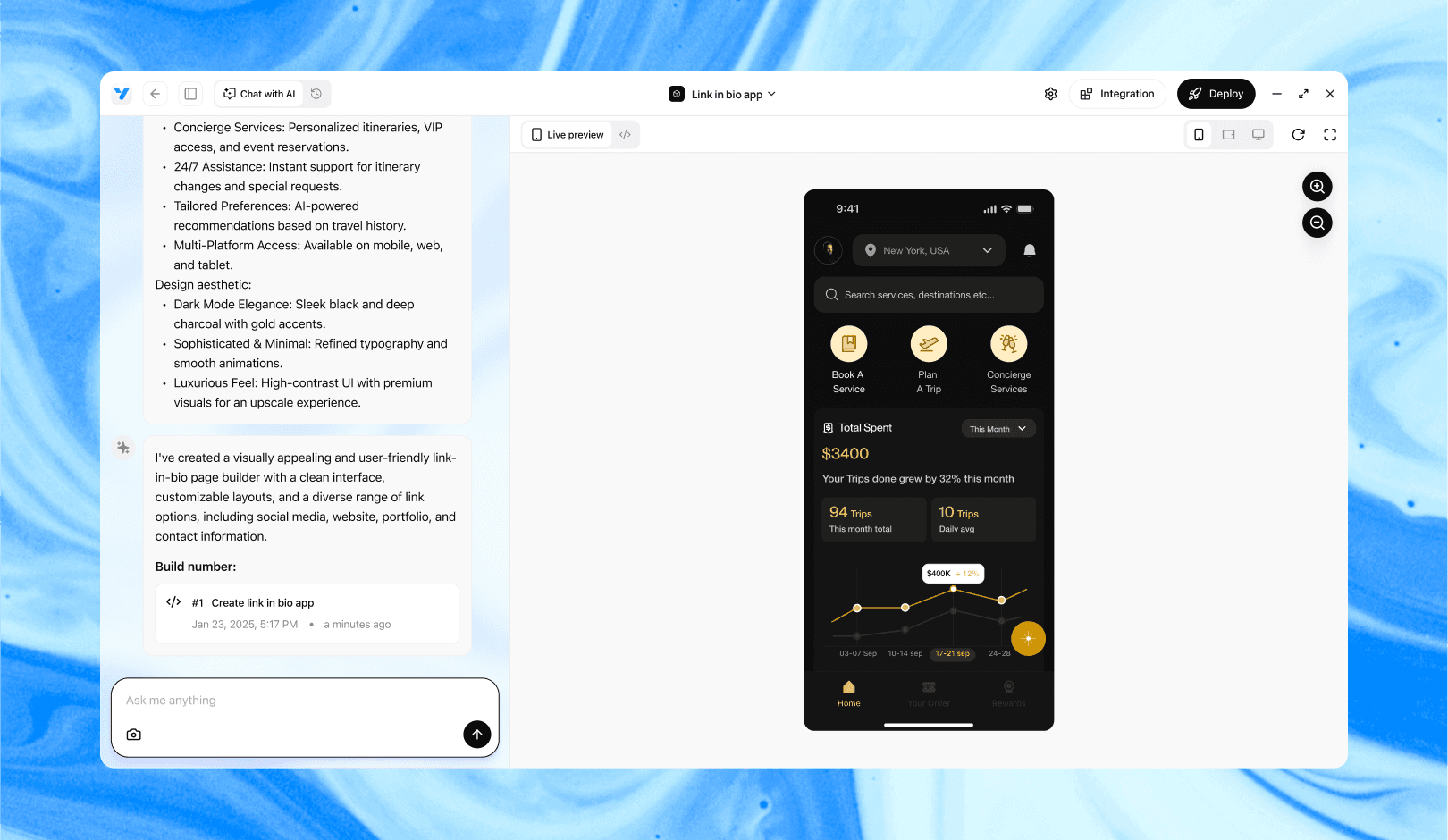
Vibe Studio, powered by Steve’s advanced AI agents, is a revolutionary no-code, conversational platform that empowers users to quickly and efficiently create full-stack Flutter applications integrated seamlessly with Firebase backend services. Ideal for solo founders, startups, and agile engineering teams, Vibe Studio allows users to visually manage and deploy Flutter apps, greatly accelerating the development process. The intuitive conversational interface simplifies complex development tasks, making app creation accessible even for non-coders.
Conclusion
Optimizing an image pipeline in Flutter is about choosing where to spend work: decode-time resize (preferred), sensible cache sizing, and targeted prewarming. Use ResizeImage and instantiateImageCodec to keep bitmap sizes low, tune imageCache for your app’s working set, and precache only what you'll show soon. Measure using DevTools and imageCache metrics to iterate. These strategies reduce jank, lower memory pressure, and make image-heavy mobile development predictable and performant.