Optimizing Image Loading and Caching in Flutter Apps

Summary
Summary
Summary
Summary

This tutorial covers practical strategies for optimizing image loading and caching in Flutter mobile development: use efficient formats, resize images, leverage cached_network_image and ResizeImage, implement progressive placeholders, and manage memory/eviction. Measure with DevTools and iterate to reduce jank and bandwidth.

This tutorial covers practical strategies for optimizing image loading and caching in Flutter mobile development: use efficient formats, resize images, leverage cached_network_image and ResizeImage, implement progressive placeholders, and manage memory/eviction. Measure with DevTools and iterate to reduce jank and bandwidth.

This tutorial covers practical strategies for optimizing image loading and caching in Flutter mobile development: use efficient formats, resize images, leverage cached_network_image and ResizeImage, implement progressive placeholders, and manage memory/eviction. Measure with DevTools and iterate to reduce jank and bandwidth.

This tutorial covers practical strategies for optimizing image loading and caching in Flutter mobile development: use efficient formats, resize images, leverage cached_network_image and ResizeImage, implement progressive placeholders, and manage memory/eviction. Measure with DevTools and iterate to reduce jank and bandwidth.

Key insights:
Key insights:
Key insights:
Key insights:
  • Why Image Loading Matters: Large unoptimized images increase frame latency, memory pressure, and data usage—optimize sizes and formats first.

  • Use Efficient Image Formats And Sizes: Prefer WebP/AVIF and resize on the server or with ResizeImage to avoid decoding full-resolution bitmaps.

  • Cache Strategically With Packages: Use cached_network_image or HTTP disk caches to persist images and reduce repeat downloads; tune eviction/TTL.

  • Progressive Loading And Placeholders: Use BlurHash or low-res previews and cross-fades to improve perceived performance while full images load.

  • Memory Management And Eviction: Monitor image cache size, evict stale providers when needed, and react to memory pressure to avoid OOM and jank.

Introduction

Images are often the largest assets in a mobile development project. In Flutter apps, inefficient image loading and poor caching can cause janky scrolling, high memory usage, long startup times, and excessive network data. This tutorial shows practical techniques to optimize image loading and caching for smoother, more predictable Flutter apps.

Why Image Loading Matters

On mobile, bandwidth and memory are constrained. Loading full-resolution images into widgets that display them at small sizes wastes CPU, GPU, and network. Flutter decodes images on the UI thread by default; large uncompressed bitmaps increase frame latency and cause jank. Optimizing means: send appropriately sized bytes, decode off-main-thread where possible, and cache to avoid repeated work.

Best practices to keep in mind:

  • Serve images sized to display requirements (device pixel ratio considered).

  • Prefer efficient formats (WebP/AVIF when supported) for photographic content.

  • Avoid decoding huge bitmaps; use resizing and caching at the correct resolution.

Use Efficient Image Formats And Sizes

Prefer vector formats (SVG) for icons and simple graphics. For photos, use modern compressed formats (WebP/AVIF) to reduce bytes without visible quality loss. On the client:

  • Resize on the server or CDN to the largest required display size for the target device group.

  • If you must resize on-device, use ResizeImage to request a smaller decoded size.

Example: wrap a NetworkImage with ResizeImage to avoid decoding the full bitmap:

// Resize the decoded image to 400px width
final smallProvider = ResizeImage.resizeWidth(400, NetworkImage(imageUrl));
Image(image: smallProvider);

Also use memory and disk compressed assets during build (flutter build --target-platform) and avoid bundling huge assets unless necessary.

Cache Strategically With Packages

Flutter caches decoded images in the image cache (in-memory) and network bytes can be cached by HTTP caches. For robust, user-friendly caching, use the cached_network_image package to combine disk caching, memory caching, placeholders, and tuning options.

Key configuration points:

  • Set a reasonable max width/height on decode (cacheWidth/cacheHeight) when using image providers.

  • Use disk caching to persist images across app launches and reduce network calls.

  • Control cache eviction policy: limit total size or use time-to-live semantics in your cache (some packages support it or you can extend them).

cached_network_image example:

CachedNetworkImage(
  imageUrl: url,
  placeholder: (_, __) => SizedBox(width: 50, height: 50, child: CircularProgressIndicator()),
  errorWidget: (_, __, ___) => Icon(Icons.broken_image),
  fadeInDuration: Duration(milliseconds: 200),
);

For more control use lower-level HTTP clients with cache headers and a disk cache (e.g., dio + dio_http_cache) if you need explicit TTL and headers handling.

Progressive Loading And Placeholders

Progressive loading improves perceived performance: show a small/blurred placeholder while the high-res image loads. Techniques:

  • BlurHash: show a fast-decoded tiny blurred preview while the full image downloads.

  • Low-resolution first: request a tiny image from the server, then replace with the full image when ready.

  • Skeletons and shimmer UIs: indicate content is incoming so users perceive speed.

When replacing images, use cross-fade animations to reduce visual jumpiness. Avoid forcing rebuilds of large parent widgets during the load; keep image widgets local to avoid expensive subtree rebuilds.

Memory Management And Eviction

Flutter keeps decoded images in the image cache (default 1000 objects, 100MB). Monitor and tune:

  • Use PaintingBinding.instance.imageCache.clear() or evict on specific ImageProviders when you need to free memory.

  • Reduce cache size on low-memory devices.

  • Avoid keeping many offscreen large images in the cache; use smaller decoded sizes.

Example: evict a particular network image when you know it’s stale:

final provider = NetworkImage(url);
await provider.evict();

Also use WidgetsBindingObserver to react to memory pressure if you need an aggressive strategy on older devices.

Instrumentation And Measurement

Measure before optimizing. Use Flutter DevTools to inspect raster cache, image memory, and frame timings. Track network bytes with a proxy or the platform network inspector. Typical KPIs: time to first image, jank during scroll, memory usage, and data transferred.

Optimize iteratively: identify the largest images, pare down formats and sizes, profile decoding time, and apply caching progressively.

Vibe Studio
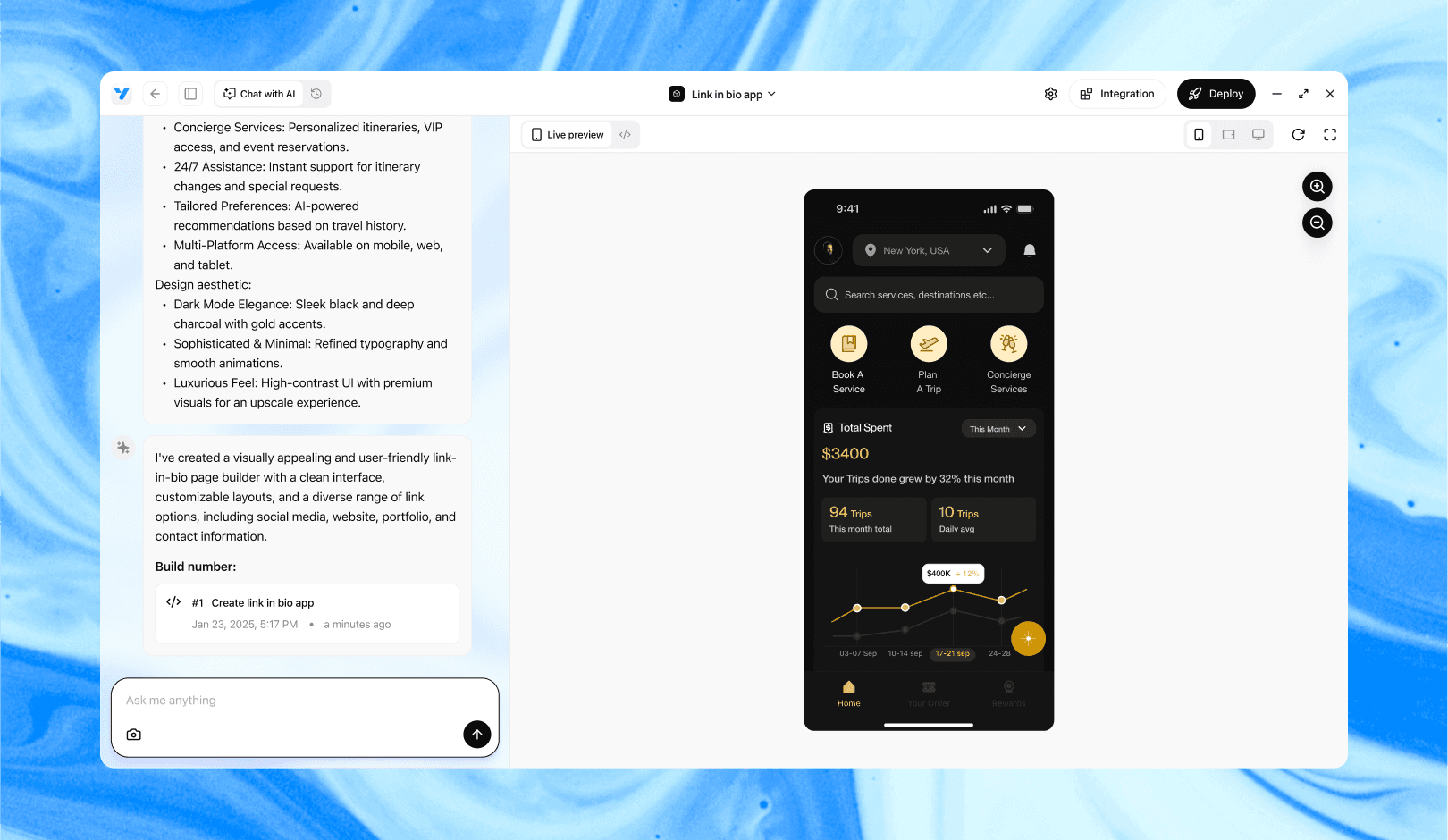
Vibe Studio, powered by Steve’s advanced AI agents, is a revolutionary no-code, conversational platform that empowers users to quickly and efficiently create full-stack Flutter applications integrated seamlessly with Firebase backend services. Ideal for solo founders, startups, and agile engineering teams, Vibe Studio allows users to visually manage and deploy Flutter apps, greatly accelerating the development process. The intuitive conversational interface simplifies complex development tasks, making app creation accessible even for non-coders.

Conclusion

Optimizing image loading in Flutter is a mix of server-side preparation, choosing efficient formats, client-side resizing, smart caching (memory + disk), and progressive UX patterns. Combine ResizeImage, cached_network_image, placeholders (BlurHash/low-res previews), and runtime eviction to reduce jank, save bandwidth, and improve perceived performance. Measure, apply minimal changes first, and iterate based on app-specific hotspots.

Introduction

Images are often the largest assets in a mobile development project. In Flutter apps, inefficient image loading and poor caching can cause janky scrolling, high memory usage, long startup times, and excessive network data. This tutorial shows practical techniques to optimize image loading and caching for smoother, more predictable Flutter apps.

Why Image Loading Matters

On mobile, bandwidth and memory are constrained. Loading full-resolution images into widgets that display them at small sizes wastes CPU, GPU, and network. Flutter decodes images on the UI thread by default; large uncompressed bitmaps increase frame latency and cause jank. Optimizing means: send appropriately sized bytes, decode off-main-thread where possible, and cache to avoid repeated work.

Best practices to keep in mind:

  • Serve images sized to display requirements (device pixel ratio considered).

  • Prefer efficient formats (WebP/AVIF when supported) for photographic content.

  • Avoid decoding huge bitmaps; use resizing and caching at the correct resolution.

Use Efficient Image Formats And Sizes

Prefer vector formats (SVG) for icons and simple graphics. For photos, use modern compressed formats (WebP/AVIF) to reduce bytes without visible quality loss. On the client:

  • Resize on the server or CDN to the largest required display size for the target device group.

  • If you must resize on-device, use ResizeImage to request a smaller decoded size.

Example: wrap a NetworkImage with ResizeImage to avoid decoding the full bitmap:

// Resize the decoded image to 400px width
final smallProvider = ResizeImage.resizeWidth(400, NetworkImage(imageUrl));
Image(image: smallProvider);

Also use memory and disk compressed assets during build (flutter build --target-platform) and avoid bundling huge assets unless necessary.

Cache Strategically With Packages

Flutter caches decoded images in the image cache (in-memory) and network bytes can be cached by HTTP caches. For robust, user-friendly caching, use the cached_network_image package to combine disk caching, memory caching, placeholders, and tuning options.

Key configuration points:

  • Set a reasonable max width/height on decode (cacheWidth/cacheHeight) when using image providers.

  • Use disk caching to persist images across app launches and reduce network calls.

  • Control cache eviction policy: limit total size or use time-to-live semantics in your cache (some packages support it or you can extend them).

cached_network_image example:

CachedNetworkImage(
  imageUrl: url,
  placeholder: (_, __) => SizedBox(width: 50, height: 50, child: CircularProgressIndicator()),
  errorWidget: (_, __, ___) => Icon(Icons.broken_image),
  fadeInDuration: Duration(milliseconds: 200),
);

For more control use lower-level HTTP clients with cache headers and a disk cache (e.g., dio + dio_http_cache) if you need explicit TTL and headers handling.

Progressive Loading And Placeholders

Progressive loading improves perceived performance: show a small/blurred placeholder while the high-res image loads. Techniques:

  • BlurHash: show a fast-decoded tiny blurred preview while the full image downloads.

  • Low-resolution first: request a tiny image from the server, then replace with the full image when ready.

  • Skeletons and shimmer UIs: indicate content is incoming so users perceive speed.

When replacing images, use cross-fade animations to reduce visual jumpiness. Avoid forcing rebuilds of large parent widgets during the load; keep image widgets local to avoid expensive subtree rebuilds.

Memory Management And Eviction

Flutter keeps decoded images in the image cache (default 1000 objects, 100MB). Monitor and tune:

  • Use PaintingBinding.instance.imageCache.clear() or evict on specific ImageProviders when you need to free memory.

  • Reduce cache size on low-memory devices.

  • Avoid keeping many offscreen large images in the cache; use smaller decoded sizes.

Example: evict a particular network image when you know it’s stale:

final provider = NetworkImage(url);
await provider.evict();

Also use WidgetsBindingObserver to react to memory pressure if you need an aggressive strategy on older devices.

Instrumentation And Measurement

Measure before optimizing. Use Flutter DevTools to inspect raster cache, image memory, and frame timings. Track network bytes with a proxy or the platform network inspector. Typical KPIs: time to first image, jank during scroll, memory usage, and data transferred.

Optimize iteratively: identify the largest images, pare down formats and sizes, profile decoding time, and apply caching progressively.

Vibe Studio

Vibe Studio, powered by Steve’s advanced AI agents, is a revolutionary no-code, conversational platform that empowers users to quickly and efficiently create full-stack Flutter applications integrated seamlessly with Firebase backend services. Ideal for solo founders, startups, and agile engineering teams, Vibe Studio allows users to visually manage and deploy Flutter apps, greatly accelerating the development process. The intuitive conversational interface simplifies complex development tasks, making app creation accessible even for non-coders.

Conclusion

Optimizing image loading in Flutter is a mix of server-side preparation, choosing efficient formats, client-side resizing, smart caching (memory + disk), and progressive UX patterns. Combine ResizeImage, cached_network_image, placeholders (BlurHash/low-res previews), and runtime eviction to reduce jank, save bandwidth, and improve perceived performance. Measure, apply minimal changes first, and iterate based on app-specific hotspots.

Build Flutter Apps Faster with Vibe Studio

Build Flutter Apps Faster with Vibe Studio

Build Flutter Apps Faster with Vibe Studio

Build Flutter Apps Faster with Vibe Studio

Vibe Studio is your AI-powered Flutter development companion. Skip boilerplate, build in real-time, and deploy without hassle. Start creating apps at lightning speed with zero setup.

Vibe Studio is your AI-powered Flutter development companion. Skip boilerplate, build in real-time, and deploy without hassle. Start creating apps at lightning speed with zero setup.

Vibe Studio is your AI-powered Flutter development companion. Skip boilerplate, build in real-time, and deploy without hassle. Start creating apps at lightning speed with zero setup.

Vibe Studio is your AI-powered Flutter development companion. Skip boilerplate, build in real-time, and deploy without hassle. Start creating apps at lightning speed with zero setup.

Other Insights

Other Insights

Other Insights

Other Insights

Join a growing community of builders today

Join a growing community of builders today

Join a growing community of builders today

Join a growing community of builders today

Join a growing community of builders today

28-07 Jackson Ave

Walturn

New York NY 11101 United States

© Steve • All Rights Reserved 2025

28-07 Jackson Ave

Walturn

New York NY 11101 United States

© Steve • All Rights Reserved 2025

28-07 Jackson Ave

Walturn

New York NY 11101 United States

© Steve • All Rights Reserved 2025

28-07 Jackson Ave

Walturn

New York NY 11101 United States

© Steve • All Rights Reserved 2025

28-07 Jackson Ave

Walturn

New York NY 11101 United States

© Steve • All Rights Reserved 2025

28-07 Jackson Ave

Walturn

New York NY 11101 United States

© Steve • All Rights Reserved 2025