Mastering Hero Animations For Seamless UX

Summary
Summary
Summary
Summary

This tutorial covers Flutter Hero animations for mobile development: how Heroes work, design considerations for shared elements, practical implementation with code, debugging strategies, and performance tips. Focus on stable hero children, unique tags, and using flightShuttleBuilder to customize transitions for seamless UX.

This tutorial covers Flutter Hero animations for mobile development: how Heroes work, design considerations for shared elements, practical implementation with code, debugging strategies, and performance tips. Focus on stable hero children, unique tags, and using flightShuttleBuilder to customize transitions for seamless UX.

This tutorial covers Flutter Hero animations for mobile development: how Heroes work, design considerations for shared elements, practical implementation with code, debugging strategies, and performance tips. Focus on stable hero children, unique tags, and using flightShuttleBuilder to customize transitions for seamless UX.

This tutorial covers Flutter Hero animations for mobile development: how Heroes work, design considerations for shared elements, practical implementation with code, debugging strategies, and performance tips. Focus on stable hero children, unique tags, and using flightShuttleBuilder to customize transitions for seamless UX.

Key insights:
Key insights:
Key insights:
Key insights:
  • Understanding Hero Basics: Hero links widgets by tag and animates a flying replica across routes; ensure tag uniqueness and visual continuity.

  • Designing With Shared Elements: Choose meaningful shared elements and match visual cues; use placeholders when destination content loads async.

  • Implementing Hero Widgets: Wrap only the visual subtree, keep tags unique, and use flightShuttleBuilder to customize the animated widget.

  • Testing And Debugging: Verify hero stability, avoid rebuilding during flight, and use the Inspector to find tag collisions or layout issues.

  • Implementing Hero Widgets (Advanced): Keep flight widgets lightweight and prefer cached assets; coordinate multiple heroes for staggered effects.

Introduction

Hero animations in Flutter link visual elements across routes to create smooth, context-preserving transitions. They improve perceived performance and make navigation feel intentional. This tutorial explains practical patterns, typical pitfalls, and code examples so you can implement reliable Hero transitions in production mobile development.

Understanding Hero Basics

A Hero in Flutter matches widgets across routes by a String or Object tag. When navigating, Flutter locates matching tags and animates a shared element (the “hero”) between source and destination. The framework captures the widget subtree, creates a flying replica, and animates position, size, and opacity. Keep these rules in mind: tags must be unique within a screen's hero set; the widget type can differ, but similar layout and visual continuity matter; and the Hero flight executes outside normal layout constraints, so layout-specific expectations must be managed.

Basic Hero usage is straightforward. Wrap the shared element on both routes with Hero(tag: 'id', child: ...). Navigator.push then triggers the animation.

// Source route
Hero(tag: 'photo', child: Image.network(url, width: 120, height: 80))

// Destination route
Hero(tag: 'photo', child: Image.network(url, fit: BoxFit.cover))

Designing With Shared Elements

Design decisions determine whether a Hero makes the UX better. Prefer heroes for strong visual continuity: avatars, product images, cards. Avoid using Heroes for purely decorative items that don't meaningfully connect context. Keep the following design principles:

  • Match key visual cues: color, shape, and focal point. The closer the visual match, the more convincing the transition.

  • Consider aspect ratio changes: if the image crops or scales significantly, supply a consistent focal alignment so the flight looks intentional.

  • Prepare placeholders: if destination content loads asynchronously (network image, remote data), provide a stable hero child (placeholder or low-res image) so the flight remains smooth.

Implementing Hero Widgets

Place Hero widgets directly around the visual subtree that should transition. Avoid wrapping large structural widgets that include unrelated elements (app bars, multiple children). Control what animates by limiting the Hero's child to the element that represents the shared object.

When the source and destination widgets differ visually, customize the transition with flightShuttleBuilder. This lets you build a widget used during the flight—useful to interpolate between layouts or to animate a composed widget.

Hero(
  tag: 'avatar',
  flightShuttleBuilder: (flightContext, animation, direction, from, to) =>
    ScaleTransition(scale: animation, child: CircleAvatar(backgroundImage: NetworkImage(url))),
  child: CircleAvatar(radius: 24, backgroundImage: NetworkImage(url)),
)

Also pay attention to tag uniqueness. Two heroes with the same tag on the same route cause ambiguous matches and runtime errors. Use scoped tags (e.g., include an ID) for lists to avoid collisions.

Testing And Debugging

Test hero transitions across device sizes and orientations. Common problems and how to debug them:

  • Jumping or flicker: often caused by mismatched widgets or rebuilding the hero child during flight. Ensure the hero child is stable (stateless or controlled state) until the flight completes.

  • Tag collisions: the console will warn. Search the route tree for duplicate tags.

  • Layout shifts: if the destination has asynchronous layout (loading network images), use a synchronous placeholder for the Hero child or ensure the cached resource is available before the flight.

Use the Flutter Inspector to visualize the Hero boundary and verify which widgets are wrapped. Unit tests with golden images for critical flows help detect regressions in Hero appearance.

Handling Edge Cases And Performance

Hero flights create an overlay entry for the animated widget — heavy or complex subtrees can be expensive. Keep flight widgets lightweight: use simple images, lightweight containers, or snapshots. Avoid including large ListViews or complex painters inside a Hero.

When multiple heroes are present, Flutter animates them together. If you need staggered effects, control timing by delaying Navigator.push or coordinating animations outside the Hero using an AnimationController and PageRouteBuilder.

For large lists, prefer using cached images and prefetching to reduce visual jank. If you need custom shape morphs, consider using a combination of Hero and AnimatedContainer or a custom tween in the flightShuttleBuilder.

Vibe Studio
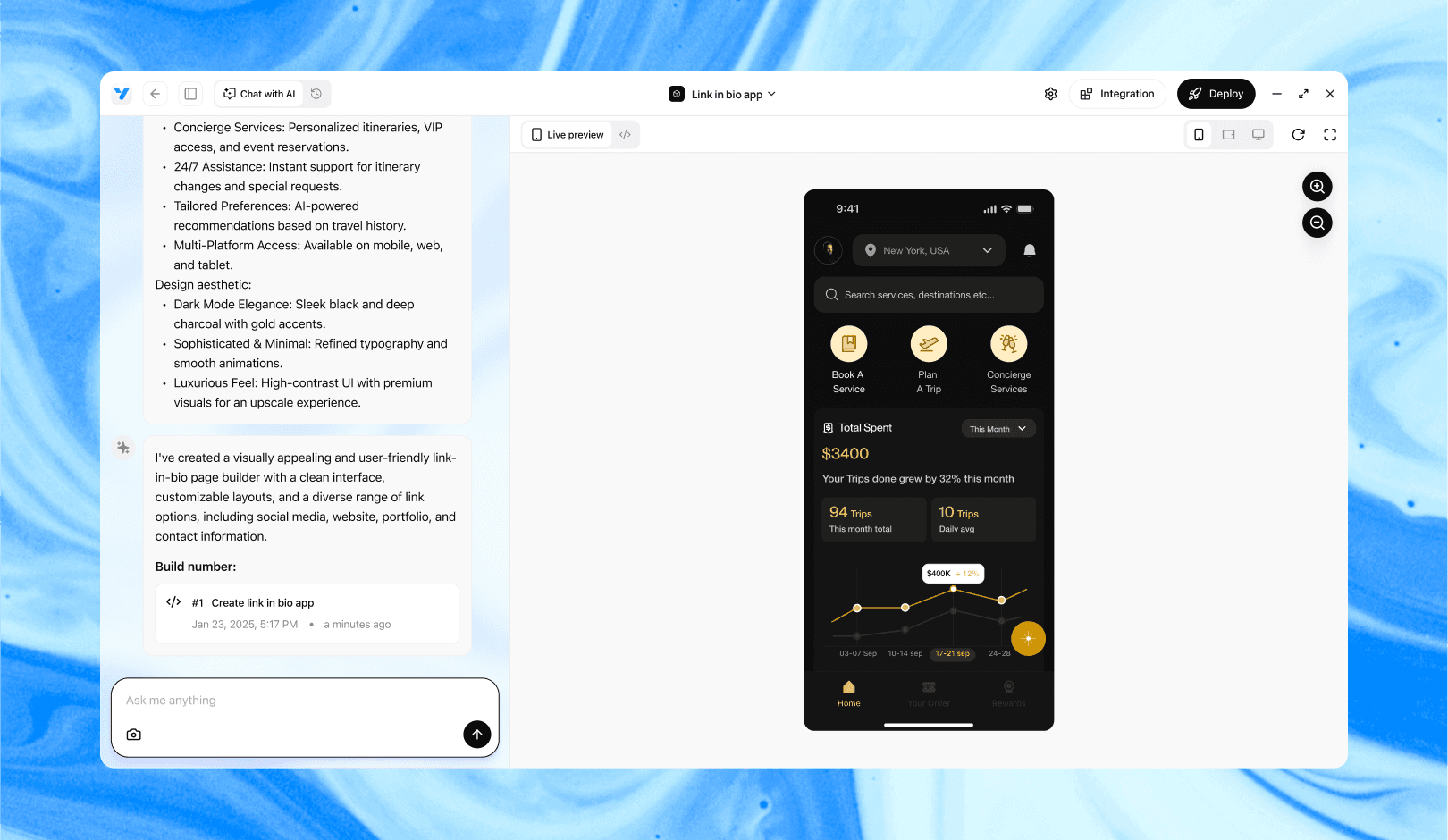
Vibe Studio, powered by Steve’s advanced AI agents, is a revolutionary no-code, conversational platform that empowers users to quickly and efficiently create full-stack Flutter applications integrated seamlessly with Firebase backend services. Ideal for solo founders, startups, and agile engineering teams, Vibe Studio allows users to visually manage and deploy Flutter apps, greatly accelerating the development process. The intuitive conversational interface simplifies complex development tasks, making app creation accessible even for non-coders.

Conclusion

Hero animations are a high-impact tool for mobile development in Flutter when used intentionally. Limit the Hero's scope to the visual element you want to connect, ensure tag uniqueness and child stability, and use flightShuttleBuilder for custom transitions. With careful design, testing, and attention to performance, Hero transitions deliver seamless, polished navigation that improves both UX and perceived speed.

Introduction

Hero animations in Flutter link visual elements across routes to create smooth, context-preserving transitions. They improve perceived performance and make navigation feel intentional. This tutorial explains practical patterns, typical pitfalls, and code examples so you can implement reliable Hero transitions in production mobile development.

Understanding Hero Basics

A Hero in Flutter matches widgets across routes by a String or Object tag. When navigating, Flutter locates matching tags and animates a shared element (the “hero”) between source and destination. The framework captures the widget subtree, creates a flying replica, and animates position, size, and opacity. Keep these rules in mind: tags must be unique within a screen's hero set; the widget type can differ, but similar layout and visual continuity matter; and the Hero flight executes outside normal layout constraints, so layout-specific expectations must be managed.

Basic Hero usage is straightforward. Wrap the shared element on both routes with Hero(tag: 'id', child: ...). Navigator.push then triggers the animation.

// Source route
Hero(tag: 'photo', child: Image.network(url, width: 120, height: 80))

// Destination route
Hero(tag: 'photo', child: Image.network(url, fit: BoxFit.cover))

Designing With Shared Elements

Design decisions determine whether a Hero makes the UX better. Prefer heroes for strong visual continuity: avatars, product images, cards. Avoid using Heroes for purely decorative items that don't meaningfully connect context. Keep the following design principles:

  • Match key visual cues: color, shape, and focal point. The closer the visual match, the more convincing the transition.

  • Consider aspect ratio changes: if the image crops or scales significantly, supply a consistent focal alignment so the flight looks intentional.

  • Prepare placeholders: if destination content loads asynchronously (network image, remote data), provide a stable hero child (placeholder or low-res image) so the flight remains smooth.

Implementing Hero Widgets

Place Hero widgets directly around the visual subtree that should transition. Avoid wrapping large structural widgets that include unrelated elements (app bars, multiple children). Control what animates by limiting the Hero's child to the element that represents the shared object.

When the source and destination widgets differ visually, customize the transition with flightShuttleBuilder. This lets you build a widget used during the flight—useful to interpolate between layouts or to animate a composed widget.

Hero(
  tag: 'avatar',
  flightShuttleBuilder: (flightContext, animation, direction, from, to) =>
    ScaleTransition(scale: animation, child: CircleAvatar(backgroundImage: NetworkImage(url))),
  child: CircleAvatar(radius: 24, backgroundImage: NetworkImage(url)),
)

Also pay attention to tag uniqueness. Two heroes with the same tag on the same route cause ambiguous matches and runtime errors. Use scoped tags (e.g., include an ID) for lists to avoid collisions.

Testing And Debugging

Test hero transitions across device sizes and orientations. Common problems and how to debug them:

  • Jumping or flicker: often caused by mismatched widgets or rebuilding the hero child during flight. Ensure the hero child is stable (stateless or controlled state) until the flight completes.

  • Tag collisions: the console will warn. Search the route tree for duplicate tags.

  • Layout shifts: if the destination has asynchronous layout (loading network images), use a synchronous placeholder for the Hero child or ensure the cached resource is available before the flight.

Use the Flutter Inspector to visualize the Hero boundary and verify which widgets are wrapped. Unit tests with golden images for critical flows help detect regressions in Hero appearance.

Handling Edge Cases And Performance

Hero flights create an overlay entry for the animated widget — heavy or complex subtrees can be expensive. Keep flight widgets lightweight: use simple images, lightweight containers, or snapshots. Avoid including large ListViews or complex painters inside a Hero.

When multiple heroes are present, Flutter animates them together. If you need staggered effects, control timing by delaying Navigator.push or coordinating animations outside the Hero using an AnimationController and PageRouteBuilder.

For large lists, prefer using cached images and prefetching to reduce visual jank. If you need custom shape morphs, consider using a combination of Hero and AnimatedContainer or a custom tween in the flightShuttleBuilder.

Vibe Studio

Vibe Studio, powered by Steve’s advanced AI agents, is a revolutionary no-code, conversational platform that empowers users to quickly and efficiently create full-stack Flutter applications integrated seamlessly with Firebase backend services. Ideal for solo founders, startups, and agile engineering teams, Vibe Studio allows users to visually manage and deploy Flutter apps, greatly accelerating the development process. The intuitive conversational interface simplifies complex development tasks, making app creation accessible even for non-coders.

Conclusion

Hero animations are a high-impact tool for mobile development in Flutter when used intentionally. Limit the Hero's scope to the visual element you want to connect, ensure tag uniqueness and child stability, and use flightShuttleBuilder for custom transitions. With careful design, testing, and attention to performance, Hero transitions deliver seamless, polished navigation that improves both UX and perceived speed.

Build Flutter Apps Faster with Vibe Studio

Build Flutter Apps Faster with Vibe Studio

Build Flutter Apps Faster with Vibe Studio

Build Flutter Apps Faster with Vibe Studio

Vibe Studio is your AI-powered Flutter development companion. Skip boilerplate, build in real-time, and deploy without hassle. Start creating apps at lightning speed with zero setup.

Vibe Studio is your AI-powered Flutter development companion. Skip boilerplate, build in real-time, and deploy without hassle. Start creating apps at lightning speed with zero setup.

Vibe Studio is your AI-powered Flutter development companion. Skip boilerplate, build in real-time, and deploy without hassle. Start creating apps at lightning speed with zero setup.

Vibe Studio is your AI-powered Flutter development companion. Skip boilerplate, build in real-time, and deploy without hassle. Start creating apps at lightning speed with zero setup.

Other Insights

Other Insights

Other Insights

Other Insights

Join a growing community of builders today

Join a growing community of builders today

Join a growing community of builders today

Join a growing community of builders today

Join a growing community of builders today

28-07 Jackson Ave

Walturn

New York NY 11101 United States

© Steve • All Rights Reserved 2025

28-07 Jackson Ave

Walturn

New York NY 11101 United States

© Steve • All Rights Reserved 2025

28-07 Jackson Ave

Walturn

New York NY 11101 United States

© Steve • All Rights Reserved 2025

28-07 Jackson Ave

Walturn

New York NY 11101 United States

© Steve • All Rights Reserved 2025

28-07 Jackson Ave

Walturn

New York NY 11101 United States

© Steve • All Rights Reserved 2025

28-07 Jackson Ave

Walturn

New York NY 11101 United States

© Steve • All Rights Reserved 2025