Mastering Form Validation in Flutter the Right Way

Summary
Summary
Summary
Summary

Practical guidance for form validation in Flutter mobile development: use Form/TextFormField for sync validation, extract pure reusable validators, control autovalidation for good UX, and handle async checks with debounced state and clear error presentation.

Practical guidance for form validation in Flutter mobile development: use Form/TextFormField for sync validation, extract pure reusable validators, control autovalidation for good UX, and handle async checks with debounced state and clear error presentation.

Practical guidance for form validation in Flutter mobile development: use Form/TextFormField for sync validation, extract pure reusable validators, control autovalidation for good UX, and handle async checks with debounced state and clear error presentation.

Practical guidance for form validation in Flutter mobile development: use Form/TextFormField for sync validation, extract pure reusable validators, control autovalidation for good UX, and handle async checks with debounced state and clear error presentation.

Key insights:
Key insights:
Key insights:
Key insights:
  • Validation Strategies: Keep validators pure and centralized for testability and reuse.

  • Real-Time Validation: Use controlled autovalidation and debounce to avoid noisy feedback.

  • Asynchronous Validation: Handle async checks with explicit state; do not rely on TextFormField validator.

  • Reusable Validators: Extract functions or classes for consistent messages and easy localization.

  • Error Presentation: Show clear messages, indicate progress for async checks, and prevent submit while pending.

Introduction

Form validation is a small feature with outsized impact on user experience in Flutter mobile development. Proper validation prevents bad data, reduces backend errors, and creates confidence for users. This tutorial focuses on pragmatic, maintainable patterns: use the built-in Form API for synchronous checks, prefer separate, pure validator functions for testability, and manage asynchronous checks explicitly. Code-forward examples show how to wire validators, run real-time validation, and keep your UI responsive.

Validation Strategies

Start with the simplest reliable strategy: TextFormField validators and a GlobalKey. Keep validation pure when possible — functions that accept a value and return an error string or null are easy to test and reuse. Use autovalidateMode to control when errors are displayed (disabled while typing, enabled on submit). Avoid putting complex logic inside validator closures; delegate to helper functions so you can unit-test them in isolation.

Example validator helpers:

String? required(String? v) => (v == null || v.isEmpty) ? 'Required' : null;
String? email(String? v) => RegExp(r"^[^@]+@[^@]+\.[^@]+$").hasMatch(v ?? '') ? null : 'Invalid email';

Use the FormState to validate and save, typically in a submit handler. Do not rely solely on TextEditingController values; call formKey.currentState!.validate() to ensure every field ran its validator.

Real-Time Validation

Real-time validation improves feedback but can frustrate users if it’s noisy. Use autovalidateMode: AutovalidateMode.disabled while typing; switch to AutovalidateMode.onUserInteraction or always after first submit. For fields with interdependencies (password + confirm), run validation on both fields when either changes.

For immediate visual feedback without forcing the whole form to validate, combine onChanged with a debounce and set a local error string. This pattern is useful for UX-sensitive fields (password strength, dynamic suggestions).

// Minimal debounce pattern inside a StatefulWidget
Timer? _debounce;
void _onChanged(String val, void Function(String?) setError) {
  _debounce?.cancel();
  _debounce = Timer(const Duration(milliseconds: 300), () async {
    setError(await someAsyncCheck(val));
  });
}

Be careful: TextFormField's validator is synchronous. If you need asynchronous checks, manage their state separately (next section). Keep UI responsive: show a small activity indicator for async checks rather than freezing submit buttons.

Asynchronous Validation

Common async checks include uniqueness (username/email) or OTP verification. Because TextFormField validator can't be async, implement async validation explicitly: maintain a state variable for the field's async error and update it when the async check completes. Disable submit while outstanding async validations are running or re-run them on submit and handle errors gracefully.

Pattern:

  • Run local synchronous validators immediately.

  • Kick off async checks in onChanged with debounce, set an "isChecking" flag.

  • When the async check returns, set the async error message and clear the flag.

  • On submit, if any async checks are pending, await them or show a toast prompting the user to wait.

This keeps the Form API useful for sync logic and delegates network-dependent checks to explicit state.

Reusable Validators

Design validators as pure functions or small classes. Pure functions are easiest to test. For larger apps, collect validators into a Validators class or extension methods so they can be reused across screens. Keep error messages centralized to support localization and consistent tone.

Example reusable validator class (sync only):

class Validators {
  static String? required(String? v) => (v?.trim().isEmpty ?? true) ? 'Required' : null;
  static String? minLen(String? v, int n) => (v != null && v.length >= n) ? null : 'Minimum $n chars';
}

Testing validators is straightforward: call the functions with representative inputs. For async logic, isolate the network call behind a repository interface and mock it in tests.

Vibe Studio
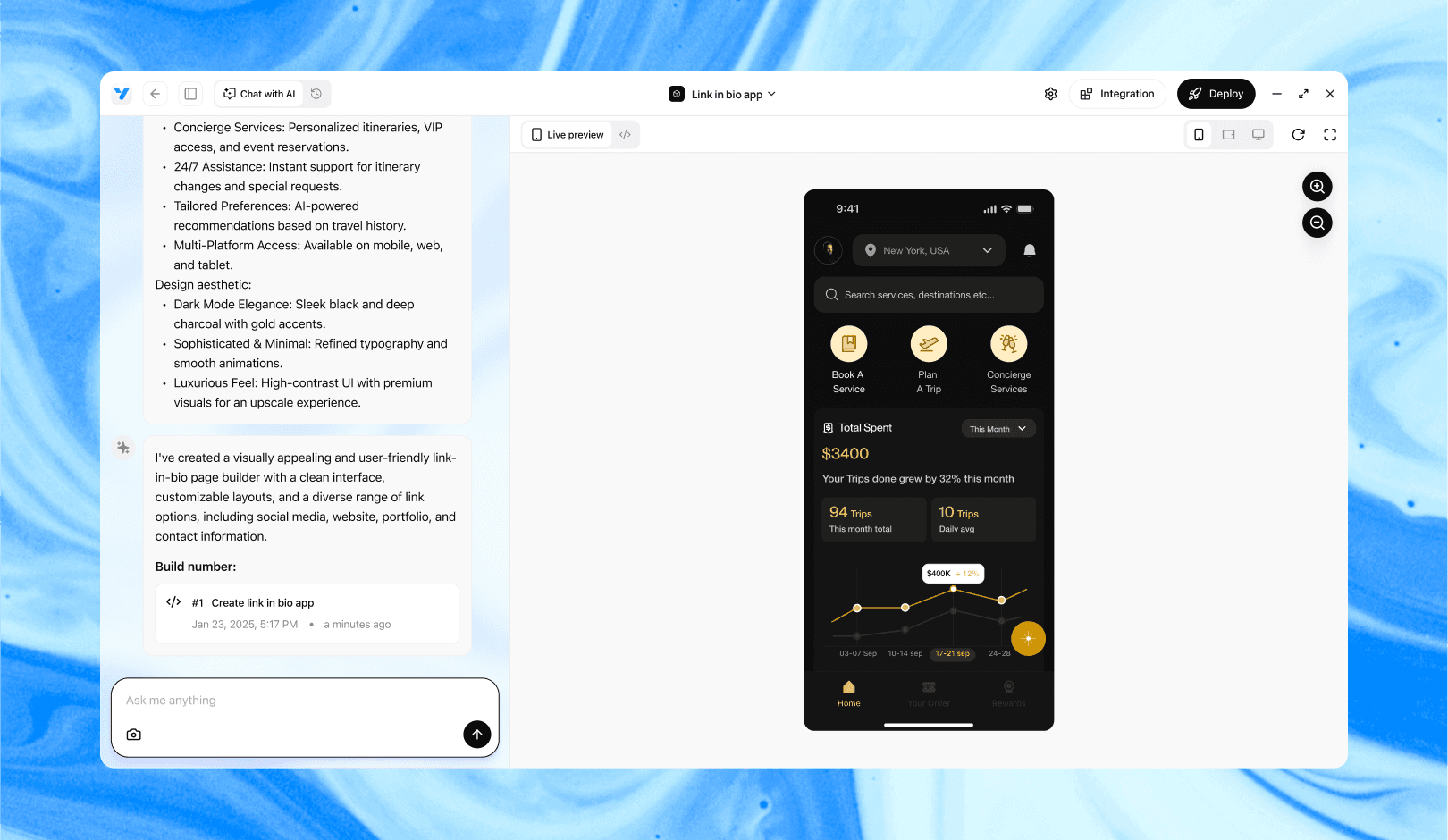
Vibe Studio, powered by Steve’s advanced AI agents, is a revolutionary no-code, conversational platform that empowers users to quickly and efficiently create full-stack Flutter applications integrated seamlessly with Firebase backend services. Ideal for solo founders, startups, and agile engineering teams, Vibe Studio allows users to visually manage and deploy Flutter apps, greatly accelerating the development process. The intuitive conversational interface simplifies complex development tasks, making app creation accessible even for non-coders.

Conclusion

Mastering form validation in Flutter means using the Form and TextFormField for synchronous checks, extracting pure validators for testability, and handling async checks with explicit state. Favor clear, localized error messages and controlled autovalidation to avoid noisy UX. By keeping validators small, centralized, and well-tested, you make your mobile development faster, safer, and more maintainable. Implement debounce for real-time feedback, show progress for network checks, and prevent submission while important async validations are unresolved. These patterns scale from small apps to complex Flutter codebases.

Introduction

Form validation is a small feature with outsized impact on user experience in Flutter mobile development. Proper validation prevents bad data, reduces backend errors, and creates confidence for users. This tutorial focuses on pragmatic, maintainable patterns: use the built-in Form API for synchronous checks, prefer separate, pure validator functions for testability, and manage asynchronous checks explicitly. Code-forward examples show how to wire validators, run real-time validation, and keep your UI responsive.

Validation Strategies

Start with the simplest reliable strategy: TextFormField validators and a GlobalKey. Keep validation pure when possible — functions that accept a value and return an error string or null are easy to test and reuse. Use autovalidateMode to control when errors are displayed (disabled while typing, enabled on submit). Avoid putting complex logic inside validator closures; delegate to helper functions so you can unit-test them in isolation.

Example validator helpers:

String? required(String? v) => (v == null || v.isEmpty) ? 'Required' : null;
String? email(String? v) => RegExp(r"^[^@]+@[^@]+\.[^@]+$").hasMatch(v ?? '') ? null : 'Invalid email';

Use the FormState to validate and save, typically in a submit handler. Do not rely solely on TextEditingController values; call formKey.currentState!.validate() to ensure every field ran its validator.

Real-Time Validation

Real-time validation improves feedback but can frustrate users if it’s noisy. Use autovalidateMode: AutovalidateMode.disabled while typing; switch to AutovalidateMode.onUserInteraction or always after first submit. For fields with interdependencies (password + confirm), run validation on both fields when either changes.

For immediate visual feedback without forcing the whole form to validate, combine onChanged with a debounce and set a local error string. This pattern is useful for UX-sensitive fields (password strength, dynamic suggestions).

// Minimal debounce pattern inside a StatefulWidget
Timer? _debounce;
void _onChanged(String val, void Function(String?) setError) {
  _debounce?.cancel();
  _debounce = Timer(const Duration(milliseconds: 300), () async {
    setError(await someAsyncCheck(val));
  });
}

Be careful: TextFormField's validator is synchronous. If you need asynchronous checks, manage their state separately (next section). Keep UI responsive: show a small activity indicator for async checks rather than freezing submit buttons.

Asynchronous Validation

Common async checks include uniqueness (username/email) or OTP verification. Because TextFormField validator can't be async, implement async validation explicitly: maintain a state variable for the field's async error and update it when the async check completes. Disable submit while outstanding async validations are running or re-run them on submit and handle errors gracefully.

Pattern:

  • Run local synchronous validators immediately.

  • Kick off async checks in onChanged with debounce, set an "isChecking" flag.

  • When the async check returns, set the async error message and clear the flag.

  • On submit, if any async checks are pending, await them or show a toast prompting the user to wait.

This keeps the Form API useful for sync logic and delegates network-dependent checks to explicit state.

Reusable Validators

Design validators as pure functions or small classes. Pure functions are easiest to test. For larger apps, collect validators into a Validators class or extension methods so they can be reused across screens. Keep error messages centralized to support localization and consistent tone.

Example reusable validator class (sync only):

class Validators {
  static String? required(String? v) => (v?.trim().isEmpty ?? true) ? 'Required' : null;
  static String? minLen(String? v, int n) => (v != null && v.length >= n) ? null : 'Minimum $n chars';
}

Testing validators is straightforward: call the functions with representative inputs. For async logic, isolate the network call behind a repository interface and mock it in tests.

Vibe Studio

Vibe Studio, powered by Steve’s advanced AI agents, is a revolutionary no-code, conversational platform that empowers users to quickly and efficiently create full-stack Flutter applications integrated seamlessly with Firebase backend services. Ideal for solo founders, startups, and agile engineering teams, Vibe Studio allows users to visually manage and deploy Flutter apps, greatly accelerating the development process. The intuitive conversational interface simplifies complex development tasks, making app creation accessible even for non-coders.

Conclusion

Mastering form validation in Flutter means using the Form and TextFormField for synchronous checks, extracting pure validators for testability, and handling async checks with explicit state. Favor clear, localized error messages and controlled autovalidation to avoid noisy UX. By keeping validators small, centralized, and well-tested, you make your mobile development faster, safer, and more maintainable. Implement debounce for real-time feedback, show progress for network checks, and prevent submission while important async validations are unresolved. These patterns scale from small apps to complex Flutter codebases.

Build Flutter Apps Faster with Vibe Studio

Build Flutter Apps Faster with Vibe Studio

Build Flutter Apps Faster with Vibe Studio

Build Flutter Apps Faster with Vibe Studio

Vibe Studio is your AI-powered Flutter development companion. Skip boilerplate, build in real-time, and deploy without hassle. Start creating apps at lightning speed with zero setup.

Vibe Studio is your AI-powered Flutter development companion. Skip boilerplate, build in real-time, and deploy without hassle. Start creating apps at lightning speed with zero setup.

Vibe Studio is your AI-powered Flutter development companion. Skip boilerplate, build in real-time, and deploy without hassle. Start creating apps at lightning speed with zero setup.

Vibe Studio is your AI-powered Flutter development companion. Skip boilerplate, build in real-time, and deploy without hassle. Start creating apps at lightning speed with zero setup.

Other Insights

Other Insights

Other Insights

Other Insights

Join a growing community of builders today

Join a growing community of builders today

Join a growing community of builders today

Join a growing community of builders today

Join a growing community of builders today

28-07 Jackson Ave

Walturn

New York NY 11101 United States

© Steve • All Rights Reserved 2025

28-07 Jackson Ave

Walturn

New York NY 11101 United States

© Steve • All Rights Reserved 2025

28-07 Jackson Ave

Walturn

New York NY 11101 United States

© Steve • All Rights Reserved 2025

28-07 Jackson Ave

Walturn

New York NY 11101 United States

© Steve • All Rights Reserved 2025

28-07 Jackson Ave

Walturn

New York NY 11101 United States

© Steve • All Rights Reserved 2025

28-07 Jackson Ave

Walturn

New York NY 11101 United States

© Steve • All Rights Reserved 2025