Mastering Focus Nodes for Keyboard-Driven Interfaces

Summary
Summary
Summary
Summary

This tutorial explains how to use FocusNode in Flutter for keyboard-driven mobile development. It covers core APIs, programmatic focus management, navigation patterns using Shortcuts and Actions, accessibility considerations, testing tips, and performance best practices like proper disposal and avoiding RawKeyboardListener as the primary handler.

This tutorial explains how to use FocusNode in Flutter for keyboard-driven mobile development. It covers core APIs, programmatic focus management, navigation patterns using Shortcuts and Actions, accessibility considerations, testing tips, and performance best practices like proper disposal and avoiding RawKeyboardListener as the primary handler.

This tutorial explains how to use FocusNode in Flutter for keyboard-driven mobile development. It covers core APIs, programmatic focus management, navigation patterns using Shortcuts and Actions, accessibility considerations, testing tips, and performance best practices like proper disposal and avoiding RawKeyboardListener as the primary handler.

This tutorial explains how to use FocusNode in Flutter for keyboard-driven mobile development. It covers core APIs, programmatic focus management, navigation patterns using Shortcuts and Actions, accessibility considerations, testing tips, and performance best practices like proper disposal and avoiding RawKeyboardListener as the primary handler.

Key insights:
Key insights:
Key insights:
Key insights:
  • FocusNode Basics: Create and manage FocusNodes in state, attach them to Focus widgets, and dispose them to avoid leaks.

  • Managing Focus Programmatically: Use requestFocus(), FocusScope, and a maintained map of nodes to control keyboard focus deterministically.

  • Keyboard Navigation Patterns: Prefer Shortcuts + Actions for arrow/tab navigation and use FocusTraversalPolicy for tab order.

  • Accessibility And Testing: Ensure focus order matches visual order, announce focus changes when needed, and test with external keyboards.

  • Performance And Cleanup: Create FocusNodes in initState, dispose in dispose(), and avoid creating nodes during build.

Introduction

Keyboard-driven interfaces are essential for power users, external keyboard support, and accessibility on mobile devices. In Flutter, FocusNode and Focus widgets are the primitives that let you control where keyboard input goes, respond to key events, and compose predictable navigation models. This tutorial explains practical patterns for using FocusNode in mobile development, shows concise code examples, and highlights pitfalls to avoid.

FocusNode Basics

A FocusNode represents a location in the focus tree. Widgets like TextField create and manage FocusNodes internally, but for keyboard-driven behavior you should create and manage FocusNodes yourself to gain programmatic control. Attach a FocusNode to a Focus or FocusableActionDetector to receive focus change callbacks and key events.

Key methods and properties:

  • requestFocus(): move focus to this node.

  • unfocus(): remove focus from this node.

  • hasFocus: whether the node is focused.

  • addListener(): watch changes to hasFocus.

Simple setup with proper disposal:

class MyWidgetState extends State<MyWidget> {
  final FocusNode _node = FocusNode();
  @override void dispose() { _node.dispose(); super.dispose(); }
  // Attach _node to Focus or TextField in build()
}

Managing Focus Programmatically

Control focus explicitly when building keyboard navigable UIs. Use FocusScope to move between groups and FocusTraversalGroup to scope traversal order. For directional navigation (arrow keys), prefer Shortcuts + Actions with a Focus to capture keys and run actions that call requestFocus() on target nodes.

Example pattern:

  • Keep a Map or structure of FocusNodes for sibling widgets.

  • On arrow key events, compute next index and call requestFocus() on the corresponding FocusNode.

  • Use FocusScope.of(context).requestFocus(node) when you want to respect focus traversal policies.

A minimal requestFocus example attached to a Focus widget:

Focus(
  focusNode: _node,
  child: GestureDetector(onTap: () => _node.requestFocus(), child: buildItem()),
)

Keyboard Navigation Patterns

There are two common navigation modes: linear (Tab order) and directional (arrow keys). Flutter provides FocusTraversalPolicy subclasses to customize Tab traversal order. For directional navigation, implement Shortcuts and Actions to interpret arrow key events and move focus accordingly.

Use RawKeyboardListener sparingly; prefer the declarative Shortcuts widget, because it integrates with Actions and Focus automatically and works better with the focus tree and platform key maps. Example shortcut mapping:

  • LogicalKeyboardKey.arrowDown -> MoveDownAction

  • LogicalKeyboardKey.arrowUp -> MoveUpAction

When mixing touch and keyboard, ensure touch gestures also update focus so subsequent keyboard input lands where users expect. For example, onTap should call requestFocus() on the tapped widget.

Accessibility And Testing

FocusNode is central to accessible apps. Screen readers and input method editors rely on a well-managed focus tree. Always:

  • Announce focus changes via semantics where appropriate.

  • Ensure focus order matches visual order; use FocusTraversalGroup to enforce this.

  • Test with an external keyboard (or emulator) to validate Tab and arrow behaviors.

Testing tips:

  • In widget tests, pumpWidget and then call tester.sendKeyEvent to simulate key presses and assert which FocusNode has focus by checking node.hasFocus or verifying widget behavior.

  • Use semantics tests to confirm accessibility roles remain correct when focus changes.

Performance And Cleanup

FocusNodes are lightweight but must be disposed to avoid memory leaks and stale listeners. If you create a FocusNode in a State object, dispose it in dispose(). If you attach listeners, remove them when no longer needed. Avoid creating many ephemeral FocusNodes during build; create them in initState or keep them in state management objects.

Common pitfalls:

  • Not disposing FocusNode — leads to leaks and exceptions.

  • Using global keys to locate focusable widgets instead of a structured focus map — makes traversal brittle.

  • Relying on RawKeyboardListener alone — it doesn’t integrate with Actions/Shortcuts and focus semantics.

Vibe Studio
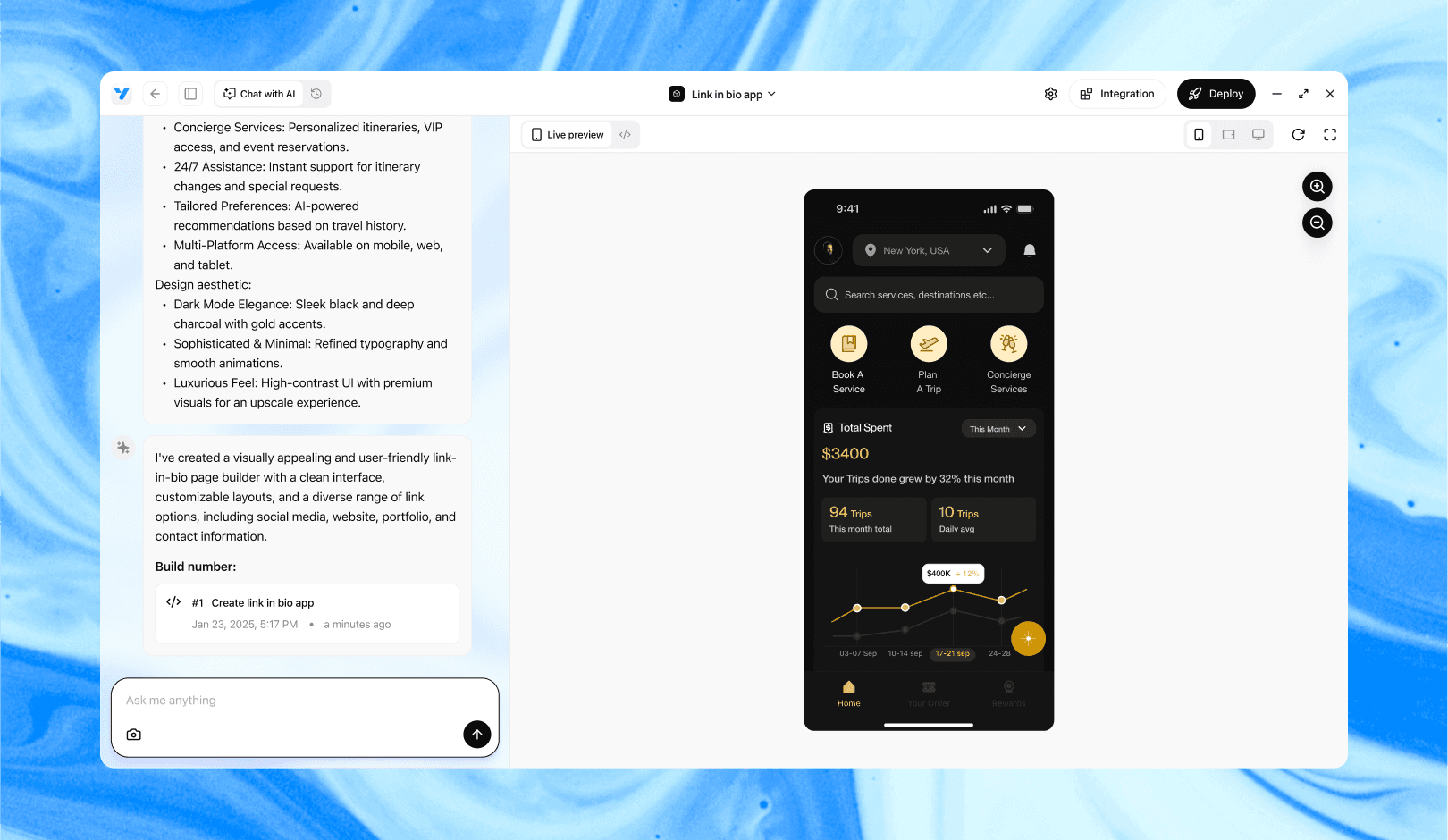
Vibe Studio, powered by Steve’s advanced AI agents, is a revolutionary no-code, conversational platform that empowers users to quickly and efficiently create full-stack Flutter applications integrated seamlessly with Firebase backend services. Ideal for solo founders, startups, and agile engineering teams, Vibe Studio allows users to visually manage and deploy Flutter apps, greatly accelerating the development process. The intuitive conversational interface simplifies complex development tasks, making app creation accessible even for non-coders.

Conclusion

Mastering FocusNode unlocks keyboard-driven experiences in Flutter mobile development. Create and dispose FocusNodes responsibly, use FocusScope and FocusTraversalGroup to shape focus behavior, prefer Shortcuts + Actions for key handling, and ensure accessibility by matching focus order to visual order. With these patterns you can build robust keyboard navigable UIs that work well with external keyboards and assistive technologies.

Introduction

Keyboard-driven interfaces are essential for power users, external keyboard support, and accessibility on mobile devices. In Flutter, FocusNode and Focus widgets are the primitives that let you control where keyboard input goes, respond to key events, and compose predictable navigation models. This tutorial explains practical patterns for using FocusNode in mobile development, shows concise code examples, and highlights pitfalls to avoid.

FocusNode Basics

A FocusNode represents a location in the focus tree. Widgets like TextField create and manage FocusNodes internally, but for keyboard-driven behavior you should create and manage FocusNodes yourself to gain programmatic control. Attach a FocusNode to a Focus or FocusableActionDetector to receive focus change callbacks and key events.

Key methods and properties:

  • requestFocus(): move focus to this node.

  • unfocus(): remove focus from this node.

  • hasFocus: whether the node is focused.

  • addListener(): watch changes to hasFocus.

Simple setup with proper disposal:

class MyWidgetState extends State<MyWidget> {
  final FocusNode _node = FocusNode();
  @override void dispose() { _node.dispose(); super.dispose(); }
  // Attach _node to Focus or TextField in build()
}

Managing Focus Programmatically

Control focus explicitly when building keyboard navigable UIs. Use FocusScope to move between groups and FocusTraversalGroup to scope traversal order. For directional navigation (arrow keys), prefer Shortcuts + Actions with a Focus to capture keys and run actions that call requestFocus() on target nodes.

Example pattern:

  • Keep a Map or structure of FocusNodes for sibling widgets.

  • On arrow key events, compute next index and call requestFocus() on the corresponding FocusNode.

  • Use FocusScope.of(context).requestFocus(node) when you want to respect focus traversal policies.

A minimal requestFocus example attached to a Focus widget:

Focus(
  focusNode: _node,
  child: GestureDetector(onTap: () => _node.requestFocus(), child: buildItem()),
)

Keyboard Navigation Patterns

There are two common navigation modes: linear (Tab order) and directional (arrow keys). Flutter provides FocusTraversalPolicy subclasses to customize Tab traversal order. For directional navigation, implement Shortcuts and Actions to interpret arrow key events and move focus accordingly.

Use RawKeyboardListener sparingly; prefer the declarative Shortcuts widget, because it integrates with Actions and Focus automatically and works better with the focus tree and platform key maps. Example shortcut mapping:

  • LogicalKeyboardKey.arrowDown -> MoveDownAction

  • LogicalKeyboardKey.arrowUp -> MoveUpAction

When mixing touch and keyboard, ensure touch gestures also update focus so subsequent keyboard input lands where users expect. For example, onTap should call requestFocus() on the tapped widget.

Accessibility And Testing

FocusNode is central to accessible apps. Screen readers and input method editors rely on a well-managed focus tree. Always:

  • Announce focus changes via semantics where appropriate.

  • Ensure focus order matches visual order; use FocusTraversalGroup to enforce this.

  • Test with an external keyboard (or emulator) to validate Tab and arrow behaviors.

Testing tips:

  • In widget tests, pumpWidget and then call tester.sendKeyEvent to simulate key presses and assert which FocusNode has focus by checking node.hasFocus or verifying widget behavior.

  • Use semantics tests to confirm accessibility roles remain correct when focus changes.

Performance And Cleanup

FocusNodes are lightweight but must be disposed to avoid memory leaks and stale listeners. If you create a FocusNode in a State object, dispose it in dispose(). If you attach listeners, remove them when no longer needed. Avoid creating many ephemeral FocusNodes during build; create them in initState or keep them in state management objects.

Common pitfalls:

  • Not disposing FocusNode — leads to leaks and exceptions.

  • Using global keys to locate focusable widgets instead of a structured focus map — makes traversal brittle.

  • Relying on RawKeyboardListener alone — it doesn’t integrate with Actions/Shortcuts and focus semantics.

Vibe Studio

Vibe Studio, powered by Steve’s advanced AI agents, is a revolutionary no-code, conversational platform that empowers users to quickly and efficiently create full-stack Flutter applications integrated seamlessly with Firebase backend services. Ideal for solo founders, startups, and agile engineering teams, Vibe Studio allows users to visually manage and deploy Flutter apps, greatly accelerating the development process. The intuitive conversational interface simplifies complex development tasks, making app creation accessible even for non-coders.

Conclusion

Mastering FocusNode unlocks keyboard-driven experiences in Flutter mobile development. Create and dispose FocusNodes responsibly, use FocusScope and FocusTraversalGroup to shape focus behavior, prefer Shortcuts + Actions for key handling, and ensure accessibility by matching focus order to visual order. With these patterns you can build robust keyboard navigable UIs that work well with external keyboards and assistive technologies.

Build Flutter Apps Faster with Vibe Studio

Build Flutter Apps Faster with Vibe Studio

Build Flutter Apps Faster with Vibe Studio

Build Flutter Apps Faster with Vibe Studio

Vibe Studio is your AI-powered Flutter development companion. Skip boilerplate, build in real-time, and deploy without hassle. Start creating apps at lightning speed with zero setup.

Vibe Studio is your AI-powered Flutter development companion. Skip boilerplate, build in real-time, and deploy without hassle. Start creating apps at lightning speed with zero setup.

Vibe Studio is your AI-powered Flutter development companion. Skip boilerplate, build in real-time, and deploy without hassle. Start creating apps at lightning speed with zero setup.

Vibe Studio is your AI-powered Flutter development companion. Skip boilerplate, build in real-time, and deploy without hassle. Start creating apps at lightning speed with zero setup.

Other Insights

Other Insights

Other Insights

Other Insights

Join a growing community of builders today

Join a growing community of builders today

Join a growing community of builders today

Join a growing community of builders today

Join a growing community of builders today

28-07 Jackson Ave

Walturn

New York NY 11101 United States

© Steve • All Rights Reserved 2025

28-07 Jackson Ave

Walturn

New York NY 11101 United States

© Steve • All Rights Reserved 2025

28-07 Jackson Ave

Walturn

New York NY 11101 United States

© Steve • All Rights Reserved 2025

28-07 Jackson Ave

Walturn

New York NY 11101 United States

© Steve • All Rights Reserved 2025

28-07 Jackson Ave

Walturn

New York NY 11101 United States

© Steve • All Rights Reserved 2025

28-07 Jackson Ave

Walturn

New York NY 11101 United States

© Steve • All Rights Reserved 2025