Mastering Flutter’s SchedulerBinding for Custom Frame Logic

Summary
Summary
Summary
Summary

This tutorial explains how to use SchedulerBinding in Flutter to implement custom frame logic: overview of APIs (addPersistentFrameCallback, addPostFrameCallback, scheduleFrame), code patterns for controlled loops, timing best practices, and performance tips for mobile development.

This tutorial explains how to use SchedulerBinding in Flutter to implement custom frame logic: overview of APIs (addPersistentFrameCallback, addPostFrameCallback, scheduleFrame), code patterns for controlled loops, timing best practices, and performance tips for mobile development.

This tutorial explains how to use SchedulerBinding in Flutter to implement custom frame logic: overview of APIs (addPersistentFrameCallback, addPostFrameCallback, scheduleFrame), code patterns for controlled loops, timing best practices, and performance tips for mobile development.

This tutorial explains how to use SchedulerBinding in Flutter to implement custom frame logic: overview of APIs (addPersistentFrameCallback, addPostFrameCallback, scheduleFrame), code patterns for controlled loops, timing best practices, and performance tips for mobile development.

Key insights:
Key insights:
Key insights:
Key insights:
  • SchedulerBinding Overview: Provides low-level frame hooks (persistent, post-frame, scheduleFrame) to integrate custom frame logic with the engine.

  • Scheduling Custom Frames: Use addPersistentFrameCallback plus conditional scheduleFrame to build self-throttling, vsync-aligned loops.

  • Handling Frame Callbacks: Use addPostFrameCallback for safe post-layout work and rely on frame timestamps for accurate interpolation.

  • Best Practices And Caveats: Prefer AnimationController/Ticker, avoid expensive work in callbacks, and stop scheduling frames when idle.

  • Performance Tips: Profile with DevTools, monitor frame deltas, and offload heavy computation to isolates to prevent jank.

Introduction

Flutter’s rendering pipeline is driven by frames. For most apps, Flutter’s default scheduling is ideal: the engine produces frames in response to vsync and Flutter draws widgets each frame. But advanced mobile development often needs custom frame logic — throttling updates, coordinating non-UI timers with frames, or integrating low-latency animation loops. SchedulerBinding is the low-level entry point for hooking into that frame lifecycle. This tutorial shows practical, code-first ways to master SchedulerBinding for reliable custom frame behavior.

SchedulerBinding Overview

SchedulerBinding is the glue between the engine and the Flutter framework. It emits three main callback phases you can use:

  • addPersistentFrameCallback: run every frame and receive the frame timestamp.

  • addPostFrameCallback: run once after the current frame is rendered.

  • scheduleFrame: request the engine to produce a new frame.

WidgetsBinding is a concrete implementation that mixes in SchedulerBinding; most apps access it via WidgetsBinding.instance or SchedulerBinding.instance. Use these APIs when you need deterministic frame hooks beyond typical AnimationController and Ticker behavior.

Scheduling Custom Frames

Common use case: you want to drive an update loop that runs at vsync but only when active. Use addPersistentFrameCallback to receive continuous frame timestamps, and call scheduleFrame to keep the loop alive only when needed.

Example: a minimal self-throttling frame loop.

import 'package:flutter/scheduler.dart';

void startLoop() {
  final scheduler = SchedulerBinding.instance;
  void loop(Duration time) {
    // Do per-frame work
    // Request another frame only while needed
    if (shouldContinue()) scheduler.scheduleFrame();
  }
  scheduler.addPersistentFrameCallback(loop);
  scheduler.scheduleFrame();
}

Key points: addPersistentFrameCallback keeps receiving timestamps once you schedule frames. scheduleFrame simply asks the engine to produce the next frame — it doesn’t instantly run callbacks.

Handling Frame Callbacks And Timings

addPostFrameCallback is essential when you must read layout or render results after a frame completes (for example measuring after a setState). Post-frame callbacks execute once and are useful for batching side effects that must not run during layout.

Be careful: post-frame callbacks are still part of the UI thread. Heavy work must be offloaded to isolates or scheduled asynchronously to avoid jank. Use Duration timestamps from persistent callbacks for time-based interpolation rather than relying on timers, which can drift relative to frame timing.

Example: measuring after build

WidgetsBinding.instance.addPostFrameCallback((_) {
  final size = context.size; // safe after frame
  // Use size without triggering an immediate rebuild
});

Best Practices And Caveats

  • Prefer AnimationController and TickerProvider when driving animations. SchedulerBinding is powerful but low-level; misuse can conflict with Flutter’s internal scheduling.

  • Avoid registering many persistent callbacks. Each callback runs every frame and can increase CPU usage. Combine logic into a single persistent callback when possible.

  • Use scheduleFrame sparingly. Calling scheduleFrame unconditionally in a persistent callback creates a continuous loop. Throttle by condition to stop work when idle.

  • Do not perform expensive synchronous computations in frame callbacks. Move heavy tasks off the UI thread to isolates or schedule microtasks that do lightweight state updates only.

  • Remember platform vsync is limited. Mobile development on battery-constrained devices must be mindful of energy; continuous high-rate frames drain battery.

Debugging And Performance Strategies

  • Use the Flutter performance overlay and DevTools to observe frame build and raster times. If your persistent callbacks increase build time, these tools will show the impact.

  • Profile timestamps to measure drift: capture the Duration provided to persistent callbacks and compute deltas to ensure your logic meets target frame rates.

  • Clean up: when your widget or controller is disposed, remove or stop scheduling frames to avoid retain cycles and background work.

Vibe Studio
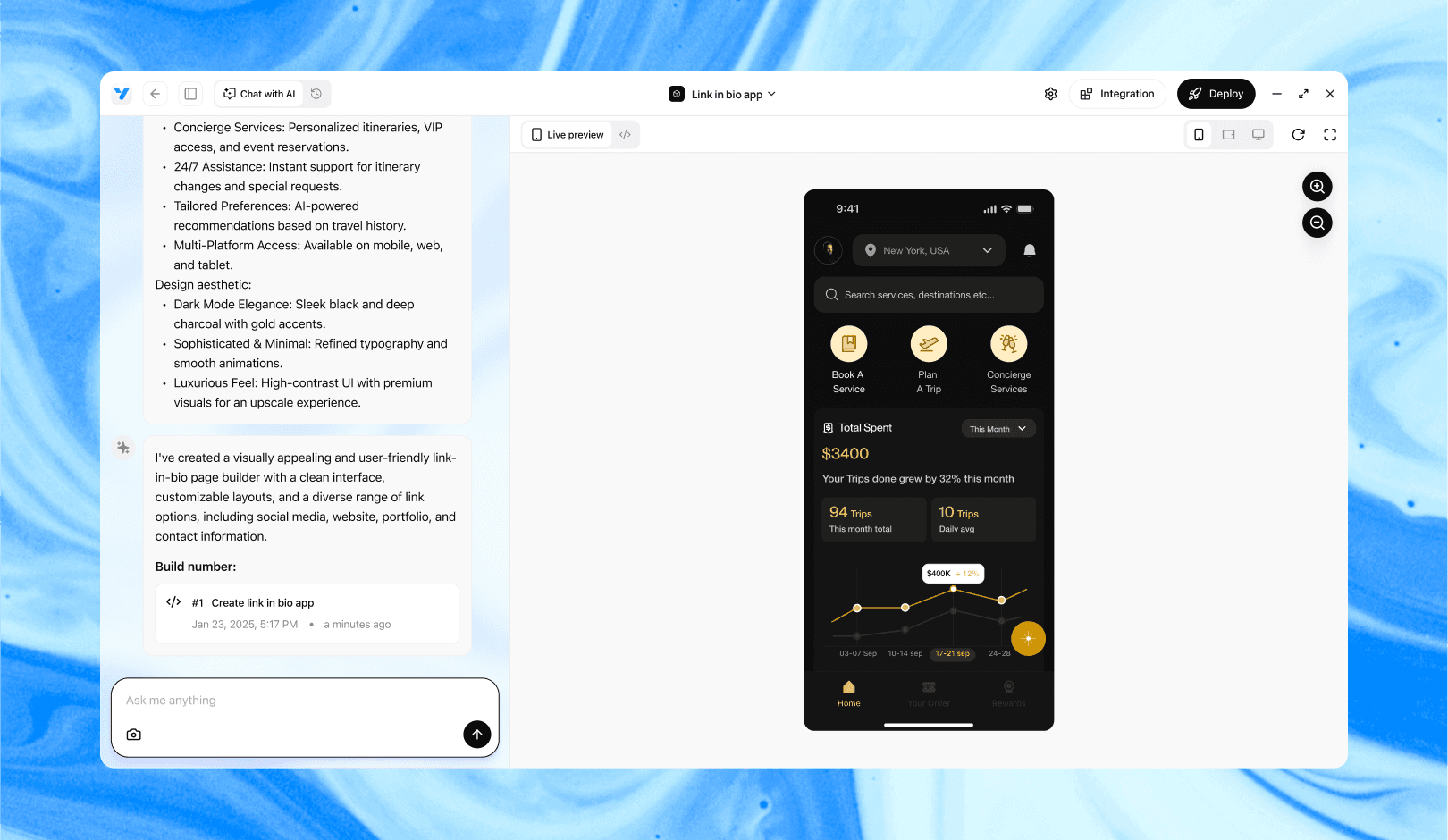
Vibe Studio, powered by Steve’s advanced AI agents, is a revolutionary no-code, conversational platform that empowers users to quickly and efficiently create full-stack Flutter applications integrated seamlessly with Firebase backend services. Ideal for solo founders, startups, and agile engineering teams, Vibe Studio allows users to visually manage and deploy Flutter apps, greatly accelerating the development process. The intuitive conversational interface simplifies complex development tasks, making app creation accessible even for non-coders.

Conclusion

SchedulerBinding exposes the frame lifecycle for precise control in flutter mobile development. Use addPersistentFrameCallback for continuous, frame-aligned loops, addPostFrameCallback for one-off post-render work, and scheduleFrame to request frames conditionally. Respect the UI thread, prefer higher-level constructs when possible, and always monitor performance. With careful use, SchedulerBinding enables robust, low-latency frame logic for advanced mobile experiences.


Introduction

Flutter’s rendering pipeline is driven by frames. For most apps, Flutter’s default scheduling is ideal: the engine produces frames in response to vsync and Flutter draws widgets each frame. But advanced mobile development often needs custom frame logic — throttling updates, coordinating non-UI timers with frames, or integrating low-latency animation loops. SchedulerBinding is the low-level entry point for hooking into that frame lifecycle. This tutorial shows practical, code-first ways to master SchedulerBinding for reliable custom frame behavior.

SchedulerBinding Overview

SchedulerBinding is the glue between the engine and the Flutter framework. It emits three main callback phases you can use:

  • addPersistentFrameCallback: run every frame and receive the frame timestamp.

  • addPostFrameCallback: run once after the current frame is rendered.

  • scheduleFrame: request the engine to produce a new frame.

WidgetsBinding is a concrete implementation that mixes in SchedulerBinding; most apps access it via WidgetsBinding.instance or SchedulerBinding.instance. Use these APIs when you need deterministic frame hooks beyond typical AnimationController and Ticker behavior.

Scheduling Custom Frames

Common use case: you want to drive an update loop that runs at vsync but only when active. Use addPersistentFrameCallback to receive continuous frame timestamps, and call scheduleFrame to keep the loop alive only when needed.

Example: a minimal self-throttling frame loop.

import 'package:flutter/scheduler.dart';

void startLoop() {
  final scheduler = SchedulerBinding.instance;
  void loop(Duration time) {
    // Do per-frame work
    // Request another frame only while needed
    if (shouldContinue()) scheduler.scheduleFrame();
  }
  scheduler.addPersistentFrameCallback(loop);
  scheduler.scheduleFrame();
}

Key points: addPersistentFrameCallback keeps receiving timestamps once you schedule frames. scheduleFrame simply asks the engine to produce the next frame — it doesn’t instantly run callbacks.

Handling Frame Callbacks And Timings

addPostFrameCallback is essential when you must read layout or render results after a frame completes (for example measuring after a setState). Post-frame callbacks execute once and are useful for batching side effects that must not run during layout.

Be careful: post-frame callbacks are still part of the UI thread. Heavy work must be offloaded to isolates or scheduled asynchronously to avoid jank. Use Duration timestamps from persistent callbacks for time-based interpolation rather than relying on timers, which can drift relative to frame timing.

Example: measuring after build

WidgetsBinding.instance.addPostFrameCallback((_) {
  final size = context.size; // safe after frame
  // Use size without triggering an immediate rebuild
});

Best Practices And Caveats

  • Prefer AnimationController and TickerProvider when driving animations. SchedulerBinding is powerful but low-level; misuse can conflict with Flutter’s internal scheduling.

  • Avoid registering many persistent callbacks. Each callback runs every frame and can increase CPU usage. Combine logic into a single persistent callback when possible.

  • Use scheduleFrame sparingly. Calling scheduleFrame unconditionally in a persistent callback creates a continuous loop. Throttle by condition to stop work when idle.

  • Do not perform expensive synchronous computations in frame callbacks. Move heavy tasks off the UI thread to isolates or schedule microtasks that do lightweight state updates only.

  • Remember platform vsync is limited. Mobile development on battery-constrained devices must be mindful of energy; continuous high-rate frames drain battery.

Debugging And Performance Strategies

  • Use the Flutter performance overlay and DevTools to observe frame build and raster times. If your persistent callbacks increase build time, these tools will show the impact.

  • Profile timestamps to measure drift: capture the Duration provided to persistent callbacks and compute deltas to ensure your logic meets target frame rates.

  • Clean up: when your widget or controller is disposed, remove or stop scheduling frames to avoid retain cycles and background work.

Vibe Studio

Vibe Studio, powered by Steve’s advanced AI agents, is a revolutionary no-code, conversational platform that empowers users to quickly and efficiently create full-stack Flutter applications integrated seamlessly with Firebase backend services. Ideal for solo founders, startups, and agile engineering teams, Vibe Studio allows users to visually manage and deploy Flutter apps, greatly accelerating the development process. The intuitive conversational interface simplifies complex development tasks, making app creation accessible even for non-coders.

Conclusion

SchedulerBinding exposes the frame lifecycle for precise control in flutter mobile development. Use addPersistentFrameCallback for continuous, frame-aligned loops, addPostFrameCallback for one-off post-render work, and scheduleFrame to request frames conditionally. Respect the UI thread, prefer higher-level constructs when possible, and always monitor performance. With careful use, SchedulerBinding enables robust, low-latency frame logic for advanced mobile experiences.

Build Flutter Apps Faster with Vibe Studio

Build Flutter Apps Faster with Vibe Studio

Build Flutter Apps Faster with Vibe Studio

Build Flutter Apps Faster with Vibe Studio

Vibe Studio is your AI-powered Flutter development companion. Skip boilerplate, build in real-time, and deploy without hassle. Start creating apps at lightning speed with zero setup.

Vibe Studio is your AI-powered Flutter development companion. Skip boilerplate, build in real-time, and deploy without hassle. Start creating apps at lightning speed with zero setup.

Vibe Studio is your AI-powered Flutter development companion. Skip boilerplate, build in real-time, and deploy without hassle. Start creating apps at lightning speed with zero setup.

Vibe Studio is your AI-powered Flutter development companion. Skip boilerplate, build in real-time, and deploy without hassle. Start creating apps at lightning speed with zero setup.

Other Insights

Other Insights

Other Insights

Other Insights

Join a growing community of builders today

Join a growing community of builders today

Join a growing community of builders today

Join a growing community of builders today

Join a growing community of builders today

28-07 Jackson Ave

Walturn

New York NY 11101 United States

© Steve • All Rights Reserved 2025

28-07 Jackson Ave

Walturn

New York NY 11101 United States

© Steve • All Rights Reserved 2025

28-07 Jackson Ave

Walturn

New York NY 11101 United States

© Steve • All Rights Reserved 2025

28-07 Jackson Ave

Walturn

New York NY 11101 United States

© Steve • All Rights Reserved 2025

28-07 Jackson Ave

Walturn

New York NY 11101 United States

© Steve • All Rights Reserved 2025

28-07 Jackson Ave

Walturn

New York NY 11101 United States

© Steve • All Rights Reserved 2025