Mastering Flutter List Performance With AutomaticKeepAlive

Summary
Summary
Summary
Summary

AutomaticKeepAlive lets Flutter list children request to be kept alive offscreen, preserving state and avoiding rebuilds. Use AutomaticKeepAliveClientMixin in stateful items, call super.build(context), and balance memory vs. CPU by keeping only heavy or stateful items alive. Combine with itemExtent and cacheExtent and profile with DevTools for best mobile performance.

AutomaticKeepAlive lets Flutter list children request to be kept alive offscreen, preserving state and avoiding rebuilds. Use AutomaticKeepAliveClientMixin in stateful items, call super.build(context), and balance memory vs. CPU by keeping only heavy or stateful items alive. Combine with itemExtent and cacheExtent and profile with DevTools for best mobile performance.

AutomaticKeepAlive lets Flutter list children request to be kept alive offscreen, preserving state and avoiding rebuilds. Use AutomaticKeepAliveClientMixin in stateful items, call super.build(context), and balance memory vs. CPU by keeping only heavy or stateful items alive. Combine with itemExtent and cacheExtent and profile with DevTools for best mobile performance.

AutomaticKeepAlive lets Flutter list children request to be kept alive offscreen, preserving state and avoiding rebuilds. Use AutomaticKeepAliveClientMixin in stateful items, call super.build(context), and balance memory vs. CPU by keeping only heavy or stateful items alive. Combine with itemExtent and cacheExtent and profile with DevTools for best mobile performance.

Key insights:
Key insights:
Key insights:
Key insights:
  • Understanding AutomaticKeepAlive: It preserves the Element of a list child so local state (controllers, animations) survives when scrolled offscreen.

  • When To Use KeepAlive: Use for heavy or stateful children (media, controllers, complex widgets); avoid for trivial rows to limit memory growth.

  • Implementation Patterns: Mix AutomaticKeepAliveClientMixin into the State, return true from wantKeepAlive, and call super.build(context) for registration.

  • Performance Tips: Pair keep-alives with itemExtent, cacheExtent, and DevTools profiling; prefer lightweight state solutions for simple data.

  • KeepAlive Trade-Offs: Keeps CPU cost down by avoiding rebuilds but increases retained memory—measure and release when no longer needed.

Introduction

Lists are the workhorse of mobile UI. In Flutter, ListView and its builder variants lazily build children as they scroll — a necessary optimization for memory and CPU. But lazy creation means stateful children can be destroyed when scrolled offscreen, causing expensive rebuilds and losing UI state (scroll positions, animations, form inputs). AutomaticKeepAlive provides a targeted mechanism to keep selected list children alive, preserving state and avoiding rebuild overhead. This article explains when and how to use AutomaticKeepAlive to master Flutter list performance.

Understanding AutomaticKeepAlive

AutomaticKeepAlive is a protocol for widgets to request being kept alive when they would normally be discarded by a scrolling container. The common implementation is AutomaticKeepAliveClientMixin on a StatefulWidget's State. When wantKeepAlive is true, the framework marks that element to remain in the tree even if it's offscreen. That reduces rebuilds and preserves local state, trades memory for CPU and UX stability.

Key behaviors:

  • It only affects subtree disposal for scrolling parents that respect keep-alives (ListView, SliverChildListDelegate, SliverChildBuilderDelegate with addAutomaticKeepAlives true).

  • It keeps the Element alive, not necessarily all heavy resources. Dispose still runs when the parent itself is disposed.

  • It is selective — you choose which children to keep alive, avoiding a wholesale memory increase.

When To Use KeepAlive

Use AutomaticKeepAlive when you need to preserve per-item state and where rebuilding is costly:

  • Complex child widgets with heavy rebuild or initialization costs (charts, maps, media players).

  • Children maintaining local controllers (AnimationController, TextEditingController) whose state must survive scrolling.

  • Widgets with expensive network loading you don't want to repeat repeatedly.

Avoid overusing it for trivial list items (simple text rows). Keeping many complex items alive can increase memory usage and may harm overall app performance on low-memory devices.

Implementation Patterns

The common pattern uses AutomaticKeepAliveClientMixin. Override wantKeepAlive to return true, and call updateKeepAlive if you toggle the value.

Example: a stateful list item that keeps its state alive.

class KeepAliveListItem extends StatefulWidget {
  final int index;
  KeepAliveListItem(this.index);
  @override
  _KeepAliveListItemState createState() => _KeepAliveListItemState();
}

class _KeepAliveListItemState extends State<KeepAliveListItem>
    with AutomaticKeepAliveClientMixin {
  @override
  bool get wantKeepAlive => true;

  @override
  Widget build(BuildContext context) {
    super.build(context); // required when using mixin
    return ListTile(title: Text('Item ${widget.index}'));
  }
}

ListView and Slivers will automatically honor addAutomaticKeepAlives (true by default) for builders that create AutomaticKeepAliveClientMixin children. If you need dynamic control (keep some items alive but not others), base wantKeepAlive on internal state and call setState + updateKeepAlive() when it changes.

Performance Tips

  • Combine keep-alives with virtualization settings: Use itemExtent if your rows have fixed height; this reduces layout cost. Use cacheExtent to control how far ahead the framework builds offscreen children.

  • Profile memory and GC: Keeping many heavyweight items alive increases retained memory. Use Flutter DevTools’ memory and timelines to observe trade-offs.

  • Prefer lightweight preserved state via ValueNotifier or provider for simple data; reserve AutomaticKeepAlive for UI-heavy state (controllers, animations).

  • When embedding heavy widgets (video players, maps), consider manually attaching/detaching controllers in didChangeDependencies or when visibility changes, rather than keeping the whole widget alive.

  • For paged lists, keep only current page items alive; clear keep-alives when navigating away to release memory.

Small gotcha: when you mix in AutomaticKeepAliveClientMixin, call super.build(context) inside build so the mixin can register the keep-alive with the framework. Forgetting this prevents the keep-alive from working.

Vibe Studio
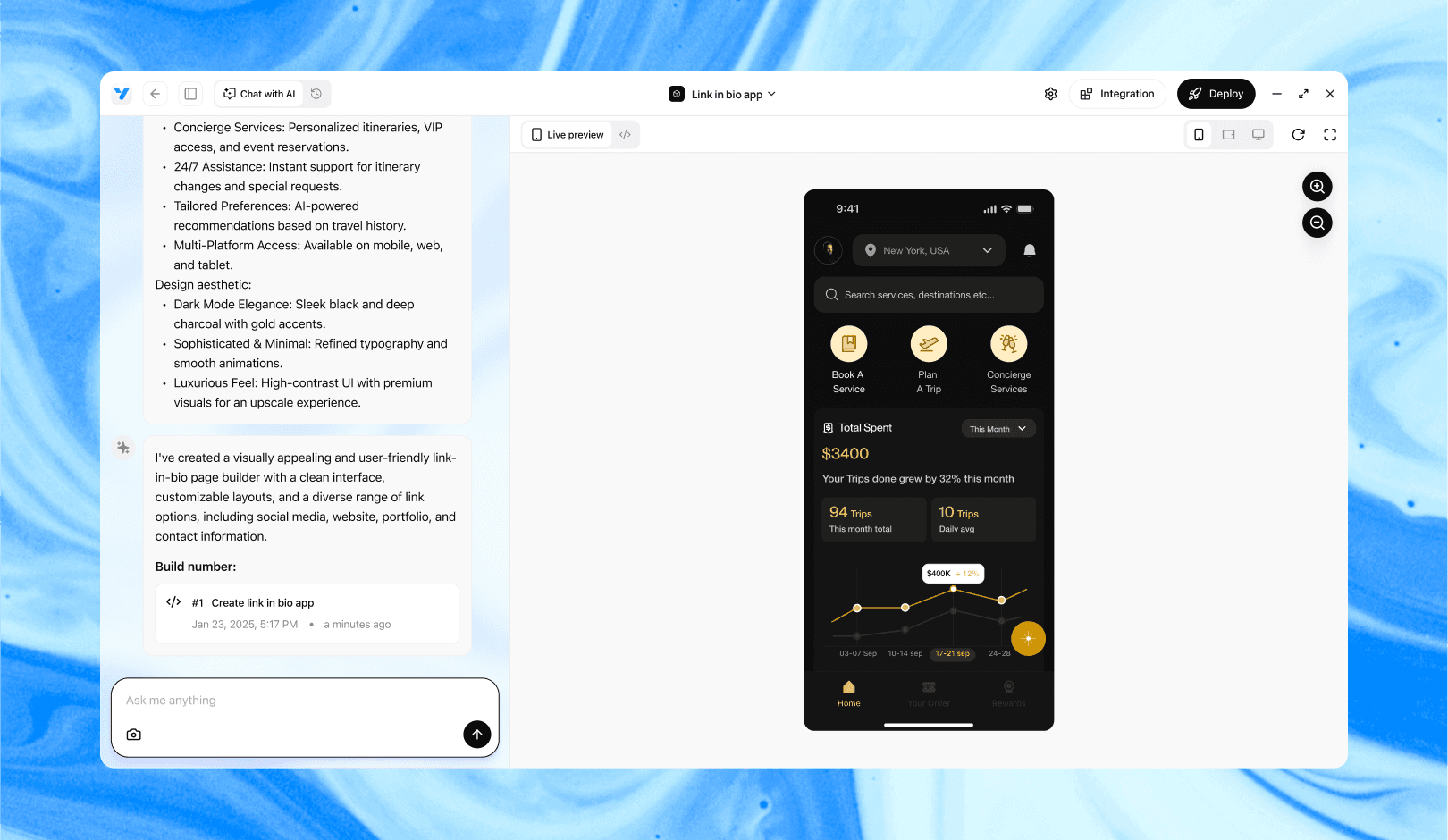
Vibe Studio, powered by Steve’s advanced AI agents, is a revolutionary no-code, conversational platform that empowers users to quickly and efficiently create full-stack Flutter applications integrated seamlessly with Firebase backend services. Ideal for solo founders, startups, and agile engineering teams, Vibe Studio allows users to visually manage and deploy Flutter apps, greatly accelerating the development process. The intuitive conversational interface simplifies complex development tasks, making app creation accessible even for non-coders.

Conclusion

AutomaticKeepAlive is a precise tool: it preserves per-item state and eliminates costly rebuilds for specific list children. Use it when preserving controllers, animations, or heavy initialization improves UX; avoid blanket use across simple rows. Combine keep-alives with layout optimizations (itemExtent, cacheExtent) and measure memory cost with DevTools. Thoughtful application of AutomaticKeepAlive yields smoother scrolling and fewer surprises in Flutter mobile development.


Introduction

Lists are the workhorse of mobile UI. In Flutter, ListView and its builder variants lazily build children as they scroll — a necessary optimization for memory and CPU. But lazy creation means stateful children can be destroyed when scrolled offscreen, causing expensive rebuilds and losing UI state (scroll positions, animations, form inputs). AutomaticKeepAlive provides a targeted mechanism to keep selected list children alive, preserving state and avoiding rebuild overhead. This article explains when and how to use AutomaticKeepAlive to master Flutter list performance.

Understanding AutomaticKeepAlive

AutomaticKeepAlive is a protocol for widgets to request being kept alive when they would normally be discarded by a scrolling container. The common implementation is AutomaticKeepAliveClientMixin on a StatefulWidget's State. When wantKeepAlive is true, the framework marks that element to remain in the tree even if it's offscreen. That reduces rebuilds and preserves local state, trades memory for CPU and UX stability.

Key behaviors:

  • It only affects subtree disposal for scrolling parents that respect keep-alives (ListView, SliverChildListDelegate, SliverChildBuilderDelegate with addAutomaticKeepAlives true).

  • It keeps the Element alive, not necessarily all heavy resources. Dispose still runs when the parent itself is disposed.

  • It is selective — you choose which children to keep alive, avoiding a wholesale memory increase.

When To Use KeepAlive

Use AutomaticKeepAlive when you need to preserve per-item state and where rebuilding is costly:

  • Complex child widgets with heavy rebuild or initialization costs (charts, maps, media players).

  • Children maintaining local controllers (AnimationController, TextEditingController) whose state must survive scrolling.

  • Widgets with expensive network loading you don't want to repeat repeatedly.

Avoid overusing it for trivial list items (simple text rows). Keeping many complex items alive can increase memory usage and may harm overall app performance on low-memory devices.

Implementation Patterns

The common pattern uses AutomaticKeepAliveClientMixin. Override wantKeepAlive to return true, and call updateKeepAlive if you toggle the value.

Example: a stateful list item that keeps its state alive.

class KeepAliveListItem extends StatefulWidget {
  final int index;
  KeepAliveListItem(this.index);
  @override
  _KeepAliveListItemState createState() => _KeepAliveListItemState();
}

class _KeepAliveListItemState extends State<KeepAliveListItem>
    with AutomaticKeepAliveClientMixin {
  @override
  bool get wantKeepAlive => true;

  @override
  Widget build(BuildContext context) {
    super.build(context); // required when using mixin
    return ListTile(title: Text('Item ${widget.index}'));
  }
}

ListView and Slivers will automatically honor addAutomaticKeepAlives (true by default) for builders that create AutomaticKeepAliveClientMixin children. If you need dynamic control (keep some items alive but not others), base wantKeepAlive on internal state and call setState + updateKeepAlive() when it changes.

Performance Tips

  • Combine keep-alives with virtualization settings: Use itemExtent if your rows have fixed height; this reduces layout cost. Use cacheExtent to control how far ahead the framework builds offscreen children.

  • Profile memory and GC: Keeping many heavyweight items alive increases retained memory. Use Flutter DevTools’ memory and timelines to observe trade-offs.

  • Prefer lightweight preserved state via ValueNotifier or provider for simple data; reserve AutomaticKeepAlive for UI-heavy state (controllers, animations).

  • When embedding heavy widgets (video players, maps), consider manually attaching/detaching controllers in didChangeDependencies or when visibility changes, rather than keeping the whole widget alive.

  • For paged lists, keep only current page items alive; clear keep-alives when navigating away to release memory.

Small gotcha: when you mix in AutomaticKeepAliveClientMixin, call super.build(context) inside build so the mixin can register the keep-alive with the framework. Forgetting this prevents the keep-alive from working.

Vibe Studio

Vibe Studio, powered by Steve’s advanced AI agents, is a revolutionary no-code, conversational platform that empowers users to quickly and efficiently create full-stack Flutter applications integrated seamlessly with Firebase backend services. Ideal for solo founders, startups, and agile engineering teams, Vibe Studio allows users to visually manage and deploy Flutter apps, greatly accelerating the development process. The intuitive conversational interface simplifies complex development tasks, making app creation accessible even for non-coders.

Conclusion

AutomaticKeepAlive is a precise tool: it preserves per-item state and eliminates costly rebuilds for specific list children. Use it when preserving controllers, animations, or heavy initialization improves UX; avoid blanket use across simple rows. Combine keep-alives with layout optimizations (itemExtent, cacheExtent) and measure memory cost with DevTools. Thoughtful application of AutomaticKeepAlive yields smoother scrolling and fewer surprises in Flutter mobile development.

Build Flutter Apps Faster with Vibe Studio

Build Flutter Apps Faster with Vibe Studio

Build Flutter Apps Faster with Vibe Studio

Build Flutter Apps Faster with Vibe Studio

Vibe Studio is your AI-powered Flutter development companion. Skip boilerplate, build in real-time, and deploy without hassle. Start creating apps at lightning speed with zero setup.

Vibe Studio is your AI-powered Flutter development companion. Skip boilerplate, build in real-time, and deploy without hassle. Start creating apps at lightning speed with zero setup.

Vibe Studio is your AI-powered Flutter development companion. Skip boilerplate, build in real-time, and deploy without hassle. Start creating apps at lightning speed with zero setup.

Vibe Studio is your AI-powered Flutter development companion. Skip boilerplate, build in real-time, and deploy without hassle. Start creating apps at lightning speed with zero setup.

Other Insights

Other Insights

Other Insights

Other Insights

Join a growing community of builders today

Join a growing community of builders today

Join a growing community of builders today

Join a growing community of builders today

Join a growing community of builders today

28-07 Jackson Ave

Walturn

New York NY 11101 United States

© Steve • All Rights Reserved 2025

28-07 Jackson Ave

Walturn

New York NY 11101 United States

© Steve • All Rights Reserved 2025

28-07 Jackson Ave

Walturn

New York NY 11101 United States

© Steve • All Rights Reserved 2025

28-07 Jackson Ave

Walturn

New York NY 11101 United States

© Steve • All Rights Reserved 2025

28-07 Jackson Ave

Walturn

New York NY 11101 United States

© Steve • All Rights Reserved 2025

28-07 Jackson Ave

Walturn

New York NY 11101 United States

© Steve • All Rights Reserved 2025