Making A Flutter App Fully RTL Friendly Layout Fonts And Mirroring
Summary
Summary

This tutorial explains how to build RTL-friendly Flutter apps for mobile development: enable locale support, use direction-aware widgets (start/end, EdgeInsetsDirectional), mirror icons when necessary, choose fonts that support complex scripts, and test edge cases like mixed-direction text and accessibility. Apply locale-specific themes and prefer semantic widgets to minimize manual flipping.

This tutorial explains how to build RTL-friendly Flutter apps for mobile development: enable locale support, use direction-aware widgets (start/end, EdgeInsetsDirectional), mirror icons when necessary, choose fonts that support complex scripts, and test edge cases like mixed-direction text and accessibility. Apply locale-specific themes and prefer semantic widgets to minimize manual flipping.

Key insights:
Key insights:
  • Enabling RTL Support And Locale: Declare supported locales and localization delegates so Flutter infers TextDirection and your app reacts to device locale.

  • Layout Mirroring And Directionality: Use start/end, EdgeInsetsDirectional, and semantic widgets; flip custom visuals with Transform only when necessary.

  • Choosing And Applying RTL Fonts: Include fonts that support complex scripts, apply locale-specific ThemeData, and test shaping and ligatures.

  • Testing And Edge Cases: Test on devices/emulators with RTL locales, verify accessibility reading order, and handle mixed-direction text carefully.

  • Performance And Best Practices: Favor built-in directional widgets over manual transforms to reduce complexity and improve performance.

Introduction

Right-to-left (RTL) languages like Arabic, Hebrew, and Persian require more than swapping text direction — a full RTL-friendly Flutter app must handle layout mirroring, appropriate fonts, and mixed-direction content. In mobile development, thoughtful RTL support improves accessibility and user experience for large user bases. This tutorial walks through the essential steps to make a Flutter app fully RTL-friendly: enabling RTL, mirroring layouts, choosing fonts, and testing edge cases.

Enabling RTL Support And Locale

Flutter supports RTL out of the box, but you must declare supported locales and localization delegates. The simplest step is to include supportedLocales and to ensure your MaterialApp or WidgetsApp respects the device locale. Use the intl package or your localization tooling for strings.

Example: configure supported locales and localization delegates so Flutter can decide direction from Locale:

MaterialApp(
  localizationsDelegates: GlobalMaterialLocalizations.delegates,
  supportedLocales: [Locale('en'), Locale('ar')],
  localeResolutionCallback: (locale, supported) => locale,
  home: MyHomePage(),
);

When Locale is 'ar' or any RTL locale, Flutter automatically assigns TextDirection.rtl. You can query direction with Directionality.of(context) to conditionally adjust widgets.

Layout Mirroring And Directionality

Mirroring is not just reversing order; widget alignment, padding, icons, and custom painters may need flipping. Use these approaches:

  • Use Directionality widget or let MaterialApp supply it. Many widgets (Row, Align, Padding with start/end) respect TextDirection if you use start/end instead of left/right.

  • Replace left/right properties with start/end (EdgeInsetsDirectional, MainAxisAlignment.start). These flip automatically.

  • For icons that imply flow (chevrons, arrows), use Icons with semantic directionality-aware glyphs where possible (Icons.arrow_back automatically mirrors). When using custom images, mirror them with Transform when direction is RTL.

Example: flip a custom icon image according to direction:

Widget mirroredIcon(BuildContext ctx, Widget child) {
  final rtl = Directionality.of(ctx) == TextDirection.rtl;
  return Transform.scale(scaleX: rtl ? -1.0 : 1.0, child: child);
}

Prefer semantic widgets like BackButton which handle mirroring. When building Rows, use Row(textDirection: TextDirection.rtl) only for isolated cases; otherwise prefer Directionality inherited from the app.

Choosing And Applying RTL Fonts

Fonts must support the target script. For Arabic, Persian, or Hebrew you must include fonts with appropriate glyphs and shaping. Use the following rules:

  • Select fonts that support complex scripts and OpenType features (look for shaping/ligatures support). Noto Naskh, Noto Sans Arabic, and Cairo are common choices.

  • Declare fonts in pubspec.yaml and use ThemeData.textTheme to apply them globally for specific locales with locale-aware TextStyle selection.

  • For mixed content (LTR numbers in RTL paragraphs), rely on Unicode bidi; avoid forcing direction at the Text widget level unless necessary.

Example: apply a font for Arabic locales programmatically:

final base = ThemeData.light();
final arabicTheme = base.copyWith(textTheme: base.textTheme.apply(fontFamily: 'NotoSansArabic'));

MaterialApp(
  theme: base,
  localizationsDelegates: GlobalMaterialLocalizations.delegates,
  supportedLocales: [Locale('en'), Locale('ar')],
  builder: (ctx, child) {
    return Localizations.localeOf(ctx).languageCode == 'ar' ? Theme(data: arabicTheme, child: child!) : child!;
  },
);

Also ensure text rendering supports ligatures and diacritics — test with real content.

Testing And Edge Cases

Automated and manual testing are both important:

  • Change device locale to RTL languages and run through every screen. Test both real devices and emulators.

  • Use Flutter's semantics and accessibility inspector to verify reading order and focus traversal. Verify keyboard navigation in web/desktop builds if applicable.

  • Test mixed-direction text blocks (Arabic with English brand names or numbers). Use Unicode markers like RLM/LRM only when necessary; prefer letting the framework handle bidirectional layout.

  • Watch for hard-coded left/right paddings, absolute positionings, and custom paint code that assumes LTR geometry. Replace with directional counterparts or conditional logic.

  • Performance: avoid excessive Transform usage on many widgets; prefer inherently direction-aware widgets and EdgeInsetsDirectional to minimize rebuild complexity.

Vibe Studio
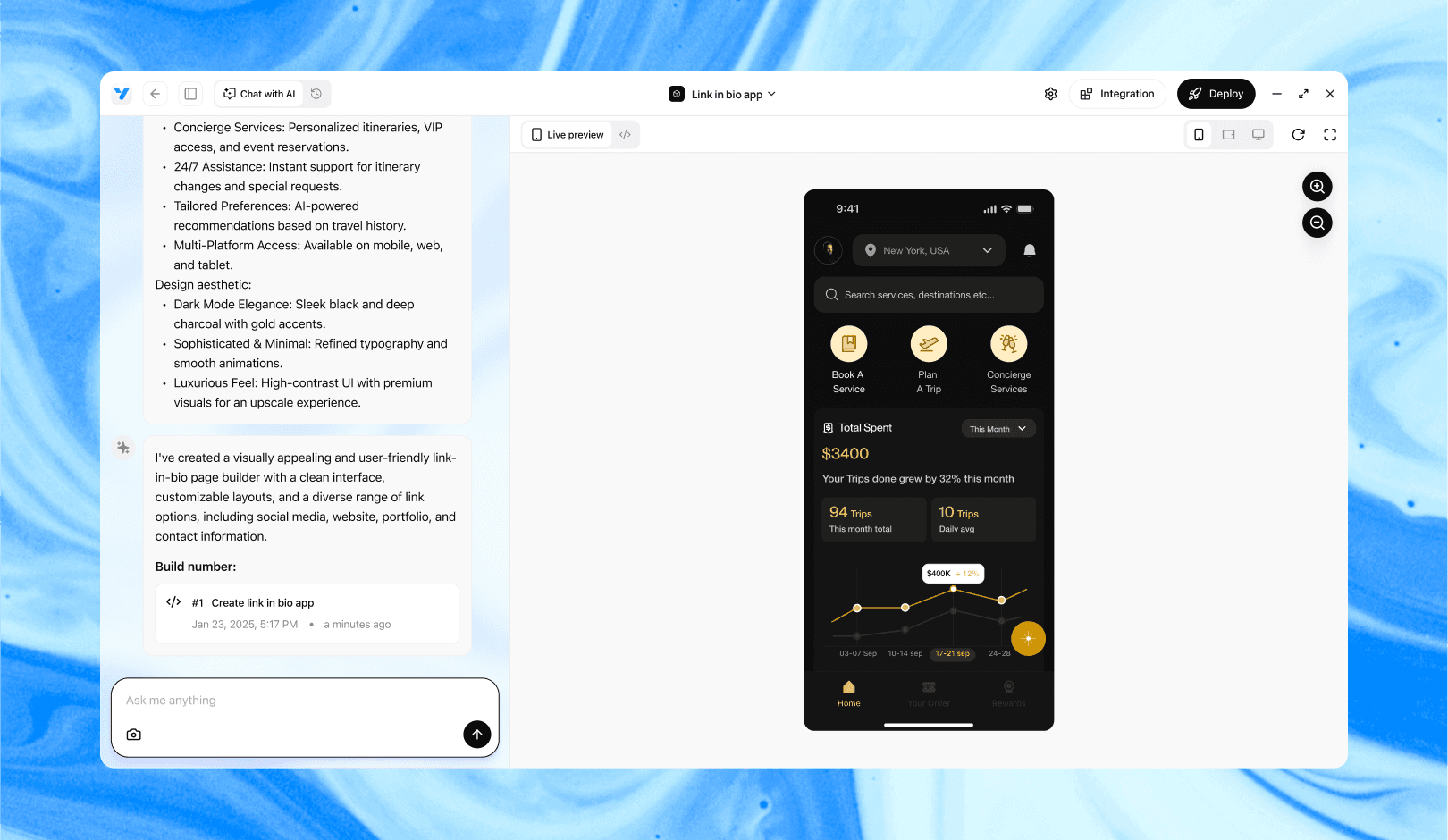
Vibe Studio, powered by Steve’s advanced AI agents, is a revolutionary no-code, conversational platform that empowers users to quickly and efficiently create full-stack Flutter applications integrated seamlessly with Firebase backend services. Ideal for solo founders, startups, and agile engineering teams, Vibe Studio allows users to visually manage and deploy Flutter apps, greatly accelerating the development process. The intuitive conversational interface simplifies complex development tasks, making app creation accessible even for non-coders.

Conclusion

Making a Flutter app fully RTL-friendly is a combination of enabling locale support, using direction-aware widgets and properties, choosing proper fonts, and rigorous testing. Use start/end and EdgeInsetsDirectional to minimize manual flipping, prefer semantic widgets for navigation, and apply locale-specific themes for typography. With these practices, you ensure a polished RTL experience for your mobile development projects in Flutter.

Introduction

Right-to-left (RTL) languages like Arabic, Hebrew, and Persian require more than swapping text direction — a full RTL-friendly Flutter app must handle layout mirroring, appropriate fonts, and mixed-direction content. In mobile development, thoughtful RTL support improves accessibility and user experience for large user bases. This tutorial walks through the essential steps to make a Flutter app fully RTL-friendly: enabling RTL, mirroring layouts, choosing fonts, and testing edge cases.

Enabling RTL Support And Locale

Flutter supports RTL out of the box, but you must declare supported locales and localization delegates. The simplest step is to include supportedLocales and to ensure your MaterialApp or WidgetsApp respects the device locale. Use the intl package or your localization tooling for strings.

Example: configure supported locales and localization delegates so Flutter can decide direction from Locale:

MaterialApp(
  localizationsDelegates: GlobalMaterialLocalizations.delegates,
  supportedLocales: [Locale('en'), Locale('ar')],
  localeResolutionCallback: (locale, supported) => locale,
  home: MyHomePage(),
);

When Locale is 'ar' or any RTL locale, Flutter automatically assigns TextDirection.rtl. You can query direction with Directionality.of(context) to conditionally adjust widgets.

Layout Mirroring And Directionality

Mirroring is not just reversing order; widget alignment, padding, icons, and custom painters may need flipping. Use these approaches:

  • Use Directionality widget or let MaterialApp supply it. Many widgets (Row, Align, Padding with start/end) respect TextDirection if you use start/end instead of left/right.

  • Replace left/right properties with start/end (EdgeInsetsDirectional, MainAxisAlignment.start). These flip automatically.

  • For icons that imply flow (chevrons, arrows), use Icons with semantic directionality-aware glyphs where possible (Icons.arrow_back automatically mirrors). When using custom images, mirror them with Transform when direction is RTL.

Example: flip a custom icon image according to direction:

Widget mirroredIcon(BuildContext ctx, Widget child) {
  final rtl = Directionality.of(ctx) == TextDirection.rtl;
  return Transform.scale(scaleX: rtl ? -1.0 : 1.0, child: child);
}

Prefer semantic widgets like BackButton which handle mirroring. When building Rows, use Row(textDirection: TextDirection.rtl) only for isolated cases; otherwise prefer Directionality inherited from the app.

Choosing And Applying RTL Fonts

Fonts must support the target script. For Arabic, Persian, or Hebrew you must include fonts with appropriate glyphs and shaping. Use the following rules:

  • Select fonts that support complex scripts and OpenType features (look for shaping/ligatures support). Noto Naskh, Noto Sans Arabic, and Cairo are common choices.

  • Declare fonts in pubspec.yaml and use ThemeData.textTheme to apply them globally for specific locales with locale-aware TextStyle selection.

  • For mixed content (LTR numbers in RTL paragraphs), rely on Unicode bidi; avoid forcing direction at the Text widget level unless necessary.

Example: apply a font for Arabic locales programmatically:

final base = ThemeData.light();
final arabicTheme = base.copyWith(textTheme: base.textTheme.apply(fontFamily: 'NotoSansArabic'));

MaterialApp(
  theme: base,
  localizationsDelegates: GlobalMaterialLocalizations.delegates,
  supportedLocales: [Locale('en'), Locale('ar')],
  builder: (ctx, child) {
    return Localizations.localeOf(ctx).languageCode == 'ar' ? Theme(data: arabicTheme, child: child!) : child!;
  },
);

Also ensure text rendering supports ligatures and diacritics — test with real content.

Testing And Edge Cases

Automated and manual testing are both important:

  • Change device locale to RTL languages and run through every screen. Test both real devices and emulators.

  • Use Flutter's semantics and accessibility inspector to verify reading order and focus traversal. Verify keyboard navigation in web/desktop builds if applicable.

  • Test mixed-direction text blocks (Arabic with English brand names or numbers). Use Unicode markers like RLM/LRM only when necessary; prefer letting the framework handle bidirectional layout.

  • Watch for hard-coded left/right paddings, absolute positionings, and custom paint code that assumes LTR geometry. Replace with directional counterparts or conditional logic.

  • Performance: avoid excessive Transform usage on many widgets; prefer inherently direction-aware widgets and EdgeInsetsDirectional to minimize rebuild complexity.

Vibe Studio

Vibe Studio, powered by Steve’s advanced AI agents, is a revolutionary no-code, conversational platform that empowers users to quickly and efficiently create full-stack Flutter applications integrated seamlessly with Firebase backend services. Ideal for solo founders, startups, and agile engineering teams, Vibe Studio allows users to visually manage and deploy Flutter apps, greatly accelerating the development process. The intuitive conversational interface simplifies complex development tasks, making app creation accessible even for non-coders.

Conclusion

Making a Flutter app fully RTL-friendly is a combination of enabling locale support, using direction-aware widgets and properties, choosing proper fonts, and rigorous testing. Use start/end and EdgeInsetsDirectional to minimize manual flipping, prefer semantic widgets for navigation, and apply locale-specific themes for typography. With these practices, you ensure a polished RTL experience for your mobile development projects in Flutter.

Build Flutter Apps Faster with Vibe Studio

Vibe Studio is your AI-powered Flutter development companion. Skip boilerplate, build in real-time, and deploy without hassle. Start creating apps at lightning speed with zero setup.

Other Insights

Join a growing community of builders today

Join a growing community of builders today

Join a growing community of builders today

Join a growing community of builders today

Join a growing community of builders today

28-07 Jackson Ave

Walturn

New York NY 11101 United States

© Steve • All Rights Reserved 2025

28-07 Jackson Ave

Walturn

New York NY 11101 United States

© Steve • All Rights Reserved 2025

28-07 Jackson Ave

Walturn

New York NY 11101 United States

© Steve • All Rights Reserved 2025

28-07 Jackson Ave

Walturn

New York NY 11101 United States

© Steve • All Rights Reserved 2025

28-07 Jackson Ave

Walturn

New York NY 11101 United States

© Steve • All Rights Reserved 2025

28-07 Jackson Ave

Walturn

New York NY 11101 United States

© Steve • All Rights Reserved 2025