Internationalization Best Practices With ICU Plurals And Genders
Summary
Summary

This tutorial explains ICU plural and gender best practices for Flutter mobile development: design explicit plural categories, use gender selectors only when grammar demands, keep strings declarative in ARB/Dart, add translator notes, and integrate via intl tooling for correct, maintainable localization.

This tutorial explains ICU plural and gender best practices for Flutter mobile development: design explicit plural categories, use gender selectors only when grammar demands, keep strings declarative in ARB/Dart, add translator notes, and integrate via intl tooling for correct, maintainable localization.

Key insights:
Key insights:
  • Why ICU Matters: ICU handles locale-specific plural and gender rules, preventing brittle conditional logic in UI code.

  • Designing Plurals: Use explicit plural categories (zero/one/few/other), include counts in messages, and add translator context.

  • Handling Genders: Use gender selectors only for grammatical needs and always provide a neutral 'other' form.

  • Implementation In Flutter: Keep localization in ARB/Dart via intl, extract/generate messages, and avoid runtime string logic in widgets.

  • Testing And Tooling: Use pseudo-locales and test languages with many plural categories; include clear ARB metadata for translators.

Introduction

Internationalization is a core concern for Flutter apps that target global audiences. In mobile development, surface text, numbers, plurals, and gender-sensitive phrases must adapt correctly to each language and locale. The ICU MessageFormat family (used by ARB and the Dart intl package) provides plural and gender selectors that express complex linguistic rules in a maintainable way. This guide focuses on pragmatic best practices for ICU plurals and genders in Flutter, with concrete examples and implementation tips.

Why ICU Matters

ICU plural and gender selectors encode locale-specific rules that go beyond simple singular/plural dichotomies. For example, Russian and Arabic have multiple plural categories; some languages require different verb forms depending on grammatical gender. Using ICU prevents incorrect fallbacks and reduces the need for conditional code. Always generate strings with ICU-compatible syntax (ARB files for Flutter) and avoid building plural/gender logic in UI code — keep localization declarative and data-driven.

Designing Plurals

Designing plural messages starts with a single canonical message in English, then expands to handle other locales. Key recommendations:

  • Prefer explicit categories instead of numeric interpolation in UI strings. Use 'zero', 'one', 'two', 'few', 'many', and 'other' where appropriate.

  • Keep messages short and focused; avoid embedding markup or UI semantics inside localized strings.

  • When a plural involves a noun and a count, include the count in the message using the #{count} placeholder so translators know where numbers appear.

  • For ambiguous nouns (like units), provide description and context in ARB comments.

Example Dart usage with intl:

import 'package:intl/intl.dart';
String itemsMessage(int count) => Intl.plural(
  count,
  zero: 'No items',
  one: '1 item',
  other: '$count items',
  name: 'itemsMessage',
  args: [count],
);

This keeps logic in localization code, not in widgets.

Handling Genders

Gender is sensitive and often cultural. Use ICU gender selectors to express variants for 'male', 'female', and 'other' when grammatical agreement is required (e.g., adjectives or past participles). Best practices:

  • Use gender only when it changes grammar; do not ask for or encode gender solely for personalization.

  • Provide a neutral 'other' form for all messages. Many languages prefer a neutral or inclusive form.

  • Supply translator notes in ARB files so translators know why gender is present and how it should translate.

Example pattern in ARB (ICU string shown as a Dart-style message for clarity):

String welcomeMessage(String gender, String name) =>
  Intl.gender(
    gender,
    male: 'Welcome, Mr. $name',
    female: 'Welcome, Ms. $name',
    other: 'Welcome, $name',
    name: 'welcomeMessage',
    args: [gender, name],
  );

Implementation In Flutter

Integrate ICU-based messages via the intl tooling and ARB files. Key steps:

  • Define messages in Dart with Intl.message, Intl.plural, and Intl.gender.

  • Extract messages to ARB using the intl_translation or Flutter Intl tooling, add translations, then generate localization classes.

  • Keep locale switch and widget-building code free of string logic: call generated getters or functions that return fully formatted messages.

  • Use pluralization for counts displayed in lists, notifications, and persistent UI elements; use gender selectors for grammatically dependent fragments.

  • Review generated localization code to ensure args and names match usage; mismatches lead to runtime errors.

Performance and maintenance tips:

  • Cache localized formatters if messages require expensive formatting (dates, numbers, plural rules in tight loops).

  • Provide clear ARB metadata (description/context) to translators to avoid incorrect grammatical choices.

  • Test with pseudo-locales and languages with many plural categories to catch layout and logic issues early.

Vibe Studio
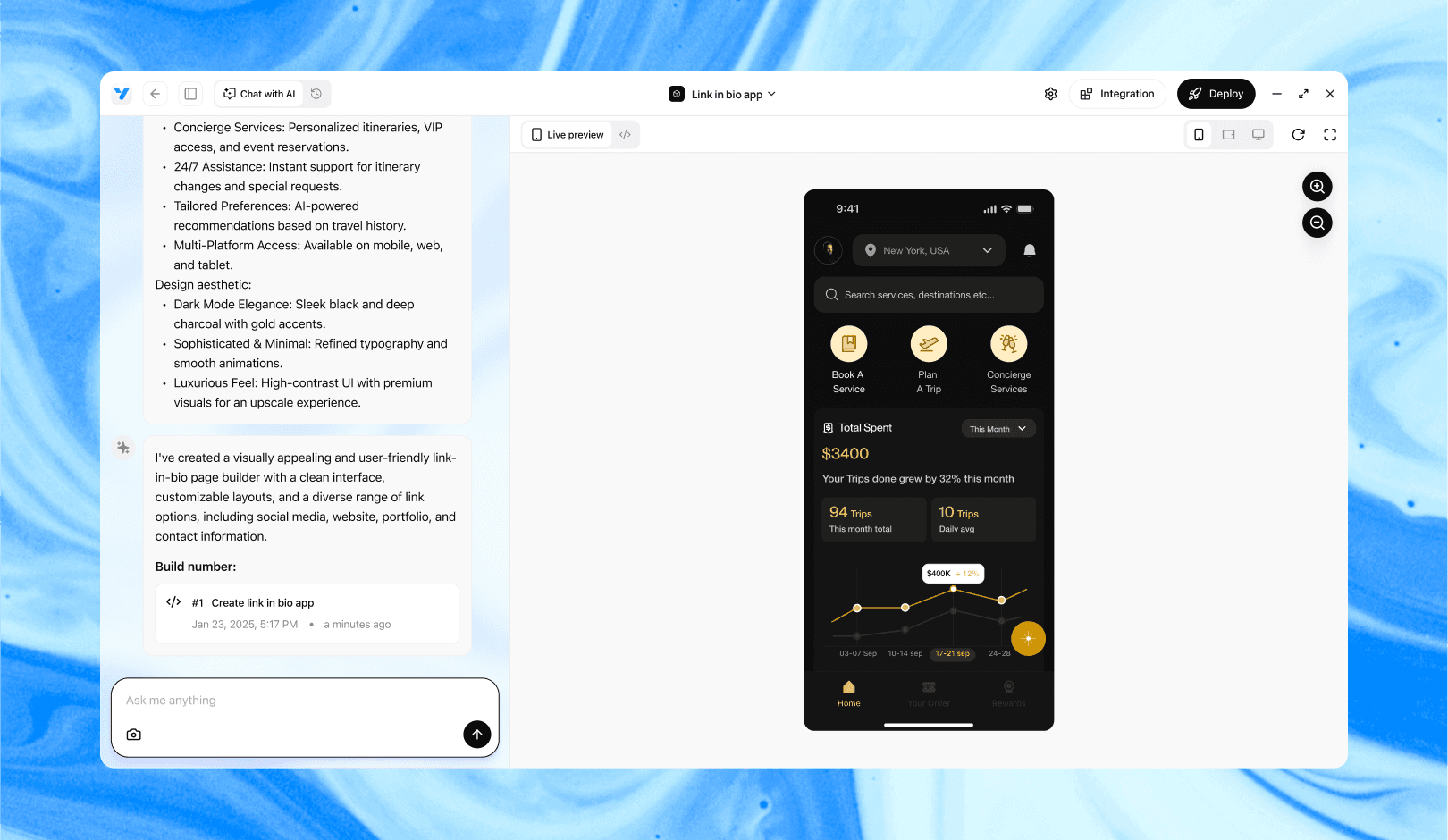
Vibe Studio, powered by Steve’s advanced AI agents, is a revolutionary no-code, conversational platform that empowers users to quickly and efficiently create full-stack Flutter applications integrated seamlessly with Firebase backend services. Ideal for solo founders, startups, and agile engineering teams, Vibe Studio allows users to visually manage and deploy Flutter apps, greatly accelerating the development process. The intuitive conversational interface simplifies complex development tasks, making app creation accessible even for non-coders.

Conclusion

ICU plurals and gender selectors are essential tools for robust internationalization in Flutter mobile development. Keep localization declarative: author ICU-friendly messages, provide context in ARB, and avoid ad hoc string logic in widgets. With disciplined message design, thorough translator notes, and automated extraction/generation workflows, your app will handle complex plural and gender rules correctly across locales while remaining maintainable and testable.


Introduction

Internationalization is a core concern for Flutter apps that target global audiences. In mobile development, surface text, numbers, plurals, and gender-sensitive phrases must adapt correctly to each language and locale. The ICU MessageFormat family (used by ARB and the Dart intl package) provides plural and gender selectors that express complex linguistic rules in a maintainable way. This guide focuses on pragmatic best practices for ICU plurals and genders in Flutter, with concrete examples and implementation tips.

Why ICU Matters

ICU plural and gender selectors encode locale-specific rules that go beyond simple singular/plural dichotomies. For example, Russian and Arabic have multiple plural categories; some languages require different verb forms depending on grammatical gender. Using ICU prevents incorrect fallbacks and reduces the need for conditional code. Always generate strings with ICU-compatible syntax (ARB files for Flutter) and avoid building plural/gender logic in UI code — keep localization declarative and data-driven.

Designing Plurals

Designing plural messages starts with a single canonical message in English, then expands to handle other locales. Key recommendations:

  • Prefer explicit categories instead of numeric interpolation in UI strings. Use 'zero', 'one', 'two', 'few', 'many', and 'other' where appropriate.

  • Keep messages short and focused; avoid embedding markup or UI semantics inside localized strings.

  • When a plural involves a noun and a count, include the count in the message using the #{count} placeholder so translators know where numbers appear.

  • For ambiguous nouns (like units), provide description and context in ARB comments.

Example Dart usage with intl:

import 'package:intl/intl.dart';
String itemsMessage(int count) => Intl.plural(
  count,
  zero: 'No items',
  one: '1 item',
  other: '$count items',
  name: 'itemsMessage',
  args: [count],
);

This keeps logic in localization code, not in widgets.

Handling Genders

Gender is sensitive and often cultural. Use ICU gender selectors to express variants for 'male', 'female', and 'other' when grammatical agreement is required (e.g., adjectives or past participles). Best practices:

  • Use gender only when it changes grammar; do not ask for or encode gender solely for personalization.

  • Provide a neutral 'other' form for all messages. Many languages prefer a neutral or inclusive form.

  • Supply translator notes in ARB files so translators know why gender is present and how it should translate.

Example pattern in ARB (ICU string shown as a Dart-style message for clarity):

String welcomeMessage(String gender, String name) =>
  Intl.gender(
    gender,
    male: 'Welcome, Mr. $name',
    female: 'Welcome, Ms. $name',
    other: 'Welcome, $name',
    name: 'welcomeMessage',
    args: [gender, name],
  );

Implementation In Flutter

Integrate ICU-based messages via the intl tooling and ARB files. Key steps:

  • Define messages in Dart with Intl.message, Intl.plural, and Intl.gender.

  • Extract messages to ARB using the intl_translation or Flutter Intl tooling, add translations, then generate localization classes.

  • Keep locale switch and widget-building code free of string logic: call generated getters or functions that return fully formatted messages.

  • Use pluralization for counts displayed in lists, notifications, and persistent UI elements; use gender selectors for grammatically dependent fragments.

  • Review generated localization code to ensure args and names match usage; mismatches lead to runtime errors.

Performance and maintenance tips:

  • Cache localized formatters if messages require expensive formatting (dates, numbers, plural rules in tight loops).

  • Provide clear ARB metadata (description/context) to translators to avoid incorrect grammatical choices.

  • Test with pseudo-locales and languages with many plural categories to catch layout and logic issues early.

Vibe Studio

Vibe Studio, powered by Steve’s advanced AI agents, is a revolutionary no-code, conversational platform that empowers users to quickly and efficiently create full-stack Flutter applications integrated seamlessly with Firebase backend services. Ideal for solo founders, startups, and agile engineering teams, Vibe Studio allows users to visually manage and deploy Flutter apps, greatly accelerating the development process. The intuitive conversational interface simplifies complex development tasks, making app creation accessible even for non-coders.

Conclusion

ICU plurals and gender selectors are essential tools for robust internationalization in Flutter mobile development. Keep localization declarative: author ICU-friendly messages, provide context in ARB, and avoid ad hoc string logic in widgets. With disciplined message design, thorough translator notes, and automated extraction/generation workflows, your app will handle complex plural and gender rules correctly across locales while remaining maintainable and testable.

Build Flutter Apps Faster with Vibe Studio

Vibe Studio is your AI-powered Flutter development companion. Skip boilerplate, build in real-time, and deploy without hassle. Start creating apps at lightning speed with zero setup.

Other Insights

Join a growing community of builders today

Join a growing community of builders today

Join a growing community of builders today

Join a growing community of builders today

Join a growing community of builders today

28-07 Jackson Ave

Walturn

New York NY 11101 United States

© Steve • All Rights Reserved 2025

28-07 Jackson Ave

Walturn

New York NY 11101 United States

© Steve • All Rights Reserved 2025

28-07 Jackson Ave

Walturn

New York NY 11101 United States

© Steve • All Rights Reserved 2025

28-07 Jackson Ave

Walturn

New York NY 11101 United States

© Steve • All Rights Reserved 2025

28-07 Jackson Ave

Walturn

New York NY 11101 United States

© Steve • All Rights Reserved 2025

28-07 Jackson Ave

Walturn

New York NY 11101 United States

© Steve • All Rights Reserved 2025