Integrating Bluetooth LE In Flutter Scanning Connecting And Streams
Summary
Summary

This tutorial explains integrating Bluetooth LE into Flutter mobile development: pick a BLE package (flutter_reactive_ble recommended), set platform permissions, scan with service filters, connect using streamed connection states, and subscribe to characteristic notification streams. Focus on subscription lifecycle, debounced UI updates, error handling, and reconnection strategies for reliable BLE interactions.

This tutorial explains integrating Bluetooth LE into Flutter mobile development: pick a BLE package (flutter_reactive_ble recommended), set platform permissions, scan with service filters, connect using streamed connection states, and subscribe to characteristic notification streams. Focus on subscription lifecycle, debounced UI updates, error handling, and reconnection strategies for reliable BLE interactions.

Key insights:
Key insights:
  • Choosing A Bluetooth Package: Use flutter_reactive_ble for clean stream-based APIs and better connection handling.

  • Requesting Permissions And Platform Setup: Proper Android/iOS manifest entries and runtime permission checks are required before scanning.

  • Scanning Devices And Filtering: Filter by service UUID and debounce UI updates to improve performance and reduce noise.

  • Connecting To Devices And Using Streams: Treat connection state and characteristic notifications as streams and manage subscriptions lifecycle.

  • Error Handling And Reconnection: Implement exponential backoff and surface clear errors; avoid duplicate connection attempts.

Introduction

Bluetooth Low Energy (BLE) enables power-efficient wireless peripherals. In Flutter mobile development you can scan for devices, establish connections, and stream characteristic updates. This tutorial focuses on practical integration patterns: choosing a package, configuring permissions, scanning with filters, connecting reliably, and handling characteristic streams.

Choosing A Bluetooth Package

Two popular packages are flutter_reactive_ble and flutter_blue. For modern mobile development and robust stream handling prefer flutter_reactive_ble: it exposes connection and characteristic updates as streams, handles reconnection logic more cleanly, and separates scanning from connection state.

Add the package to pubspec.yaml:

// pubspec.yaml
dependencies:
  flutter_reactive_ble: ^5.0.0

Initialize the client at a top-level service or using Provider/Bloc to keep a single instance across the app:

final _ble = FlutterReactiveBle();

Requesting Permissions And Platform Setup

BLE requires runtime permissions and platform manifest entries:

  • Android: Add BLUETOOTH, BLUETOOTH_SCAN, BLUETOOTH_CONNECT, ACCESS_FINE_LOCATION (as required) to AndroidManifest; request runtime permissions via permission_handler or platform APIs.

  • iOS: Add NSBluetoothAlwaysUsageDescription and NSBluetoothPeripheralUsageDescription to Info.plist and enable Background Modes if needed.

Always check permission status at runtime and guide the user to settings if needed. A simple pattern:

  • Before scanning request location and BLE scan permissions.

  • Validate Bluetooth is powered on using BLE client state streams.

Scanning Devices And Filtering

Scanning returns a stream of discovered devices. Use service UUID filters to reduce noise and map scan results into app models. Keep a local cache keyed by deviceId to display a deduplicated list.

Example scanning snippet with flutter_reactive_ble:

final subscription = _ble.scanForDevices(
  withServices: [Uuid.parse("0000180d-0000-1000-8000-00805f9b34fb")],
  scanMode: ScanMode.lowLatency,
).listen((device) {
  // device.id, device.name, device.rssi
});

Practical tips:

  • Use service UUID filters whenever possible.

  • Debounce UI updates (e.g., collect results for 300ms then refresh list) to avoid repaint storms.

  • Respect platform scan durations to reduce battery use.

Connecting To Devices And Using Streams

Connections and characteristic interactions should be stream-driven. Treat a connection as a lifecycle: request connection, subscribe to connection state, discover services, then subscribe to characteristic updates. Always cancel subscriptions and disconnect on dispose.

A typical flow:

  • Call connectToDevice with a timeout and listen for ConnectionState updates.

  • Once connected, discover services or directly subscribe to known characteristic UUIDs.

  • Use characteristic notification streams to receive updates.

Example connecting and subscribing to a characteristic:

final connection = _ble.connectToDevice(id: deviceId, connectionTimeout: Duration(seconds: 10));
final connSub = connection.listen((state) async {
  if (state.connectionState == DeviceConnectionState.connected) {
    final stream = _ble.subscribeToCharacteristic(QualifiedCharacteristic(
      characteristicId: Uuid.parse("char-uuid"),
      serviceId: Uuid.parse("svc-uuid"),
      deviceId: deviceId,
    ));
    stream.listen((data) { /* handle bytes */ });
  }
});


Error handling and reconnection:

  • React to DeviceConnectionState.disconnected and attempt exponential backoff reconnection if appropriate.

  • Surface clear connection errors to the UI and allow manual retry.

  • Protect against multiple simultaneous connect calls for the same device by tracking in-flight connections.

Performance and threading:

  • Keep heavy processing off the UI thread. Map byte arrays to domain models in a separate isolate if parsing is costly.

  • Batch writes where possible and await write confirmation for reliable state.

Vibe Studio
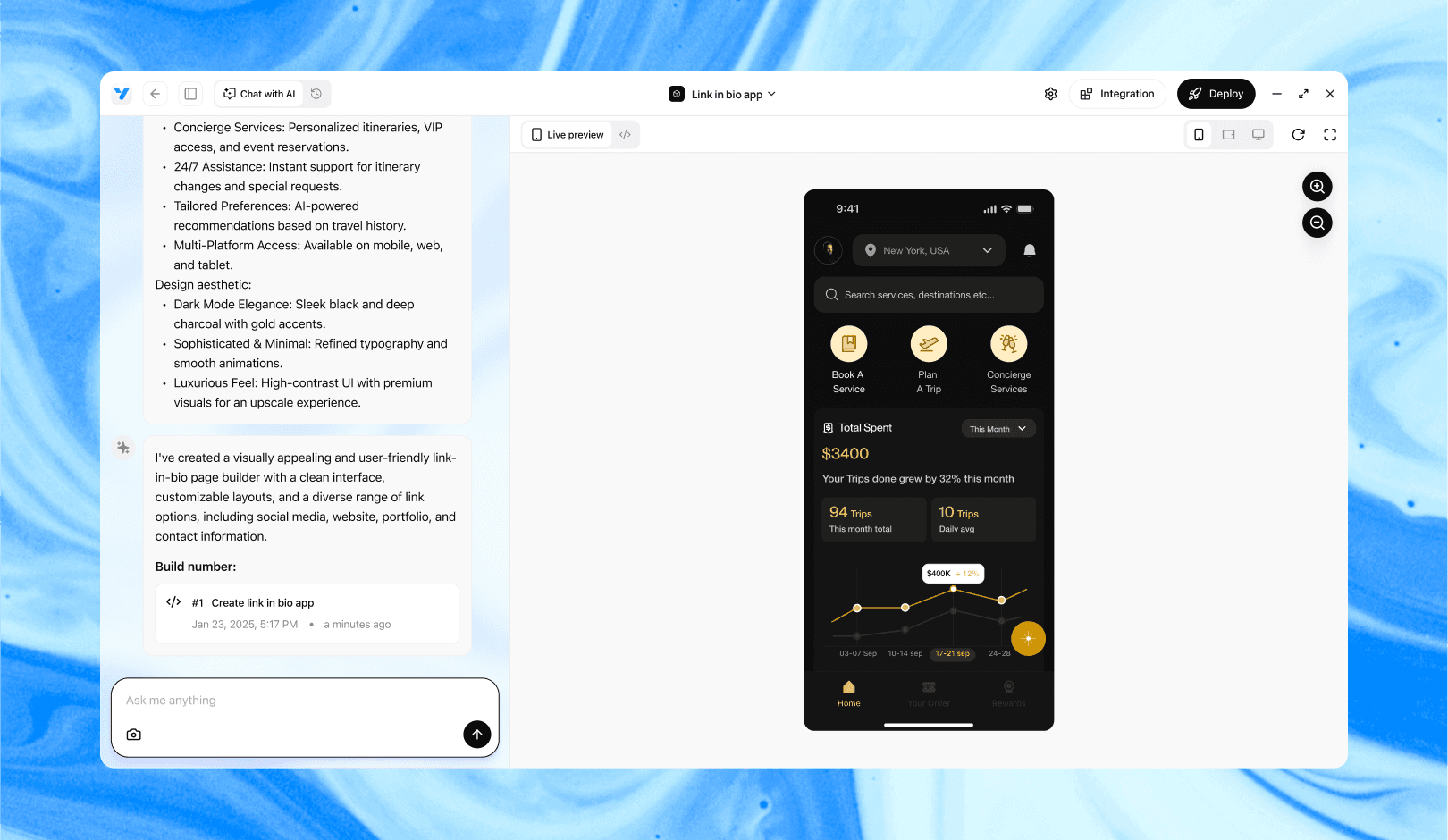
Vibe Studio, powered by Steve’s advanced AI agents, is a revolutionary no-code, conversational platform that empowers users to quickly and efficiently create full-stack Flutter applications integrated seamlessly with Firebase backend services. Ideal for solo founders, startups, and agile engineering teams, Vibe Studio allows users to visually manage and deploy Flutter apps, greatly accelerating the development process. The intuitive conversational interface simplifies complex development tasks, making app creation accessible even for non-coders.

Conclusion

Integrating BLE in Flutter requires careful package choice, correct platform permissions, and stream-first thinking. Use flutter_reactive_ble (or similar) to treat scanning, connection, and characteristic notifications as streams. Filter scans by UUID, manage subscriptions aggressively, and implement clear error and reconnection strategies. With these patterns you get a reliable, maintainable BLE layer suitable for production mobile development.


Introduction

Bluetooth Low Energy (BLE) enables power-efficient wireless peripherals. In Flutter mobile development you can scan for devices, establish connections, and stream characteristic updates. This tutorial focuses on practical integration patterns: choosing a package, configuring permissions, scanning with filters, connecting reliably, and handling characteristic streams.

Choosing A Bluetooth Package

Two popular packages are flutter_reactive_ble and flutter_blue. For modern mobile development and robust stream handling prefer flutter_reactive_ble: it exposes connection and characteristic updates as streams, handles reconnection logic more cleanly, and separates scanning from connection state.

Add the package to pubspec.yaml:

// pubspec.yaml
dependencies:
  flutter_reactive_ble: ^5.0.0

Initialize the client at a top-level service or using Provider/Bloc to keep a single instance across the app:

final _ble = FlutterReactiveBle();

Requesting Permissions And Platform Setup

BLE requires runtime permissions and platform manifest entries:

  • Android: Add BLUETOOTH, BLUETOOTH_SCAN, BLUETOOTH_CONNECT, ACCESS_FINE_LOCATION (as required) to AndroidManifest; request runtime permissions via permission_handler or platform APIs.

  • iOS: Add NSBluetoothAlwaysUsageDescription and NSBluetoothPeripheralUsageDescription to Info.plist and enable Background Modes if needed.

Always check permission status at runtime and guide the user to settings if needed. A simple pattern:

  • Before scanning request location and BLE scan permissions.

  • Validate Bluetooth is powered on using BLE client state streams.

Scanning Devices And Filtering

Scanning returns a stream of discovered devices. Use service UUID filters to reduce noise and map scan results into app models. Keep a local cache keyed by deviceId to display a deduplicated list.

Example scanning snippet with flutter_reactive_ble:

final subscription = _ble.scanForDevices(
  withServices: [Uuid.parse("0000180d-0000-1000-8000-00805f9b34fb")],
  scanMode: ScanMode.lowLatency,
).listen((device) {
  // device.id, device.name, device.rssi
});

Practical tips:

  • Use service UUID filters whenever possible.

  • Debounce UI updates (e.g., collect results for 300ms then refresh list) to avoid repaint storms.

  • Respect platform scan durations to reduce battery use.

Connecting To Devices And Using Streams

Connections and characteristic interactions should be stream-driven. Treat a connection as a lifecycle: request connection, subscribe to connection state, discover services, then subscribe to characteristic updates. Always cancel subscriptions and disconnect on dispose.

A typical flow:

  • Call connectToDevice with a timeout and listen for ConnectionState updates.

  • Once connected, discover services or directly subscribe to known characteristic UUIDs.

  • Use characteristic notification streams to receive updates.

Example connecting and subscribing to a characteristic:

final connection = _ble.connectToDevice(id: deviceId, connectionTimeout: Duration(seconds: 10));
final connSub = connection.listen((state) async {
  if (state.connectionState == DeviceConnectionState.connected) {
    final stream = _ble.subscribeToCharacteristic(QualifiedCharacteristic(
      characteristicId: Uuid.parse("char-uuid"),
      serviceId: Uuid.parse("svc-uuid"),
      deviceId: deviceId,
    ));
    stream.listen((data) { /* handle bytes */ });
  }
});


Error handling and reconnection:

  • React to DeviceConnectionState.disconnected and attempt exponential backoff reconnection if appropriate.

  • Surface clear connection errors to the UI and allow manual retry.

  • Protect against multiple simultaneous connect calls for the same device by tracking in-flight connections.

Performance and threading:

  • Keep heavy processing off the UI thread. Map byte arrays to domain models in a separate isolate if parsing is costly.

  • Batch writes where possible and await write confirmation for reliable state.

Vibe Studio

Vibe Studio, powered by Steve’s advanced AI agents, is a revolutionary no-code, conversational platform that empowers users to quickly and efficiently create full-stack Flutter applications integrated seamlessly with Firebase backend services. Ideal for solo founders, startups, and agile engineering teams, Vibe Studio allows users to visually manage and deploy Flutter apps, greatly accelerating the development process. The intuitive conversational interface simplifies complex development tasks, making app creation accessible even for non-coders.

Conclusion

Integrating BLE in Flutter requires careful package choice, correct platform permissions, and stream-first thinking. Use flutter_reactive_ble (or similar) to treat scanning, connection, and characteristic notifications as streams. Filter scans by UUID, manage subscriptions aggressively, and implement clear error and reconnection strategies. With these patterns you get a reliable, maintainable BLE layer suitable for production mobile development.

Build Flutter Apps Faster with Vibe Studio

Vibe Studio is your AI-powered Flutter development companion. Skip boilerplate, build in real-time, and deploy without hassle. Start creating apps at lightning speed with zero setup.

Other Insights

Join a growing community of builders today

Join a growing community of builders today

Join a growing community of builders today

Join a growing community of builders today

Join a growing community of builders today

28-07 Jackson Ave

Walturn

New York NY 11101 United States

© Steve • All Rights Reserved 2025

28-07 Jackson Ave

Walturn

New York NY 11101 United States

© Steve • All Rights Reserved 2025

28-07 Jackson Ave

Walturn

New York NY 11101 United States

© Steve • All Rights Reserved 2025

28-07 Jackson Ave

Walturn

New York NY 11101 United States

© Steve • All Rights Reserved 2025

28-07 Jackson Ave

Walturn

New York NY 11101 United States

© Steve • All Rights Reserved 2025

28-07 Jackson Ave

Walturn

New York NY 11101 United States

© Steve • All Rights Reserved 2025