Improving Flutter Web Text Input And IME Behavior
Jan 29, 2026


Summary
Summary
Summary
Summary
Improve Flutter web text input by respecting IME composition state, managing FocusNode explicitly, and applying composition-aware formatting. Use small DOM hooks only when necessary and test across browsers to avoid canceling user composition or causing unexpected blur behavior.
Key insights:
Key insights:
Key insights:
Key insights:
Understanding Web IME Behavior: IMEs use composition ranges; keep composing and selection intact to avoid canceling input.
Use Focus And Text Input Configuration: Control focus with FocusNode and configure keyboardType and inputFormatters to align browser and on-screen keyboard behavior.
Handling Composition And Input Events: Check TextEditingValue.composing before transforming text; use dart:html listeners only for edge-case flags.
Practical Code Patterns: Implement composition-aware formatters, request focus on taps, and keep DOM hooks minimal and testable.
Testing And Debugging: Validate on multiple browsers and devices, reproducing rapid input and language switches to catch platform-specific quirks.
Introduction
Flutter web is getting closer to parity with mobile development, but text input and IME (Input Method Editor) behavior remain tricky. Web browsers and IMEs introduce composition events, focus/blur quirks, and platform-specific differences that can make text fields feel unreliable. This article gives practical, code-forward guidance to improve text input reliability on Flutter web. You will learn to respect composition state, manage focus, and combine Flutter text APIs with minimal web event hooks for smoother input behavior.
Understanding Web IME Behavior
IME systems (for CJK, complex scripts, and some accessibility input methods) use composition: the input is built in a temporary state before being committed to the document. On the web this happens through compositionstart/compositionupdate/compositionend and can interact poorly with frameworks that assume every text event is final.
Flutter's TextEditingValue provides a composing TextRange. When the composing range is non-collapsed, you must avoid applying transformations that discard the composition or reset the selection. Common mistakes include replacing the entire text on every keystroke or reassigning a controller value without preserving composing and selection ranges.
Use Focus And Text Input Configuration
Proper focus management prevents unexpected blurs when interacting with overlays, buttons, or external script. Use FocusNode to explicitly control when a field is focused and to re-request focus after DOM-driven events. For keyboard behavior, configure keyboardType, textCapitalization, and inputFormatters correctly so the browser and on-screen keyboard provide the expected keys and autocorrect behavior.
Also avoid calling controller.clear() or controller.value = TextEditingValue() while the user is composing; that will cancel composition on most IMEs. Instead, update only the parts that need changing and preserve selection and composing ranges.
Handling Composition And Input Events
A reliable pattern is to inspect the controller's TextEditingValue for composing information and short-circuit any logic that conflicts with an active composition. On web you can also hook low-level DOM composition events using dart:html to observe composition boundaries and implement platform-specific fixes (for example, preventing a blur caused by overlay interactions).
Example: listen to controller changes and ignore automatic transformations while composing. This prevents formatters from interfering with in-progress IME input.
final controller = TextEditingController(); controller.addListener(() { final value = controller.value; if (!value.composing.isCollapsed) return; // preserve composing // Safe to run formatters or normalization here });
If you need to handle composition events directly on web, add listeners with dart:html. Keep this lightweight: only attach handlers when necessary and remove them for non-web platforms.
Practical Code Patterns
1) Composition-Aware Formatter: When implementing a formatter, check value.composing and value.selection. If composing is active, return the original value untouched or apply only non-disruptive changes.
2) Focus Resilience: Wrap interactive regions with GestureDetector or InkWell that re-request focus for the text field on tap. This keeps the field focused when the user interacts with custom controls.
final focusNode = FocusNode(); GestureDetector( onTap: () => focusNode.requestFocus(), child: TextField( focusNode: focusNode, controller: controller, ), )
3) Minimal DOM Hooks For Edge Cases: For specific browser bugs (for example delayed compositionend or unexpected blur), use dart:html to add compositionstart/compositionend listeners to the app container. Use these only to set flags that your Flutter code reads; avoid mutating Flutter text directly from DOM handlers.
4) Testing: Test on multiple browsers and real devices. Desktop IMEs, Android Gboard, iOS Safari, and Chrome on Android can differ. Reproduce scenarios like rapid input, toggling suggestions, and switching languages.
Common pitfalls to avoid: reassigning the entire TextEditingController.value on each keystroke, clearing the controller during composition, and relying on selection indices without validating ranges after transformations.
Vibe Studio
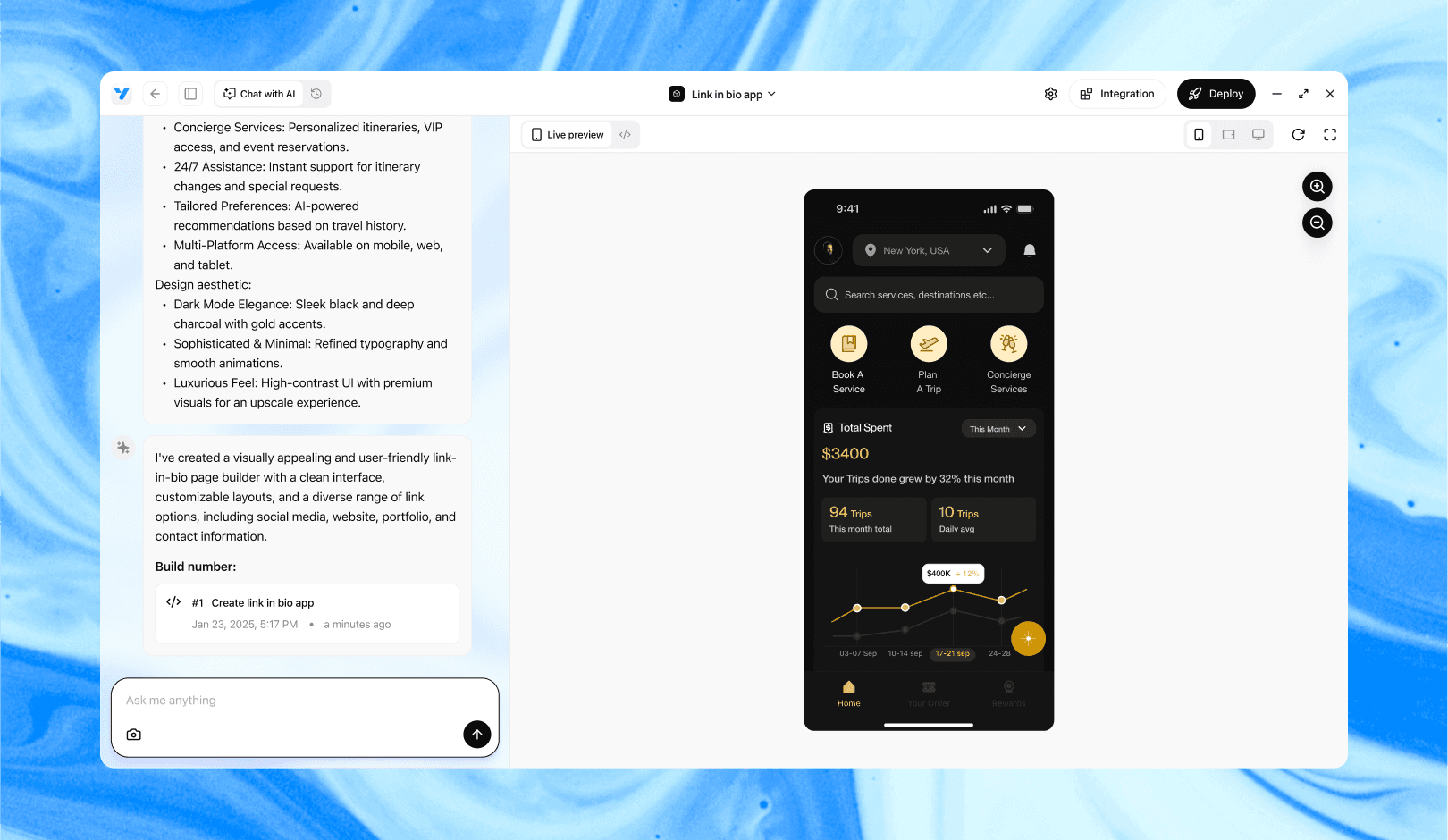
Vibe Studio, powered by Steve’s advanced AI agents, is a revolutionary no-code, conversational platform that empowers users to quickly and efficiently create full-stack Flutter applications integrated seamlessly with Firebase backend services. Ideal for solo founders, startups, and agile engineering teams, Vibe Studio allows users to visually manage and deploy Flutter apps, greatly accelerating the development process. The intuitive conversational interface simplifies complex development tasks, making app creation accessible even for non-coders.
Conclusion
Improving Flutter web text input and IME behavior is about respecting composition, managing focus deliberately, and applying targeted DOM hooks only when necessary. Use TextEditingValue.composing and selection to decide when to run formatters or updates. Keep focus control explicit, and prefer lightweight, testable fixes over global replacements. These practices will make text fields behave more like native mobile development experiences and reduce frustrating input bugs across browsers and IMEs.

Introduction
Flutter web is getting closer to parity with mobile development, but text input and IME (Input Method Editor) behavior remain tricky. Web browsers and IMEs introduce composition events, focus/blur quirks, and platform-specific differences that can make text fields feel unreliable. This article gives practical, code-forward guidance to improve text input reliability on Flutter web. You will learn to respect composition state, manage focus, and combine Flutter text APIs with minimal web event hooks for smoother input behavior.
Understanding Web IME Behavior
IME systems (for CJK, complex scripts, and some accessibility input methods) use composition: the input is built in a temporary state before being committed to the document. On the web this happens through compositionstart/compositionupdate/compositionend and can interact poorly with frameworks that assume every text event is final.
Flutter's TextEditingValue provides a composing TextRange. When the composing range is non-collapsed, you must avoid applying transformations that discard the composition or reset the selection. Common mistakes include replacing the entire text on every keystroke or reassigning a controller value without preserving composing and selection ranges.
Use Focus And Text Input Configuration
Proper focus management prevents unexpected blurs when interacting with overlays, buttons, or external script. Use FocusNode to explicitly control when a field is focused and to re-request focus after DOM-driven events. For keyboard behavior, configure keyboardType, textCapitalization, and inputFormatters correctly so the browser and on-screen keyboard provide the expected keys and autocorrect behavior.
Also avoid calling controller.clear() or controller.value = TextEditingValue() while the user is composing; that will cancel composition on most IMEs. Instead, update only the parts that need changing and preserve selection and composing ranges.
Handling Composition And Input Events
A reliable pattern is to inspect the controller's TextEditingValue for composing information and short-circuit any logic that conflicts with an active composition. On web you can also hook low-level DOM composition events using dart:html to observe composition boundaries and implement platform-specific fixes (for example, preventing a blur caused by overlay interactions).
Example: listen to controller changes and ignore automatic transformations while composing. This prevents formatters from interfering with in-progress IME input.
final controller = TextEditingController(); controller.addListener(() { final value = controller.value; if (!value.composing.isCollapsed) return; // preserve composing // Safe to run formatters or normalization here });
If you need to handle composition events directly on web, add listeners with dart:html. Keep this lightweight: only attach handlers when necessary and remove them for non-web platforms.
Practical Code Patterns
1) Composition-Aware Formatter: When implementing a formatter, check value.composing and value.selection. If composing is active, return the original value untouched or apply only non-disruptive changes.
2) Focus Resilience: Wrap interactive regions with GestureDetector or InkWell that re-request focus for the text field on tap. This keeps the field focused when the user interacts with custom controls.
final focusNode = FocusNode(); GestureDetector( onTap: () => focusNode.requestFocus(), child: TextField( focusNode: focusNode, controller: controller, ), )
3) Minimal DOM Hooks For Edge Cases: For specific browser bugs (for example delayed compositionend or unexpected blur), use dart:html to add compositionstart/compositionend listeners to the app container. Use these only to set flags that your Flutter code reads; avoid mutating Flutter text directly from DOM handlers.
4) Testing: Test on multiple browsers and real devices. Desktop IMEs, Android Gboard, iOS Safari, and Chrome on Android can differ. Reproduce scenarios like rapid input, toggling suggestions, and switching languages.
Common pitfalls to avoid: reassigning the entire TextEditingController.value on each keystroke, clearing the controller during composition, and relying on selection indices without validating ranges after transformations.
Vibe Studio

Vibe Studio, powered by Steve’s advanced AI agents, is a revolutionary no-code, conversational platform that empowers users to quickly and efficiently create full-stack Flutter applications integrated seamlessly with Firebase backend services. Ideal for solo founders, startups, and agile engineering teams, Vibe Studio allows users to visually manage and deploy Flutter apps, greatly accelerating the development process. The intuitive conversational interface simplifies complex development tasks, making app creation accessible even for non-coders.
Conclusion
Improving Flutter web text input and IME behavior is about respecting composition, managing focus deliberately, and applying targeted DOM hooks only when necessary. Use TextEditingValue.composing and selection to decide when to run formatters or updates. Keep focus control explicit, and prefer lightweight, testable fixes over global replacements. These practices will make text fields behave more like native mobile development experiences and reduce frustrating input bugs across browsers and IMEs.

Build Flutter Apps Faster with Vibe Studio
Vibe Studio is your AI-powered Flutter development companion. Skip boilerplate, build in real-time, and deploy without hassle. Start creating apps at lightning speed with zero setup.
Other Insights