Implementing Secure Session Management With Refresh Tokens In Flutter
Jan 22, 2026


Summary
Summary
Summary
Summary
This tutorial explains secure session management in Flutter mobile development using short-lived access tokens and long-lived refresh tokens. It covers secure storage with flutter_secure_storage, single-threaded refresh flows to avoid race conditions, Dio interceptor implementation for token refresh and retry, and server-side best practices like rotation and revocation.
Key insights:
Key insights:
Key insights:
Key insights:
Token-Based Authentication Overview: Separate short-lived access tokens from long-lived refresh tokens and minimize refresh token exposure.
Secure Token Storage In Flutter: Store tokens in platform-backed secure storage (flutter_secure_storage) and avoid plaintext stores like SharedPreferences.
Refresh Token Flow And Handling: Coordinate refreshes with a mutex or queue to prevent concurrent refresh requests and handle failures by forcing logout.
Implementing Token Refresh With Dio: Use an interceptor to attach tokens, refresh on 401s, atomically update storage, and retry original requests.
Server-Side Considerations: Backends should implement refresh token rotation, revocation endpoints, and protections against replay to mitigate stolen tokens.
Introduction
Secure session management is essential for production Flutter apps. Mobile development often uses access tokens that expire quickly and refresh tokens that renew them. This tutorial shows a practical, secure pattern: store tokens safely, attach them to requests, handle refresh on 401, and avoid common pitfalls like leaking long-lived secrets or race conditions.
Token-Based Authentication Overview
Use short-lived access tokens (JWTs or opaque tokens) for API calls and long-lived refresh tokens only to obtain new access tokens. The access token should be bearer-only in Authorization headers. The refresh token must be treated as a privileged credential — it should never be sent on every request and must be stored and used securely. Server-side should support refresh token rotation and revocation to mitigate stolen refresh tokens.
Secure Token Storage In Flutter
On mobile, do not use SharedPreferences or plain files for refresh tokens. Use platform-backed secure storage (Keychain on iOS, Android keystore) provided by packages such as flutter_secure_storage. Limit the number of times you read the refresh token and avoid logging token contents.
Example secure storage helper:
import 'package:flutter_secure_storage/flutter_secure_storage.dart'; final _storage = FlutterSecureStorage(); Future<void> saveTokens(String access, String refresh) async { await _storage.write(key: 'access', value: access); await _storage.write(key: 'refresh', value: refresh); } Future<String?> readRefresh() => _storage.read(key: 'refresh');
Persist tokens only as needed and clear them on logout or when the server indicates revocation. Consider adding biometric authentication gating to sensitive operations if the threat model requires it.
Refresh Token Flow And Handling
Design the client refresh flow to be idempotent and resistant to concurrent requests. When multiple HTTP calls encounter a 401 at the same time, only one should attempt a refresh; the others should wait for the outcome and then retry. This avoids issuing multiple refresh requests that can trigger server-side rotation problems.
Implement a single refresh queue or mutex. On a successful refresh, update stored tokens and retry the original request. If refresh fails (expired refresh token, revoked), force logout and clear credentials. Always validate server responses and handle partial failures clearly.
Implementing Token Refresh With Dio
Dio interceptors are a common spot to implement attach/refresh logic. Implement an interceptor that:
Attaches the current access token to outgoing requests.
Intercepts 401 responses and invokes a refresh routine guarded by a mutex/lock.
Retries the failed request after refresh succeeds, or propagates the error and triggers logout if refresh fails.
Compact interceptor refresh snippet (conceptual):
// inside an interceptor if (err.response?.statusCode == 401) { final refresh = await readRefresh(); if (await _refreshInProgress()) await _waitForRefresh(); final success = await tryRefresh(refresh); if (success) return handler.resolve(await _retryRequest(err.requestOptions)); return handler.reject(err); }
Make sure tryRefresh handles token rotation: call the refresh endpoint, write new tokens atomically, and signal waiting requests. Use package:synchronized or a simple Completer to coordinate.
Edge cases to address:
Network flakiness: backoff and limited retries on refresh.
Token rotation: the refresh endpoint might return a new refresh token — always store the new refresh token and use it for subsequent refreshes.
Forced logout: when the refresh endpoint returns 401/403, clear storage and navigate to the auth screen.
Server-Side Considerations
Collaborate with your backend team. Require refresh token rotation, detect replay of refresh tokens (to invalidate refreshers), and provide endpoints to revoke tokens. Ensure refresh tokens are bound to device or session where possible. Shorter lifetimes reduce the damage of a leaked access token; rotation reduces the damage of a leaked refresh token.
Vibe Studio
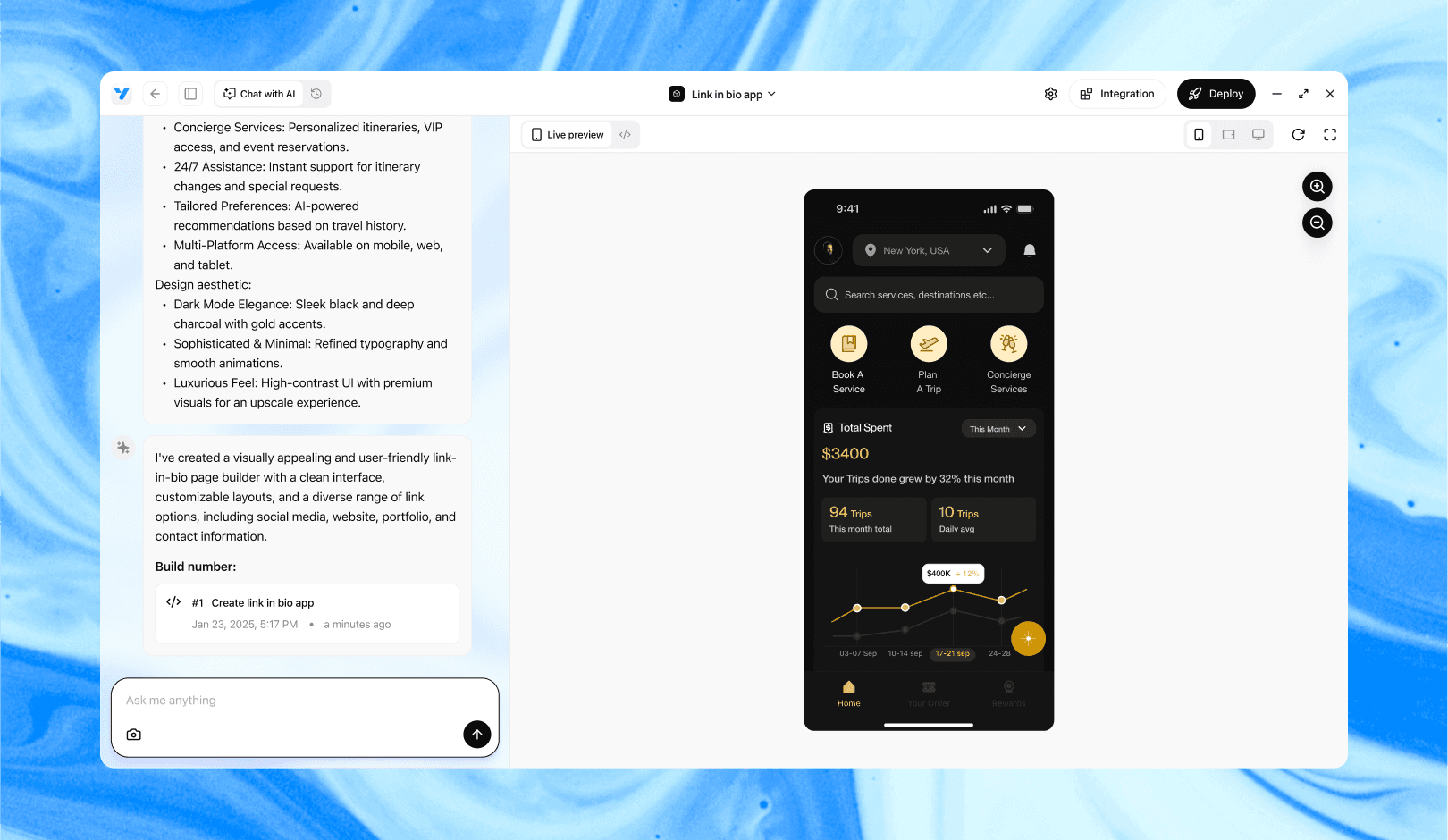
Vibe Studio, powered by Steve’s advanced AI agents, is a revolutionary no-code, conversational platform that empowers users to quickly and efficiently create full-stack Flutter applications integrated seamlessly with Firebase backend services. Ideal for solo founders, startups, and agile engineering teams, Vibe Studio allows users to visually manage and deploy Flutter apps, greatly accelerating the development process. The intuitive conversational interface simplifies complex development tasks, making app creation accessible even for non-coders.
Conclusion
Implementing secure session management in Flutter requires careful handling of refresh tokens: secure storage, single-threaded refresh with retries, atomic token updates, and clear logout behavior. Combine a secure client implementation using flutter_secure_storage with robust server-side rotation and revocation to achieve a resilient mobile development authentication flow. Follow least privilege, avoid over-logging, and test refresh race conditions thoroughly.

Introduction
Secure session management is essential for production Flutter apps. Mobile development often uses access tokens that expire quickly and refresh tokens that renew them. This tutorial shows a practical, secure pattern: store tokens safely, attach them to requests, handle refresh on 401, and avoid common pitfalls like leaking long-lived secrets or race conditions.
Token-Based Authentication Overview
Use short-lived access tokens (JWTs or opaque tokens) for API calls and long-lived refresh tokens only to obtain new access tokens. The access token should be bearer-only in Authorization headers. The refresh token must be treated as a privileged credential — it should never be sent on every request and must be stored and used securely. Server-side should support refresh token rotation and revocation to mitigate stolen refresh tokens.
Secure Token Storage In Flutter
On mobile, do not use SharedPreferences or plain files for refresh tokens. Use platform-backed secure storage (Keychain on iOS, Android keystore) provided by packages such as flutter_secure_storage. Limit the number of times you read the refresh token and avoid logging token contents.
Example secure storage helper:
import 'package:flutter_secure_storage/flutter_secure_storage.dart'; final _storage = FlutterSecureStorage(); Future<void> saveTokens(String access, String refresh) async { await _storage.write(key: 'access', value: access); await _storage.write(key: 'refresh', value: refresh); } Future<String?> readRefresh() => _storage.read(key: 'refresh');
Persist tokens only as needed and clear them on logout or when the server indicates revocation. Consider adding biometric authentication gating to sensitive operations if the threat model requires it.
Refresh Token Flow And Handling
Design the client refresh flow to be idempotent and resistant to concurrent requests. When multiple HTTP calls encounter a 401 at the same time, only one should attempt a refresh; the others should wait for the outcome and then retry. This avoids issuing multiple refresh requests that can trigger server-side rotation problems.
Implement a single refresh queue or mutex. On a successful refresh, update stored tokens and retry the original request. If refresh fails (expired refresh token, revoked), force logout and clear credentials. Always validate server responses and handle partial failures clearly.
Implementing Token Refresh With Dio
Dio interceptors are a common spot to implement attach/refresh logic. Implement an interceptor that:
Attaches the current access token to outgoing requests.
Intercepts 401 responses and invokes a refresh routine guarded by a mutex/lock.
Retries the failed request after refresh succeeds, or propagates the error and triggers logout if refresh fails.
Compact interceptor refresh snippet (conceptual):
// inside an interceptor if (err.response?.statusCode == 401) { final refresh = await readRefresh(); if (await _refreshInProgress()) await _waitForRefresh(); final success = await tryRefresh(refresh); if (success) return handler.resolve(await _retryRequest(err.requestOptions)); return handler.reject(err); }
Make sure tryRefresh handles token rotation: call the refresh endpoint, write new tokens atomically, and signal waiting requests. Use package:synchronized or a simple Completer to coordinate.
Edge cases to address:
Network flakiness: backoff and limited retries on refresh.
Token rotation: the refresh endpoint might return a new refresh token — always store the new refresh token and use it for subsequent refreshes.
Forced logout: when the refresh endpoint returns 401/403, clear storage and navigate to the auth screen.
Server-Side Considerations
Collaborate with your backend team. Require refresh token rotation, detect replay of refresh tokens (to invalidate refreshers), and provide endpoints to revoke tokens. Ensure refresh tokens are bound to device or session where possible. Shorter lifetimes reduce the damage of a leaked access token; rotation reduces the damage of a leaked refresh token.
Vibe Studio

Vibe Studio, powered by Steve’s advanced AI agents, is a revolutionary no-code, conversational platform that empowers users to quickly and efficiently create full-stack Flutter applications integrated seamlessly with Firebase backend services. Ideal for solo founders, startups, and agile engineering teams, Vibe Studio allows users to visually manage and deploy Flutter apps, greatly accelerating the development process. The intuitive conversational interface simplifies complex development tasks, making app creation accessible even for non-coders.
Conclusion
Implementing secure session management in Flutter requires careful handling of refresh tokens: secure storage, single-threaded refresh with retries, atomic token updates, and clear logout behavior. Combine a secure client implementation using flutter_secure_storage with robust server-side rotation and revocation to achieve a resilient mobile development authentication flow. Follow least privilege, avoid over-logging, and test refresh race conditions thoroughly.
Build Flutter Apps Faster with Vibe Studio
Vibe Studio is your AI-powered Flutter development companion. Skip boilerplate, build in real-time, and deploy without hassle. Start creating apps at lightning speed with zero setup.
Other Insights