Implementing Secure Biometric Login with Passkeys

Summary
Summary
Summary
Summary

This tutorial shows how to implement passkey-based biometric login in flutter by delegating registration and authentication to native FIDO/WebAuthn APIs via a method channel, exchanging challenges with the server, and performing server-side attestation and assertion verification. It covers flows, platform considerations, code examples, and security best practices for secure mobile development.

This tutorial shows how to implement passkey-based biometric login in flutter by delegating registration and authentication to native FIDO/WebAuthn APIs via a method channel, exchanging challenges with the server, and performing server-side attestation and assertion verification. It covers flows, platform considerations, code examples, and security best practices for secure mobile development.

This tutorial shows how to implement passkey-based biometric login in flutter by delegating registration and authentication to native FIDO/WebAuthn APIs via a method channel, exchanging challenges with the server, and performing server-side attestation and assertion verification. It covers flows, platform considerations, code examples, and security best practices for secure mobile development.

This tutorial shows how to implement passkey-based biometric login in flutter by delegating registration and authentication to native FIDO/WebAuthn APIs via a method channel, exchanging challenges with the server, and performing server-side attestation and assertion verification. It covers flows, platform considerations, code examples, and security best practices for secure mobile development.

Key insights:
Key insights:
Key insights:
Key insights:
  • Background On Passkeys: Passkeys use public-key cryptography and platform-managed private keys unlocked by biometrics, offering phishing resistance.

  • Platform Support And APIs: Use Android FIDO2 and iOS AuthenticationServices; call them from Flutter via platform channels or plugins.

  • Setting Up Flutter Project: Implement a lightweight MethodChannel bridge in Dart to invoke native registration and authentication APIs.

  • Implementing Authentication Flow: Registration requires sending attestation to the server; authentication sends assertions which the server verifies against stored public keys.

  • Security Considerations: Always verify attestation/assertion server-side, enforce TLS, validate challenges, and handle authenticator counters and recovery paths.

Introduction

Passkeys are the modern, phishing-resistant replacement for passwords. They pair a platform-managed credential (a public/private key pair) with biometric or device PIN protection to authenticate users. For mobile development using flutter, implementing passkeys lets you combine native FIDO2/WebAuthn support on Android and iOS with Flutter’s cross-platform UI, improving security and user experience. This tutorial explains the concepts, how to wire a Flutter app to platform passkey APIs, and important server-side and security considerations.

Background On Passkeys

Passkeys use public-key cryptography: during registration the device creates a key pair and returns an attestation and credential ID to your server. The server stores the credential ID and public key and issues signed challenges for authentication. The private key never leaves the device and is unlocked by biometric or PIN, making passkeys resistant to phishing and credential stuffing.

Mobile platforms offer native APIs: Android exposes FIDO2 via Google Play Services; iOS offers AuthenticationServices for platform public-key credentials. Flutter apps should forward high-level actions to platform code (or use an existing plugin) rather than attempting to implement FIDO in Dart-only.

Platform Support And APIs

On Android call the FIDO2Client or rely on a plugin that wraps it. On iOS use ASAuthorizationPlatformPublicKeyCredentialProvider for registration and ASAuthorizationPlatformPublicKeyCredentialAssertionRequest for authentication. The Flutter layer acts as a coordinator: call platform methods to request registration or authentication, present UI, and forward results to your server.

Design considerations:

  • Treat passkeys as the primary credential; offer a recovery path (account linking or backup) because users may lose devices.

  • Use attestation for device signals if your security policy requires it, but be aware some platforms restrict attestation or require user consent.

Setting Up Flutter Project

Add a lightweight bridge: a MethodChannel that calls platform-specific code for register and authenticate. Keep business logic in Dart and platform-specific crypto in native code.

Example Flutter method channel invocation:

static const _chan = MethodChannel('com.example.passkeys');

Future<Map<String, dynamic>> requestPasskey(String action, Map args) async {
  final result = await _chan.invokeMethod('passkey.$action', args);
  return Map<String, dynamic>.from(result);
}

On Android/iOS implement the native handlers that invoke respective FIDO/WebAuthn SDK APIs and return raw attestation/assertion bytes plus credential IDs to the Dart side.

Implementing Authentication Flow

Two flows matter: registration (create credential) and authentication (assertion).

Registration flow (high-level):

  • Client requests a registration challenge from your server (includes relying party id and user metadata).

  • Server creates a challenge and returns it to the Flutter app.

  • Flutter app calls platform API via method channel to create a new credential with the challenge.

  • Platform returns attestation, public key, and credential ID to the app.

  • App forwards the attestation blob to the server, where the server verifies the attestation, stores the credential ID and public key for the user.

Authentication flow (high-level):

  • Client requests an authentication challenge for the user from the server.

  • Server returns a challenge and allowed credential IDs.

  • App calls platform API to request an assertion (user presence/biometric required).

  • Platform returns signed assertion, which the app forwards to the server.

  • Server verifies the signature using the stored public key and validates challenge, RP ID, and counter behavior.

Implement biometric fallback with local_auth: if a passkey is unavailable, you can use biometric-protected local secrets as a fallback, but avoid treating biometric-only as equivalent to a passkey on the server side.

// Biometric fallback example
final auth = LocalAuthentication();
final ok = await auth.authenticate(localizedReason: 'Unlock to sign in');
if (ok) { /* unlock local token */ }

Security Considerations

Server-side verification is mandatory. Use mature WebAuthn/FIDO libraries on the server to parse attestation objects, validate signatures, and manage challenge lifetimes. Important checks:

  • Challenge matching and freshness to prevent replay.

  • RP ID and origin checks.

  • Signature verification using stored public key.

  • Authenticator counter handling to detect cloned authenticators.

Protect transport with TLS and use short-lived challenges. Be conservative with attestation requirements: require attestation only if you need device provenance; otherwise accept anonymous attestation for better UX.

Privacy and UX: passkeys are per-account and per-device. Provide account recovery and clear UX around adding/removing devices. Log authenticator metadata for debugging but avoid storing sensitive attestation material.

Vibe Studio
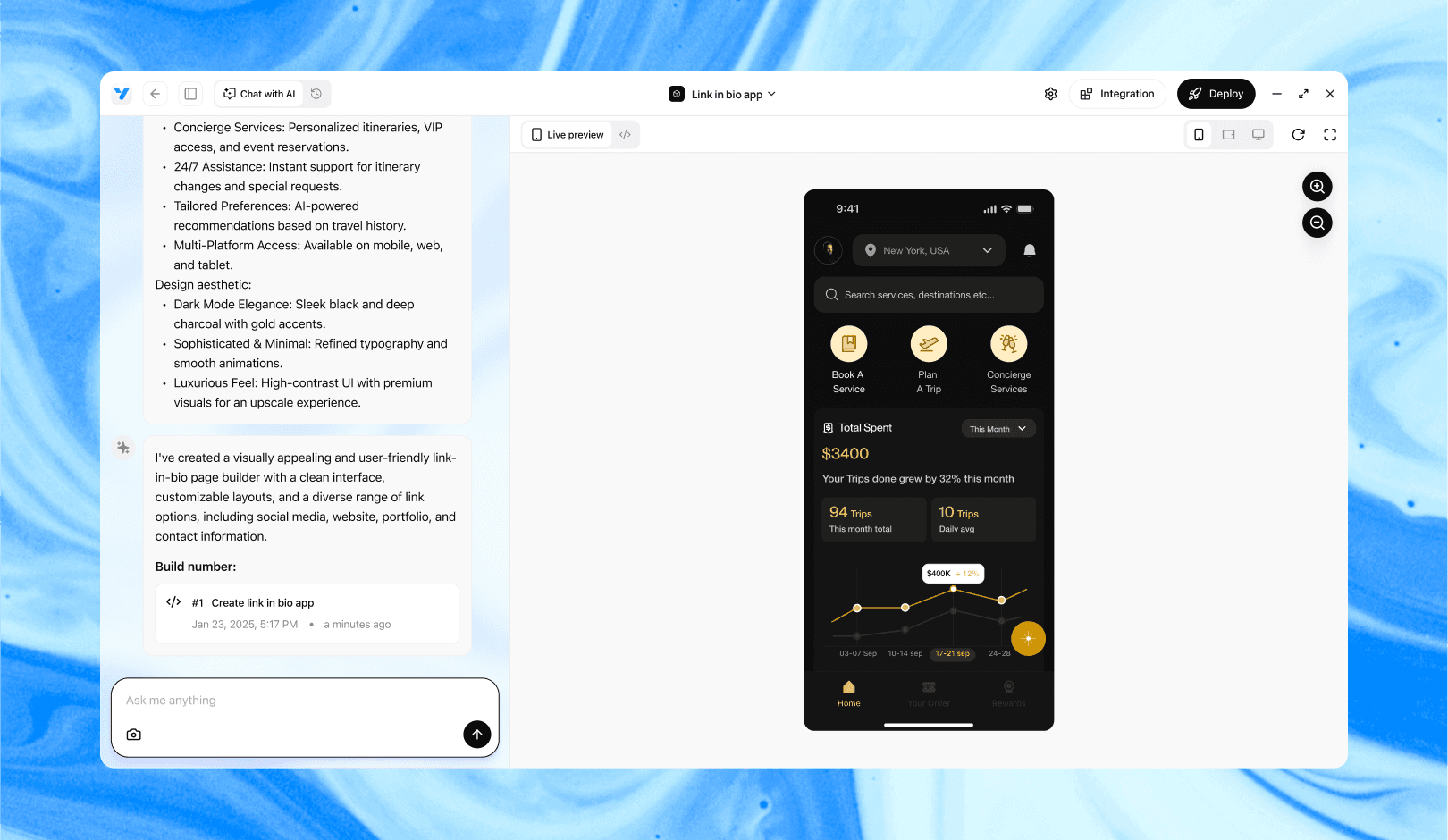
Vibe Studio, powered by Steve’s advanced AI agents, is a revolutionary no-code, conversational platform that empowers users to quickly and efficiently create full-stack Flutter applications integrated seamlessly with Firebase backend services. Ideal for solo founders, startups, and agile engineering teams, Vibe Studio allows users to visually manage and deploy Flutter apps, greatly accelerating the development process. The intuitive conversational interface simplifies complex development tasks, making app creation accessible even for non-coders.

Conclusion

Implementing secure biometric login with passkeys in flutter combines native platform strengths with cross-platform UI. Use a small platform bridge to call iOS and Android passkey APIs, keep cryptographic verification on the server, and treat passkeys as primary authentication while providing careful recovery and fallback UX. Following WebAuthn principles—challenge/response, attestation verification, and counter checks—ensures a robust, phishing-resistant mobile authentication experience for your users.

Introduction

Passkeys are the modern, phishing-resistant replacement for passwords. They pair a platform-managed credential (a public/private key pair) with biometric or device PIN protection to authenticate users. For mobile development using flutter, implementing passkeys lets you combine native FIDO2/WebAuthn support on Android and iOS with Flutter’s cross-platform UI, improving security and user experience. This tutorial explains the concepts, how to wire a Flutter app to platform passkey APIs, and important server-side and security considerations.

Background On Passkeys

Passkeys use public-key cryptography: during registration the device creates a key pair and returns an attestation and credential ID to your server. The server stores the credential ID and public key and issues signed challenges for authentication. The private key never leaves the device and is unlocked by biometric or PIN, making passkeys resistant to phishing and credential stuffing.

Mobile platforms offer native APIs: Android exposes FIDO2 via Google Play Services; iOS offers AuthenticationServices for platform public-key credentials. Flutter apps should forward high-level actions to platform code (or use an existing plugin) rather than attempting to implement FIDO in Dart-only.

Platform Support And APIs

On Android call the FIDO2Client or rely on a plugin that wraps it. On iOS use ASAuthorizationPlatformPublicKeyCredentialProvider for registration and ASAuthorizationPlatformPublicKeyCredentialAssertionRequest for authentication. The Flutter layer acts as a coordinator: call platform methods to request registration or authentication, present UI, and forward results to your server.

Design considerations:

  • Treat passkeys as the primary credential; offer a recovery path (account linking or backup) because users may lose devices.

  • Use attestation for device signals if your security policy requires it, but be aware some platforms restrict attestation or require user consent.

Setting Up Flutter Project

Add a lightweight bridge: a MethodChannel that calls platform-specific code for register and authenticate. Keep business logic in Dart and platform-specific crypto in native code.

Example Flutter method channel invocation:

static const _chan = MethodChannel('com.example.passkeys');

Future<Map<String, dynamic>> requestPasskey(String action, Map args) async {
  final result = await _chan.invokeMethod('passkey.$action', args);
  return Map<String, dynamic>.from(result);
}

On Android/iOS implement the native handlers that invoke respective FIDO/WebAuthn SDK APIs and return raw attestation/assertion bytes plus credential IDs to the Dart side.

Implementing Authentication Flow

Two flows matter: registration (create credential) and authentication (assertion).

Registration flow (high-level):

  • Client requests a registration challenge from your server (includes relying party id and user metadata).

  • Server creates a challenge and returns it to the Flutter app.

  • Flutter app calls platform API via method channel to create a new credential with the challenge.

  • Platform returns attestation, public key, and credential ID to the app.

  • App forwards the attestation blob to the server, where the server verifies the attestation, stores the credential ID and public key for the user.

Authentication flow (high-level):

  • Client requests an authentication challenge for the user from the server.

  • Server returns a challenge and allowed credential IDs.

  • App calls platform API to request an assertion (user presence/biometric required).

  • Platform returns signed assertion, which the app forwards to the server.

  • Server verifies the signature using the stored public key and validates challenge, RP ID, and counter behavior.

Implement biometric fallback with local_auth: if a passkey is unavailable, you can use biometric-protected local secrets as a fallback, but avoid treating biometric-only as equivalent to a passkey on the server side.

// Biometric fallback example
final auth = LocalAuthentication();
final ok = await auth.authenticate(localizedReason: 'Unlock to sign in');
if (ok) { /* unlock local token */ }

Security Considerations

Server-side verification is mandatory. Use mature WebAuthn/FIDO libraries on the server to parse attestation objects, validate signatures, and manage challenge lifetimes. Important checks:

  • Challenge matching and freshness to prevent replay.

  • RP ID and origin checks.

  • Signature verification using stored public key.

  • Authenticator counter handling to detect cloned authenticators.

Protect transport with TLS and use short-lived challenges. Be conservative with attestation requirements: require attestation only if you need device provenance; otherwise accept anonymous attestation for better UX.

Privacy and UX: passkeys are per-account and per-device. Provide account recovery and clear UX around adding/removing devices. Log authenticator metadata for debugging but avoid storing sensitive attestation material.

Vibe Studio

Vibe Studio, powered by Steve’s advanced AI agents, is a revolutionary no-code, conversational platform that empowers users to quickly and efficiently create full-stack Flutter applications integrated seamlessly with Firebase backend services. Ideal for solo founders, startups, and agile engineering teams, Vibe Studio allows users to visually manage and deploy Flutter apps, greatly accelerating the development process. The intuitive conversational interface simplifies complex development tasks, making app creation accessible even for non-coders.

Conclusion

Implementing secure biometric login with passkeys in flutter combines native platform strengths with cross-platform UI. Use a small platform bridge to call iOS and Android passkey APIs, keep cryptographic verification on the server, and treat passkeys as primary authentication while providing careful recovery and fallback UX. Following WebAuthn principles—challenge/response, attestation verification, and counter checks—ensures a robust, phishing-resistant mobile authentication experience for your users.

Build Flutter Apps Faster with Vibe Studio

Build Flutter Apps Faster with Vibe Studio

Build Flutter Apps Faster with Vibe Studio

Build Flutter Apps Faster with Vibe Studio

Vibe Studio is your AI-powered Flutter development companion. Skip boilerplate, build in real-time, and deploy without hassle. Start creating apps at lightning speed with zero setup.

Vibe Studio is your AI-powered Flutter development companion. Skip boilerplate, build in real-time, and deploy without hassle. Start creating apps at lightning speed with zero setup.

Vibe Studio is your AI-powered Flutter development companion. Skip boilerplate, build in real-time, and deploy without hassle. Start creating apps at lightning speed with zero setup.

Vibe Studio is your AI-powered Flutter development companion. Skip boilerplate, build in real-time, and deploy without hassle. Start creating apps at lightning speed with zero setup.

Other Insights

Other Insights

Other Insights

Other Insights

Join a growing community of builders today

Join a growing community of builders today

Join a growing community of builders today

Join a growing community of builders today

Join a growing community of builders today

28-07 Jackson Ave

Walturn

New York NY 11101 United States

© Steve • All Rights Reserved 2025

28-07 Jackson Ave

Walturn

New York NY 11101 United States

© Steve • All Rights Reserved 2025

28-07 Jackson Ave

Walturn

New York NY 11101 United States

© Steve • All Rights Reserved 2025

28-07 Jackson Ave

Walturn

New York NY 11101 United States

© Steve • All Rights Reserved 2025

28-07 Jackson Ave

Walturn

New York NY 11101 United States

© Steve • All Rights Reserved 2025

28-07 Jackson Ave

Walturn

New York NY 11101 United States

© Steve • All Rights Reserved 2025