Implementing Real-Time Notifications in Flutter
Summary
Summary
Summary
Summary

This tutorial covers implementing real-time notifications in Flutter: selecting a provider, platform setup and permissions, background and foreground message handling (including a top-level background handler), and displaying actionable local notifications with flutter_local_notifications. Emphasizes testing, security, and UX best practices for reliable mobile development.

This tutorial covers implementing real-time notifications in Flutter: selecting a provider, platform setup and permissions, background and foreground message handling (including a top-level background handler), and displaying actionable local notifications with flutter_local_notifications. Emphasizes testing, security, and UX best practices for reliable mobile development.

This tutorial covers implementing real-time notifications in Flutter: selecting a provider, platform setup and permissions, background and foreground message handling (including a top-level background handler), and displaying actionable local notifications with flutter_local_notifications. Emphasizes testing, security, and UX best practices for reliable mobile development.

This tutorial covers implementing real-time notifications in Flutter: selecting a provider, platform setup and permissions, background and foreground message handling (including a top-level background handler), and displaying actionable local notifications with flutter_local_notifications. Emphasizes testing, security, and UX best practices for reliable mobile development.

Key insights:
Key insights:
Key insights:
Key insights:
  • Choosing A Notification Provider: Select FCM for broad platform support or sockets for sub-second updates; hybrid approaches are common.

  • Platform Setup: Configure Android and iOS permissions, request runtime permission, and initialize firebase_messaging and flutter_local_notifications.

  • Background Message Handling: Register a top-level background handler for data-only messages and keep background work minimal.

  • Foreground Message Handling: Intercept onMessage to show local notifications or in-app banners to avoid missing critical alerts.

  • Displaying And Acting On Notifications: Use notification channels, payload IDs, and action buttons; route taps to app screens and respect user preferences.

Introduction

Real-time notifications are critical in modern mobile development for keeping users engaged and informed. In Flutter, you can deliver timely updates using push providers (Firebase Cloud Messaging, Pusher, etc.) or socket-based connections. This tutorial focuses on pragmatic, production-ready patterns: provider choice, platform configuration, handling messages across app states, and rendering actionable notifications with flutter_local_notifications.

Choosing A Notification Provider

Pick a provider based on scale, latency, and server integration. Firebase Cloud Messaging (FCM) is the most common for Flutter due to built-in platform support and free tier. For sub-second pushes or bi-directional messaging, use WebSockets or services like Pusher/Ably. Hybrid approach: use FCM for background alerts and sockets for in-app real-time UI updates.

Key considerations:

  • Delivery guarantees and retry behavior.

  • Payload size and data-only vs. notification messages.

  • Cost and regional availability.

  • Server-side SDKs and platform integrations.

Platform Setup And Permissions

Add core packages: firebase_messaging and flutter_local_notifications. Configure Android manifest (WAKE_LOCK, RECEIVE_BOOT_COMPLETED if needed) and register an FCM service entry if your app needs advanced handling. On iOS, enable Push Notifications and Background Modes (Remote notifications). Always request runtime permissions on iOS and Android 13+.

Example Android manifest entries (high level):

  • INTERNET permission

  • Firebase configuration via google-services.json

Request permission from the user at a sensible point (first meaningful screen) and explain why.

Background Message Handling

For true background handling you must register a top-level background handler. This function runs when the app is terminated or in the background (platform-dependent). Keep it minimal and avoid heavy UI work; instead schedule local notifications or update persistent storage.

Example background handler registration:

Future<void> firebaseBackgroundHandler(RemoteMessage message) async {
  // Initialize plugins if needed
  // Process data-only payloads, update local DB, or show a local notif
  print('Background message: ${message.messageId}');
}

FirebaseMessaging.onBackgroundMessage(firebaseBackgroundHandler);

Notes:

  • Initialize flutter_local_notifications inside a background isolate differently—follow package docs.

  • Background execution differs across manufacturers; test on real devices.

Foreground Message Handling

When the app is foregrounded you should intercept RemoteMessage and either display an in-app banner or show a local notification to avoid missing critical alerts. Use FirebaseMessaging.onMessage and flutter_local_notifications to display consistent notifications across states.

Example onMessage handler and local notification trigger:

FirebaseMessaging.onMessage.listen((RemoteMessage msg) async {
  final notif = msg.notification;
  if (notif != null) {
    // Build and show a local notification with flutter_local_notifications
    await localNotifPlugin.show(0, notif.title, notif.body, platformDetails);
  }
});

Also handle message taps (onMessageOpenedApp) to navigate to a specific route. Use a deep-link or a shared app state to route after cold starts.

Displaying And Acting On Notifications

Use flutter_local_notifications to control channels (Android), custom icons, grouped notifications, and actions. Create a notification channel at startup with appropriate importance for Android. Define action buttons when you need quick responses (reply, mark read). Handle payload data to route users to a specific feature screen.

Best practices:

  • Keep notification payloads small; include a stable identifier for deduplication.

  • Use data-only messages when you want predictable background behavior and then trigger a local notification.

  • Respect user preferences and provide granular in-app controls (mute, frequency, categories).

Security And Reliability

Authenticate your server pushes and avoid exposing server keys in client apps. Use Firebase Admin SDK or server-side tokens. Implement retry/backoff and monitor delivery via provider dashboards. For sensitive content, avoid putting secrets in notification bodies; route users into authenticated flows instead.

Vibe Studio
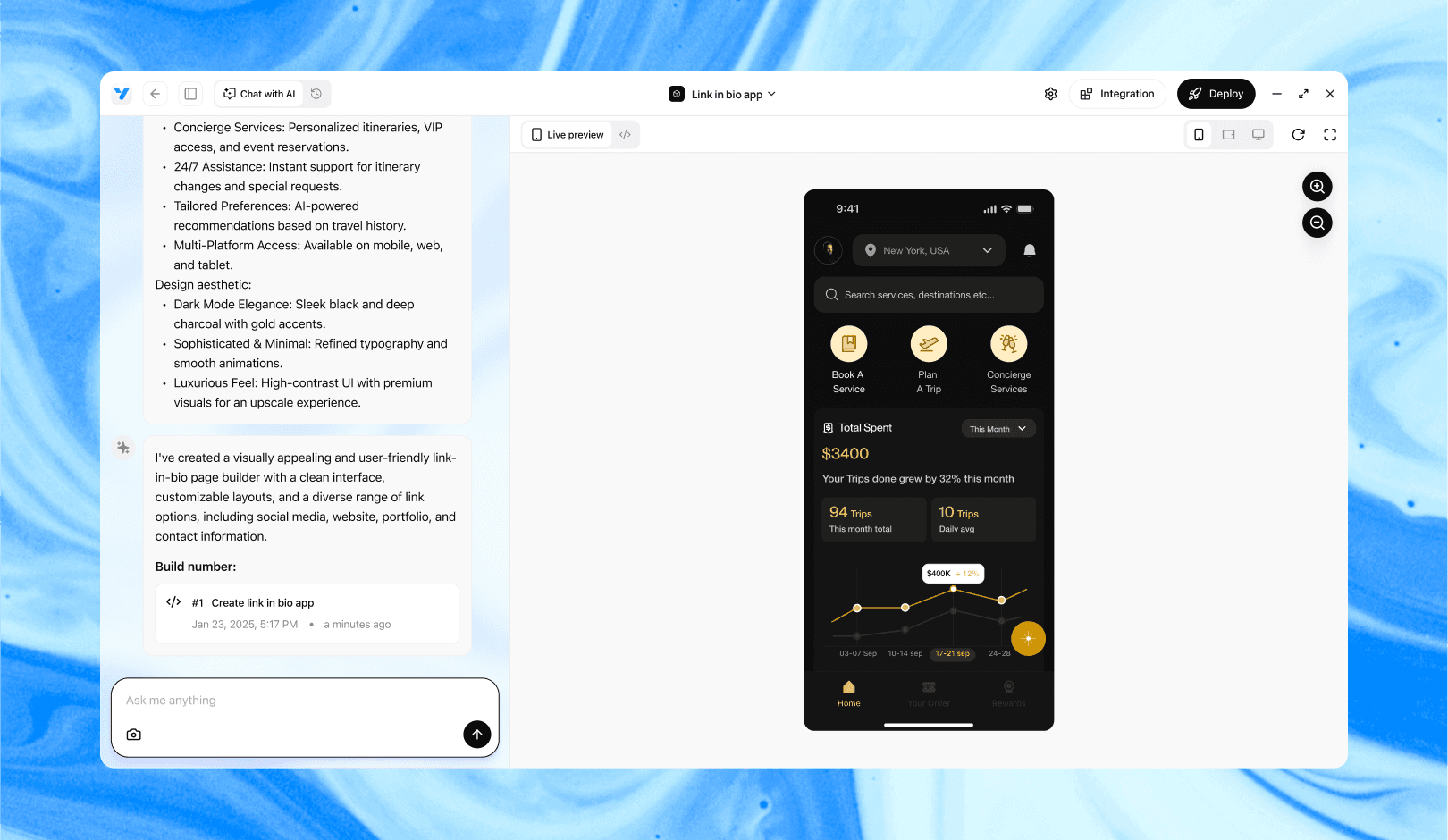
Vibe Studio, powered by Steve’s advanced AI agents, is a revolutionary no-code, conversational platform that empowers users to quickly and efficiently create full-stack Flutter applications integrated seamlessly with Firebase backend services. Ideal for solo founders, startups, and agile engineering teams, Vibe Studio allows users to visually manage and deploy Flutter apps, greatly accelerating the development process. The intuitive conversational interface simplifies complex development tasks, making app creation accessible even for non-coders.

Conclusion

Implementing real-time notifications in Flutter requires both server and client considerations: choose the right provider, configure platform permissions, handle messages differently across foreground/background states, and present notifications consistently using flutter_local_notifications. Test thoroughly across Android OEMs and iOS versions, implement clear user consent flows, and provide in-app controls for notification preferences. With these patterns you can deliver timely, reliable notifications that fit your app’s UX and scale with your backend.

Introduction

Real-time notifications are critical in modern mobile development for keeping users engaged and informed. In Flutter, you can deliver timely updates using push providers (Firebase Cloud Messaging, Pusher, etc.) or socket-based connections. This tutorial focuses on pragmatic, production-ready patterns: provider choice, platform configuration, handling messages across app states, and rendering actionable notifications with flutter_local_notifications.

Choosing A Notification Provider

Pick a provider based on scale, latency, and server integration. Firebase Cloud Messaging (FCM) is the most common for Flutter due to built-in platform support and free tier. For sub-second pushes or bi-directional messaging, use WebSockets or services like Pusher/Ably. Hybrid approach: use FCM for background alerts and sockets for in-app real-time UI updates.

Key considerations:

  • Delivery guarantees and retry behavior.

  • Payload size and data-only vs. notification messages.

  • Cost and regional availability.

  • Server-side SDKs and platform integrations.

Platform Setup And Permissions

Add core packages: firebase_messaging and flutter_local_notifications. Configure Android manifest (WAKE_LOCK, RECEIVE_BOOT_COMPLETED if needed) and register an FCM service entry if your app needs advanced handling. On iOS, enable Push Notifications and Background Modes (Remote notifications). Always request runtime permissions on iOS and Android 13+.

Example Android manifest entries (high level):

  • INTERNET permission

  • Firebase configuration via google-services.json

Request permission from the user at a sensible point (first meaningful screen) and explain why.

Background Message Handling

For true background handling you must register a top-level background handler. This function runs when the app is terminated or in the background (platform-dependent). Keep it minimal and avoid heavy UI work; instead schedule local notifications or update persistent storage.

Example background handler registration:

Future<void> firebaseBackgroundHandler(RemoteMessage message) async {
  // Initialize plugins if needed
  // Process data-only payloads, update local DB, or show a local notif
  print('Background message: ${message.messageId}');
}

FirebaseMessaging.onBackgroundMessage(firebaseBackgroundHandler);

Notes:

  • Initialize flutter_local_notifications inside a background isolate differently—follow package docs.

  • Background execution differs across manufacturers; test on real devices.

Foreground Message Handling

When the app is foregrounded you should intercept RemoteMessage and either display an in-app banner or show a local notification to avoid missing critical alerts. Use FirebaseMessaging.onMessage and flutter_local_notifications to display consistent notifications across states.

Example onMessage handler and local notification trigger:

FirebaseMessaging.onMessage.listen((RemoteMessage msg) async {
  final notif = msg.notification;
  if (notif != null) {
    // Build and show a local notification with flutter_local_notifications
    await localNotifPlugin.show(0, notif.title, notif.body, platformDetails);
  }
});

Also handle message taps (onMessageOpenedApp) to navigate to a specific route. Use a deep-link or a shared app state to route after cold starts.

Displaying And Acting On Notifications

Use flutter_local_notifications to control channels (Android), custom icons, grouped notifications, and actions. Create a notification channel at startup with appropriate importance for Android. Define action buttons when you need quick responses (reply, mark read). Handle payload data to route users to a specific feature screen.

Best practices:

  • Keep notification payloads small; include a stable identifier for deduplication.

  • Use data-only messages when you want predictable background behavior and then trigger a local notification.

  • Respect user preferences and provide granular in-app controls (mute, frequency, categories).

Security And Reliability

Authenticate your server pushes and avoid exposing server keys in client apps. Use Firebase Admin SDK or server-side tokens. Implement retry/backoff and monitor delivery via provider dashboards. For sensitive content, avoid putting secrets in notification bodies; route users into authenticated flows instead.

Vibe Studio

Vibe Studio, powered by Steve’s advanced AI agents, is a revolutionary no-code, conversational platform that empowers users to quickly and efficiently create full-stack Flutter applications integrated seamlessly with Firebase backend services. Ideal for solo founders, startups, and agile engineering teams, Vibe Studio allows users to visually manage and deploy Flutter apps, greatly accelerating the development process. The intuitive conversational interface simplifies complex development tasks, making app creation accessible even for non-coders.

Conclusion

Implementing real-time notifications in Flutter requires both server and client considerations: choose the right provider, configure platform permissions, handle messages differently across foreground/background states, and present notifications consistently using flutter_local_notifications. Test thoroughly across Android OEMs and iOS versions, implement clear user consent flows, and provide in-app controls for notification preferences. With these patterns you can deliver timely, reliable notifications that fit your app’s UX and scale with your backend.

Build Flutter Apps Faster with Vibe Studio

Vibe Studio is your AI-powered Flutter development companion. Skip boilerplate, build in real-time, and deploy without hassle. Start creating apps at lightning speed with zero setup.

Other Insights

Join a growing community of builders today

Join a growing community of builders today

Join a growing community of builders today

Join a growing community of builders today

Join a growing community of builders today

28-07 Jackson Ave

Walturn

New York NY 11101 United States

© Steve • All Rights Reserved 2025

28-07 Jackson Ave

Walturn

New York NY 11101 United States

© Steve • All Rights Reserved 2025

28-07 Jackson Ave

Walturn

New York NY 11101 United States

© Steve • All Rights Reserved 2025

28-07 Jackson Ave

Walturn

New York NY 11101 United States

© Steve • All Rights Reserved 2025

28-07 Jackson Ave

Walturn

New York NY 11101 United States

© Steve • All Rights Reserved 2025

28-07 Jackson Ave

Walturn

New York NY 11101 United States

© Steve • All Rights Reserved 2025