Implementing Predictive Caching for Flutter Offline Apps

Summary
Summary
Summary
Summary

This tutorial shows how to implement predictive caching in Flutter mobile development: collect lightweight usage signals, implement a simple recency-frequency predictor, and integrate an adaptive cache manager that respects network, battery, and storage constraints. Include background fetches, graceful eviction, and user-visible cache state. Measure hit rate and prediction precision and iterate.

This tutorial shows how to implement predictive caching in Flutter mobile development: collect lightweight usage signals, implement a simple recency-frequency predictor, and integrate an adaptive cache manager that respects network, battery, and storage constraints. Include background fetches, graceful eviction, and user-visible cache state. Measure hit rate and prediction precision and iterate.

This tutorial shows how to implement predictive caching in Flutter mobile development: collect lightweight usage signals, implement a simple recency-frequency predictor, and integrate an adaptive cache manager that respects network, battery, and storage constraints. Include background fetches, graceful eviction, and user-visible cache state. Measure hit rate and prediction precision and iterate.

This tutorial shows how to implement predictive caching in Flutter mobile development: collect lightweight usage signals, implement a simple recency-frequency predictor, and integrate an adaptive cache manager that respects network, battery, and storage constraints. Include background fetches, graceful eviction, and user-visible cache state. Measure hit rate and prediction precision and iterate.

Key insights:
Key insights:
Key insights:
Key insights:
  • Why Predictive Caching Matters: Anticipatory prefetching reduces perceived latency and offline failures but must balance storage, freshness, and accuracy.

  • Architecture And Components: A system with signal collection, a predictor, and a cache manager keeps responsibilities separated and scalable.

  • Implementing A Predictor: Lightweight recency-frequency scoring (sliding-window counts) is effective and energy-efficient for mobile.

  • Integrating Cache In Flutter: Use a cache manager with prioritized, cancellable fetches, adaptive policies, and clear UI indicators for offline content.

  • Predictor Evaluation: Track hit rate and precision; iterate using telemetry to avoid wasted prefetches and improve user experience.

Introduction

Predictive caching elevates offline experiences by preloading content the app expects the user to need. For Flutter mobile development, predictive caching bridges network unpredictability and user expectations, especially for content-heavy apps (news, feeds, maps). This tutorial describes a pragmatic approach: gather usage signals, build a lightweight predictor, and integrate a cache layer that respects device constraints and network conditions.

Why Predictive Caching Matters

Traditional caching reacts to explicit requests. Predictive caching anticipates them. The benefits are tangible: lower perceived latency, fewer failed requests when offline, and better battery/network usage by grouping background fetches. However, predictive caching must be constrained: storage limits, freshness, and prediction accuracy determine ROI. Design goals for predictive caching in Flutter apps are (1) low overhead, (2) graceful degradation on wrong predictions, and (3) transparency to the user.

Architecture And Components

A robust predictive caching system has three components: signal collection, prediction engine, and cache manager. Signal collection gathers events like route visits, item opens, scroll depth, and time-of-day patterns. The prediction engine turns signals into fetch lists (URLs or resource IDs) and assigns priorities. The cache manager executes fetches, applies eviction policies, and exposes APIs to the UI.

Keep the predictor lightweight: a frequency table, time-windowed counters, and a small Markov-like transition model are often sufficient. Use local storage (SQLite, Hive, or shared_preferences) for signals and the cache store (Hive/SQLite for structured data or flutter_cache_manager/file system for blobs). Respect background fetch constraints (WorkManager on Android, bg fetch on iOS) and network type (Wi-Fi preferred for large preloads).

Implementing A Predictor

Start by instrumenting user actions. Record minimal events: userId (optional), event type, targetId, timestamp, and current route. Maintain sliding-window counts and last-seen times per target. A simple predictor combines recency and frequency: score = alpha * recencyScore + beta * frequencyScore. Use low-compute math to avoid battery drain.

Example predictor snippet (keeps it simple and deterministic):

// Input: map of id -> [timestamps]
double scoreFor(List<int> times, int now) {
  final recent = times.where((t) => now - t < 86400).length; // last 24h
  final freq = times.length;
  return 0.7 * (recent / (1 + recent)) + 0.3 * (freq / (1 + freq));
}

Persist event lists compactly (cap list length) and periodically prune old entries. Evaluate predictions server-side if you can: combine local signals with server telemetry to improve accuracy while keeping local fallback.

Integrating Cache In Flutter

Choose or implement a cache manager that supports prioritized, cancellable fetches and eviction. flutter_cache_manager is a good baseline for files; for structured JSON, store responses with timestamps and etags in Hive or SQLite. The cache manager should expose methods: prefetch(List), get(Id), and evict(Id).

Prefetch logic should be adaptive: check connectivity and battery, throttle parallel downloads, and respect storage quota. Use simple heuristics: only prefetch on Wi-Fi or when user permits; cap daily prefetch size; and evict least valuable items first (use predictor score minus age).

Example prefetch workflow:

Future<void> prefetch(List<String> ids) async {
  for (var id in ids) {
    if (await isInCache(id)) continue;
    if (!await canFetch()) break; // checks network/battery
    await fetchAndSave(id); // download and store
  }
}

Surface cache state in the UI to manage expectations: show offline available badges, last update time, and allow manual refresh. Handle wrong predictions gracefully: if a prefetched item is not used, let it expire earlier.

Measure impact. Track cache hit rate, prediction precision (hits / predictions), and user-perceived latency. If precision is low, simplify the predictor or increase feedback signals (e.g., include in-app search terms).

Security and privacy: avoid storing sensitive data unencrypted. If you must cache authenticated content, use encrypted storage and ensure tokens are refreshed appropriately.

Vibe Studio
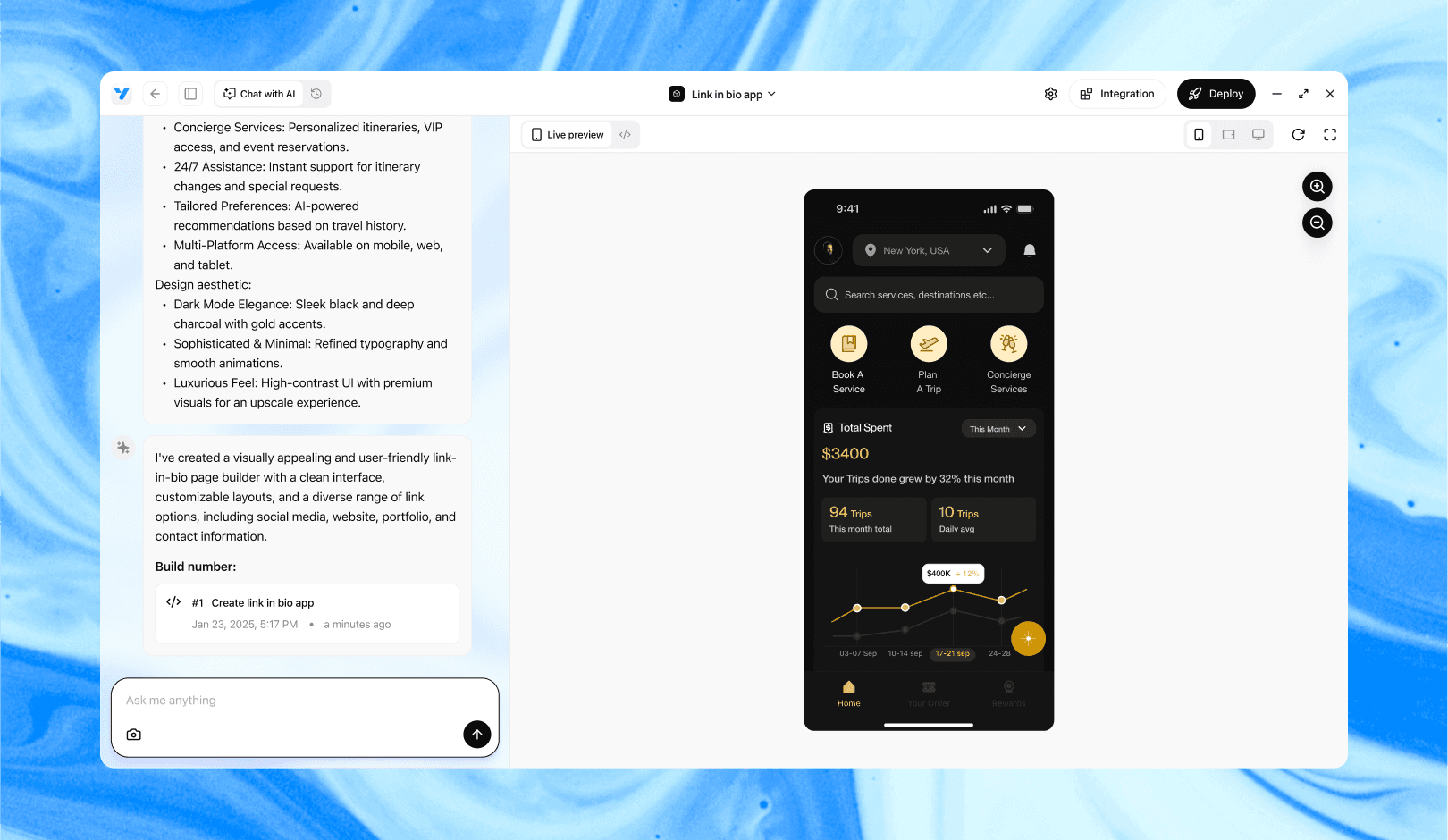
Vibe Studio, powered by Steve’s advanced AI agents, is a revolutionary no-code, conversational platform that empowers users to quickly and efficiently create full-stack Flutter applications integrated seamlessly with Firebase backend services. Ideal for solo founders, startups, and agile engineering teams, Vibe Studio allows users to visually manage and deploy Flutter apps, greatly accelerating the development process. The intuitive conversational interface simplifies complex development tasks, making app creation accessible even for non-coders.

Conclusion

Predictive caching in Flutter optimizes offline experiences with modest complexity. Focus on collecting lightweight signals, implementing a simple scorer, and integrating an adaptive cache manager that respects device constraints. Measure results and iterate: the best predictive caches start simple, gather telemetry, and evolve with real usage patterns. With careful design, predictive caching makes Flutter mobile apps feel fast and reliable even offline.

Introduction

Predictive caching elevates offline experiences by preloading content the app expects the user to need. For Flutter mobile development, predictive caching bridges network unpredictability and user expectations, especially for content-heavy apps (news, feeds, maps). This tutorial describes a pragmatic approach: gather usage signals, build a lightweight predictor, and integrate a cache layer that respects device constraints and network conditions.

Why Predictive Caching Matters

Traditional caching reacts to explicit requests. Predictive caching anticipates them. The benefits are tangible: lower perceived latency, fewer failed requests when offline, and better battery/network usage by grouping background fetches. However, predictive caching must be constrained: storage limits, freshness, and prediction accuracy determine ROI. Design goals for predictive caching in Flutter apps are (1) low overhead, (2) graceful degradation on wrong predictions, and (3) transparency to the user.

Architecture And Components

A robust predictive caching system has three components: signal collection, prediction engine, and cache manager. Signal collection gathers events like route visits, item opens, scroll depth, and time-of-day patterns. The prediction engine turns signals into fetch lists (URLs or resource IDs) and assigns priorities. The cache manager executes fetches, applies eviction policies, and exposes APIs to the UI.

Keep the predictor lightweight: a frequency table, time-windowed counters, and a small Markov-like transition model are often sufficient. Use local storage (SQLite, Hive, or shared_preferences) for signals and the cache store (Hive/SQLite for structured data or flutter_cache_manager/file system for blobs). Respect background fetch constraints (WorkManager on Android, bg fetch on iOS) and network type (Wi-Fi preferred for large preloads).

Implementing A Predictor

Start by instrumenting user actions. Record minimal events: userId (optional), event type, targetId, timestamp, and current route. Maintain sliding-window counts and last-seen times per target. A simple predictor combines recency and frequency: score = alpha * recencyScore + beta * frequencyScore. Use low-compute math to avoid battery drain.

Example predictor snippet (keeps it simple and deterministic):

// Input: map of id -> [timestamps]
double scoreFor(List<int> times, int now) {
  final recent = times.where((t) => now - t < 86400).length; // last 24h
  final freq = times.length;
  return 0.7 * (recent / (1 + recent)) + 0.3 * (freq / (1 + freq));
}

Persist event lists compactly (cap list length) and periodically prune old entries. Evaluate predictions server-side if you can: combine local signals with server telemetry to improve accuracy while keeping local fallback.

Integrating Cache In Flutter

Choose or implement a cache manager that supports prioritized, cancellable fetches and eviction. flutter_cache_manager is a good baseline for files; for structured JSON, store responses with timestamps and etags in Hive or SQLite. The cache manager should expose methods: prefetch(List), get(Id), and evict(Id).

Prefetch logic should be adaptive: check connectivity and battery, throttle parallel downloads, and respect storage quota. Use simple heuristics: only prefetch on Wi-Fi or when user permits; cap daily prefetch size; and evict least valuable items first (use predictor score minus age).

Example prefetch workflow:

Future<void> prefetch(List<String> ids) async {
  for (var id in ids) {
    if (await isInCache(id)) continue;
    if (!await canFetch()) break; // checks network/battery
    await fetchAndSave(id); // download and store
  }
}

Surface cache state in the UI to manage expectations: show offline available badges, last update time, and allow manual refresh. Handle wrong predictions gracefully: if a prefetched item is not used, let it expire earlier.

Measure impact. Track cache hit rate, prediction precision (hits / predictions), and user-perceived latency. If precision is low, simplify the predictor or increase feedback signals (e.g., include in-app search terms).

Security and privacy: avoid storing sensitive data unencrypted. If you must cache authenticated content, use encrypted storage and ensure tokens are refreshed appropriately.

Vibe Studio

Vibe Studio, powered by Steve’s advanced AI agents, is a revolutionary no-code, conversational platform that empowers users to quickly and efficiently create full-stack Flutter applications integrated seamlessly with Firebase backend services. Ideal for solo founders, startups, and agile engineering teams, Vibe Studio allows users to visually manage and deploy Flutter apps, greatly accelerating the development process. The intuitive conversational interface simplifies complex development tasks, making app creation accessible even for non-coders.

Conclusion

Predictive caching in Flutter optimizes offline experiences with modest complexity. Focus on collecting lightweight signals, implementing a simple scorer, and integrating an adaptive cache manager that respects device constraints. Measure results and iterate: the best predictive caches start simple, gather telemetry, and evolve with real usage patterns. With careful design, predictive caching makes Flutter mobile apps feel fast and reliable even offline.

Build Flutter Apps Faster with Vibe Studio

Build Flutter Apps Faster with Vibe Studio

Build Flutter Apps Faster with Vibe Studio

Build Flutter Apps Faster with Vibe Studio

Vibe Studio is your AI-powered Flutter development companion. Skip boilerplate, build in real-time, and deploy without hassle. Start creating apps at lightning speed with zero setup.

Vibe Studio is your AI-powered Flutter development companion. Skip boilerplate, build in real-time, and deploy without hassle. Start creating apps at lightning speed with zero setup.

Vibe Studio is your AI-powered Flutter development companion. Skip boilerplate, build in real-time, and deploy without hassle. Start creating apps at lightning speed with zero setup.

Vibe Studio is your AI-powered Flutter development companion. Skip boilerplate, build in real-time, and deploy without hassle. Start creating apps at lightning speed with zero setup.

Other Insights

Other Insights

Other Insights

Other Insights

Join a growing community of builders today

Join a growing community of builders today

Join a growing community of builders today

Join a growing community of builders today

Join a growing community of builders today

28-07 Jackson Ave

Walturn

New York NY 11101 United States

© Steve • All Rights Reserved 2025

28-07 Jackson Ave

Walturn

New York NY 11101 United States

© Steve • All Rights Reserved 2025

28-07 Jackson Ave

Walturn

New York NY 11101 United States

© Steve • All Rights Reserved 2025

28-07 Jackson Ave

Walturn

New York NY 11101 United States

© Steve • All Rights Reserved 2025

28-07 Jackson Ave

Walturn

New York NY 11101 United States

© Steve • All Rights Reserved 2025

28-07 Jackson Ave

Walturn

New York NY 11101 United States

© Steve • All Rights Reserved 2025