Implementing Drag Select And Multi Select Lists In Flutter
Summary
Summary

This tutorial demonstrates how to implement drag-to-select and multi-select lists in Flutter. It covers selection state design, hit testing (fixed-height and variable), drag selection logic using pointer events, performance optimizations, and accessibility considerations. Code snippets show index-from-position math and range updates. Focus on minimal rebuilds, virtualization, and clear UX for scalable mobile development.

This tutorial demonstrates how to implement drag-to-select and multi-select lists in Flutter. It covers selection state design, hit testing (fixed-height and variable), drag selection logic using pointer events, performance optimizations, and accessibility considerations. Code snippets show index-from-position math and range updates. Focus on minimal rebuilds, virtualization, and clear UX for scalable mobile development.

Key insights:
Key insights:
  • Implementation Overview: Maintain a Set for selection and track a drag start/current index to compute ranges efficiently.

  • Building Selectable List: Prefer fixed-height items with itemExtent for easy index-from-position math and virtualization.

  • Drag Selection Logic: Use a single pointer event stream to compute hovered index, update a selected range, and finalize on pointer up.

  • Performance And Accessibility: Minimize rebuilds, batch drag updates, and provide screen reader feedback and clear ways to exit multi-select.

  • Selection Update Pattern: Compute a contiguous range between start and current indices and update the Set idempotently to avoid unnecessary UI churn.

Introduction

Drag-to-select and multi-select lists are common in productivity and file-management apps. On mobile, the UX should be natural: tap to toggle, long-press to start multi-select mode, and drag to expand or shrink the selection while keeping smooth scrolling. This tutorial shows a practical, code-forward approach in Flutter for implementing drag selection and multi-select lists, covering state management, hit testing for drag gestures, visual feedback, and performance considerations for large lists.

Implementation Overview

The model is simple: maintain a Set of selected indices and an optional active selection range during a drag. Use a Scrollable list widget (ListView.builder) for content and wrap each item in a GestureDetector or Listener for pointer events. Long-press initiates selection mode; from there, pointer move events compute which item index the finger is over and update the selection Set accordingly. Keep UI updates efficient by only rebuilding affected items with optimized item widgets.

Key parts:

  • Selection state: Set selected

  • Drag state: int? dragStartIndex, int? dragCurrentIndex

  • Index hit testing: convert global/local pointer position to item index

Building Selectable List

Structure the list so each child can reflect selection state and expose its RenderBox for hit testing. A common pattern is to store GlobalKeys for visible child containers or compute item height when items are uniform.

If items are fixed height, index-from-position is trivial: index = (scrollOffset + localY) ~/ itemHeight. If variable height, wrap each item with a GlobalKey and check RenderBox.size and localToGlobal offsets while iterating visible indices.

Minimal item builder with fixed height:

// Fixed height approach
final itemHeight = 64.0;
int indexFromLocalPosition(Offset local, double scrollOffset){
  final y = scrollOffset + local.dy;
  return (y ~/ itemHeight).clamp(0, itemCount - 1);
}

Each item visually responds using a Container decoration or ListTile selected color. Prefer StatelessWidgets that take a selected boolean; this keeps rebuilds cheap when using itemCount large and ListView.builder.

Drag Selection Logic

Core flow:

  • Long-press on an item: set dragStartIndex and add it to selected.

  • On pointer move: compute new hover index, set dragCurrentIndex, and derive selected range between dragStartIndex and dragCurrentIndex.

  • On pointer up/cancel: finalize selection and clear drag state.

Listen to pointer events with a Listener at the list level so a single stream controls selection even while scrolling. Example pseudo-listener callbacks:

  • onPointerDown: check long-press timer or start selection directly when in multi-select mode

  • onPointerMove: if dragging, compute index and update Set

  • onPointerUp/onPointerCancel: stop dragging

Keep updates idempotent: compute newRange = [min..max] and then set selected = baseSelected ∪ newRange. Avoid rebuilding the entire list by calling setState only when the Set actually changes.

Small selection update example for drag range computation:

void updateDragSelection(int start, int current){
  final a = start < current ? start : current;
  final b = start < current ? current : start;
  final newRange = Set<int>.from(List.generate(b - a + 1, (i) => a + i));
  selected..removeWhere((i) => i >= 0 && i < itemCount && !newRange.contains(i))
          ..addAll(newRange);
  setState((){});
}

Performance And Accessibility

Performance tips:

  • Use ListView.builder with itemExtent when items are fixed height; this enables virtualization and index math.

  • Minimize rebuilds: pass only selected boolean into item widgets and make them const where possible.

  • For very large datasets, batch selection updates with a debounce (e.g., update state at 30–60Hz) to avoid jank while dragging.

Accessibility and UX:

  • Provide spoken feedback for screen readers when entering multi-select mode and when selection count changes.

  • Respect platform conventions: provide clear visual affordances (selection checkboxes, highlight) and an easy way to exit multi-select (tap a cancel button or back navigation).

  • Ensure hit areas are large enough and that drag gestures don’t conflict with horizontal swipe-to-dismiss unless explicitly required.

Vibe Studio
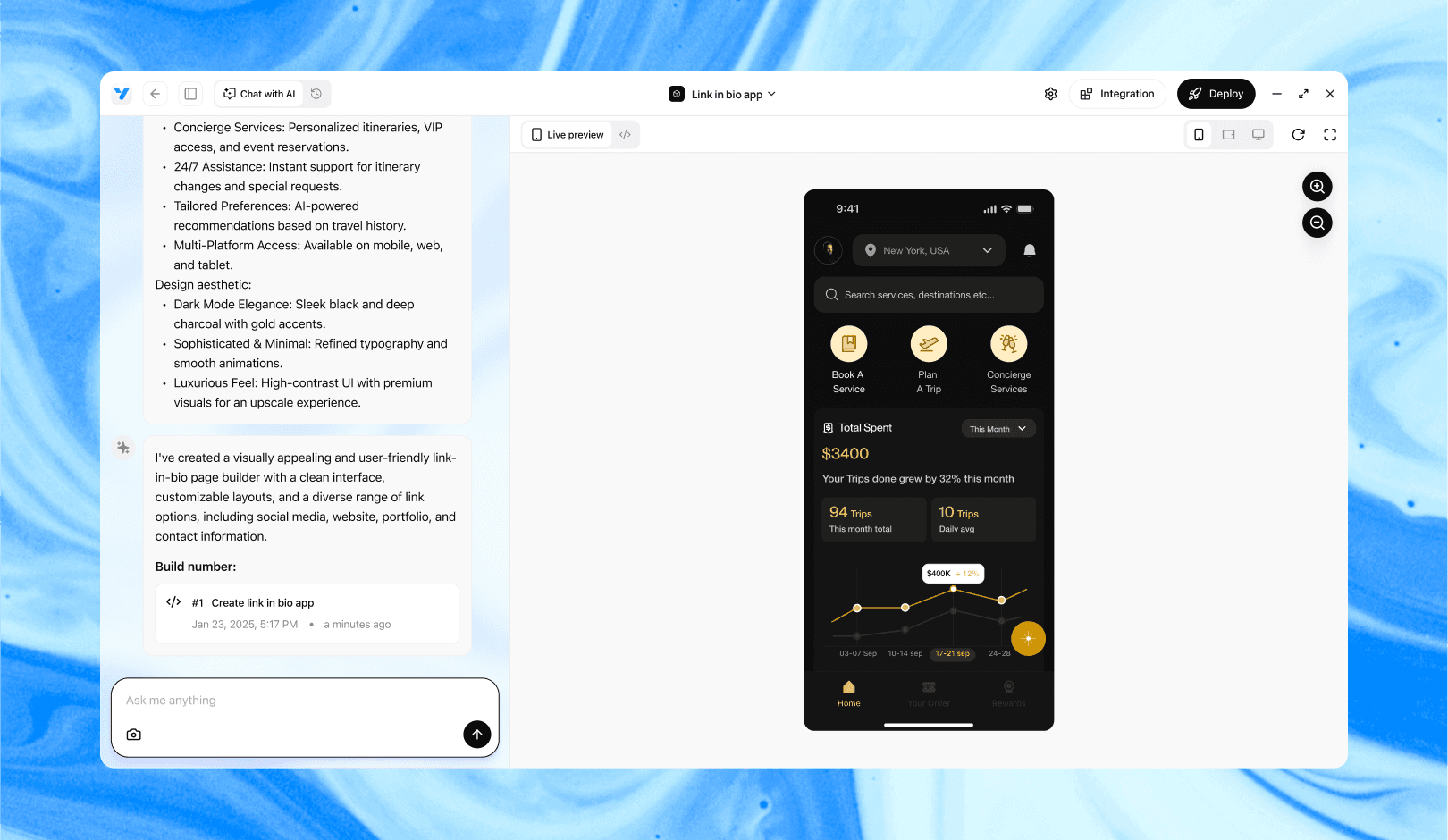
Vibe Studio, powered by Steve’s advanced AI agents, is a revolutionary no-code, conversational platform that empowers users to quickly and efficiently create full-stack Flutter applications integrated seamlessly with Firebase backend services. Ideal for solo founders, startups, and agile engineering teams, Vibe Studio allows users to visually manage and deploy Flutter apps, greatly accelerating the development process. The intuitive conversational interface simplifies complex development tasks, making app creation accessible even for non-coders.

Conclusion

Implementing drag select and multi-select in Flutter is a matter of combining reliable index hit-testing, concise selection state management, and efficient widget updates. Use fixed-height math when possible, a single pointer event stream for drag logic, and keep UI feedback immediate but debounced for heavy updates. With careful attention to performance and accessibility, you can build a natural, mobile-friendly selection experience that scales to large lists and complex UI requirements.


Introduction

Drag-to-select and multi-select lists are common in productivity and file-management apps. On mobile, the UX should be natural: tap to toggle, long-press to start multi-select mode, and drag to expand or shrink the selection while keeping smooth scrolling. This tutorial shows a practical, code-forward approach in Flutter for implementing drag selection and multi-select lists, covering state management, hit testing for drag gestures, visual feedback, and performance considerations for large lists.

Implementation Overview

The model is simple: maintain a Set of selected indices and an optional active selection range during a drag. Use a Scrollable list widget (ListView.builder) for content and wrap each item in a GestureDetector or Listener for pointer events. Long-press initiates selection mode; from there, pointer move events compute which item index the finger is over and update the selection Set accordingly. Keep UI updates efficient by only rebuilding affected items with optimized item widgets.

Key parts:

  • Selection state: Set selected

  • Drag state: int? dragStartIndex, int? dragCurrentIndex

  • Index hit testing: convert global/local pointer position to item index

Building Selectable List

Structure the list so each child can reflect selection state and expose its RenderBox for hit testing. A common pattern is to store GlobalKeys for visible child containers or compute item height when items are uniform.

If items are fixed height, index-from-position is trivial: index = (scrollOffset + localY) ~/ itemHeight. If variable height, wrap each item with a GlobalKey and check RenderBox.size and localToGlobal offsets while iterating visible indices.

Minimal item builder with fixed height:

// Fixed height approach
final itemHeight = 64.0;
int indexFromLocalPosition(Offset local, double scrollOffset){
  final y = scrollOffset + local.dy;
  return (y ~/ itemHeight).clamp(0, itemCount - 1);
}

Each item visually responds using a Container decoration or ListTile selected color. Prefer StatelessWidgets that take a selected boolean; this keeps rebuilds cheap when using itemCount large and ListView.builder.

Drag Selection Logic

Core flow:

  • Long-press on an item: set dragStartIndex and add it to selected.

  • On pointer move: compute new hover index, set dragCurrentIndex, and derive selected range between dragStartIndex and dragCurrentIndex.

  • On pointer up/cancel: finalize selection and clear drag state.

Listen to pointer events with a Listener at the list level so a single stream controls selection even while scrolling. Example pseudo-listener callbacks:

  • onPointerDown: check long-press timer or start selection directly when in multi-select mode

  • onPointerMove: if dragging, compute index and update Set

  • onPointerUp/onPointerCancel: stop dragging

Keep updates idempotent: compute newRange = [min..max] and then set selected = baseSelected ∪ newRange. Avoid rebuilding the entire list by calling setState only when the Set actually changes.

Small selection update example for drag range computation:

void updateDragSelection(int start, int current){
  final a = start < current ? start : current;
  final b = start < current ? current : start;
  final newRange = Set<int>.from(List.generate(b - a + 1, (i) => a + i));
  selected..removeWhere((i) => i >= 0 && i < itemCount && !newRange.contains(i))
          ..addAll(newRange);
  setState((){});
}

Performance And Accessibility

Performance tips:

  • Use ListView.builder with itemExtent when items are fixed height; this enables virtualization and index math.

  • Minimize rebuilds: pass only selected boolean into item widgets and make them const where possible.

  • For very large datasets, batch selection updates with a debounce (e.g., update state at 30–60Hz) to avoid jank while dragging.

Accessibility and UX:

  • Provide spoken feedback for screen readers when entering multi-select mode and when selection count changes.

  • Respect platform conventions: provide clear visual affordances (selection checkboxes, highlight) and an easy way to exit multi-select (tap a cancel button or back navigation).

  • Ensure hit areas are large enough and that drag gestures don’t conflict with horizontal swipe-to-dismiss unless explicitly required.

Vibe Studio

Vibe Studio, powered by Steve’s advanced AI agents, is a revolutionary no-code, conversational platform that empowers users to quickly and efficiently create full-stack Flutter applications integrated seamlessly with Firebase backend services. Ideal for solo founders, startups, and agile engineering teams, Vibe Studio allows users to visually manage and deploy Flutter apps, greatly accelerating the development process. The intuitive conversational interface simplifies complex development tasks, making app creation accessible even for non-coders.

Conclusion

Implementing drag select and multi-select in Flutter is a matter of combining reliable index hit-testing, concise selection state management, and efficient widget updates. Use fixed-height math when possible, a single pointer event stream for drag logic, and keep UI feedback immediate but debounced for heavy updates. With careful attention to performance and accessibility, you can build a natural, mobile-friendly selection experience that scales to large lists and complex UI requirements.

Build Flutter Apps Faster with Vibe Studio

Vibe Studio is your AI-powered Flutter development companion. Skip boilerplate, build in real-time, and deploy without hassle. Start creating apps at lightning speed with zero setup.

Other Insights

Join a growing community of builders today

Join a growing community of builders today

Join a growing community of builders today

Join a growing community of builders today

Join a growing community of builders today

28-07 Jackson Ave

Walturn

New York NY 11101 United States

© Steve • All Rights Reserved 2025

28-07 Jackson Ave

Walturn

New York NY 11101 United States

© Steve • All Rights Reserved 2025

28-07 Jackson Ave

Walturn

New York NY 11101 United States

© Steve • All Rights Reserved 2025

28-07 Jackson Ave

Walturn

New York NY 11101 United States

© Steve • All Rights Reserved 2025

28-07 Jackson Ave

Walturn

New York NY 11101 United States

© Steve • All Rights Reserved 2025

28-07 Jackson Ave

Walturn

New York NY 11101 United States

© Steve • All Rights Reserved 2025