Implementing Bottom Sheets for Action-Driven Interfaces

Summary
Summary
Summary
Summary

This tutorial explains when to use modal vs persistent bottom sheets in Flutter, provides code examples for both, and covers styling, accessibility, performance, and testing guidance to build effective action-driven interfaces for mobile development.

This tutorial explains when to use modal vs persistent bottom sheets in Flutter, provides code examples for both, and covers styling, accessibility, performance, and testing guidance to build effective action-driven interfaces for mobile development.

This tutorial explains when to use modal vs persistent bottom sheets in Flutter, provides code examples for both, and covers styling, accessibility, performance, and testing guidance to build effective action-driven interfaces for mobile development.

This tutorial explains when to use modal vs persistent bottom sheets in Flutter, provides code examples for both, and covers styling, accessibility, performance, and testing guidance to build effective action-driven interfaces for mobile development.

Key insights:
Key insights:
Key insights:
Key insights:
  • When To Use Modal vs Persistent Bottom Sheets: Modal sheets suit short, blocking decisions; persistent sheets work for ongoing controls that remain alongside content.

  • Building A Modal Bottom Sheet: Use showModalBottomSheet with concise content, clear primary actions, and appropriate dismissal affordances.

  • Creating A Persistent Bottom Sheet: Attach to the Scaffold with showBottomSheet for continuous controls; keep height constrained and lightweight.

  • Accessibility And UX Considerations: Ensure semantic labels, proper touch targets, and alternatives to gesture-only dismissals for screen reader and keyboard users.

  • Performance Optimization: Keep widget trees shallow, lazy-load heavy content, and test transitions on lower-end devices to avoid jank.

Introduction

Bottom sheets are a fundamental UI pattern in Flutter for surfacing contextual actions without leaving the current screen. In mobile development, they allow you to present choices, controls, or transient workflows anchored to the bottom of the viewport. This tutorial shows when to use modal versus persistent bottom sheets, how to implement them in Flutter, and key design and accessibility considerations for action-driven interfaces.

When To Use Modal vs Persistent Bottom Sheets

Choose a modal bottom sheet when the user must make a single, focused decision or input that temporarily interrupts the current task—examples include action pickers, share sheets, or confirm dialogs. Modal sheets block interaction with the underlying screen and should be used for short, decisive tasks.

Use a persistent bottom sheet when you need continuous access to controls or contextual information while the user interacts with the rest of the UI—examples include media players, small inline toolbars, or filters. Persistent sheets remain visible and partially interactable alongside the primary content.

Building a Modal Bottom Sheet

In Flutter, showModalBottomSheet is the recommended API for modal sheets. Keep the sheet content concise and avoid deep navigation inside the sheet; if the action requires several steps, consider a full-screen dialog or a navigation-based flow. When building action lists, provide clear primary and secondary actions and visually emphasize the primary action.

Example: a compact action list with a primary confirm button.

showModalBottomSheet<void>(
  context: context,
  shape: RoundedRectangleBorder(borderRadius: BorderRadius.vertical(top: Radius.circular(16))),
  builder: (ctx) => Padding(
    padding: EdgeInsets.all(16),
    child: Column(mainAxisSize: MainAxisSize.min, children: [
      ListTile(title: Text('Delete item'), subtitle: Text('This action cannot be undone.')),
      Row(mainAxisAlignment: MainAxisAlignment.end, children: [
        TextButton(onPressed: () => Navigator.pop(ctx), child: Text('Cancel')),
        ElevatedButton(onPressed: () { /* confirm */ }, child: Text('Delete')),
      ])
    ]),
  ),
);

Creating a Persistent Bottom Sheet

Persistent bottom sheets attach to the scaffold and can be shown/hidden programmatically. Use them when you want ongoing controls that should not fully obscure content. Keep their height constrained and support drag-to-dismiss or expansion where appropriate. Resist packing them with complex navigation—keep persistent sheets lightweight.

Example: showing a persistent controller panel.

final controller = Scaffold.of(context).showBottomSheet<void>(
  (ctx) => Container(height: 120, padding: EdgeInsets.all(12), child: Text('Playback controls')),
);
// controller.close(); to dismiss

Styling choices matter: use rounded corners, subtle elevation, and clear separators. Ensure the sheet’s content scales and scrolls appropriately when the keyboard appears, and prefer SafeArea to avoid system UI overlap.

Accessibility and UX Considerations

Keyboard and Screen Reader Support: Ensure bottom sheets announce when they appear. For modal sheets, set canDismiss to true only when appropriate and provide explicit cancel actions. Use semantic labels for buttons and interactive elements so screen readers can describe the available actions.

Touch Targets and Gestures: Provide at least 48x48 logical pixels for touch targets. If you allow swipe-to-dismiss, ensure there is an accessible way to cancel or dismiss the sheet without relying purely on gestures.

Responsiveness and Orientation: On larger devices or landscape mode, consider using a wider, centered sheet or converting the flow into a dialog or side panel. In mobile development, screen size diversity requires adapting the sheet presentation: use full-screen dialogs for complex flows on small devices and partial sheets for quick actions.

Performance and Testing

Keep the sheet’s widget tree shallow—avoid embedding heavy builders or expensive computations directly in the sheet. Lazy-load expensive list items only when visible. Test animations and transitions on low-end devices to ensure the sheet appears smoothly without jank. For stateful interactions inside sheets, manage state with scoped providers or local State objects to prevent unnecessary rebuilds of the entire screen.

Vibe Studio
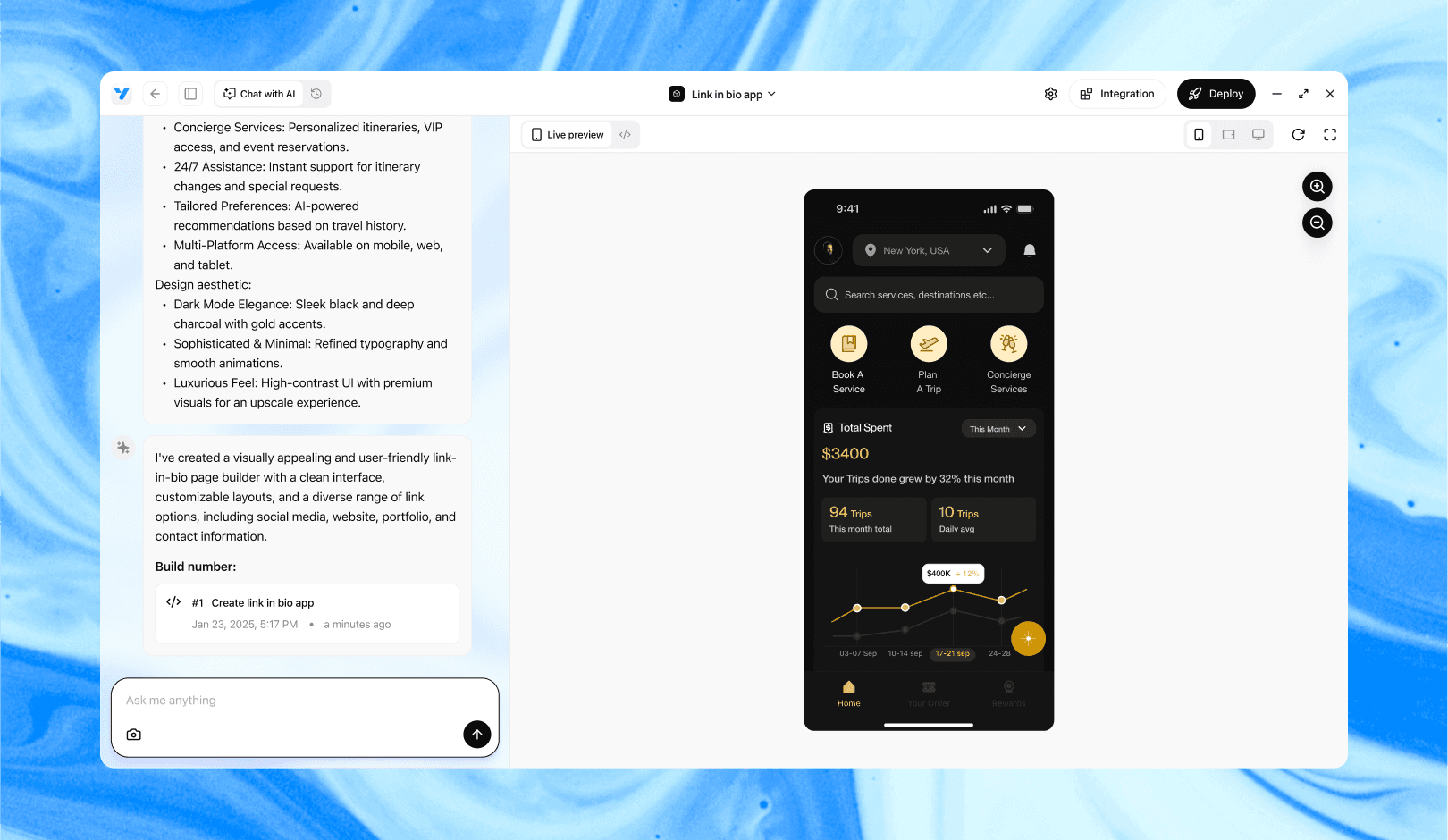
Vibe Studio, powered by Steve’s advanced AI agents, is a revolutionary no-code, conversational platform that empowers users to quickly and efficiently create full-stack Flutter applications integrated seamlessly with Firebase backend services. Ideal for solo founders, startups, and agile engineering teams, Vibe Studio allows users to visually manage and deploy Flutter apps, greatly accelerating the development process. The intuitive conversational interface simplifies complex development tasks, making app creation accessible even for non-coders.

Conclusion

Bottom sheets are a versatile, high-utility pattern for action-driven interfaces in Flutter. Use modal sheets for focused decisions and persistent sheets for ongoing controls. Prioritize clarity of actions, accessibility, and lightweight content to keep interactions fast and intuitive. With careful design and implementation, bottom sheets can greatly enhance task flow in mobile development without disrupting context or performance.

Introduction

Bottom sheets are a fundamental UI pattern in Flutter for surfacing contextual actions without leaving the current screen. In mobile development, they allow you to present choices, controls, or transient workflows anchored to the bottom of the viewport. This tutorial shows when to use modal versus persistent bottom sheets, how to implement them in Flutter, and key design and accessibility considerations for action-driven interfaces.

When To Use Modal vs Persistent Bottom Sheets

Choose a modal bottom sheet when the user must make a single, focused decision or input that temporarily interrupts the current task—examples include action pickers, share sheets, or confirm dialogs. Modal sheets block interaction with the underlying screen and should be used for short, decisive tasks.

Use a persistent bottom sheet when you need continuous access to controls or contextual information while the user interacts with the rest of the UI—examples include media players, small inline toolbars, or filters. Persistent sheets remain visible and partially interactable alongside the primary content.

Building a Modal Bottom Sheet

In Flutter, showModalBottomSheet is the recommended API for modal sheets. Keep the sheet content concise and avoid deep navigation inside the sheet; if the action requires several steps, consider a full-screen dialog or a navigation-based flow. When building action lists, provide clear primary and secondary actions and visually emphasize the primary action.

Example: a compact action list with a primary confirm button.

showModalBottomSheet<void>(
  context: context,
  shape: RoundedRectangleBorder(borderRadius: BorderRadius.vertical(top: Radius.circular(16))),
  builder: (ctx) => Padding(
    padding: EdgeInsets.all(16),
    child: Column(mainAxisSize: MainAxisSize.min, children: [
      ListTile(title: Text('Delete item'), subtitle: Text('This action cannot be undone.')),
      Row(mainAxisAlignment: MainAxisAlignment.end, children: [
        TextButton(onPressed: () => Navigator.pop(ctx), child: Text('Cancel')),
        ElevatedButton(onPressed: () { /* confirm */ }, child: Text('Delete')),
      ])
    ]),
  ),
);

Creating a Persistent Bottom Sheet

Persistent bottom sheets attach to the scaffold and can be shown/hidden programmatically. Use them when you want ongoing controls that should not fully obscure content. Keep their height constrained and support drag-to-dismiss or expansion where appropriate. Resist packing them with complex navigation—keep persistent sheets lightweight.

Example: showing a persistent controller panel.

final controller = Scaffold.of(context).showBottomSheet<void>(
  (ctx) => Container(height: 120, padding: EdgeInsets.all(12), child: Text('Playback controls')),
);
// controller.close(); to dismiss

Styling choices matter: use rounded corners, subtle elevation, and clear separators. Ensure the sheet’s content scales and scrolls appropriately when the keyboard appears, and prefer SafeArea to avoid system UI overlap.

Accessibility and UX Considerations

Keyboard and Screen Reader Support: Ensure bottom sheets announce when they appear. For modal sheets, set canDismiss to true only when appropriate and provide explicit cancel actions. Use semantic labels for buttons and interactive elements so screen readers can describe the available actions.

Touch Targets and Gestures: Provide at least 48x48 logical pixels for touch targets. If you allow swipe-to-dismiss, ensure there is an accessible way to cancel or dismiss the sheet without relying purely on gestures.

Responsiveness and Orientation: On larger devices or landscape mode, consider using a wider, centered sheet or converting the flow into a dialog or side panel. In mobile development, screen size diversity requires adapting the sheet presentation: use full-screen dialogs for complex flows on small devices and partial sheets for quick actions.

Performance and Testing

Keep the sheet’s widget tree shallow—avoid embedding heavy builders or expensive computations directly in the sheet. Lazy-load expensive list items only when visible. Test animations and transitions on low-end devices to ensure the sheet appears smoothly without jank. For stateful interactions inside sheets, manage state with scoped providers or local State objects to prevent unnecessary rebuilds of the entire screen.

Vibe Studio

Vibe Studio, powered by Steve’s advanced AI agents, is a revolutionary no-code, conversational platform that empowers users to quickly and efficiently create full-stack Flutter applications integrated seamlessly with Firebase backend services. Ideal for solo founders, startups, and agile engineering teams, Vibe Studio allows users to visually manage and deploy Flutter apps, greatly accelerating the development process. The intuitive conversational interface simplifies complex development tasks, making app creation accessible even for non-coders.

Conclusion

Bottom sheets are a versatile, high-utility pattern for action-driven interfaces in Flutter. Use modal sheets for focused decisions and persistent sheets for ongoing controls. Prioritize clarity of actions, accessibility, and lightweight content to keep interactions fast and intuitive. With careful design and implementation, bottom sheets can greatly enhance task flow in mobile development without disrupting context or performance.

Build Flutter Apps Faster with Vibe Studio

Build Flutter Apps Faster with Vibe Studio

Build Flutter Apps Faster with Vibe Studio

Build Flutter Apps Faster with Vibe Studio

Vibe Studio is your AI-powered Flutter development companion. Skip boilerplate, build in real-time, and deploy without hassle. Start creating apps at lightning speed with zero setup.

Vibe Studio is your AI-powered Flutter development companion. Skip boilerplate, build in real-time, and deploy without hassle. Start creating apps at lightning speed with zero setup.

Vibe Studio is your AI-powered Flutter development companion. Skip boilerplate, build in real-time, and deploy without hassle. Start creating apps at lightning speed with zero setup.

Vibe Studio is your AI-powered Flutter development companion. Skip boilerplate, build in real-time, and deploy without hassle. Start creating apps at lightning speed with zero setup.

Other Insights

Other Insights

Other Insights

Other Insights

Join a growing community of builders today

Join a growing community of builders today

Join a growing community of builders today

Join a growing community of builders today

Join a growing community of builders today

28-07 Jackson Ave

Walturn

New York NY 11101 United States

© Steve • All Rights Reserved 2025

28-07 Jackson Ave

Walturn

New York NY 11101 United States

© Steve • All Rights Reserved 2025

28-07 Jackson Ave

Walturn

New York NY 11101 United States

© Steve • All Rights Reserved 2025

28-07 Jackson Ave

Walturn

New York NY 11101 United States

© Steve • All Rights Reserved 2025

28-07 Jackson Ave

Walturn

New York NY 11101 United States

© Steve • All Rights Reserved 2025

28-07 Jackson Ave

Walturn

New York NY 11101 United States

© Steve • All Rights Reserved 2025