Implementing Background Tasks in Flutter Using WorkManager
Summary
Summary
Summary
Summary

This tutorial explains implementing background tasks in Flutter using the workmanager package: platform considerations, initialization with a top-level callback, task registration, scheduling with constraints, and practical testing/debugging tips to build reliable background work across Android and iOS.

This tutorial explains implementing background tasks in Flutter using the workmanager package: platform considerations, initialization with a top-level callback, task registration, scheduling with constraints, and practical testing/debugging tips to build reliable background work across Android and iOS.

This tutorial explains implementing background tasks in Flutter using the workmanager package: platform considerations, initialization with a top-level callback, task registration, scheduling with constraints, and practical testing/debugging tips to build reliable background work across Android and iOS.

This tutorial explains implementing background tasks in Flutter using the workmanager package: platform considerations, initialization with a top-level callback, task registration, scheduling with constraints, and practical testing/debugging tips to build reliable background work across Android and iOS.

Key insights:
Key insights:
Key insights:
Key insights:
  • Setup And Platform Considerations: Android offers reliable scheduling via WorkManager; iOS is best-effort and requires Background Modes configuration.

  • Adding WorkManager And Initialization: Initialize Workmanager early and provide a top-level callbackDispatcher; avoid UI or BuildContext in background code.

  • Registering And Defining Background Tasks: Use one-off or periodic tasks with unique IDs; keep tasks idempotent and minimal.

  • Scheduling Constraints And Testing: Apply network/charging constraints and test with isInDebugMode, short delays, and adb logcat for Android.

  • Background Task Best Practices: Return boolean success, handle exceptions, avoid unsupported plugins in isolates, and design for retries.

Introduction

Background tasks let mobile apps perform work when the app is not visible — syncing data, processing uploads, or running periodic cleanup. On Flutter, the WorkManager pattern (via the workmanager package) provides a cross-platform-friendly API that leverages Android WorkManager and iOS background fetch/processing hooks. This tutorial shows a practical, code-forward approach to implementing reliable background tasks in Flutter, focusing on initialization, task registration, scheduling, constraints, and testing considerations.

Setup And Platform Considerations

Add the workmanager package to pubspec.yaml and run flutter pub get. WorkManager behavior differs by platform: Android supports guaranteed execution via WorkManager and requires configuration in AndroidManifest and application setup. iOS support is limited by OS rules: enable Background Modes for fetch and processing, and accept that periodic execution is best-effort and constrained by battery, system sleep, and app usage.

Android checklist:

  • Add the AndroidX WorkManager dependency is handled by the plugin, but ensure your minSdkVersion meets plugin requirements.

  • Configure your AndroidManifest if you use a custom Application class.

iOS checklist:

  • Enable Background Modes > Background fetch and Background processing.

  • Configure AppDelegate to forward background fetch events if necessary.

Common constraints: background code runs in a separate Dart execution context (isolate). You cannot use Flutter UI elements or assume a running FlutterEngine with widget bindings; background callbacks must be top-level or static functions.

Adding WorkManager And Initialization

Initialize Workmanager early in main(). The callback dispatcher must be a top-level function. Avoid referencing BuildContext or widget objects inside the background callback.

void callbackDispatcher() {
  Workmanager().executeTask((task, inputData) async {
    // Put background code here. No UI, just pure Dart operations.
    print('Executing background task: $task');
    // Return true when the task succeeded.
    return Future.value(true);
  });
}

void main() {
  WidgetsFlutterBinding.ensureInitialized();
  Workmanager().initialize(callbackDispatcher, isInDebugMode: true);
  runApp(MyApp());
}

Key points: the callback must be accessible by name from native code, so keep it top-level. Set isInDebugMode to true while developing so the plugin logs more verbosely.

Registering And Defining Background Tasks

Register tasks with unique names and optional inputData. Choose between one-off and periodic tasks depending on your needs. Keep the work performed minimal and idempotent; OS can run tasks multiple times.

  • registerOneOffTask: single run (with optional initialDelay).

  • registerPeriodicTask: recurring scheduling (minimum interval typically 15 minutes on Android).

Inside the background handler, use package APIs that work in background isolates (for example, pure Dart HTTP, sqflite with proper initialization, or plugins that explicitly document background support). Avoid packages that require active platform channels unless they support background execution.

Scheduling, Constraints, And Testing

Schedule tasks with constraints to preserve battery and data:

  • Constraints.networkType: NetworkType.connected or NetworkType.unmetered

  • Constraints.requiresCharging

  • Constraints.requiresDeviceIdle (Android only)

Example of scheduling a periodic sync:

Workmanager().registerPeriodicTask(
  'syncTaskId',
  'syncWithServer',
  frequency: Duration(hours: 1),
  constraints: Constraints(networkType: NetworkType.connected),
  inputData: {'token': '...'},
);

Testing tips:

  • Use isInDebugMode: true and short initialDelay during development to trigger tasks quickly.

  • For Android, monitor logs with adb logcat and filter by your package or "WorkManager" tags.

  • For real device verification, enable background modes (iOS) and test on device because simulators behave differently.

  • Use unique task names during development to avoid collisions with previously scheduled tasks.

Debugging gotchas:

  • If your callback never runs, confirm the callbackDispatcher is a top-level symbol and Workmanager.initialize was called before runApp.

  • If persistent failures occur, ensure your background code returns a boolean Future indicating success or failure.

  • Watch for exceptions — uncaught exceptions in the background isolate may kill the task silently.

Vibe Studio
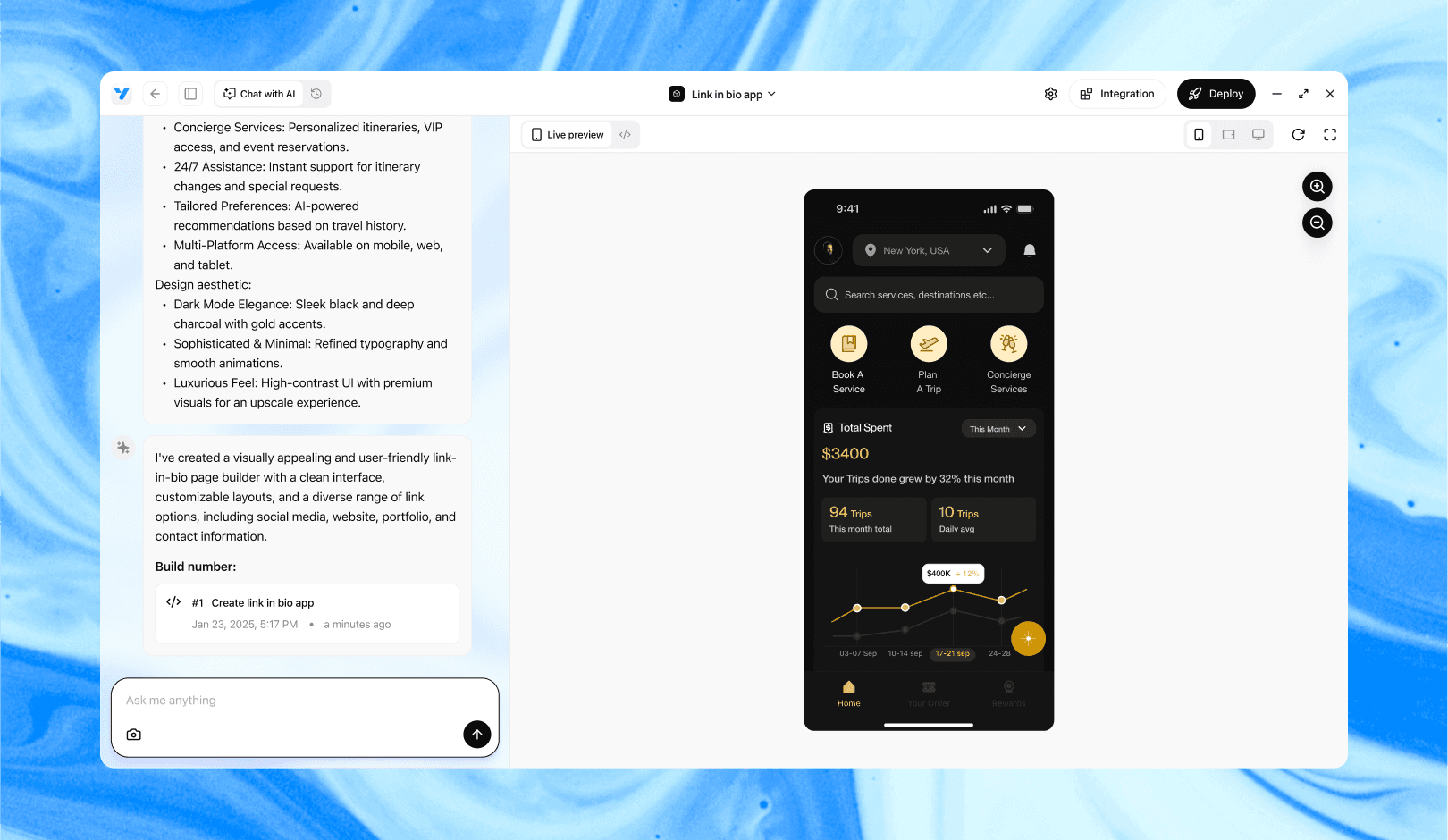
Vibe Studio, powered by Steve’s advanced AI agents, is a revolutionary no-code, conversational platform that empowers users to quickly and efficiently create full-stack Flutter applications integrated seamlessly with Firebase backend services. Ideal for solo founders, startups, and agile engineering teams, Vibe Studio allows users to visually manage and deploy Flutter apps, greatly accelerating the development process. The intuitive conversational interface simplifies complex development tasks, making app creation accessible even for non-coders.

Conclusion

WorkManager via the workmanager Flutter plugin provides a pragmatic way to run background work on mobile with a single Dart API. The pattern requires careful setup: platform configuration, top-level background callbacks, minimal and idempotent work, and appropriate constraints. Test aggressively on devices, monitor logs, and design tasks to tolerate retries and intermittent execution. Proper use of WorkManager enables reliable background sync, periodic cleanups, and deferred processing that improve app responsiveness and user experience without blocking the UI.


Introduction

Background tasks let mobile apps perform work when the app is not visible — syncing data, processing uploads, or running periodic cleanup. On Flutter, the WorkManager pattern (via the workmanager package) provides a cross-platform-friendly API that leverages Android WorkManager and iOS background fetch/processing hooks. This tutorial shows a practical, code-forward approach to implementing reliable background tasks in Flutter, focusing on initialization, task registration, scheduling, constraints, and testing considerations.

Setup And Platform Considerations

Add the workmanager package to pubspec.yaml and run flutter pub get. WorkManager behavior differs by platform: Android supports guaranteed execution via WorkManager and requires configuration in AndroidManifest and application setup. iOS support is limited by OS rules: enable Background Modes for fetch and processing, and accept that periodic execution is best-effort and constrained by battery, system sleep, and app usage.

Android checklist:

  • Add the AndroidX WorkManager dependency is handled by the plugin, but ensure your minSdkVersion meets plugin requirements.

  • Configure your AndroidManifest if you use a custom Application class.

iOS checklist:

  • Enable Background Modes > Background fetch and Background processing.

  • Configure AppDelegate to forward background fetch events if necessary.

Common constraints: background code runs in a separate Dart execution context (isolate). You cannot use Flutter UI elements or assume a running FlutterEngine with widget bindings; background callbacks must be top-level or static functions.

Adding WorkManager And Initialization

Initialize Workmanager early in main(). The callback dispatcher must be a top-level function. Avoid referencing BuildContext or widget objects inside the background callback.

void callbackDispatcher() {
  Workmanager().executeTask((task, inputData) async {
    // Put background code here. No UI, just pure Dart operations.
    print('Executing background task: $task');
    // Return true when the task succeeded.
    return Future.value(true);
  });
}

void main() {
  WidgetsFlutterBinding.ensureInitialized();
  Workmanager().initialize(callbackDispatcher, isInDebugMode: true);
  runApp(MyApp());
}

Key points: the callback must be accessible by name from native code, so keep it top-level. Set isInDebugMode to true while developing so the plugin logs more verbosely.

Registering And Defining Background Tasks

Register tasks with unique names and optional inputData. Choose between one-off and periodic tasks depending on your needs. Keep the work performed minimal and idempotent; OS can run tasks multiple times.

  • registerOneOffTask: single run (with optional initialDelay).

  • registerPeriodicTask: recurring scheduling (minimum interval typically 15 minutes on Android).

Inside the background handler, use package APIs that work in background isolates (for example, pure Dart HTTP, sqflite with proper initialization, or plugins that explicitly document background support). Avoid packages that require active platform channels unless they support background execution.

Scheduling, Constraints, And Testing

Schedule tasks with constraints to preserve battery and data:

  • Constraints.networkType: NetworkType.connected or NetworkType.unmetered

  • Constraints.requiresCharging

  • Constraints.requiresDeviceIdle (Android only)

Example of scheduling a periodic sync:

Workmanager().registerPeriodicTask(
  'syncTaskId',
  'syncWithServer',
  frequency: Duration(hours: 1),
  constraints: Constraints(networkType: NetworkType.connected),
  inputData: {'token': '...'},
);

Testing tips:

  • Use isInDebugMode: true and short initialDelay during development to trigger tasks quickly.

  • For Android, monitor logs with adb logcat and filter by your package or "WorkManager" tags.

  • For real device verification, enable background modes (iOS) and test on device because simulators behave differently.

  • Use unique task names during development to avoid collisions with previously scheduled tasks.

Debugging gotchas:

  • If your callback never runs, confirm the callbackDispatcher is a top-level symbol and Workmanager.initialize was called before runApp.

  • If persistent failures occur, ensure your background code returns a boolean Future indicating success or failure.

  • Watch for exceptions — uncaught exceptions in the background isolate may kill the task silently.

Vibe Studio

Vibe Studio, powered by Steve’s advanced AI agents, is a revolutionary no-code, conversational platform that empowers users to quickly and efficiently create full-stack Flutter applications integrated seamlessly with Firebase backend services. Ideal for solo founders, startups, and agile engineering teams, Vibe Studio allows users to visually manage and deploy Flutter apps, greatly accelerating the development process. The intuitive conversational interface simplifies complex development tasks, making app creation accessible even for non-coders.

Conclusion

WorkManager via the workmanager Flutter plugin provides a pragmatic way to run background work on mobile with a single Dart API. The pattern requires careful setup: platform configuration, top-level background callbacks, minimal and idempotent work, and appropriate constraints. Test aggressively on devices, monitor logs, and design tasks to tolerate retries and intermittent execution. Proper use of WorkManager enables reliable background sync, periodic cleanups, and deferred processing that improve app responsiveness and user experience without blocking the UI.

Build Flutter Apps Faster with Vibe Studio

Vibe Studio is your AI-powered Flutter development companion. Skip boilerplate, build in real-time, and deploy without hassle. Start creating apps at lightning speed with zero setup.

Other Insights

Join a growing community of builders today

Join a growing community of builders today

Join a growing community of builders today

Join a growing community of builders today

Join a growing community of builders today

28-07 Jackson Ave

Walturn

New York NY 11101 United States

© Steve • All Rights Reserved 2025

28-07 Jackson Ave

Walturn

New York NY 11101 United States

© Steve • All Rights Reserved 2025

28-07 Jackson Ave

Walturn

New York NY 11101 United States

© Steve • All Rights Reserved 2025

28-07 Jackson Ave

Walturn

New York NY 11101 United States

© Steve • All Rights Reserved 2025

28-07 Jackson Ave

Walturn

New York NY 11101 United States

© Steve • All Rights Reserved 2025

28-07 Jackson Ave

Walturn

New York NY 11101 United States

© Steve • All Rights Reserved 2025