Implementing App Update Prompts And Forced Upgrades Cleanly
Summary
Summary

Implement a clean app update flow in flutter by separating version detection (server-driven metadata) from UI presentation. Use package_info_plus to read current version, compare to server-provided latest and minimum supported versions, and present optional or forced prompts accordingly. Keep forced upgrades blocking, test edge cases, and roll out changes gradually with analytics.

Implement a clean app update flow in flutter by separating version detection (server-driven metadata) from UI presentation. Use package_info_plus to read current version, compare to server-provided latest and minimum supported versions, and present optional or forced prompts accordingly. Keep forced upgrades blocking, test edge cases, and roll out changes gradually with analytics.

Key insights:
Key insights:
  • Detecting Available Updates: Centralize version comparison using a server-provided metadata endpoint to determine optional vs forced updates.

  • Designing The UX For Prompts: Use non-blocking banners for optional updates and non-dismissable dialogs/screens for forced updates.

  • Implementing Forced Upgrade Flow: Check version early, block navigation for forced updates, and provide a store link plus offline retry behavior.

  • Testing And Rollout: Test on real devices, simulate offline and slow networks, and rollout server-side enforcement gradually with analytics.

  • Backend Contract And Versioning: Maintain a clear API contract (latestVersion, minimumSupportedVersion, releaseNotes, storeUrl) and use semantic versioning.

Introduction

Keeping mobile apps up to date is essential for security, UX, and feature delivery. In flutter mobile development, prompting users to update — and occasionally forcing an upgrade — must be implemented in a way that’s reliable, testable, and minimally disruptive. This tutorial lays out a clean architecture for detecting updates, presenting polite prompts, and enforcing mandatory upgrades when needed.

Detecting Available Updates

A robust update flow separates version detection from UI. The app should query a trusted backend endpoint that returns metadata: latestVersion, minimumSupportedVersion, releaseNotes, and an optional store URL. Do not trust client-side or app-store scraping; use a server-driven contract so you can change rules without shipping a client update.

Use package_info_plus to read the current app version and compare semantically to the server values. Keep comparison logic centralized in a service and expose a simple enum: UpToDate, OptionalUpdate, ForcedUpdate.

Example version-check service:

import 'package:package_info_plus/package_info_plus.dart';
Future<String> currentVersion() async => (await PackageInfo.fromPlatform()).version;
Future<Map> fetchRemoteMetadata() async {/* HTTP GET /app/version */}
// Compare versions and return UpToDate / OptionalUpdate / ForcedUpdate

Ensure your backend returns semantic versions (MAJOR.MINOR.PATCH) and handles pre-release tags. Use a semver library if you need complex rules.

Designing The UX For Prompts

Differentiate the experiences:

  • Optional Update: Non-blocking banner or dialog with "Later" and "Update" actions. Respect user choice for a session and avoid nagging.

  • Forced Update: Blocking modal or full-screen that prevents normal use until the app is updated. Offer a direct link to the store and a short explanation.

Keep dialogs simple and accessible. For optional prompts, consider a delayed prompt (e.g., after 3 app launches) to reduce friction. Record user dismissal to avoid repeated interruptions within a short window.

Implement presentation logic in a single widget or navigator-aware service so the rest of your UI code does not need to know about update policy.

Example dialog call:

void showUpdateDialog(BuildContext context, {required bool force, required String notes, required String storeUrl}) {
  showDialog(context: context, barrierDismissible: !force, builder: (_) => AlertDialog(
    title: Text(force ? 'Update Required' : 'Update Available'),
    content: Text(notes),
    actions: force ? [TextButton(onPressed: () => launch(storeUrl), child: Text('Update'))] : [/* Later, Update */],
  ));
}

Implementing Forced Upgrade Flow

A forced upgrade must be impossible to bypass. That means:

  • Present a non-dismissable UI on app cold start when the server indicates forced update.

  • Prevent navigation to core functionality until the user follows the update flow.

  • Handle edge cases: offline devices should see an explanatory screen and a retry option.

Do the version check early in the app lifecycle (splash screen or top-level init) and route accordingly. Keep the forced-upgrade UI isolated so it’s trivial to test. Log analytics for how many users hit forced-upgrade screens — this helps diagnose rollout issues.

Avoid downloading code or data migrations that assume older clients will continue working; instead, coordinate breaking API or schema changes with a rollout window and use minimumSupportedVersion to give users time to update.

Testing And Rollout

Test on real devices and emulate slow networks and offline. Key scenarios:

  • Current version in range: normal flow.

  • Optional update present: dialog behavior and dismissal persistence.

  • Forced update present: app blocks usage and store link works.

  • Edge-case version formats and pre-release tags.

Roll out server-side changes gradually. Feature-flag the update endpoint so you can toggle enforcement. Monitor store metrics and crash reporting during rollout.

On mobile development projects, coordinate with product and QA to ensure that forced upgrades are only used when necessary (security or critical bug).

Vibe Studio
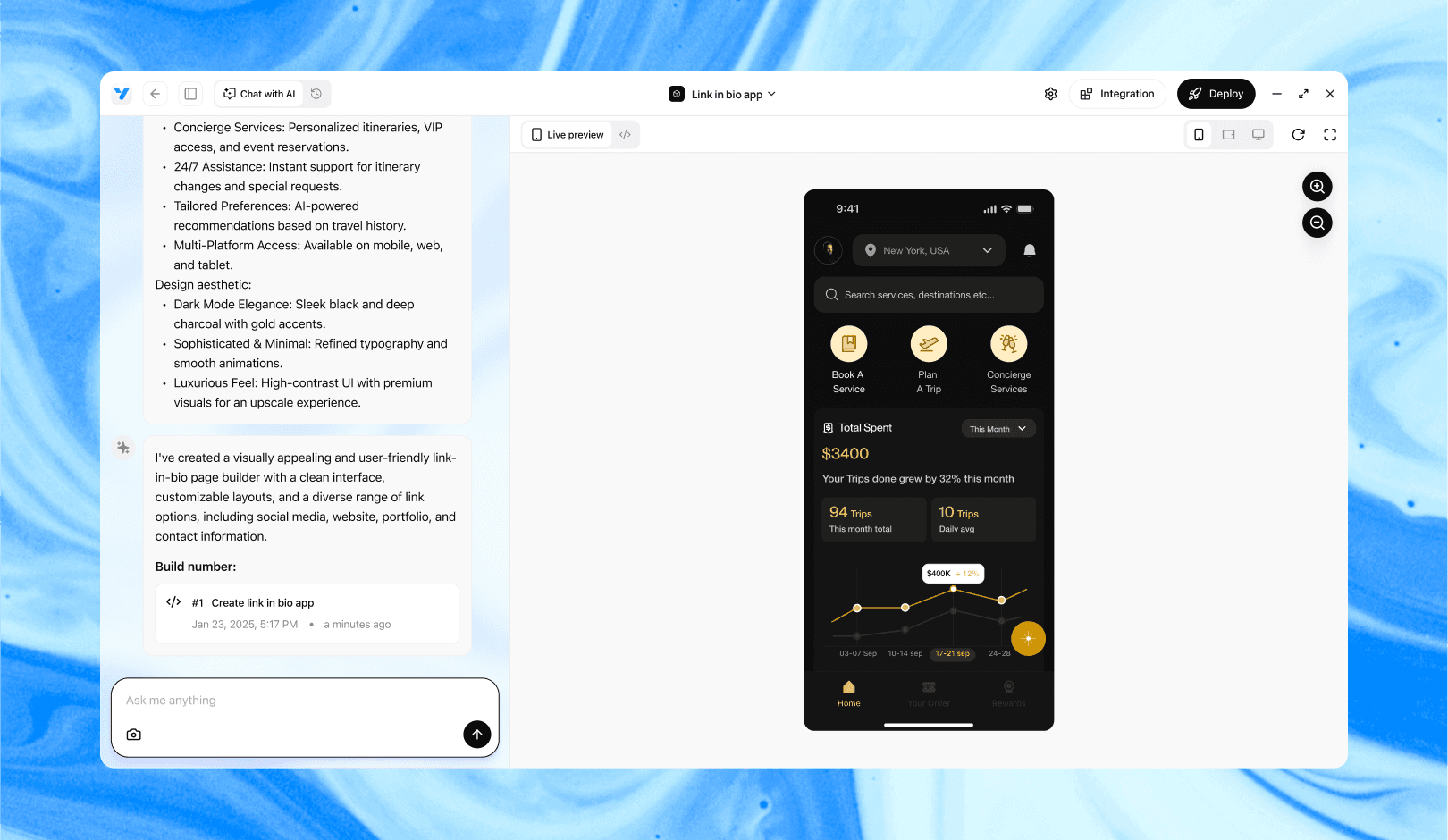
Vibe Studio, powered by Steve’s advanced AI agents, is a revolutionary no-code, conversational platform that empowers users to quickly and efficiently create full-stack Flutter applications integrated seamlessly with Firebase backend services. Ideal for solo founders, startups, and agile engineering teams, Vibe Studio allows users to visually manage and deploy Flutter apps, greatly accelerating the development process. The intuitive conversational interface simplifies complex development tasks, making app creation accessible even for non-coders.

Conclusion

A clean update strategy in flutter balances control and user experience. Centralize version detection, separate presentation from policy, and treat forced upgrades as emergency measures with careful rollout and analytics. With a server-driven contract and simple UI primitives, you can implement optional prompts and mandatory upgrades reliably across platforms while minimizing user disruption.

Introduction

Keeping mobile apps up to date is essential for security, UX, and feature delivery. In flutter mobile development, prompting users to update — and occasionally forcing an upgrade — must be implemented in a way that’s reliable, testable, and minimally disruptive. This tutorial lays out a clean architecture for detecting updates, presenting polite prompts, and enforcing mandatory upgrades when needed.

Detecting Available Updates

A robust update flow separates version detection from UI. The app should query a trusted backend endpoint that returns metadata: latestVersion, minimumSupportedVersion, releaseNotes, and an optional store URL. Do not trust client-side or app-store scraping; use a server-driven contract so you can change rules without shipping a client update.

Use package_info_plus to read the current app version and compare semantically to the server values. Keep comparison logic centralized in a service and expose a simple enum: UpToDate, OptionalUpdate, ForcedUpdate.

Example version-check service:

import 'package:package_info_plus/package_info_plus.dart';
Future<String> currentVersion() async => (await PackageInfo.fromPlatform()).version;
Future<Map> fetchRemoteMetadata() async {/* HTTP GET /app/version */}
// Compare versions and return UpToDate / OptionalUpdate / ForcedUpdate

Ensure your backend returns semantic versions (MAJOR.MINOR.PATCH) and handles pre-release tags. Use a semver library if you need complex rules.

Designing The UX For Prompts

Differentiate the experiences:

  • Optional Update: Non-blocking banner or dialog with "Later" and "Update" actions. Respect user choice for a session and avoid nagging.

  • Forced Update: Blocking modal or full-screen that prevents normal use until the app is updated. Offer a direct link to the store and a short explanation.

Keep dialogs simple and accessible. For optional prompts, consider a delayed prompt (e.g., after 3 app launches) to reduce friction. Record user dismissal to avoid repeated interruptions within a short window.

Implement presentation logic in a single widget or navigator-aware service so the rest of your UI code does not need to know about update policy.

Example dialog call:

void showUpdateDialog(BuildContext context, {required bool force, required String notes, required String storeUrl}) {
  showDialog(context: context, barrierDismissible: !force, builder: (_) => AlertDialog(
    title: Text(force ? 'Update Required' : 'Update Available'),
    content: Text(notes),
    actions: force ? [TextButton(onPressed: () => launch(storeUrl), child: Text('Update'))] : [/* Later, Update */],
  ));
}

Implementing Forced Upgrade Flow

A forced upgrade must be impossible to bypass. That means:

  • Present a non-dismissable UI on app cold start when the server indicates forced update.

  • Prevent navigation to core functionality until the user follows the update flow.

  • Handle edge cases: offline devices should see an explanatory screen and a retry option.

Do the version check early in the app lifecycle (splash screen or top-level init) and route accordingly. Keep the forced-upgrade UI isolated so it’s trivial to test. Log analytics for how many users hit forced-upgrade screens — this helps diagnose rollout issues.

Avoid downloading code or data migrations that assume older clients will continue working; instead, coordinate breaking API or schema changes with a rollout window and use minimumSupportedVersion to give users time to update.

Testing And Rollout

Test on real devices and emulate slow networks and offline. Key scenarios:

  • Current version in range: normal flow.

  • Optional update present: dialog behavior and dismissal persistence.

  • Forced update present: app blocks usage and store link works.

  • Edge-case version formats and pre-release tags.

Roll out server-side changes gradually. Feature-flag the update endpoint so you can toggle enforcement. Monitor store metrics and crash reporting during rollout.

On mobile development projects, coordinate with product and QA to ensure that forced upgrades are only used when necessary (security or critical bug).

Vibe Studio

Vibe Studio, powered by Steve’s advanced AI agents, is a revolutionary no-code, conversational platform that empowers users to quickly and efficiently create full-stack Flutter applications integrated seamlessly with Firebase backend services. Ideal for solo founders, startups, and agile engineering teams, Vibe Studio allows users to visually manage and deploy Flutter apps, greatly accelerating the development process. The intuitive conversational interface simplifies complex development tasks, making app creation accessible even for non-coders.

Conclusion

A clean update strategy in flutter balances control and user experience. Centralize version detection, separate presentation from policy, and treat forced upgrades as emergency measures with careful rollout and analytics. With a server-driven contract and simple UI primitives, you can implement optional prompts and mandatory upgrades reliably across platforms while minimizing user disruption.

Build Flutter Apps Faster with Vibe Studio

Vibe Studio is your AI-powered Flutter development companion. Skip boilerplate, build in real-time, and deploy without hassle. Start creating apps at lightning speed with zero setup.

Other Insights

Join a growing community of builders today

Join a growing community of builders today

Join a growing community of builders today

Join a growing community of builders today

Join a growing community of builders today

28-07 Jackson Ave

Walturn

New York NY 11101 United States

© Steve • All Rights Reserved 2025

28-07 Jackson Ave

Walturn

New York NY 11101 United States

© Steve • All Rights Reserved 2025

28-07 Jackson Ave

Walturn

New York NY 11101 United States

© Steve • All Rights Reserved 2025

28-07 Jackson Ave

Walturn

New York NY 11101 United States

© Steve • All Rights Reserved 2025

28-07 Jackson Ave

Walturn

New York NY 11101 United States

© Steve • All Rights Reserved 2025

28-07 Jackson Ave

Walturn

New York NY 11101 United States

© Steve • All Rights Reserved 2025