How To Build A Drag-and-Drop Interface In Flutter

Summary
Summary
Summary
Summary

Learn to build drag-and-drop interfaces in Flutter using Draggable and DragTarget. This tutorial covers payloads, feedback, childWhenDragging, onWillAccept/onAccept callbacks, state strategies, touch considerations like LongPressDraggable, and performance/accessibility tips for mobile development.

Learn to build drag-and-drop interfaces in Flutter using Draggable and DragTarget. This tutorial covers payloads, feedback, childWhenDragging, onWillAccept/onAccept callbacks, state strategies, touch considerations like LongPressDraggable, and performance/accessibility tips for mobile development.

Learn to build drag-and-drop interfaces in Flutter using Draggable and DragTarget. This tutorial covers payloads, feedback, childWhenDragging, onWillAccept/onAccept callbacks, state strategies, touch considerations like LongPressDraggable, and performance/accessibility tips for mobile development.

Learn to build drag-and-drop interfaces in Flutter using Draggable and DragTarget. This tutorial covers payloads, feedback, childWhenDragging, onWillAccept/onAccept callbacks, state strategies, touch considerations like LongPressDraggable, and performance/accessibility tips for mobile development.

Key insights:
Key insights:
Key insights:
Key insights:
  • Understanding Flutter Drag-And-Drop: Core widgets are Draggable and DragTarget; separate payload, feedback, and placeholder behaviors.

  • Building Draggable Widgets: Use feedback and childWhenDragging to control visuals; prefer LongPressDraggable on touch devices to avoid accidental drags.

  • Implementing DragTarget Areas: Use onWillAccept for quick acceptance checks and onAccept to finalize state changes; provide visual hover cues.

  • Managing State And Feedback: Choose optimistic or confirmed move strategies; keep feedback lightweight and state updates fast.

  • Performance And Accessibility: Minimize rebuilds during drag, increase hit targets, and use Semantics to announce drag events for screen readers.

Introduction

This tutorial shows how to build a drag-and-drop interface in Flutter for mobile development. Flutter provides lightweight widgets for draggable items and drop targets. We'll cover the core widgets, patterns for state management, user feedback, and practical tips to make interactions reliable on touch devices.

Understanding Flutter Drag-And-Drop

Flutter's drag-and-drop relies primarily on two widgets: Draggable (and LongPressDraggable) and DragTarget. Draggable wraps the item that can be moved, exposes a data payload, and defines the visual feedback during the drag. DragTarget declares which data types it accepts and what to do when an item is dropped.

Key concepts:

  • Data payload: Any Dart object you attach to Draggable.data to identify what is being dragged.

  • Feedback widget: A visual copy shown during the drag; kept separate from the original child.

  • childWhenDragging: What to show in the original place while dragging (often a translucent placeholder).

  • onWillAccept / onAccept: Callbacks to preview and finalize drops.

These widgets work on both iOS and Android in Flutter, making them suitable for mobile development projects.

Building Draggable Widgets

Start by making the draggable element. Use Draggable for immediate drags or LongPressDraggable to initiate drag after a long-press (common on mobile to avoid accidental drags).

Example Draggable:

Draggable<String>(
  data: 'item-1',
  feedback: Material(color: Colors.transparent, child: _buildTile('Item 1', 0.9)),
  childWhenDragging: Opacity(opacity: 0.3, child: _buildTile('Item 1', 1.0)),
  child: _buildTile('Item 1', 1.0),
)

Notes:

  • Wrap feedback in Material if it uses Material widgets to avoid missing text styles.

  • Keep the feedback lightweight to avoid dropped frames on mobile.

  • Use a small scale or shadow to indicate the item is being dragged.

Implementing DragTarget Areas

DragTarget handles acceptance logic and the final drop. Implement three callbacks: onWillAccept (preview), onAccept (commit), and onLeave (cleanup). Use the candidateData parameter to inspect payloads.

Example DragTarget:

DragTarget<String>(
  onWillAccept: (data) => data != null && data.startsWith('item'),
  onAccept: (data) => setState(() => _acceptedItems.add(data)),
  builder: (context, candidates, rejects) {
    return Container(height: 120, color: candidates.isEmpty ? Colors.grey[200] : Colors.blue[100]);
  },
)

Practical tips:

  • Provide immediate visual feedback in the builder when candidates.isNotEmpty.

  • Use simple predicate logic in onWillAccept to avoid heavy computation during a drag.

  • Keep onAccept fast; perform heavier operations after the UI updates if possible.

Managing State and Feedback

Decide where to store state: locally within a StatefulWidget for small UIs, or in a provider/bloc for more complex layouts. Typical state items include the list of items, target contents, and temporary hover indicators.

Patterns:

  • Optimistic Move: Remove the item from source on drag start, put it back if the drop is rejected. Useful for reordering lists.

  • Confirmed Move: Only mutate state inside onAccept. This keeps the original visible until a successful drop.

Accessibility and touch:

  • Use LongPressDraggable to reduce accidental drags on touch screens.

  • Increase hit areas for small widgets using SizedBox or Padding.

  • Announce drag start/accept events using Semantics for screen readers.

Performance:

  • Keep feedback widgets lightweight; avoid complex rebuilds while dragging.

  • When dragging many items, throttle expensive work and avoid large rebuilds of the whole tree.

Vibe Studio
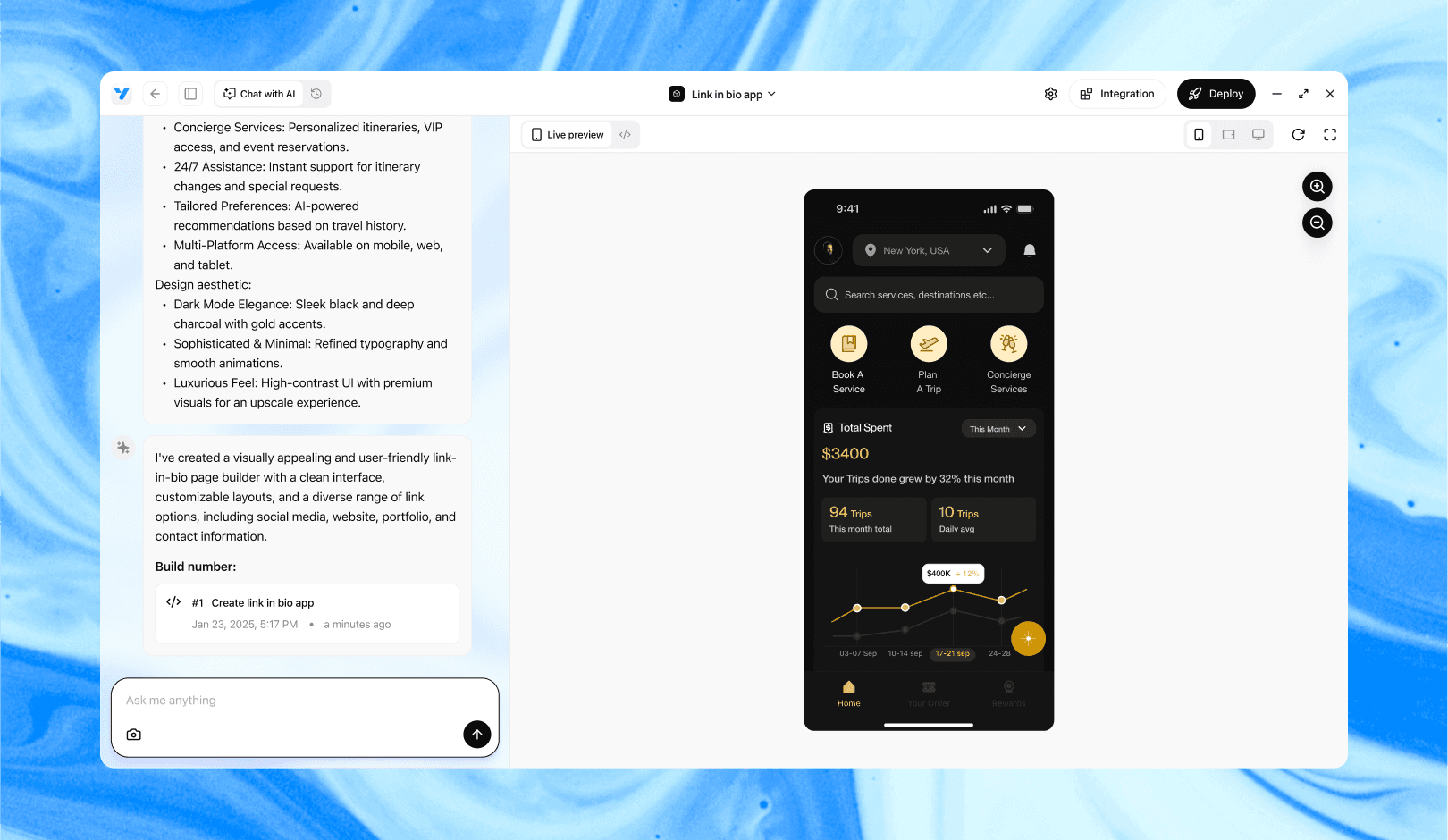
Vibe Studio, powered by Steve’s advanced AI agents, is a revolutionary no-code, conversational platform that empowers users to quickly and efficiently create full-stack Flutter applications integrated seamlessly with Firebase backend services. Ideal for solo founders, startups, and agile engineering teams, Vibe Studio allows users to visually manage and deploy Flutter apps, greatly accelerating the development process. The intuitive conversational interface simplifies complex development tasks, making app creation accessible even for non-coders.

Conclusion

Building drag-and-drop in Flutter is straightforward: combine Draggable and DragTarget, choose a state strategy, and deliver clear visual feedback. These primitives work well for mobile development, letting you craft reorderable lists, palette-to-canvas interactions, or tile placement UIs. Start with small, testable components, and iterate on touch behavior and accessibility to make the experience fluid and robust.


Introduction

This tutorial shows how to build a drag-and-drop interface in Flutter for mobile development. Flutter provides lightweight widgets for draggable items and drop targets. We'll cover the core widgets, patterns for state management, user feedback, and practical tips to make interactions reliable on touch devices.

Understanding Flutter Drag-And-Drop

Flutter's drag-and-drop relies primarily on two widgets: Draggable (and LongPressDraggable) and DragTarget. Draggable wraps the item that can be moved, exposes a data payload, and defines the visual feedback during the drag. DragTarget declares which data types it accepts and what to do when an item is dropped.

Key concepts:

  • Data payload: Any Dart object you attach to Draggable.data to identify what is being dragged.

  • Feedback widget: A visual copy shown during the drag; kept separate from the original child.

  • childWhenDragging: What to show in the original place while dragging (often a translucent placeholder).

  • onWillAccept / onAccept: Callbacks to preview and finalize drops.

These widgets work on both iOS and Android in Flutter, making them suitable for mobile development projects.

Building Draggable Widgets

Start by making the draggable element. Use Draggable for immediate drags or LongPressDraggable to initiate drag after a long-press (common on mobile to avoid accidental drags).

Example Draggable:

Draggable<String>(
  data: 'item-1',
  feedback: Material(color: Colors.transparent, child: _buildTile('Item 1', 0.9)),
  childWhenDragging: Opacity(opacity: 0.3, child: _buildTile('Item 1', 1.0)),
  child: _buildTile('Item 1', 1.0),
)

Notes:

  • Wrap feedback in Material if it uses Material widgets to avoid missing text styles.

  • Keep the feedback lightweight to avoid dropped frames on mobile.

  • Use a small scale or shadow to indicate the item is being dragged.

Implementing DragTarget Areas

DragTarget handles acceptance logic and the final drop. Implement three callbacks: onWillAccept (preview), onAccept (commit), and onLeave (cleanup). Use the candidateData parameter to inspect payloads.

Example DragTarget:

DragTarget<String>(
  onWillAccept: (data) => data != null && data.startsWith('item'),
  onAccept: (data) => setState(() => _acceptedItems.add(data)),
  builder: (context, candidates, rejects) {
    return Container(height: 120, color: candidates.isEmpty ? Colors.grey[200] : Colors.blue[100]);
  },
)

Practical tips:

  • Provide immediate visual feedback in the builder when candidates.isNotEmpty.

  • Use simple predicate logic in onWillAccept to avoid heavy computation during a drag.

  • Keep onAccept fast; perform heavier operations after the UI updates if possible.

Managing State and Feedback

Decide where to store state: locally within a StatefulWidget for small UIs, or in a provider/bloc for more complex layouts. Typical state items include the list of items, target contents, and temporary hover indicators.

Patterns:

  • Optimistic Move: Remove the item from source on drag start, put it back if the drop is rejected. Useful for reordering lists.

  • Confirmed Move: Only mutate state inside onAccept. This keeps the original visible until a successful drop.

Accessibility and touch:

  • Use LongPressDraggable to reduce accidental drags on touch screens.

  • Increase hit areas for small widgets using SizedBox or Padding.

  • Announce drag start/accept events using Semantics for screen readers.

Performance:

  • Keep feedback widgets lightweight; avoid complex rebuilds while dragging.

  • When dragging many items, throttle expensive work and avoid large rebuilds of the whole tree.

Vibe Studio

Vibe Studio, powered by Steve’s advanced AI agents, is a revolutionary no-code, conversational platform that empowers users to quickly and efficiently create full-stack Flutter applications integrated seamlessly with Firebase backend services. Ideal for solo founders, startups, and agile engineering teams, Vibe Studio allows users to visually manage and deploy Flutter apps, greatly accelerating the development process. The intuitive conversational interface simplifies complex development tasks, making app creation accessible even for non-coders.

Conclusion

Building drag-and-drop in Flutter is straightforward: combine Draggable and DragTarget, choose a state strategy, and deliver clear visual feedback. These primitives work well for mobile development, letting you craft reorderable lists, palette-to-canvas interactions, or tile placement UIs. Start with small, testable components, and iterate on touch behavior and accessibility to make the experience fluid and robust.

Build Flutter Apps Faster with Vibe Studio

Build Flutter Apps Faster with Vibe Studio

Build Flutter Apps Faster with Vibe Studio

Build Flutter Apps Faster with Vibe Studio

Vibe Studio is your AI-powered Flutter development companion. Skip boilerplate, build in real-time, and deploy without hassle. Start creating apps at lightning speed with zero setup.

Vibe Studio is your AI-powered Flutter development companion. Skip boilerplate, build in real-time, and deploy without hassle. Start creating apps at lightning speed with zero setup.

Vibe Studio is your AI-powered Flutter development companion. Skip boilerplate, build in real-time, and deploy without hassle. Start creating apps at lightning speed with zero setup.

Vibe Studio is your AI-powered Flutter development companion. Skip boilerplate, build in real-time, and deploy without hassle. Start creating apps at lightning speed with zero setup.

Other Insights

Other Insights

Other Insights

Other Insights

Join a growing community of builders today

Join a growing community of builders today

Join a growing community of builders today

Join a growing community of builders today

Join a growing community of builders today

28-07 Jackson Ave

Walturn

New York NY 11101 United States

© Steve • All Rights Reserved 2025

28-07 Jackson Ave

Walturn

New York NY 11101 United States

© Steve • All Rights Reserved 2025

28-07 Jackson Ave

Walturn

New York NY 11101 United States

© Steve • All Rights Reserved 2025

28-07 Jackson Ave

Walturn

New York NY 11101 United States

© Steve • All Rights Reserved 2025

28-07 Jackson Ave

Walturn

New York NY 11101 United States

© Steve • All Rights Reserved 2025

28-07 Jackson Ave

Walturn

New York NY 11101 United States

© Steve • All Rights Reserved 2025