Handling User Generated Content Safely Sanitization And Moderation
Summary
Summary

This tutorial explains practical strategies for safely handling user generated content in Flutter mobile development: client-side sanitization and escaping, server-side filtering and rate limiting, integrating automated ML moderation, and designing user reporting plus human review workflows. Emphasize server-side enforcement, audited logs, and conservative ML thresholds to reduce false positives while preserving UX.

This tutorial explains practical strategies for safely handling user generated content in Flutter mobile development: client-side sanitization and escaping, server-side filtering and rate limiting, integrating automated ML moderation, and designing user reporting plus human review workflows. Emphasize server-side enforcement, audited logs, and conservative ML thresholds to reduce false positives while preserving UX.

Key insights:
Key insights:
  • Sanitization Techniques: Normalize input, strip HTML tags, validate file headers, and treat client sanitization as UX convenience only.

  • Client-Side Validation And Escaping: Use client checks for feedback and escape or avoid rendering raw HTML; prefer programmatic rich text construction.

  • Server-Side Filtering And Rate Limiting: Enforce authoritative sanitization, profanity filters, file scanning, and rate limits on the server.

  • Automated Moderation With ML And Rules: Combine deterministic rules with ML confidence scores; send borderline cases to human review and be conservative with thresholds.

  • User Reporting And Human Review: Implement reporting flows, triage interfaces, auditable decisions, and retention policies to handle appeals and edge cases.

Introduction

Handling user generated content (UGC) in Flutter mobile development requires balancing user experience, performance, and safety. UGC can include text, images, files, and links; each introduces risks: cross-site scripting when rendering HTML, abusive language, copyrighted media, spam, and malware. This article focuses on practical, code-forward strategies you can apply in a Flutter app and its backend to sanitize input, reduce attack surface, and integrate moderation workflows.

Sanitization Techniques

Sanitization means transforming or removing dangerous parts of data before storage or rendering. On mobile, prefer lightweight client-side sanitation for UX (instant feedback) and robust server-side sanitation as the gatekeeper. For text, canonical steps are: trim input, normalize Unicode, strip control characters, and escape or remove HTML tags if you render content as rich text.

Example Dart utility to strip tags and normalize whitespace:

String basicSanitize(String input) {
  final normalized = input.replaceAll(RegExp(r'\s+'), ' ').trim();
  return normalized.replaceAll(RegExp(r'<[^>]*>'), '');
}

Always treat client-side sanitization as convenience; never rely on it for security. For images or files, validate MIME types and inspect file headers rather than trusting file extensions.

Client-Side Validation And Escaping

Use client-side checks for immediate feedback: length limits, allowed character sets, and simple profanity checks. Escaping is essential when you render HTML-like content. If you allow a markdown subset, convert markdown to sanitized HTML on the server or use a strict, audited renderer and sanitize the output before displaying with a widget.

When rendering user text in Flutter widgets (Text, RichText), prefer plain text rendering. If you must render HTML, use a vetted package and pass sanitized HTML only. Example: escape user-provided strings before inserting into rich widgets, or construct rich spans programmatically with explicit styles rather than interpolating raw HTML.

Server-Side Filtering And Rate Limiting

The server is the authoritative layer for enforcement. Implement these controls server-side:

  • Input sanitization and canonicalization (re-run client checks).

  • Profanity and policy filters (maintain allow/deny lists).

  • Rate limits and per-user quotas to reduce spam and automated abuse.

  • Virus/malware scanning for uploaded files.

Store both original received content and a sanitized/normalized copy if you need audit trails. Log moderation decisions and expose minimal metadata to clients (e.g., moderated status) to avoid leaking moderation logic.

Automated Moderation With ML And Rules

Automated moderation is a hybrid: deterministic rules for clear violations and ML APIs for nuanced signals. Typical pipeline:

  • Deterministic checks first (banned words, file type).

  • ML API for image/text safety (nudity, violence, hate speech), returning confidence scores.

  • Policy thresholds drive actions: auto-remove, flag for review, or allow.

Integrate remote models rather than run heavyweight models on-device. Send hashed identifiers and minimal context to protect privacy. Always consider false positives; use confidence thresholds conservatively and route borderline cases to human review.

Example Dart snippet to call a moderation endpoint (client to your backend):

Future<void> submitContent(String text) async {
  final resp = await http.post(Uri.parse('https://api.example.com/ugc'),
      body: {'text': text});
  if (resp.statusCode == 200) print('Submitted');
}

User Reporting And Human Review

Automated systems will never be perfect. Provide clear user reporting flows and a human moderation queue. Prioritize reports by severity and frequency and surface app-side metadata (timestamps, attachments, user IDs) to reviewers. For speed, implement triage interfaces that show the sanitized and original form, moderation history, and suggested actions.

Keep moderators' actions auditable. For appeals, retain original content for a limited time and document why content was removed. Respect privacy and local laws regarding retention and content access.

Vibe Studio
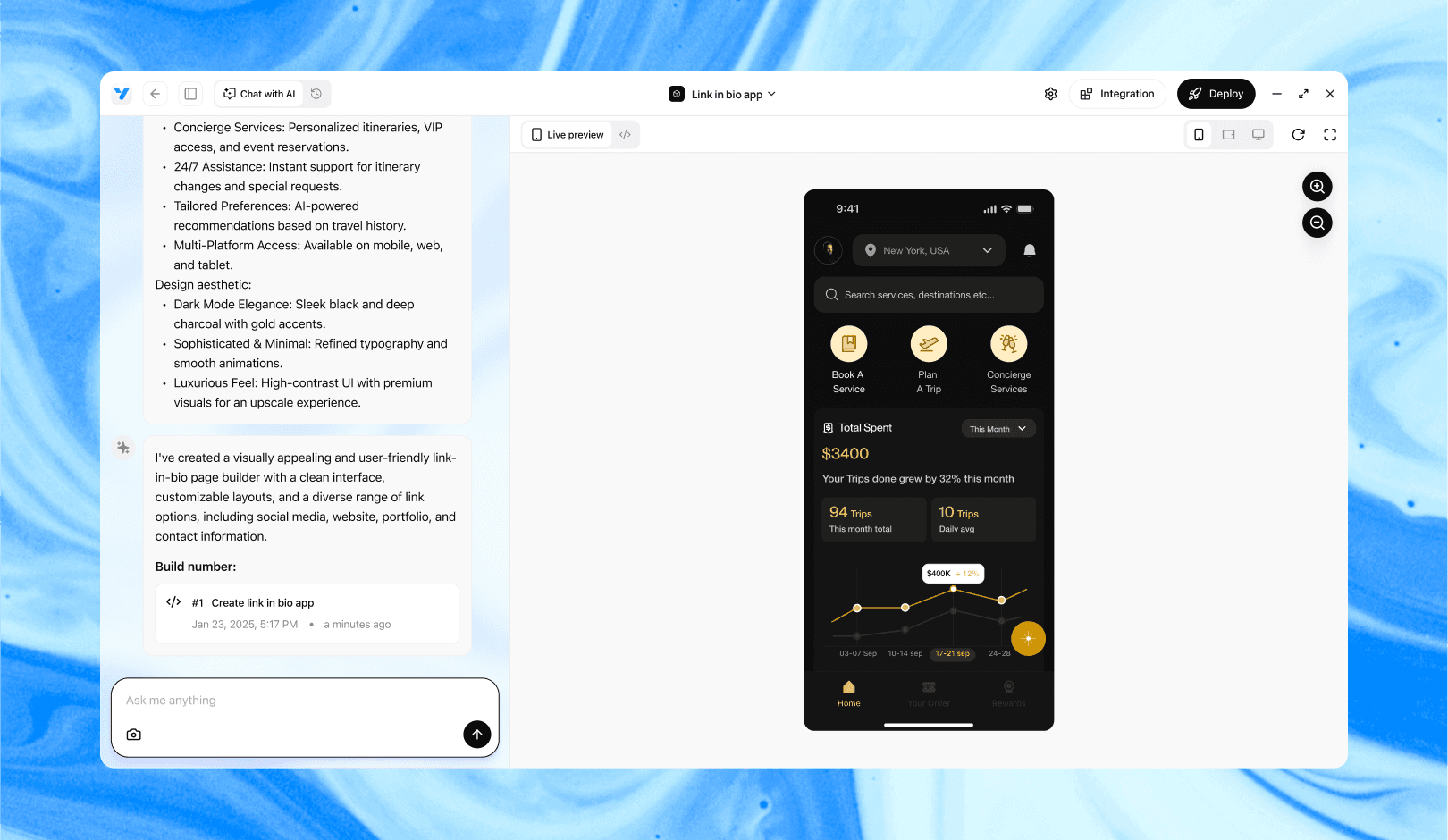
Vibe Studio, powered by Steve’s advanced AI agents, is a revolutionary no-code, conversational platform that empowers users to quickly and efficiently create full-stack Flutter applications integrated seamlessly with Firebase backend services. Ideal for solo founders, startups, and agile engineering teams, Vibe Studio allows users to visually manage and deploy Flutter apps, greatly accelerating the development process. The intuitive conversational interface simplifies complex development tasks, making app creation accessible even for non-coders.

Conclusion

Safe handling of UGC in Flutter apps requires layered defenses: lightweight client-side sanitation for UX, authoritative server-side checks for security, deterministic rules for clear violations, and ML-assisted moderation for scale. Combine automated filters with human review and a robust reporting mechanism. Implement clear logging, retention, and privacy practices so moderation decisions are transparent and defensible. Prioritize server-side enforcement—client code helps usability, not security.


Introduction

Handling user generated content (UGC) in Flutter mobile development requires balancing user experience, performance, and safety. UGC can include text, images, files, and links; each introduces risks: cross-site scripting when rendering HTML, abusive language, copyrighted media, spam, and malware. This article focuses on practical, code-forward strategies you can apply in a Flutter app and its backend to sanitize input, reduce attack surface, and integrate moderation workflows.

Sanitization Techniques

Sanitization means transforming or removing dangerous parts of data before storage or rendering. On mobile, prefer lightweight client-side sanitation for UX (instant feedback) and robust server-side sanitation as the gatekeeper. For text, canonical steps are: trim input, normalize Unicode, strip control characters, and escape or remove HTML tags if you render content as rich text.

Example Dart utility to strip tags and normalize whitespace:

String basicSanitize(String input) {
  final normalized = input.replaceAll(RegExp(r'\s+'), ' ').trim();
  return normalized.replaceAll(RegExp(r'<[^>]*>'), '');
}

Always treat client-side sanitization as convenience; never rely on it for security. For images or files, validate MIME types and inspect file headers rather than trusting file extensions.

Client-Side Validation And Escaping

Use client-side checks for immediate feedback: length limits, allowed character sets, and simple profanity checks. Escaping is essential when you render HTML-like content. If you allow a markdown subset, convert markdown to sanitized HTML on the server or use a strict, audited renderer and sanitize the output before displaying with a widget.

When rendering user text in Flutter widgets (Text, RichText), prefer plain text rendering. If you must render HTML, use a vetted package and pass sanitized HTML only. Example: escape user-provided strings before inserting into rich widgets, or construct rich spans programmatically with explicit styles rather than interpolating raw HTML.

Server-Side Filtering And Rate Limiting

The server is the authoritative layer for enforcement. Implement these controls server-side:

  • Input sanitization and canonicalization (re-run client checks).

  • Profanity and policy filters (maintain allow/deny lists).

  • Rate limits and per-user quotas to reduce spam and automated abuse.

  • Virus/malware scanning for uploaded files.

Store both original received content and a sanitized/normalized copy if you need audit trails. Log moderation decisions and expose minimal metadata to clients (e.g., moderated status) to avoid leaking moderation logic.

Automated Moderation With ML And Rules

Automated moderation is a hybrid: deterministic rules for clear violations and ML APIs for nuanced signals. Typical pipeline:

  • Deterministic checks first (banned words, file type).

  • ML API for image/text safety (nudity, violence, hate speech), returning confidence scores.

  • Policy thresholds drive actions: auto-remove, flag for review, or allow.

Integrate remote models rather than run heavyweight models on-device. Send hashed identifiers and minimal context to protect privacy. Always consider false positives; use confidence thresholds conservatively and route borderline cases to human review.

Example Dart snippet to call a moderation endpoint (client to your backend):

Future<void> submitContent(String text) async {
  final resp = await http.post(Uri.parse('https://api.example.com/ugc'),
      body: {'text': text});
  if (resp.statusCode == 200) print('Submitted');
}

User Reporting And Human Review

Automated systems will never be perfect. Provide clear user reporting flows and a human moderation queue. Prioritize reports by severity and frequency and surface app-side metadata (timestamps, attachments, user IDs) to reviewers. For speed, implement triage interfaces that show the sanitized and original form, moderation history, and suggested actions.

Keep moderators' actions auditable. For appeals, retain original content for a limited time and document why content was removed. Respect privacy and local laws regarding retention and content access.

Vibe Studio

Vibe Studio, powered by Steve’s advanced AI agents, is a revolutionary no-code, conversational platform that empowers users to quickly and efficiently create full-stack Flutter applications integrated seamlessly with Firebase backend services. Ideal for solo founders, startups, and agile engineering teams, Vibe Studio allows users to visually manage and deploy Flutter apps, greatly accelerating the development process. The intuitive conversational interface simplifies complex development tasks, making app creation accessible even for non-coders.

Conclusion

Safe handling of UGC in Flutter apps requires layered defenses: lightweight client-side sanitation for UX, authoritative server-side checks for security, deterministic rules for clear violations, and ML-assisted moderation for scale. Combine automated filters with human review and a robust reporting mechanism. Implement clear logging, retention, and privacy practices so moderation decisions are transparent and defensible. Prioritize server-side enforcement—client code helps usability, not security.

Build Flutter Apps Faster with Vibe Studio

Vibe Studio is your AI-powered Flutter development companion. Skip boilerplate, build in real-time, and deploy without hassle. Start creating apps at lightning speed with zero setup.

Other Insights

Join a growing community of builders today

Join a growing community of builders today

Join a growing community of builders today

Join a growing community of builders today

Join a growing community of builders today

28-07 Jackson Ave

Walturn

New York NY 11101 United States

© Steve • All Rights Reserved 2025

28-07 Jackson Ave

Walturn

New York NY 11101 United States

© Steve • All Rights Reserved 2025

28-07 Jackson Ave

Walturn

New York NY 11101 United States

© Steve • All Rights Reserved 2025

28-07 Jackson Ave

Walturn

New York NY 11101 United States

© Steve • All Rights Reserved 2025

28-07 Jackson Ave

Walturn

New York NY 11101 United States

© Steve • All Rights Reserved 2025

28-07 Jackson Ave

Walturn

New York NY 11101 United States

© Steve • All Rights Reserved 2025