Handling Network Images Gracefully With Placeholders And Error States
Jan 19, 2026


Summary
Summary
Summary
Summary
This tutorial covers practical Flutter patterns for loading network images: reserve layout space to avoid jumps, use Image.network's loadingBuilder and errorBuilder, employ cached_network_image for disk caching and placeholders, and follow accessibility and retry design patterns to improve UX in mobile development.
Key insights:
Key insights:
Key insights:
Key insights:
Common Problems With Network Images: Reserve layout space and provide placeholders to avoid layout shifts and blank content.
Using Image.network With Builders: Use loadingBuilder and errorBuilder to show progress indicators and error widgets without extra packages.
Leveraging CachedNetworkImage: Employ disk caching, placeholders, and retry UI for production-grade image loading and reduced data usage.
Design Patterns And Accessibility: Apply consistent sizing, semantic labels, and controlled retry behavior to improve UX and accessibility.
Performance Considerations: Precache selectively and prefer low-cost placeholders to reduce CPU, memory, and network impact.
Introduction
Loading images from the network is a core part of many mobile apps, but naively rendering remote images can harm user experience. Slow connections, missing resources, and temporary errors lead to blank or jarring UI. In Flutter mobile development, handling network images gracefully means providing placeholders, handling errors, and minimizing layout shifts. This article shows pragmatic techniques with Flutter widgets and patterns that keep your UI stable and responsive.
Common Problems With Network Images
Network images fail or appear slowly for several reasons: connectivity fluctuations, server errors, large image payloads, and caching behavior. Problems you will observe include layout jumps when the image finally loads, repeated download attempts after a transient failure, or an empty box that breaks visual hierarchy. Address these by:
Reserving layout space so the UI does not jump when the image loads
Showing a lightweight placeholder while fetching
Replacing the placeholder with a fade or crossfade when available
Displaying a clear error state and optionally offering retry
These techniques reduce perceived latency and help users understand the state of content.
Using Image.network With Builders
The stock Image.network is simple but powerful when combined with loadingBuilder and errorBuilder. Use a SizedBox or AspectRatio to reserve space. Implement a subtle fade-in and a compact error widget. Example:
Image.network( 'https://example.com/photo.jpg', loadingBuilder: (context, child, progress) { if (progress == null) return child; return Center(child: CircularProgressIndicator(value: progress.expectedTotalBytes != null ? progress.cumulativeBytesLoaded / progress.expectedTotalBytes! : null)); }, errorBuilder: (context, error, stack) => Center(child: Icon(Icons.broken_image)), fit: BoxFit.cover, )
Wrap this in a Container with fixed dimensions or an AspectRatio so the layout is reserved before the image loads. Use a low-cost local placeholder widget like an Icon or a blurred color box to keep memory and CPU usage low.
Leveraging CachedNetworkImage
For more robust caching, placeholding, and retry controls, use cached_network_image. It caches images to disk, offers placeholders and error widgets, and supports fade animations. Typical usage keeps your code compact and improves network efficiency, especially on mobile development where data usage matters.
Example usage pattern:
CachedNetworkImage( imageUrl: 'https://example.com/photo.jpg', placeholder: (c, url) => ShimmerPlaceholder(), errorWidget: (c, url, err) => RetryButton(onTap: () => setState(() {})), fadeInDuration: Duration(milliseconds: 300), fit: BoxFit.cover, )
Use a lightweight shimmer or skeleton for placeholder to communicate loading state. For errorWidget, offer a retry button or a tappable area so users can trigger reloads without navigating away.
Design Patterns And Accessibility
Consistent patterns improve maintainability. Apply these principles:
Reserve Space: Always give image widgets a stable size using AspectRatio, SizedBox, or constraints to prevent layout shifts.
Progressive Enhancement: Start with a low-fidelity placeholder, then progressively replace it with a higher-fidelity image when ready.
Accessibility: Provide semantic labels for images where appropriate using Semantics, and ensure placeholders and error icons have meaningful labels.
Retry And Fallback: Offer user-driven retries only when appropriate; avoid infinite automatic retries that drain battery and data.
Error Feedback: Choose error visuals that match your app’s tone. For content images, a subtle icon is fine; for critical content, include an explanation and action.
Performance notes: decode images off the UI thread when possible, and favor cached images for repeat views. For large lists, use precaching prudently with precacheImage only for items likely to appear soon.
Vibe Studio
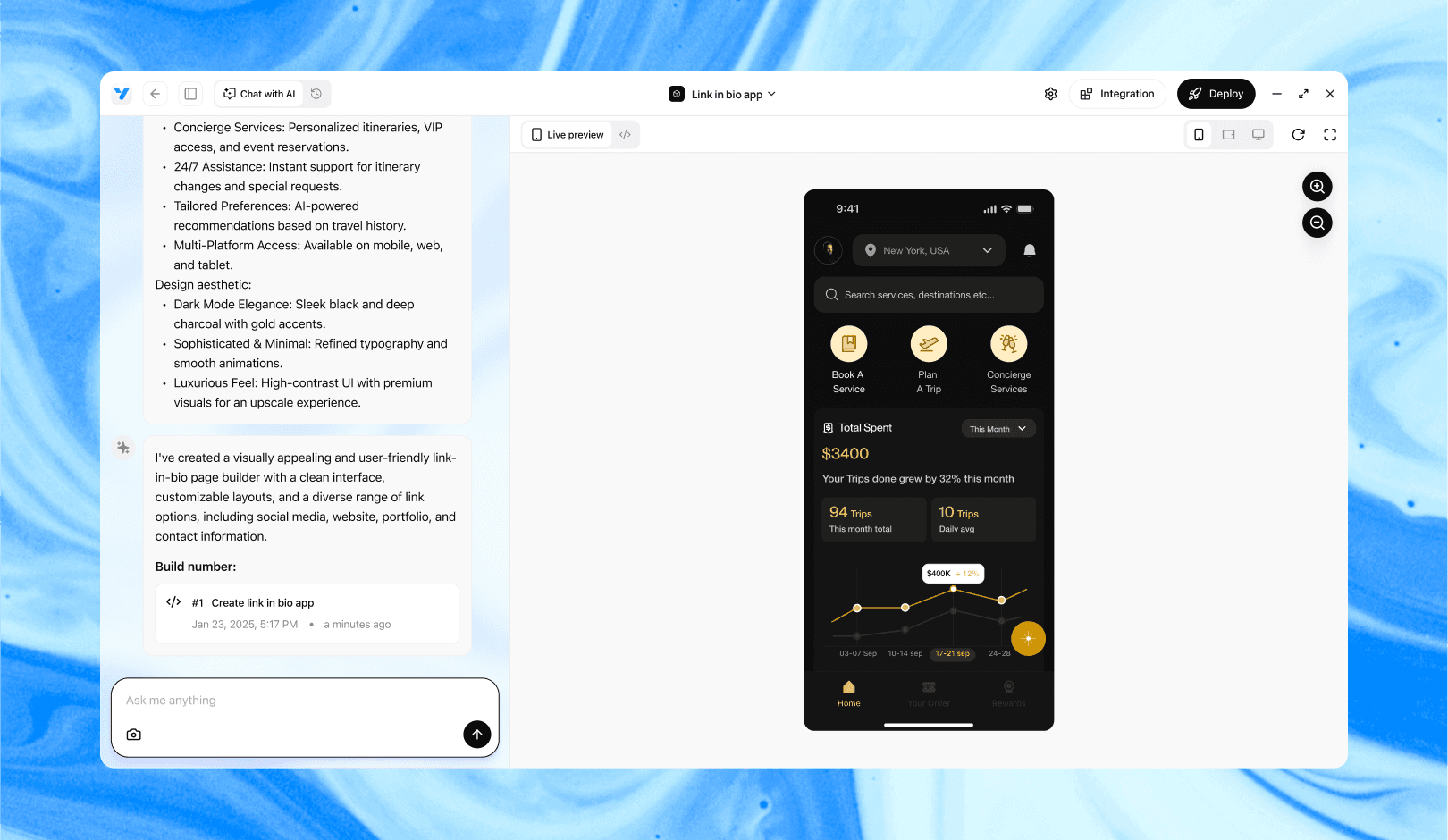
Vibe Studio, powered by Steve’s advanced AI agents, is a revolutionary no-code, conversational platform that empowers users to quickly and efficiently create full-stack Flutter applications integrated seamlessly with Firebase backend services. Ideal for solo founders, startups, and agile engineering teams, Vibe Studio allows users to visually manage and deploy Flutter apps, greatly accelerating the development process. The intuitive conversational interface simplifies complex development tasks, making app creation accessible even for non-coders.
Conclusion
Graceful handling of network images is essential in Flutter mobile development. Use Image.network with loadingBuilder and errorBuilder for simple cases, and upgrade to cached_network_image for production apps that need disk caching, placeholders, and retries. Always reserve layout space, provide accessible labels, and show clear placeholders and error states. These patterns reduce visual churn, communicate state to users, and improve the perceived performance of your app.

Introduction
Loading images from the network is a core part of many mobile apps, but naively rendering remote images can harm user experience. Slow connections, missing resources, and temporary errors lead to blank or jarring UI. In Flutter mobile development, handling network images gracefully means providing placeholders, handling errors, and minimizing layout shifts. This article shows pragmatic techniques with Flutter widgets and patterns that keep your UI stable and responsive.
Common Problems With Network Images
Network images fail or appear slowly for several reasons: connectivity fluctuations, server errors, large image payloads, and caching behavior. Problems you will observe include layout jumps when the image finally loads, repeated download attempts after a transient failure, or an empty box that breaks visual hierarchy. Address these by:
Reserving layout space so the UI does not jump when the image loads
Showing a lightweight placeholder while fetching
Replacing the placeholder with a fade or crossfade when available
Displaying a clear error state and optionally offering retry
These techniques reduce perceived latency and help users understand the state of content.
Using Image.network With Builders
The stock Image.network is simple but powerful when combined with loadingBuilder and errorBuilder. Use a SizedBox or AspectRatio to reserve space. Implement a subtle fade-in and a compact error widget. Example:
Image.network( 'https://example.com/photo.jpg', loadingBuilder: (context, child, progress) { if (progress == null) return child; return Center(child: CircularProgressIndicator(value: progress.expectedTotalBytes != null ? progress.cumulativeBytesLoaded / progress.expectedTotalBytes! : null)); }, errorBuilder: (context, error, stack) => Center(child: Icon(Icons.broken_image)), fit: BoxFit.cover, )
Wrap this in a Container with fixed dimensions or an AspectRatio so the layout is reserved before the image loads. Use a low-cost local placeholder widget like an Icon or a blurred color box to keep memory and CPU usage low.
Leveraging CachedNetworkImage
For more robust caching, placeholding, and retry controls, use cached_network_image. It caches images to disk, offers placeholders and error widgets, and supports fade animations. Typical usage keeps your code compact and improves network efficiency, especially on mobile development where data usage matters.
Example usage pattern:
CachedNetworkImage( imageUrl: 'https://example.com/photo.jpg', placeholder: (c, url) => ShimmerPlaceholder(), errorWidget: (c, url, err) => RetryButton(onTap: () => setState(() {})), fadeInDuration: Duration(milliseconds: 300), fit: BoxFit.cover, )
Use a lightweight shimmer or skeleton for placeholder to communicate loading state. For errorWidget, offer a retry button or a tappable area so users can trigger reloads without navigating away.
Design Patterns And Accessibility
Consistent patterns improve maintainability. Apply these principles:
Reserve Space: Always give image widgets a stable size using AspectRatio, SizedBox, or constraints to prevent layout shifts.
Progressive Enhancement: Start with a low-fidelity placeholder, then progressively replace it with a higher-fidelity image when ready.
Accessibility: Provide semantic labels for images where appropriate using Semantics, and ensure placeholders and error icons have meaningful labels.
Retry And Fallback: Offer user-driven retries only when appropriate; avoid infinite automatic retries that drain battery and data.
Error Feedback: Choose error visuals that match your app’s tone. For content images, a subtle icon is fine; for critical content, include an explanation and action.
Performance notes: decode images off the UI thread when possible, and favor cached images for repeat views. For large lists, use precaching prudently with precacheImage only for items likely to appear soon.
Vibe Studio

Vibe Studio, powered by Steve’s advanced AI agents, is a revolutionary no-code, conversational platform that empowers users to quickly and efficiently create full-stack Flutter applications integrated seamlessly with Firebase backend services. Ideal for solo founders, startups, and agile engineering teams, Vibe Studio allows users to visually manage and deploy Flutter apps, greatly accelerating the development process. The intuitive conversational interface simplifies complex development tasks, making app creation accessible even for non-coders.
Conclusion
Graceful handling of network images is essential in Flutter mobile development. Use Image.network with loadingBuilder and errorBuilder for simple cases, and upgrade to cached_network_image for production apps that need disk caching, placeholders, and retries. Always reserve layout space, provide accessible labels, and show clear placeholders and error states. These patterns reduce visual churn, communicate state to users, and improve the perceived performance of your app.
Build Flutter Apps Faster with Vibe Studio
Vibe Studio is your AI-powered Flutter development companion. Skip boilerplate, build in real-time, and deploy without hassle. Start creating apps at lightning speed with zero setup.
Other Insights