Flutter Navigation Basics With Navigator And Named Routes
Summary
Summary
Summary
Summary

This tutorial explains Flutter navigation basics: using Navigator with MaterialPageRoute for direct pushes, configuring named routes on MaterialApp, passing arguments, returning results via Navigator.pop, and best practices for route management and scalability in mobile development.

This tutorial explains Flutter navigation basics: using Navigator with MaterialPageRoute for direct pushes, configuring named routes on MaterialApp, passing arguments, returning results via Navigator.pop, and best practices for route management and scalability in mobile development.

This tutorial explains Flutter navigation basics: using Navigator with MaterialPageRoute for direct pushes, configuring named routes on MaterialApp, passing arguments, returning results via Navigator.pop, and best practices for route management and scalability in mobile development.

This tutorial explains Flutter navigation basics: using Navigator with MaterialPageRoute for direct pushes, configuring named routes on MaterialApp, passing arguments, returning results via Navigator.pop, and best practices for route management and scalability in mobile development.

Key insights:
Key insights:
Key insights:
Key insights:
  • Navigator Basics: Navigator is a stack; use push/pop with MaterialPageRoute for direct transitions.

  • Named Routes Setup: Define routes in MaterialApp to decouple navigation logic and enable deep linking.

  • Passing Data And Returning Results: Pass via constructor or arguments; await Navigator.push to receive popped results.

  • Route Management And Best Practices: Centralize routes, validate arguments, and use replacement/popUntil to avoid stack bloat.

  • Back Navigation And Deep Links: Use named routes for URL-driven entry points and handle back navigation deterministically.

Introduction

Navigating between screens is a core part of mobile development in Flutter. This tutorial covers the essentials of Flutter navigation using Navigator and named routes. You will learn how to define routes, push and pop routes, pass data, receive results, and apply best practices for predictable routing.

Navigator Basics

Navigator is a stack-based API: each screen is a Route pushed onto the stack. The most common operations are push, pushReplacement, pop, and popUntil. For simple one-off navigation you can use MaterialPageRoute with Navigator.push and Navigator.pop.

Key patterns:

  • Navigator.push(context, MaterialPageRoute(builder: (_) => NewScreen()));

  • Navigator.pop(context, result);

Use push when you want to add a new screen; pop returns to the previous one. Routes can be any implementation of Route — MaterialPageRoute is typical for Material apps.

Example: pushing a new screen (inline builder):

Navigator.push(context, MaterialPageRoute(builder: (_) => DetailsScreen(id: 42)));
// Later, inside DetailsScreen: Navigator.pop(context, updatedItem);

Keep UI code declarative: avoid creating side effects directly in build() that run on every push/pop. If logic needs to run on arrival, use initState, didChangeDependencies, or a Future that executes once.

Named Routes Setup

Named routes centralize route definitions and decouple navigation from widget imports. Define a routes table on MaterialApp (or CupertinoApp) and use Navigator.pushNamed to navigate by route name. This is especially helpful for larger apps and for integration with deep links.

Minimal example configuring named routes:

MaterialApp(
  initialRoute: '/',
  routes: {
    '/': (_) => HomeScreen(),
    '/details': (_) => DetailsScreen(),
  },
);

Navigate by name:

Navigator.pushNamed(context, '/details', arguments: {'id': 42});

When using named routes, pass simple serializable arguments when you plan to use deep links or external routing, or use a typed argument object for local navigation.

Passing Data And Returning Results

Two common flows: sending data to the pushed route, and receiving a result when that route pops.

  • Sending: use constructor params for MaterialPageRoute, or pass an arguments object with pushNamed.

  • Returning: await the Navigator.push or pushNamed call; the awaited Future resolves to the value passed to pop.

Example with pushNamed and arguments:

final result = await Navigator.pushNamed(context, '/edit', arguments: itemId);
if (result != null) setState(() => items.update(result));

And in the pushed route: Navigator.pop(context, editedItem);

For type safety, cast the arguments in the destination widget and validate their type. If you expect complex objects, prefer strongly-typed wrappers instead of dynamic maps.

Route Management And Best Practices

Organize routes and flow to keep navigation predictable:

  • Centralize routes: use a single router file or a Router class for medium-to-large apps.

  • Prefer named routes for deep linking and analytics interception; prefer direct MaterialPageRoute for very simple, internal flows.

  • Avoid pushing the same route repeatedly without a guard; use pushReplacement or popUntil when appropriate.

  • Use ModalRoute.of(context)?.settings.arguments to read arguments inside a widget when using named routes.

  • For complex navigation (nested navigators, tabs, or guarded routes), consider Router & Navigator 2.0 or a routing package (e.g., go_router) that provides declarative routing and URL synchronization.

Error handling and lifecycle notes:

  • Check for null arguments and types; throw or assert early in debug to make problems visible.

  • Manage resource disposal on pop via dispose and didPop callbacks in RouteObserver if you need lifecycle hooks.

Vibe Studio
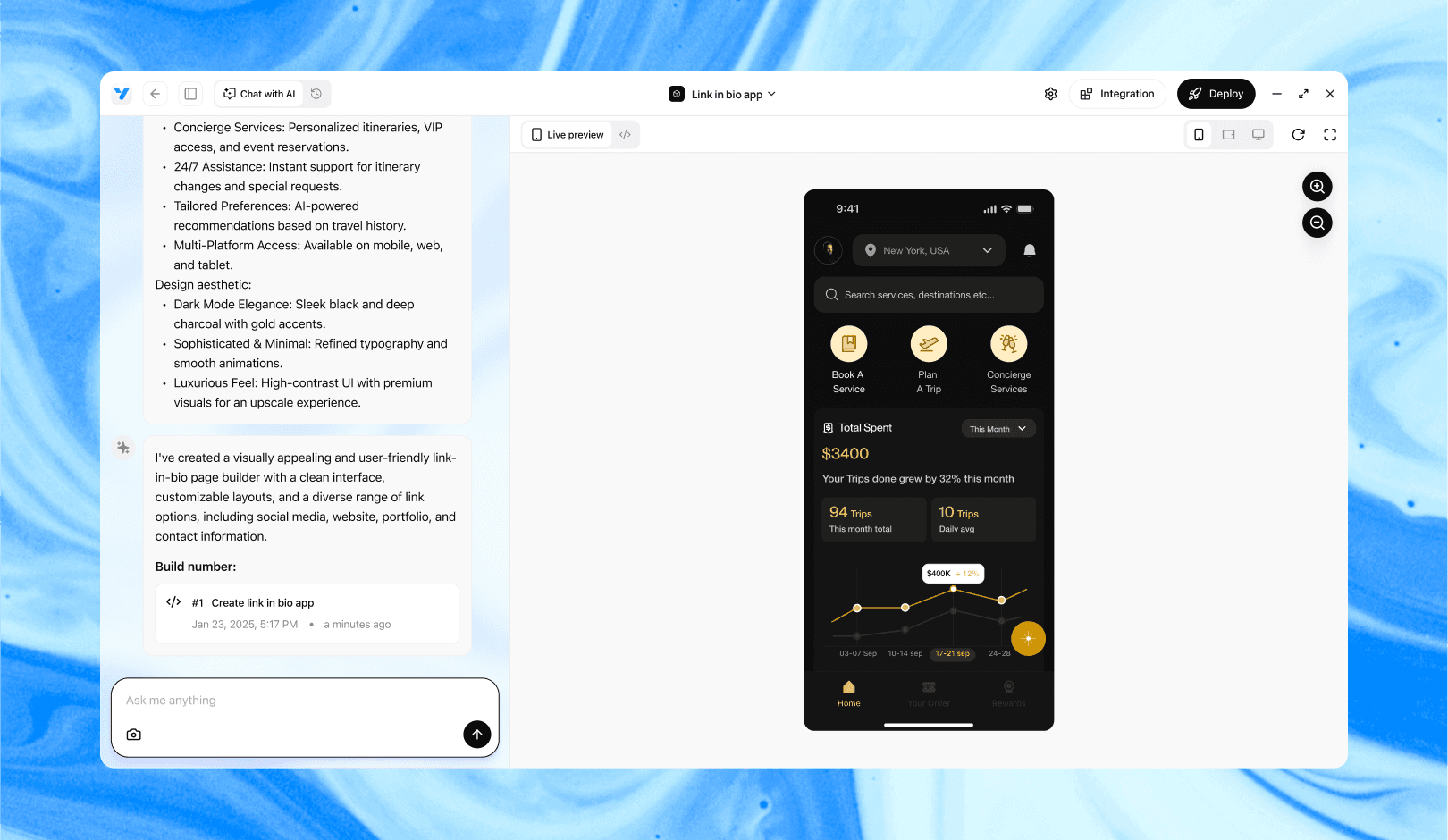
Vibe Studio, powered by Steve’s advanced AI agents, is a revolutionary no-code, conversational platform that empowers users to quickly and efficiently create full-stack Flutter applications integrated seamlessly with Firebase backend services. Ideal for solo founders, startups, and agile engineering teams, Vibe Studio allows users to visually manage and deploy Flutter apps, greatly accelerating the development process. The intuitive conversational interface simplifies complex development tasks, making app creation accessible even for non-coders.

Conclusion

Navigator and named routes provide a flexible, performant navigation model for Flutter mobile development. Use MaterialPageRoute for quick, local transitions and named routes when you need centralized control, deep linking, or cleaner separation of concerns. Pass data via arguments or constructors and await Navigator.push to receive results. As your app grows, adopt a routing strategy—centralized route tables, typed argument objects, or a Router-based solution—to keep navigation maintainable and testable.


Introduction

Navigating between screens is a core part of mobile development in Flutter. This tutorial covers the essentials of Flutter navigation using Navigator and named routes. You will learn how to define routes, push and pop routes, pass data, receive results, and apply best practices for predictable routing.

Navigator Basics

Navigator is a stack-based API: each screen is a Route pushed onto the stack. The most common operations are push, pushReplacement, pop, and popUntil. For simple one-off navigation you can use MaterialPageRoute with Navigator.push and Navigator.pop.

Key patterns:

  • Navigator.push(context, MaterialPageRoute(builder: (_) => NewScreen()));

  • Navigator.pop(context, result);

Use push when you want to add a new screen; pop returns to the previous one. Routes can be any implementation of Route — MaterialPageRoute is typical for Material apps.

Example: pushing a new screen (inline builder):

Navigator.push(context, MaterialPageRoute(builder: (_) => DetailsScreen(id: 42)));
// Later, inside DetailsScreen: Navigator.pop(context, updatedItem);

Keep UI code declarative: avoid creating side effects directly in build() that run on every push/pop. If logic needs to run on arrival, use initState, didChangeDependencies, or a Future that executes once.

Named Routes Setup

Named routes centralize route definitions and decouple navigation from widget imports. Define a routes table on MaterialApp (or CupertinoApp) and use Navigator.pushNamed to navigate by route name. This is especially helpful for larger apps and for integration with deep links.

Minimal example configuring named routes:

MaterialApp(
  initialRoute: '/',
  routes: {
    '/': (_) => HomeScreen(),
    '/details': (_) => DetailsScreen(),
  },
);

Navigate by name:

Navigator.pushNamed(context, '/details', arguments: {'id': 42});

When using named routes, pass simple serializable arguments when you plan to use deep links or external routing, or use a typed argument object for local navigation.

Passing Data And Returning Results

Two common flows: sending data to the pushed route, and receiving a result when that route pops.

  • Sending: use constructor params for MaterialPageRoute, or pass an arguments object with pushNamed.

  • Returning: await the Navigator.push or pushNamed call; the awaited Future resolves to the value passed to pop.

Example with pushNamed and arguments:

final result = await Navigator.pushNamed(context, '/edit', arguments: itemId);
if (result != null) setState(() => items.update(result));

And in the pushed route: Navigator.pop(context, editedItem);

For type safety, cast the arguments in the destination widget and validate their type. If you expect complex objects, prefer strongly-typed wrappers instead of dynamic maps.

Route Management And Best Practices

Organize routes and flow to keep navigation predictable:

  • Centralize routes: use a single router file or a Router class for medium-to-large apps.

  • Prefer named routes for deep linking and analytics interception; prefer direct MaterialPageRoute for very simple, internal flows.

  • Avoid pushing the same route repeatedly without a guard; use pushReplacement or popUntil when appropriate.

  • Use ModalRoute.of(context)?.settings.arguments to read arguments inside a widget when using named routes.

  • For complex navigation (nested navigators, tabs, or guarded routes), consider Router & Navigator 2.0 or a routing package (e.g., go_router) that provides declarative routing and URL synchronization.

Error handling and lifecycle notes:

  • Check for null arguments and types; throw or assert early in debug to make problems visible.

  • Manage resource disposal on pop via dispose and didPop callbacks in RouteObserver if you need lifecycle hooks.

Vibe Studio

Vibe Studio, powered by Steve’s advanced AI agents, is a revolutionary no-code, conversational platform that empowers users to quickly and efficiently create full-stack Flutter applications integrated seamlessly with Firebase backend services. Ideal for solo founders, startups, and agile engineering teams, Vibe Studio allows users to visually manage and deploy Flutter apps, greatly accelerating the development process. The intuitive conversational interface simplifies complex development tasks, making app creation accessible even for non-coders.

Conclusion

Navigator and named routes provide a flexible, performant navigation model for Flutter mobile development. Use MaterialPageRoute for quick, local transitions and named routes when you need centralized control, deep linking, or cleaner separation of concerns. Pass data via arguments or constructors and await Navigator.push to receive results. As your app grows, adopt a routing strategy—centralized route tables, typed argument objects, or a Router-based solution—to keep navigation maintainable and testable.

Build Flutter Apps Faster with Vibe Studio

Vibe Studio is your AI-powered Flutter development companion. Skip boilerplate, build in real-time, and deploy without hassle. Start creating apps at lightning speed with zero setup.

Other Insights

Join a growing community of builders today

Join a growing community of builders today

Join a growing community of builders today

Join a growing community of builders today

Join a growing community of builders today

28-07 Jackson Ave

Walturn

New York NY 11101 United States

© Steve • All Rights Reserved 2025

28-07 Jackson Ave

Walturn

New York NY 11101 United States

© Steve • All Rights Reserved 2025

28-07 Jackson Ave

Walturn

New York NY 11101 United States

© Steve • All Rights Reserved 2025

28-07 Jackson Ave

Walturn

New York NY 11101 United States

© Steve • All Rights Reserved 2025

28-07 Jackson Ave

Walturn

New York NY 11101 United States

© Steve • All Rights Reserved 2025

28-07 Jackson Ave

Walturn

New York NY 11101 United States

© Steve • All Rights Reserved 2025