Diagnosing Layout Overflows And Pixel Snapping Issues
Summary
Summary
Summary
Summary

Diagnose Flutter layout overflows by reading RenderFlex errors and inspecting constraints with LayoutBuilder and DevTools. Fix by using Flexible/Expanded, scrolling, or ConstrainedBox. For pixel-snapping, round positions to device pixels (devicePixelRatio * value -> round -> divide) to avoid blurred edges in mobile development.

Diagnose Flutter layout overflows by reading RenderFlex errors and inspecting constraints with LayoutBuilder and DevTools. Fix by using Flexible/Expanded, scrolling, or ConstrainedBox. For pixel-snapping, round positions to device pixels (devicePixelRatio * value -> round -> divide) to avoid blurred edges in mobile development.

Diagnose Flutter layout overflows by reading RenderFlex errors and inspecting constraints with LayoutBuilder and DevTools. Fix by using Flexible/Expanded, scrolling, or ConstrainedBox. For pixel-snapping, round positions to device pixels (devicePixelRatio * value -> round -> divide) to avoid blurred edges in mobile development.

Diagnose Flutter layout overflows by reading RenderFlex errors and inspecting constraints with LayoutBuilder and DevTools. Fix by using Flexible/Expanded, scrolling, or ConstrainedBox. For pixel-snapping, round positions to device pixels (devicePixelRatio * value -> round -> divide) to avoid blurred edges in mobile development.

Key insights:
Key insights:
Key insights:
Key insights:
  • Understanding Layout Overflows: Overflows stem from constraint violations—inspect the RenderObject type, axis, and pixel amount to choose a fix.

  • Using Flutter's Debugging Tools: Flutter Inspector, debugPaintSizeEnabled, and LayoutBuilder reveal sizes and constraints at runtime to pinpoint issues.

  • Fixing Common Overflow Patterns: Use Flexible/Expanded, scrolling widgets, or ConstrainedBox rather than forcing fixed sizes to prevent overflow.

  • Pixel Snapping And Anti-Aliasing Issues: Multiply logical coordinates by devicePixelRatio, round, and divide back to snap positions to device pixels and avoid blurring.

Introduction

Layout overflows and pixel-snapping artifacts are two common visual issues in Flutter mobile development. Overflows usually show up as yellow-and-black stripes or clipped content; pixel-snapping problems produce blurred text or hairline seams where borders should be crisp. This tutorial focuses on diagnosing both classes of problems quickly and fixing them with pragmatic code patterns and debugging tools.

Understanding Layout Overflows

Flutter’s layout system is constraint-driven: parents tell children the constraints, children choose a size, and parents position them. Overflows happen when a widget’s chosen size exceeds the space the parent can provide. The most common causes:

  • Unbounded constraints (e.g., Column inside ListView without Flexible).

  • Fixed-size children inside a Row or Flex that exceed available width.

  • Text or images not constrained and growing beyond their container.

When an overflow occurs Flutter prints an error like "A RenderFlex overflowed by XX pixels on the right." The stack frame points to the offending RenderObject; the widget tree above helps you find which widget to change. Look for these clues:

  • Which RenderBox overflowed (RenderFlex, RenderParagraph, RenderImage).

  • Which axis (horizontal or vertical).

  • The pixel amount (helps judge whether you need clipping, wrapping, or flexible sizing).

Using Flutter's Debugging Tools

Flutter exposes several inspection aids that make diagnosis fast:

  • Flutter Inspector (DevTools): view widget tree, select widgets, examine constraints and size.

  • debugPaintSizeEnabled: draws outlines around render objects so you can see their real boxes.

  • LayoutBuilder: captures runtime BoxConstraints so you can log or render different layouts based on available size.

Example: use LayoutBuilder to print constraints and child size in debug build.

LayoutBuilder(
  builder: (context, constraints) {
    debugPrint('constraints: $constraints');
    return ConstrainedBox(
      constraints: BoxConstraints.tightFor(width: constraints.maxWidth),
      child: MyLargeChild(),
    );
  },
)

This reveals whether a child is receiving unbounded constraints or a smaller max size than you expect.

Fixing Common Overflow Patterns

Once you find the offending part, choose one of these fixes based on intent:

  • Wrapping in Flexible/Expanded: When children of Row/Column should share space, use Flexible or Expanded instead of fixed width.

  • Scrolling: If content can be larger than the viewport, wrap it in SingleChildScrollView or ListView.

  • Constraining: Use SizedBox, ConstrainedBox, or FractionallySizedBox to cap growth.

  • Wrapping Text: For long text, set softWrap: true, overflow: TextOverflow.ellipsis, or use Expanded around Text in Rows.

  • Intrinsic widgets: Avoid IntrinsicWidth/IntrinsicHeight except as last resort — they are expensive and can hide layout design issues.

Small example: fix a Row overflow by using Flexible

Row(
  children: [
    Icon(Icons.star),
    SizedBox(width: 8),
    Flexible(child: Text(longString)),
  ],
)

This lets the text wrap or ellipsize instead of overflowing.

Pixel Snapping And Anti-Aliasing Issues

Pixel-snapping issues are subtle: UI elements align to fractional device pixels (half pixels) causing blurry strokes or seams on high-DPR devices. Causes include Transform.translate with fractional offsets, Align fractions that produce non-integer pixel positions, or layout math that results in fractional widths.

Diagnosis:

  • Compare logical size * devicePixelRatio. If that product is non-integer you may get subpixel painting.

  • Use the inspector to see position and size in logical pixels and multiply by dpr to check for fractions.

Fixes:

  • Round positions and sizes to device pixels: multiply by devicePixelRatio, round, then divide back.

  • Avoid fractional transforms or explicitly round Offset values when painting custom RenderBoxes.

  • For simple widgets use Align with FractionalOffset that maps to integer pixels when possible.

Example: snapping a translation to device pixels

final dpr = MediaQuery.of(context).devicePixelRatio;
final offset = Offset(x, y);
final snapped = Offset((offset.dx * dpr).round() / dpr,
                      (offset.dy * dpr).round() / dpr);
Transform.translate(offset: snapped, child: myWidget);

This reduces blurring by ensuring the rendered position maps to whole device pixels.

Vibe Studio
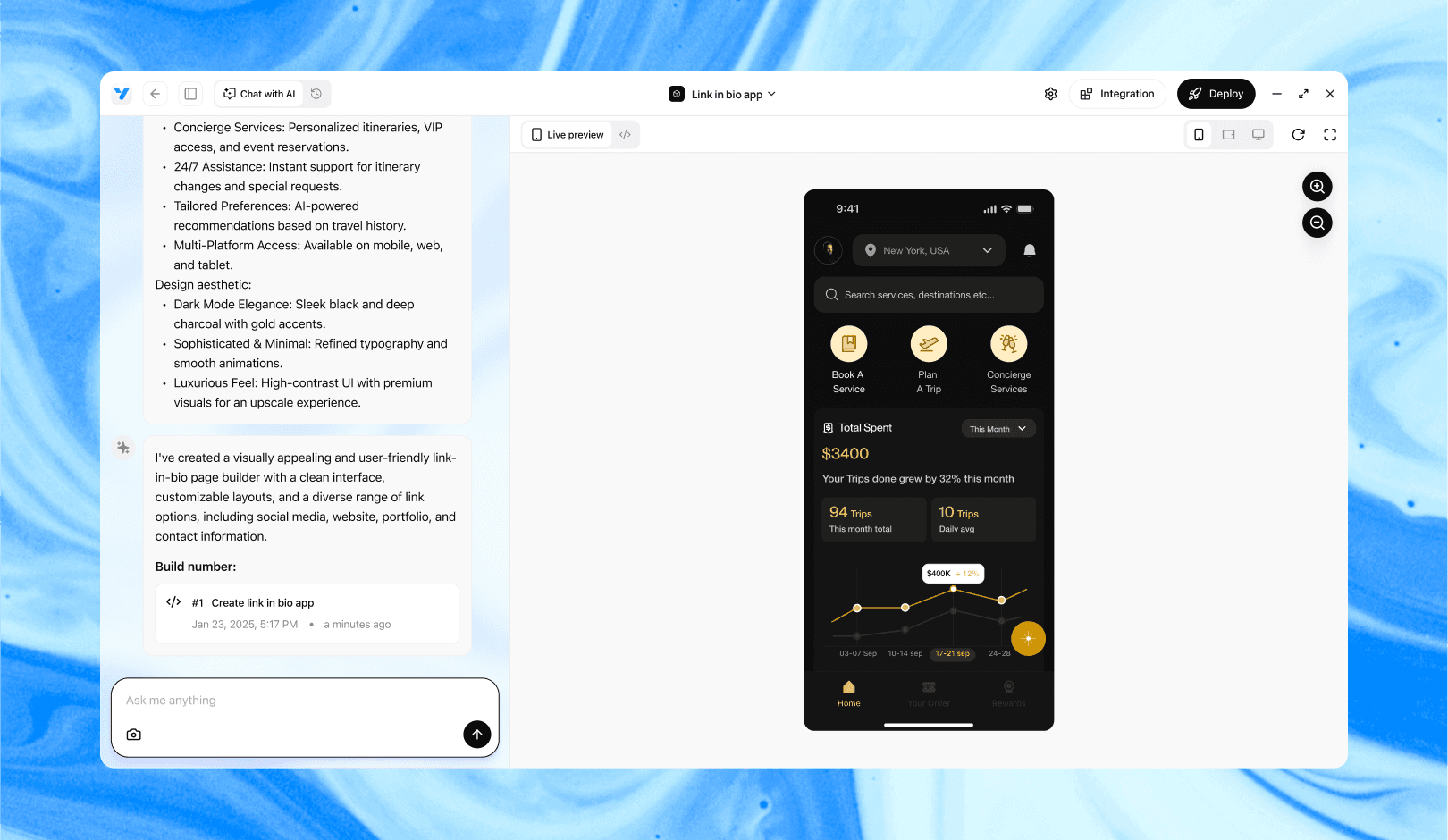
Vibe Studio, powered by Steve’s advanced AI agents, is a revolutionary no-code, conversational platform that empowers users to quickly and efficiently create full-stack Flutter applications integrated seamlessly with Firebase backend services. Ideal for solo founders, startups, and agile engineering teams, Vibe Studio allows users to visually manage and deploy Flutter apps, greatly accelerating the development process. The intuitive conversational interface simplifies complex development tasks, making app creation accessible even for non-coders.

Conclusion

Diagnosing Flutter layout overflows and pixel-snapping problems is a matter of observation and targeted fixes: use the inspector and debug paint to reveal sizes and constraints, fix overflows by constraining or enabling flexibility or scrolling, and eliminate fractional pixel positions by snapping to device pixels. Applying these techniques will make your UI resilient across screen sizes and improve visual crispness in mobile development with Flutter.

Introduction

Layout overflows and pixel-snapping artifacts are two common visual issues in Flutter mobile development. Overflows usually show up as yellow-and-black stripes or clipped content; pixel-snapping problems produce blurred text or hairline seams where borders should be crisp. This tutorial focuses on diagnosing both classes of problems quickly and fixing them with pragmatic code patterns and debugging tools.

Understanding Layout Overflows

Flutter’s layout system is constraint-driven: parents tell children the constraints, children choose a size, and parents position them. Overflows happen when a widget’s chosen size exceeds the space the parent can provide. The most common causes:

  • Unbounded constraints (e.g., Column inside ListView without Flexible).

  • Fixed-size children inside a Row or Flex that exceed available width.

  • Text or images not constrained and growing beyond their container.

When an overflow occurs Flutter prints an error like "A RenderFlex overflowed by XX pixels on the right." The stack frame points to the offending RenderObject; the widget tree above helps you find which widget to change. Look for these clues:

  • Which RenderBox overflowed (RenderFlex, RenderParagraph, RenderImage).

  • Which axis (horizontal or vertical).

  • The pixel amount (helps judge whether you need clipping, wrapping, or flexible sizing).

Using Flutter's Debugging Tools

Flutter exposes several inspection aids that make diagnosis fast:

  • Flutter Inspector (DevTools): view widget tree, select widgets, examine constraints and size.

  • debugPaintSizeEnabled: draws outlines around render objects so you can see their real boxes.

  • LayoutBuilder: captures runtime BoxConstraints so you can log or render different layouts based on available size.

Example: use LayoutBuilder to print constraints and child size in debug build.

LayoutBuilder(
  builder: (context, constraints) {
    debugPrint('constraints: $constraints');
    return ConstrainedBox(
      constraints: BoxConstraints.tightFor(width: constraints.maxWidth),
      child: MyLargeChild(),
    );
  },
)

This reveals whether a child is receiving unbounded constraints or a smaller max size than you expect.

Fixing Common Overflow Patterns

Once you find the offending part, choose one of these fixes based on intent:

  • Wrapping in Flexible/Expanded: When children of Row/Column should share space, use Flexible or Expanded instead of fixed width.

  • Scrolling: If content can be larger than the viewport, wrap it in SingleChildScrollView or ListView.

  • Constraining: Use SizedBox, ConstrainedBox, or FractionallySizedBox to cap growth.

  • Wrapping Text: For long text, set softWrap: true, overflow: TextOverflow.ellipsis, or use Expanded around Text in Rows.

  • Intrinsic widgets: Avoid IntrinsicWidth/IntrinsicHeight except as last resort — they are expensive and can hide layout design issues.

Small example: fix a Row overflow by using Flexible

Row(
  children: [
    Icon(Icons.star),
    SizedBox(width: 8),
    Flexible(child: Text(longString)),
  ],
)

This lets the text wrap or ellipsize instead of overflowing.

Pixel Snapping And Anti-Aliasing Issues

Pixel-snapping issues are subtle: UI elements align to fractional device pixels (half pixels) causing blurry strokes or seams on high-DPR devices. Causes include Transform.translate with fractional offsets, Align fractions that produce non-integer pixel positions, or layout math that results in fractional widths.

Diagnosis:

  • Compare logical size * devicePixelRatio. If that product is non-integer you may get subpixel painting.

  • Use the inspector to see position and size in logical pixels and multiply by dpr to check for fractions.

Fixes:

  • Round positions and sizes to device pixels: multiply by devicePixelRatio, round, then divide back.

  • Avoid fractional transforms or explicitly round Offset values when painting custom RenderBoxes.

  • For simple widgets use Align with FractionalOffset that maps to integer pixels when possible.

Example: snapping a translation to device pixels

final dpr = MediaQuery.of(context).devicePixelRatio;
final offset = Offset(x, y);
final snapped = Offset((offset.dx * dpr).round() / dpr,
                      (offset.dy * dpr).round() / dpr);
Transform.translate(offset: snapped, child: myWidget);

This reduces blurring by ensuring the rendered position maps to whole device pixels.

Vibe Studio

Vibe Studio, powered by Steve’s advanced AI agents, is a revolutionary no-code, conversational platform that empowers users to quickly and efficiently create full-stack Flutter applications integrated seamlessly with Firebase backend services. Ideal for solo founders, startups, and agile engineering teams, Vibe Studio allows users to visually manage and deploy Flutter apps, greatly accelerating the development process. The intuitive conversational interface simplifies complex development tasks, making app creation accessible even for non-coders.

Conclusion

Diagnosing Flutter layout overflows and pixel-snapping problems is a matter of observation and targeted fixes: use the inspector and debug paint to reveal sizes and constraints, fix overflows by constraining or enabling flexibility or scrolling, and eliminate fractional pixel positions by snapping to device pixels. Applying these techniques will make your UI resilient across screen sizes and improve visual crispness in mobile development with Flutter.

Build Flutter Apps Faster with Vibe Studio

Vibe Studio is your AI-powered Flutter development companion. Skip boilerplate, build in real-time, and deploy without hassle. Start creating apps at lightning speed with zero setup.

Other Insights

Join a growing community of builders today

Join a growing community of builders today

Join a growing community of builders today

Join a growing community of builders today

Join a growing community of builders today

28-07 Jackson Ave

Walturn

New York NY 11101 United States

© Steve • All Rights Reserved 2025

28-07 Jackson Ave

Walturn

New York NY 11101 United States

© Steve • All Rights Reserved 2025

28-07 Jackson Ave

Walturn

New York NY 11101 United States

© Steve • All Rights Reserved 2025

28-07 Jackson Ave

Walturn

New York NY 11101 United States

© Steve • All Rights Reserved 2025

28-07 Jackson Ave

Walturn

New York NY 11101 United States

© Steve • All Rights Reserved 2025

28-07 Jackson Ave

Walturn

New York NY 11101 United States

© Steve • All Rights Reserved 2025