Developing Flutter Apps for Automotive OS Platforms

Summary
Summary
Summary
Summary

This tutorial guides Flutter mobile development for automotive OS platforms, covering platform differences, adaptive UI patterns, vehicle-system integration via platform channels, packaging strategies, and performance and safety considerations. It emphasizes reusable architecture, efficient rendering, and robust native adapters for predictable, certification-ready in-vehicle apps.

This tutorial guides Flutter mobile development for automotive OS platforms, covering platform differences, adaptive UI patterns, vehicle-system integration via platform channels, packaging strategies, and performance and safety considerations. It emphasizes reusable architecture, efficient rendering, and robust native adapters for predictable, certification-ready in-vehicle apps.

This tutorial guides Flutter mobile development for automotive OS platforms, covering platform differences, adaptive UI patterns, vehicle-system integration via platform channels, packaging strategies, and performance and safety considerations. It emphasizes reusable architecture, efficient rendering, and robust native adapters for predictable, certification-ready in-vehicle apps.

This tutorial guides Flutter mobile development for automotive OS platforms, covering platform differences, adaptive UI patterns, vehicle-system integration via platform channels, packaging strategies, and performance and safety considerations. It emphasizes reusable architecture, efficient rendering, and robust native adapters for predictable, certification-ready in-vehicle apps.

Key insights:
Key insights:
Key insights:
Key insights:
  • Platform Differences And Constraints: Automotive targets vary in input, lifecycle, and certification; plan an isolation layer for platform-specific behavior.

  • UI And Interaction Patterns: Prioritize glanceable interfaces, large touch targets, adaptive layouts, and explicit focus for non-touch controllers.

  • Integration With Vehicle Systems: Use MethodChannel/EventChannel and small native adapters to access telemetry and commands securely and efficiently.

  • Packaging And Deployment: Build APKs for Android Automotive OS or native packages for embedded Linux and automate CI with emulation and hardware tests.

  • Performance And Safety Considerations: Profile for low-latency rendering, offload heavy work to isolates, debounce high-frequency signals, and implement fail-safe UIs.

Introduction

Developing Flutter apps for automotive OS platforms brings mobile development practices into a constrained, safety-critical environment. Automotive targets include Android Automotive OS, Android Auto companion apps, and embedded Linux systems such as Automotive Grade Linux (AGL). The same Flutter codebase that powers mobile apps can accelerate UI development for vehicles, but you must adapt to different input modalities, display sizes, lifecycle rules, and integration points with vehicle hardware. This article explains practical steps, architecture recommendations, UI patterns, and deployment strategies for building robust automotive Flutter apps.

Platform Differences And Constraints

Automotive platforms differ in API access, allowed runtime behaviors, and certification requirements. On Android Automotive OS you deploy an Android APK and should follow the platform's guidelines for background execution, audio focus, and system navigation. On embedded Linux platforms you will use the Flutter Linux embedding, often integrating the Flutter engine into a compositor stack. Key constraints to plan for:

  • Limited input: touch may be available, but you must also support rotary controllers, steering-wheel buttons, and voice commands.

  • Display variations: cluster vs. center stack vs. head-up display have different pixel sizes, aspect ratios, and safe areas.

  • Real-time requirements: UI updates for critical driving information should be low-latency and predictable.

  • Certification and safety: follow OEM guidelines for driver distraction and app interaction policies.

Design your app architecture with an isolation layer for platform integration, so the same UI and business logic remain reusable across targets.

UI And Interaction Patterns

Automotive UIs favor glanceable, terse displays and large touch targets. Use responsive layouts, limit animation complexity, and prioritize accessibility and readability. Flutter widgets and layouts remain useful, but apply these patterns:

  • Constrain complexity: prefer simple, flat navigation and single-screen tasks for driving contexts.

  • Adaptive widgets: use MediaQuery and LayoutBuilder to tailor layouts per display region and density.

  • Focus and input: implement explicit focus traversal to support non-touch controllers and hardware keys.

Example: a compact status widget that adapts to narrow cluster displays.

Widget build(BuildContext context) {
  final size = MediaQuery.of(context).size;
  final compact = size.width < 400;
  return SafeArea(
    child: compact ? CompactStatus() : FullStatus(),
  );
}

Keep UI rendering efficient: avoid large rebuilds and prefer const constructors, value-based widgets, and list virtualization for any scrolling content.

Integration With Vehicle Systems

Vehicle data (speed, fuel, HVAC, sensors) and system services must be accessed through platform channels or native plugins. Create a thin platform interface that exposes only the telemetry and commands your app needs, then implement per-platform adapters:

  • Android Automotive OS: integrate with the car API where permitted, and use the Android SDK to subscribe to vehicle properties or media sessions.

  • Embedded Linux: integrate with a middleware layer (e.g., D-Bus, custom IPC) to access CAN or other stacks.

Use MethodChannel or EventChannel to exchange data between Dart and native layers. Keep native code minimal and test marshaling behavior for frequent updates.

// Dart side: listen to vehicle speed updates
final EventChannel _vehicle = EventChannel('com.example/vehicle/events');
_vehicle.receiveBroadcastStream().listen((data) {
  // data: {'speedKph': 72}
});

Always validate data on the Dart side and handle disconnections gracefully.

Packaging And Deployment

Packaging depends on the platform:

  • Android Automotive OS: build a standard Android app (APK/AAB). Follow the platform's manifest requirements for car apps, declare appropriate permissions, and handle audio focus and background behavior.

  • Android Auto (phone-based): your app must comply with Google’s App Library and templates if it provides driver-facing experiences.

  • Embedded Linux: produce a distribution package or container suitable for the target system; include the Flutter engine and native glue.

Establish a CI pipeline that produces platform-specific artifacts and runs automated UI and integration tests. Use emulators and hardware-in-the-loop testing to validate behavior under real-world conditions.

Performance And Safety Considerations

Automotive systems require predictable performance. Profile your Flutter app with the DevTools timeline and avoid expensive frame work on the UI thread. Techniques to ensure reliability:

  • Use isolates for heavy computation and offload serialization workloads from the main isolate.

  • Batch vehicle data updates and debounce high-frequency signals to prevent UI thrash.

  • Test for memory leaks and long-lived allocations.

Also implement fail-safe behaviors: when a platform integration fails, revert to a degraded but safe UI that does not distract the driver.

Vibe Studio
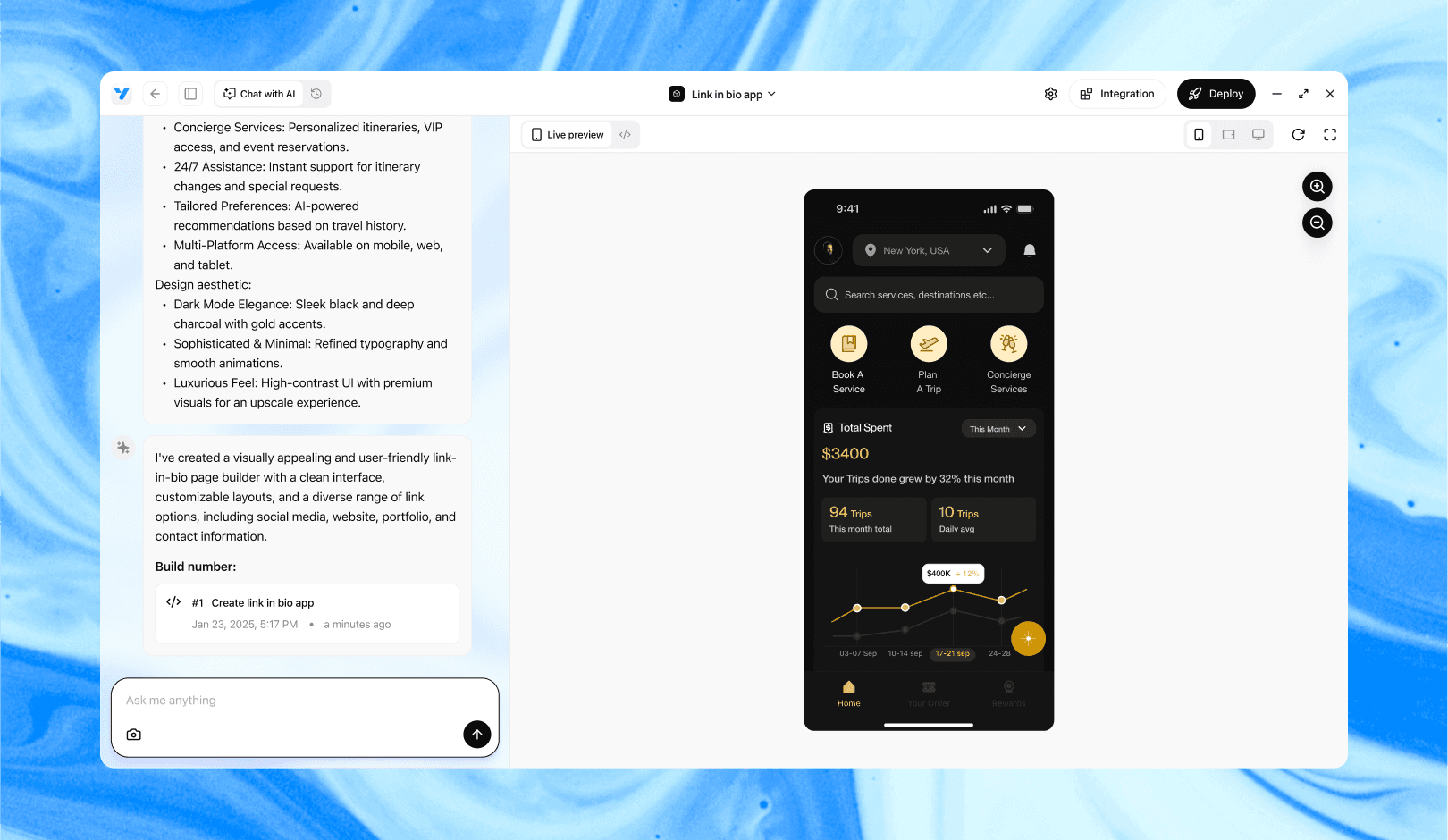
Vibe Studio, powered by Steve’s advanced AI agents, is a revolutionary no-code, conversational platform that empowers users to quickly and efficiently create full-stack Flutter applications integrated seamlessly with Firebase backend services. Ideal for solo founders, startups, and agile engineering teams, Vibe Studio allows users to visually manage and deploy Flutter apps, greatly accelerating the development process. The intuitive conversational interface simplifies complex development tasks, making app creation accessible even for non-coders.

Conclusion

Porting Flutter mobile development skills to automotive OS platforms yields rapid UI development and code reuse, but demands discipline around input handling, performance, and safety. Design a clear platform-adapter boundary, optimize for glanceable UIs and low-latency updates, and validate on real hardware and emulators. With careful attention to patient constraints and deployment requirements, Flutter can be an effective tool for modern in-vehicle applications.


Introduction

Developing Flutter apps for automotive OS platforms brings mobile development practices into a constrained, safety-critical environment. Automotive targets include Android Automotive OS, Android Auto companion apps, and embedded Linux systems such as Automotive Grade Linux (AGL). The same Flutter codebase that powers mobile apps can accelerate UI development for vehicles, but you must adapt to different input modalities, display sizes, lifecycle rules, and integration points with vehicle hardware. This article explains practical steps, architecture recommendations, UI patterns, and deployment strategies for building robust automotive Flutter apps.

Platform Differences And Constraints

Automotive platforms differ in API access, allowed runtime behaviors, and certification requirements. On Android Automotive OS you deploy an Android APK and should follow the platform's guidelines for background execution, audio focus, and system navigation. On embedded Linux platforms you will use the Flutter Linux embedding, often integrating the Flutter engine into a compositor stack. Key constraints to plan for:

  • Limited input: touch may be available, but you must also support rotary controllers, steering-wheel buttons, and voice commands.

  • Display variations: cluster vs. center stack vs. head-up display have different pixel sizes, aspect ratios, and safe areas.

  • Real-time requirements: UI updates for critical driving information should be low-latency and predictable.

  • Certification and safety: follow OEM guidelines for driver distraction and app interaction policies.

Design your app architecture with an isolation layer for platform integration, so the same UI and business logic remain reusable across targets.

UI And Interaction Patterns

Automotive UIs favor glanceable, terse displays and large touch targets. Use responsive layouts, limit animation complexity, and prioritize accessibility and readability. Flutter widgets and layouts remain useful, but apply these patterns:

  • Constrain complexity: prefer simple, flat navigation and single-screen tasks for driving contexts.

  • Adaptive widgets: use MediaQuery and LayoutBuilder to tailor layouts per display region and density.

  • Focus and input: implement explicit focus traversal to support non-touch controllers and hardware keys.

Example: a compact status widget that adapts to narrow cluster displays.

Widget build(BuildContext context) {
  final size = MediaQuery.of(context).size;
  final compact = size.width < 400;
  return SafeArea(
    child: compact ? CompactStatus() : FullStatus(),
  );
}

Keep UI rendering efficient: avoid large rebuilds and prefer const constructors, value-based widgets, and list virtualization for any scrolling content.

Integration With Vehicle Systems

Vehicle data (speed, fuel, HVAC, sensors) and system services must be accessed through platform channels or native plugins. Create a thin platform interface that exposes only the telemetry and commands your app needs, then implement per-platform adapters:

  • Android Automotive OS: integrate with the car API where permitted, and use the Android SDK to subscribe to vehicle properties or media sessions.

  • Embedded Linux: integrate with a middleware layer (e.g., D-Bus, custom IPC) to access CAN or other stacks.

Use MethodChannel or EventChannel to exchange data between Dart and native layers. Keep native code minimal and test marshaling behavior for frequent updates.

// Dart side: listen to vehicle speed updates
final EventChannel _vehicle = EventChannel('com.example/vehicle/events');
_vehicle.receiveBroadcastStream().listen((data) {
  // data: {'speedKph': 72}
});

Always validate data on the Dart side and handle disconnections gracefully.

Packaging And Deployment

Packaging depends on the platform:

  • Android Automotive OS: build a standard Android app (APK/AAB). Follow the platform's manifest requirements for car apps, declare appropriate permissions, and handle audio focus and background behavior.

  • Android Auto (phone-based): your app must comply with Google’s App Library and templates if it provides driver-facing experiences.

  • Embedded Linux: produce a distribution package or container suitable for the target system; include the Flutter engine and native glue.

Establish a CI pipeline that produces platform-specific artifacts and runs automated UI and integration tests. Use emulators and hardware-in-the-loop testing to validate behavior under real-world conditions.

Performance And Safety Considerations

Automotive systems require predictable performance. Profile your Flutter app with the DevTools timeline and avoid expensive frame work on the UI thread. Techniques to ensure reliability:

  • Use isolates for heavy computation and offload serialization workloads from the main isolate.

  • Batch vehicle data updates and debounce high-frequency signals to prevent UI thrash.

  • Test for memory leaks and long-lived allocations.

Also implement fail-safe behaviors: when a platform integration fails, revert to a degraded but safe UI that does not distract the driver.

Vibe Studio

Vibe Studio, powered by Steve’s advanced AI agents, is a revolutionary no-code, conversational platform that empowers users to quickly and efficiently create full-stack Flutter applications integrated seamlessly with Firebase backend services. Ideal for solo founders, startups, and agile engineering teams, Vibe Studio allows users to visually manage and deploy Flutter apps, greatly accelerating the development process. The intuitive conversational interface simplifies complex development tasks, making app creation accessible even for non-coders.

Conclusion

Porting Flutter mobile development skills to automotive OS platforms yields rapid UI development and code reuse, but demands discipline around input handling, performance, and safety. Design a clear platform-adapter boundary, optimize for glanceable UIs and low-latency updates, and validate on real hardware and emulators. With careful attention to patient constraints and deployment requirements, Flutter can be an effective tool for modern in-vehicle applications.

Build Flutter Apps Faster with Vibe Studio

Build Flutter Apps Faster with Vibe Studio

Build Flutter Apps Faster with Vibe Studio

Build Flutter Apps Faster with Vibe Studio

Vibe Studio is your AI-powered Flutter development companion. Skip boilerplate, build in real-time, and deploy without hassle. Start creating apps at lightning speed with zero setup.

Vibe Studio is your AI-powered Flutter development companion. Skip boilerplate, build in real-time, and deploy without hassle. Start creating apps at lightning speed with zero setup.

Vibe Studio is your AI-powered Flutter development companion. Skip boilerplate, build in real-time, and deploy without hassle. Start creating apps at lightning speed with zero setup.

Vibe Studio is your AI-powered Flutter development companion. Skip boilerplate, build in real-time, and deploy without hassle. Start creating apps at lightning speed with zero setup.

Other Insights

Other Insights

Other Insights

Other Insights

Join a growing community of builders today

Join a growing community of builders today

Join a growing community of builders today

Join a growing community of builders today

Join a growing community of builders today

28-07 Jackson Ave

Walturn

New York NY 11101 United States

© Steve • All Rights Reserved 2025

28-07 Jackson Ave

Walturn

New York NY 11101 United States

© Steve • All Rights Reserved 2025

28-07 Jackson Ave

Walturn

New York NY 11101 United States

© Steve • All Rights Reserved 2025

28-07 Jackson Ave

Walturn

New York NY 11101 United States

© Steve • All Rights Reserved 2025

28-07 Jackson Ave

Walturn

New York NY 11101 United States

© Steve • All Rights Reserved 2025

28-07 Jackson Ave

Walturn

New York NY 11101 United States

© Steve • All Rights Reserved 2025