Debugging AI-Generated Flutter Code Inside Vibe Studio
Summary
Summary

This tutorial explains a practical workflow to debug AI-generated Flutter code inside Vibe Studio: prepare a deterministic project, recognize common generated-code bugs (state, async, null-safety, layout), use Vibe Studio's breakpoints, logs, and DevTools for inspection, and apply small defensive fixes validated by widget tests and profiling.

This tutorial explains a practical workflow to debug AI-generated Flutter code inside Vibe Studio: prepare a deterministic project, recognize common generated-code bugs (state, async, null-safety, layout), use Vibe Studio's breakpoints, logs, and DevTools for inspection, and apply small defensive fixes validated by widget tests and profiling.

Key insights:
Key insights:
  • Preparing Your Project: Isolate generated widgets and lock SDK/dependencies to reproduce issues deterministically.

  • Common AI-Generated Bug Patterns: Look for state mismanagement, async misuse, layout inefficiencies, and unsafe casts.

  • Using Vibe Studio Debugging Tools: Combine breakpoints, watch expressions, logs, and DevTools for targeted inspection.

  • Fixing And Validating Code: Apply minimal defensive changes, move heavy work out of build(), and add widget tests.

  • Performance And Regression Testing: Use the profiler and automated tests to ensure fixes remove regressions and leaks.

Introduction

AI-assisted code generation is increasingly common in flutter mobile development. Tools like Vibe Studio can scaffold screens, widgets, and logic quickly, but generated code often contains subtle issues: incorrect state handling, null-safety oversights, bad async patterns, or mismatched types. This tutorial shows a pragmatic workflow to debug AI-generated Flutter code inside Vibe Studio so you can ship robust mobile apps faster.

Preparing Your Project

Before debugging, make the environment deterministic. Lock the Flutter SDK version in your pubspec and add package constraints for critical dependencies. Enable strong mode and sound null safety. In Vibe Studio, open the generated module in an emulator or a connected device to reproduce runtime failures.

Create minimal reproduction cases inside a separate folder (repro/) that isolates the generated widget from your app shell. This reduces noise and speeds iteration. Add test-friendly entry points like a simple main that only mounts the suspect widget.

Common AI-Generated Bug Patterns

Recognizing patterns saves time: many AI outputs are syntactically valid but semantically off. Typical issues:

  • State Mismanagement: Generated widgets may use setState incorrectly or hold mutable global state that creates race conditions.

  • Async/Stream Misuse: Missing await, unhandled exceptions in futures, or improper StreamSubscription lifecycle management.

  • Layout and Performance: Excessive rebuilds due to building heavy objects in build(), or missing const where appropriate.

  • Null-Safety and Casting: Forced casts (as) and unchecked null assumptions lead to runtime TypeError/NoSuchMethodErrors.

When reproducing a bug, attach logs and a minimal stack trace. Use assertions early to catch invariants and fail fast.

Using Vibe Studio Debugging Tools

Vibe Studio integrates emulator preview, logs, breakpoints, and variable inspection. Use these features in combination:

  • Hot Reload vs Hot Restart: Hot reload preserves state and is faster; use restart when initialization code changes.

  • Breakpoints & Watch Expressions: Set breakpoints where the generated code branches or in lifecycle methods (initState/build/dispose). Add watch expressions for variables like controllers or futures.

  • DevTools Integration: Open performance and memory tabs to detect excessive rebuilds, large widget trees, or leaked objects. Use the timeline to correlate UI jank with async operations.

  • Logging: Vibe Studio console shows debugPrint and print output. Prefer debugPrint for large logs. Tag logs with context to filter generated vs. handwritten code.

Example: Attach a breakpoint in build() and inspect the widget subtree and state objects to find unexpected nulls or incorrect values. If the generated code wires a StreamController, verify subscriptions are canceled in dispose().

Fixing And Validating Code

When you find the root cause, apply small, verifiable fixes:

  • Replace fragile casts with safe checks and null-aware operators.

  • Move expensive object constructions out of build() into initState or into const constructors.

  • Replace implicit async behavior with explicit try/catch and proper error handling. Wrap futures with a timeout if the generator omitted one.

Use tests and assertions to validate fixes. Add a widget test that pumps the generated widget and verifies expected UI elements and interactions. A simple example to assert a Text widget exists:

import 'package:flutter_test/flutter_test.dart';
import 'package:flutter/material.dart';

void main() {
  testWidgets('Generated widget shows title', (tester) async {
    await tester.pumpWidget(MaterialApp(home: Scaffold(body: Text('Hello'))));
    expect(find.text('Hello'), findsOneWidget);
  });
}

For runtime guards, add defensive checks:

if (snapshot.hasData && snapshot.data != null) {
  // safe to cast
}

Always rerun the minimal reproduction in Vibe Studio after each change. Use the profiler to confirm that the fix reduces rebuilds or removes leaks.

Vibe Studio
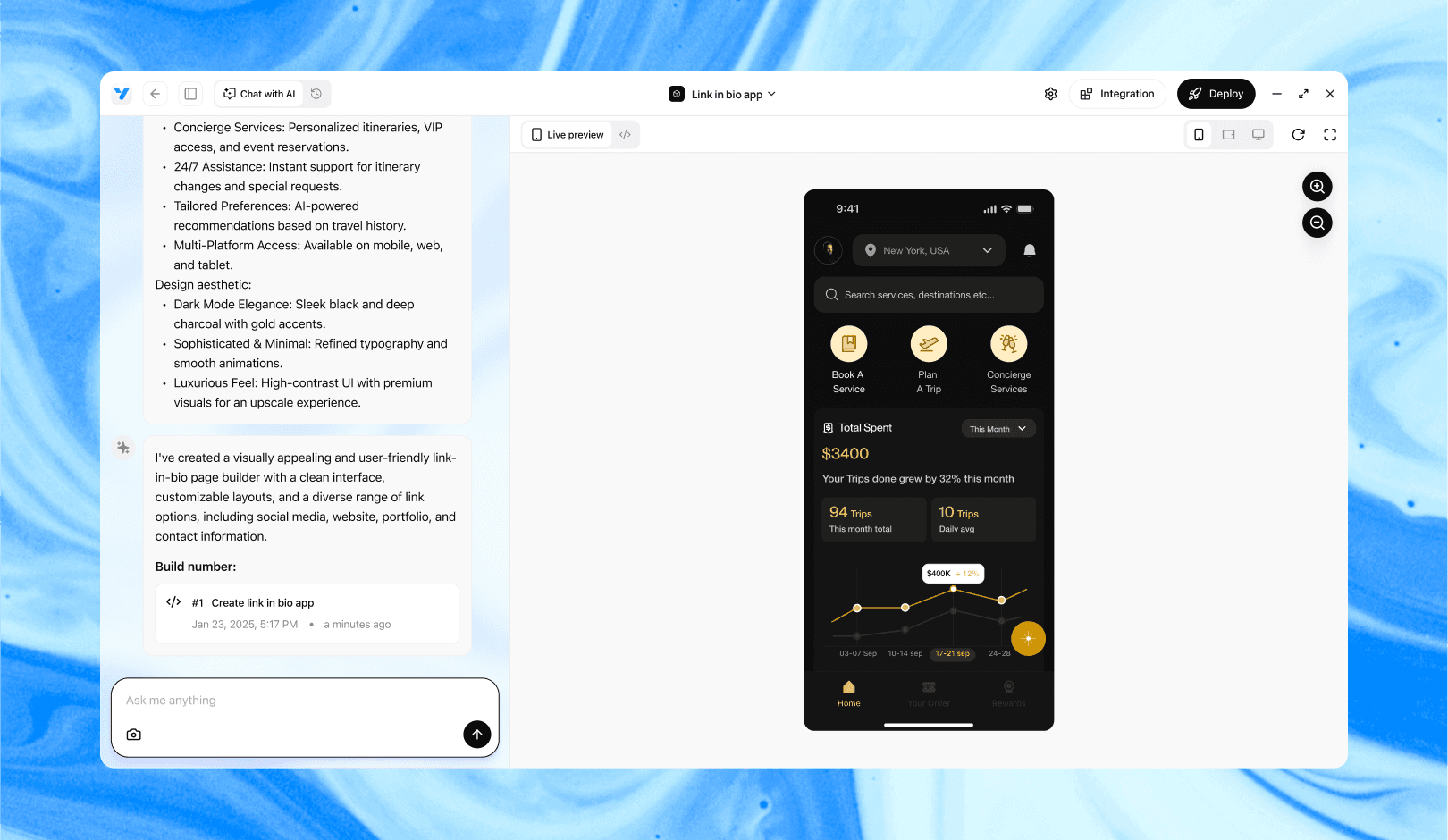
Vibe Studio, powered by Steve’s advanced AI agents, is a revolutionary no-code, conversational platform that empowers users to quickly and efficiently create full-stack Flutter applications integrated seamlessly with Firebase backend services. Ideal for solo founders, startups, and agile engineering teams, Vibe Studio allows users to visually manage and deploy Flutter apps, greatly accelerating the development process. The intuitive conversational interface simplifies complex development tasks, making app creation accessible even for non-coders.

Conclusion

Debugging AI-generated flutter code inside Vibe Studio is a practical, iterative process: isolate the generated module, recognize common bug patterns, use Vibe's debugger and DevTools to inspect state and performance, and apply small defensive fixes validated by tests. With this workflow you convert generated drafts into production-ready mobile development artifacts rapidly and with confidence.

Introduction

AI-assisted code generation is increasingly common in flutter mobile development. Tools like Vibe Studio can scaffold screens, widgets, and logic quickly, but generated code often contains subtle issues: incorrect state handling, null-safety oversights, bad async patterns, or mismatched types. This tutorial shows a pragmatic workflow to debug AI-generated Flutter code inside Vibe Studio so you can ship robust mobile apps faster.

Preparing Your Project

Before debugging, make the environment deterministic. Lock the Flutter SDK version in your pubspec and add package constraints for critical dependencies. Enable strong mode and sound null safety. In Vibe Studio, open the generated module in an emulator or a connected device to reproduce runtime failures.

Create minimal reproduction cases inside a separate folder (repro/) that isolates the generated widget from your app shell. This reduces noise and speeds iteration. Add test-friendly entry points like a simple main that only mounts the suspect widget.

Common AI-Generated Bug Patterns

Recognizing patterns saves time: many AI outputs are syntactically valid but semantically off. Typical issues:

  • State Mismanagement: Generated widgets may use setState incorrectly or hold mutable global state that creates race conditions.

  • Async/Stream Misuse: Missing await, unhandled exceptions in futures, or improper StreamSubscription lifecycle management.

  • Layout and Performance: Excessive rebuilds due to building heavy objects in build(), or missing const where appropriate.

  • Null-Safety and Casting: Forced casts (as) and unchecked null assumptions lead to runtime TypeError/NoSuchMethodErrors.

When reproducing a bug, attach logs and a minimal stack trace. Use assertions early to catch invariants and fail fast.

Using Vibe Studio Debugging Tools

Vibe Studio integrates emulator preview, logs, breakpoints, and variable inspection. Use these features in combination:

  • Hot Reload vs Hot Restart: Hot reload preserves state and is faster; use restart when initialization code changes.

  • Breakpoints & Watch Expressions: Set breakpoints where the generated code branches or in lifecycle methods (initState/build/dispose). Add watch expressions for variables like controllers or futures.

  • DevTools Integration: Open performance and memory tabs to detect excessive rebuilds, large widget trees, or leaked objects. Use the timeline to correlate UI jank with async operations.

  • Logging: Vibe Studio console shows debugPrint and print output. Prefer debugPrint for large logs. Tag logs with context to filter generated vs. handwritten code.

Example: Attach a breakpoint in build() and inspect the widget subtree and state objects to find unexpected nulls or incorrect values. If the generated code wires a StreamController, verify subscriptions are canceled in dispose().

Fixing And Validating Code

When you find the root cause, apply small, verifiable fixes:

  • Replace fragile casts with safe checks and null-aware operators.

  • Move expensive object constructions out of build() into initState or into const constructors.

  • Replace implicit async behavior with explicit try/catch and proper error handling. Wrap futures with a timeout if the generator omitted one.

Use tests and assertions to validate fixes. Add a widget test that pumps the generated widget and verifies expected UI elements and interactions. A simple example to assert a Text widget exists:

import 'package:flutter_test/flutter_test.dart';
import 'package:flutter/material.dart';

void main() {
  testWidgets('Generated widget shows title', (tester) async {
    await tester.pumpWidget(MaterialApp(home: Scaffold(body: Text('Hello'))));
    expect(find.text('Hello'), findsOneWidget);
  });
}

For runtime guards, add defensive checks:

if (snapshot.hasData && snapshot.data != null) {
  // safe to cast
}

Always rerun the minimal reproduction in Vibe Studio after each change. Use the profiler to confirm that the fix reduces rebuilds or removes leaks.

Vibe Studio

Vibe Studio, powered by Steve’s advanced AI agents, is a revolutionary no-code, conversational platform that empowers users to quickly and efficiently create full-stack Flutter applications integrated seamlessly with Firebase backend services. Ideal for solo founders, startups, and agile engineering teams, Vibe Studio allows users to visually manage and deploy Flutter apps, greatly accelerating the development process. The intuitive conversational interface simplifies complex development tasks, making app creation accessible even for non-coders.

Conclusion

Debugging AI-generated flutter code inside Vibe Studio is a practical, iterative process: isolate the generated module, recognize common bug patterns, use Vibe's debugger and DevTools to inspect state and performance, and apply small defensive fixes validated by tests. With this workflow you convert generated drafts into production-ready mobile development artifacts rapidly and with confidence.

Build Flutter Apps Faster with Vibe Studio

Vibe Studio is your AI-powered Flutter development companion. Skip boilerplate, build in real-time, and deploy without hassle. Start creating apps at lightning speed with zero setup.

Other Insights

Join a growing community of builders today

Join a growing community of builders today

Join a growing community of builders today

Join a growing community of builders today

Join a growing community of builders today

28-07 Jackson Ave

Walturn

New York NY 11101 United States

© Steve • All Rights Reserved 2025

28-07 Jackson Ave

Walturn

New York NY 11101 United States

© Steve • All Rights Reserved 2025

28-07 Jackson Ave

Walturn

New York NY 11101 United States

© Steve • All Rights Reserved 2025

28-07 Jackson Ave

Walturn

New York NY 11101 United States

© Steve • All Rights Reserved 2025

28-07 Jackson Ave

Walturn

New York NY 11101 United States

© Steve • All Rights Reserved 2025

28-07 Jackson Ave

Walturn

New York NY 11101 United States

© Steve • All Rights Reserved 2025