Creating Dynamic Theming Systems in Flutter

Summary
Summary
Summary
Summary

This tutorial explains how to build scalable dynamic theming in Flutter for mobile development: define theme models, switch and persist themes with a notifier or provider, apply themes using ThemeData and ThemeExtensions, minimize rebuilds, and test across scenarios.

This tutorial explains how to build scalable dynamic theming in Flutter for mobile development: define theme models, switch and persist themes with a notifier or provider, apply themes using ThemeData and ThemeExtensions, minimize rebuilds, and test across scenarios.

This tutorial explains how to build scalable dynamic theming in Flutter for mobile development: define theme models, switch and persist themes with a notifier or provider, apply themes using ThemeData and ThemeExtensions, minimize rebuilds, and test across scenarios.

This tutorial explains how to build scalable dynamic theming in Flutter for mobile development: define theme models, switch and persist themes with a notifier or provider, apply themes using ThemeData and ThemeExtensions, minimize rebuilds, and test across scenarios.

Key insights:
Key insights:
Key insights:
Key insights:
  • Designing Theme Models: Centralize colors and styles in a composable AppTheme model for consistency and serialization.

  • Theme Switching And Persistence: Use a notifier or state management to switch themes and persist only identifiers for quick restoration.

  • Applying Themes To Widgets And Packages: Leverage ThemeData and ThemeExtensions so widgets (and packages) consume theme values reliably.

  • Performance And Testing: Scope listeners, use const widgets, and profile to prevent unnecessary rebuilds; write widget tests for theme states.

  • Applying Themes At Startup: Load persisted theme keys before MaterialApp builds, or show a minimal splash while resolving async preferences.

Introduction

Dynamic theming is a common requirement in modern flutter apps—allowing users to switch between light and dark modes, select brand colors, or apply accessibility palettes. For mobile development, a robust theming system improves UX consistency and reduces UI drift. This guide shows a practical, scalable approach: defining theme models, switching and persisting themes, applying themes to widgets, and keeping performance optimal.

Designing Theme Models

Start by modeling theme data rather than scattering color constants. A ThemeModel should contain colors, text styles, and semantic flags (contrast, density). Using a single model simplifies serialization and enables runtime switching.

Keep the model small and explicit. Compose from Flutter's ThemeData for native widgets and include app-specific properties for custom components.

class AppTheme {
  final ThemeData material;
  final Color brandColor;
  final bool highContrast;

  const AppTheme({required this.material, required this.brandColor, this.highContrast = false});
}

Create a registry or factory that returns named themes (light, dark, highContrast). This makes it trivial to add themes or generate themes dynamically (e.g., based on user-selected seed color).

Theme Switching And Persistence

Choose a state-management approach that matches your app size: ValueNotifier or Provider for small to medium apps, Riverpod or Bloc for larger ones. The key responsibilities of your theme controller are: expose the current AppTheme, apply changes to the MaterialApp, and persist the selection.

Persist the selection with SharedPreferences or local storage. Persisting an identifier (theme key or JSON) allows restoring the same look on app restart.

final themeNotifier = ValueNotifier<AppTheme>(AppTheme(material: ThemeData.light(), brandColor: Colors.blue));

// Toggle example
void toggleDark() {
  themeNotifier.value = isDark ? darkTheme : lightTheme;
  // save key to SharedPreferences asynchronously
}

On app startup, load the persisted key and set the notifier before building MaterialApp. If loading is asynchronous, show a lightweight splash while resolving theme.

Applying Themes To Widgets And Packages

Wrap MaterialApp (or WidgetsApp) so ThemeData is reactive to your controller. Supply ThemeData.material from your AppTheme.

Use theme extensions for custom properties. Flutter's ThemeExtensions allow you to attach strongly typed objects directly to ThemeData and retrieve them with Theme.of(context).extension(). This is better than global singletons and plays nicely with widget theming APIs.

For 3rd-party packages, prefer configuring their theme hooks or passing colors explicitly. Avoid patching packages at runtime; prefer adapting upstream styles through theme overrides or wrappers.

Example usage pattern: keep custom widgets theme-aware and read values from Theme.of(context) or your extension. This centralizes styling and ensures instant updates when the theme changes.

Performance And Testing

Minimize rebuilds: place theme providers high in the widget tree but prevent unnecessary widget rebuilds by reading only what a subtree needs. For example, if only an AppBar reacts to brandColor, scope that subtree to listen to changes.

Use const widgets where possible and separate large widgets into smaller parts that selectively listen to theme changes. Profiling with Flutter DevTools helps identify excessive rebuilds caused by broad listeners.

Test theming with widget tests: pump the app with different ThemeData values and assert visual properties and accessibility behaviors (contrast, font scaling). For integration tests, verify persistence across restarts by simulating preferences data.

Edge cases to handle: dynamic font scaling, platform-specific UI differences, and system-level dark mode changes. Listen to platform brightness changes (WidgetsBindingObserver or MediaQuery) and decide whether to respect system settings or override them.

Vibe Studio
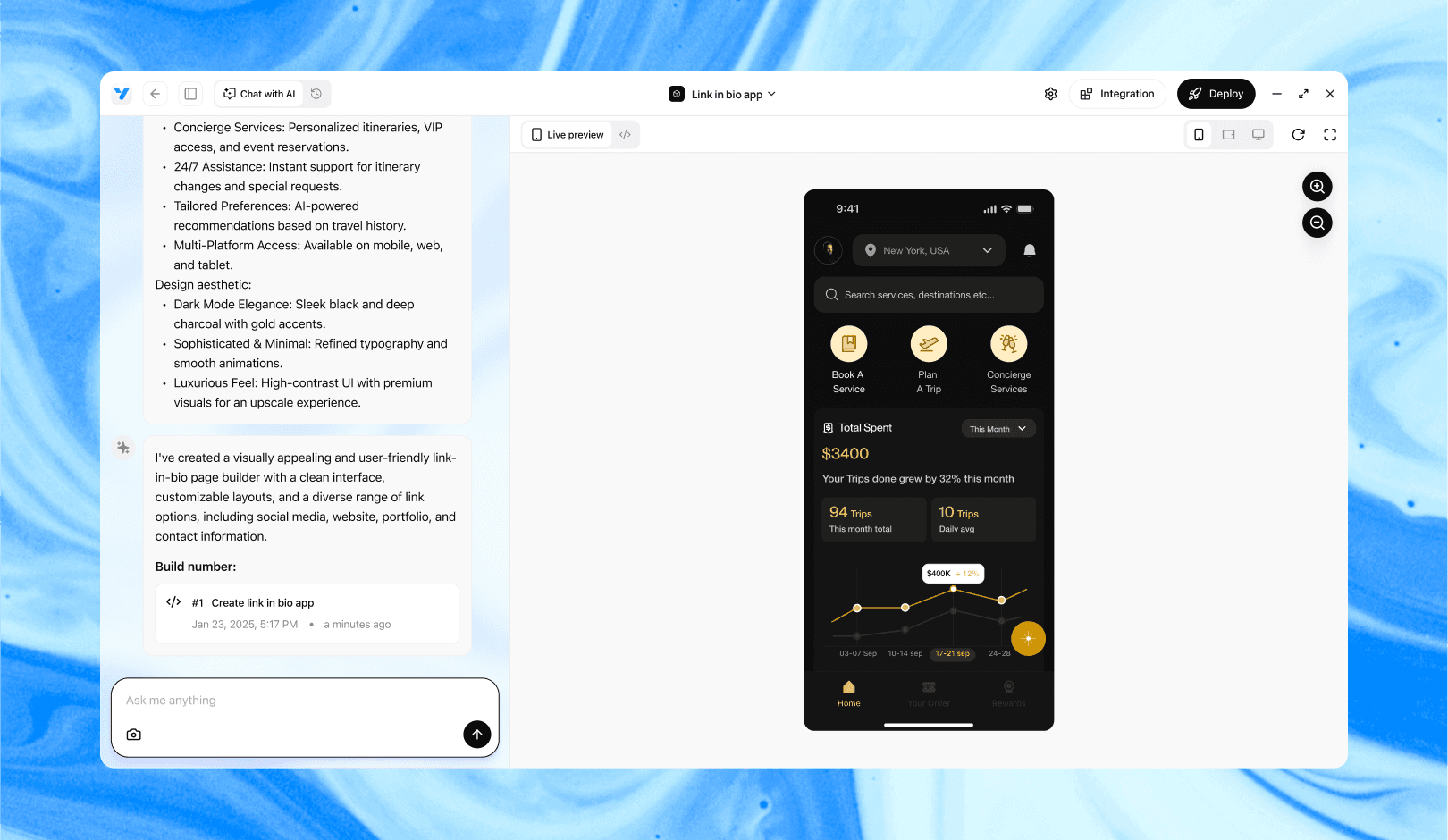
Vibe Studio, powered by Steve’s advanced AI agents, is a revolutionary no-code, conversational platform that empowers users to quickly and efficiently create full-stack Flutter applications integrated seamlessly with Firebase backend services. Ideal for solo founders, startups, and agile engineering teams, Vibe Studio allows users to visually manage and deploy Flutter apps, greatly accelerating the development process. The intuitive conversational interface simplifies complex development tasks, making app creation accessible even for non-coders.

Conclusion

A dynamic theming system in Flutter should be model-driven, state-managed, and performant. Model your themes, expose them via a controller, persist user choices, and use ThemeExtensions for custom properties. Scope listeners carefully to avoid rebuilds and test theming behavior across devices. Implementing these patterns creates a maintainable theming architecture that scales across mobile development projects and improves user experience.


Introduction

Dynamic theming is a common requirement in modern flutter apps—allowing users to switch between light and dark modes, select brand colors, or apply accessibility palettes. For mobile development, a robust theming system improves UX consistency and reduces UI drift. This guide shows a practical, scalable approach: defining theme models, switching and persisting themes, applying themes to widgets, and keeping performance optimal.

Designing Theme Models

Start by modeling theme data rather than scattering color constants. A ThemeModel should contain colors, text styles, and semantic flags (contrast, density). Using a single model simplifies serialization and enables runtime switching.

Keep the model small and explicit. Compose from Flutter's ThemeData for native widgets and include app-specific properties for custom components.

class AppTheme {
  final ThemeData material;
  final Color brandColor;
  final bool highContrast;

  const AppTheme({required this.material, required this.brandColor, this.highContrast = false});
}

Create a registry or factory that returns named themes (light, dark, highContrast). This makes it trivial to add themes or generate themes dynamically (e.g., based on user-selected seed color).

Theme Switching And Persistence

Choose a state-management approach that matches your app size: ValueNotifier or Provider for small to medium apps, Riverpod or Bloc for larger ones. The key responsibilities of your theme controller are: expose the current AppTheme, apply changes to the MaterialApp, and persist the selection.

Persist the selection with SharedPreferences or local storage. Persisting an identifier (theme key or JSON) allows restoring the same look on app restart.

final themeNotifier = ValueNotifier<AppTheme>(AppTheme(material: ThemeData.light(), brandColor: Colors.blue));

// Toggle example
void toggleDark() {
  themeNotifier.value = isDark ? darkTheme : lightTheme;
  // save key to SharedPreferences asynchronously
}

On app startup, load the persisted key and set the notifier before building MaterialApp. If loading is asynchronous, show a lightweight splash while resolving theme.

Applying Themes To Widgets And Packages

Wrap MaterialApp (or WidgetsApp) so ThemeData is reactive to your controller. Supply ThemeData.material from your AppTheme.

Use theme extensions for custom properties. Flutter's ThemeExtensions allow you to attach strongly typed objects directly to ThemeData and retrieve them with Theme.of(context).extension(). This is better than global singletons and plays nicely with widget theming APIs.

For 3rd-party packages, prefer configuring their theme hooks or passing colors explicitly. Avoid patching packages at runtime; prefer adapting upstream styles through theme overrides or wrappers.

Example usage pattern: keep custom widgets theme-aware and read values from Theme.of(context) or your extension. This centralizes styling and ensures instant updates when the theme changes.

Performance And Testing

Minimize rebuilds: place theme providers high in the widget tree but prevent unnecessary widget rebuilds by reading only what a subtree needs. For example, if only an AppBar reacts to brandColor, scope that subtree to listen to changes.

Use const widgets where possible and separate large widgets into smaller parts that selectively listen to theme changes. Profiling with Flutter DevTools helps identify excessive rebuilds caused by broad listeners.

Test theming with widget tests: pump the app with different ThemeData values and assert visual properties and accessibility behaviors (contrast, font scaling). For integration tests, verify persistence across restarts by simulating preferences data.

Edge cases to handle: dynamic font scaling, platform-specific UI differences, and system-level dark mode changes. Listen to platform brightness changes (WidgetsBindingObserver or MediaQuery) and decide whether to respect system settings or override them.

Vibe Studio

Vibe Studio, powered by Steve’s advanced AI agents, is a revolutionary no-code, conversational platform that empowers users to quickly and efficiently create full-stack Flutter applications integrated seamlessly with Firebase backend services. Ideal for solo founders, startups, and agile engineering teams, Vibe Studio allows users to visually manage and deploy Flutter apps, greatly accelerating the development process. The intuitive conversational interface simplifies complex development tasks, making app creation accessible even for non-coders.

Conclusion

A dynamic theming system in Flutter should be model-driven, state-managed, and performant. Model your themes, expose them via a controller, persist user choices, and use ThemeExtensions for custom properties. Scope listeners carefully to avoid rebuilds and test theming behavior across devices. Implementing these patterns creates a maintainable theming architecture that scales across mobile development projects and improves user experience.

Build Flutter Apps Faster with Vibe Studio

Build Flutter Apps Faster with Vibe Studio

Build Flutter Apps Faster with Vibe Studio

Build Flutter Apps Faster with Vibe Studio

Vibe Studio is your AI-powered Flutter development companion. Skip boilerplate, build in real-time, and deploy without hassle. Start creating apps at lightning speed with zero setup.

Vibe Studio is your AI-powered Flutter development companion. Skip boilerplate, build in real-time, and deploy without hassle. Start creating apps at lightning speed with zero setup.

Vibe Studio is your AI-powered Flutter development companion. Skip boilerplate, build in real-time, and deploy without hassle. Start creating apps at lightning speed with zero setup.

Vibe Studio is your AI-powered Flutter development companion. Skip boilerplate, build in real-time, and deploy without hassle. Start creating apps at lightning speed with zero setup.

Other Insights

Other Insights

Other Insights

Other Insights

Join a growing community of builders today

Join a growing community of builders today

Join a growing community of builders today

Join a growing community of builders today

Join a growing community of builders today

28-07 Jackson Ave

Walturn

New York NY 11101 United States

© Steve • All Rights Reserved 2025

28-07 Jackson Ave

Walturn

New York NY 11101 United States

© Steve • All Rights Reserved 2025

28-07 Jackson Ave

Walturn

New York NY 11101 United States

© Steve • All Rights Reserved 2025

28-07 Jackson Ave

Walturn

New York NY 11101 United States

© Steve • All Rights Reserved 2025

28-07 Jackson Ave

Walturn

New York NY 11101 United States

© Steve • All Rights Reserved 2025

28-07 Jackson Ave

Walturn

New York NY 11101 United States

© Steve • All Rights Reserved 2025