Creating Context-Aware Widgets Using Provider Selectors

Summary
Summary
Summary
Summary

This tutorial explains how to use Provider selectors (context.select and Selector) to make Flutter widgets context-aware and efficient for mobile development. It covers patterns, optimization rules (select primitives, avoid inline objects), testing advice, and practical integration tips to minimize rebuilds while keeping state management clear.

This tutorial explains how to use Provider selectors (context.select and Selector) to make Flutter widgets context-aware and efficient for mobile development. It covers patterns, optimization rules (select primitives, avoid inline objects), testing advice, and practical integration tips to minimize rebuilds while keeping state management clear.

This tutorial explains how to use Provider selectors (context.select and Selector) to make Flutter widgets context-aware and efficient for mobile development. It covers patterns, optimization rules (select primitives, avoid inline objects), testing advice, and practical integration tips to minimize rebuilds while keeping state management clear.

This tutorial explains how to use Provider selectors (context.select and Selector) to make Flutter widgets context-aware and efficient for mobile development. It covers patterns, optimization rules (select primitives, avoid inline objects), testing advice, and practical integration tips to minimize rebuilds while keeping state management clear.

Key insights:
Key insights:
Key insights:
Key insights:
  • Why Use Selectors: Selectors let widgets subscribe to specific slices of state, minimizing unnecessary rebuilds and improving mobile performance.

  • Selector Patterns In Practice: Use context.select for quick reads and Selector widget for complex builders; always return small derived values.

  • Optimizing Widget Rebuilds: Prefer primitives, avoid inline objects, and scope providers narrowly to reduce rebuild frequency.

  • Testing And Debugging: Test selector outputs in isolation and use logging to verify rebuild counts and identity issues.

  • Practical Integration Tips: Combine selectors with const widgets and centralized mutation patterns to keep UIs predictable and efficient.

Introduction

Building responsive, efficient UIs in Flutter for mobile development often means minimizing widget rebuilds while still reflecting model changes. Provider's selector APIs give you fine-grained control to rebuild only those widgets that truly depend on a specific slice of state. This tutorial shows practical patterns to create context-aware widgets using Provider selectors, with short code examples and optimization tips.

Why Use Selectors

Provider.select (and the Selector widget) lets a widget listen to a derived value instead of the whole model. That reduces rebuilds and keeps responsibilities clear: your model exposes state, and the UI subscribes to only the properties it needs. In mobile development, where battery and performance matter, this trade-off is powerful: fewer rebuilds mean less layout work and smoother animations.

Key benefits:

  • Isolate rebuilds to widgets that depend on a specific property.

  • Avoid expensive equality checks by returning primitives or well-defined immutable objects.

  • Simplify testing by making dependencies explicit in build methods.

Selector Patterns In Practice

Pattern 1 — context.select in StatelessWidget:

final count = context.select((CounterModel m) => m.count);
return Text('Count: $count');

Use context.select when you want a single value quickly in build(). It reads the provider and subscribes to changes of the selected expression only.

Pattern 2 — Selector widget for complex builds:

Selector<UserModel, String>(
  selector: (_, m) => m.displayName,
  builder: (_, name, __) => Text(name),
)

Selector is useful when the builder needs to be a separate closure and when you want to explicitly control shouldRebuild semantics.

Pattern 3 — Select derived values for efficient comparisons Return simple types or small immutable objects from the selector. Instead of returning large models, compute a boolean or int (e.g., isPremium, unreadCount) and subscribe to that. That small change eliminates unnecessary deep equality concerns.

Optimizing Widget Rebuilds

Follow these pragmatic rules:

  • Select primitives: bool, int, String are ideal. Avoid returning entire models.

  • Avoid inline objects: selecting a new object each build (e.g., a list literal) will always trigger rebuilds.

  • Consider equatable/value objects: when you must return a structured value, use a stable value type with proper equality.

  • Limit the scope of providers: provide at the narrowest ancestor possible so only logically related widgets can access the state.

Example: You have a feed where each item has a favorite flag. Provide the feed at a high level but use Selector within each list tile to listen only to that item's isFavorite. The rest of the tile stays untouched when other items change.

Testing And Debugging

Testing selectors is straightforward because the selector expression is pure and returns a value derived from your model. Write unit tests for:

  • The selector function outcome given model states.

  • Widgets that consume context.select or Selector using a test provider setup (wrap with Provider and pumpWidget).

Debugging tips:

  • Use print/log in the builder closure to confirm how often a widget rebuilds.

  • If a widget rebuilds unexpectedly, inspect the selected value for identity changes or recreate costs like returning new lists or maps.

  • For complex equality decisions, temporarily replace selections with primitives to isolate the issue.

Practical Integration Tips

  • Use selectors for frequently changing ephemeral state (e.g., animation progress, counters) and rely on broader consumers for structural state changes (e.g., navigation stack).

  • Combine selectors with const constructors where possible. const widgets skip a lot of work when their inputs are stable.

  • Remember that selectors only optimize rebuild frequency; they do not change the logic of state mutation. Keep mutations predictable and centralized (ChangeNotifier, ValueNotifier, or Riverpod alternatives).

Vibe Studio
Vibe Studio, powered by Steve’s advanced AI agents, is a revolutionary no-code, conversational platform that empowers users to quickly and efficiently create full-stack Flutter applications integrated seamlessly with Firebase backend services. Ideal for solo founders, startups, and agile engineering teams, Vibe Studio allows users to visually manage and deploy Flutter apps, greatly accelerating the development process. The intuitive conversational interface simplifies complex development tasks, making app creation accessible even for non-coders.

Conclusion

Provider selectors are a lightweight, effective tool for creating context-aware widgets in Flutter mobile development. By selecting minimal derived values, using Selector when appropriate, and following practical optimization rules, you make your UI more predictable and performant. Apply these patterns incrementally: identify hotspots with logging or DevTools and replace broad consumers with selectors to see immediate improvement.

Introduction

Building responsive, efficient UIs in Flutter for mobile development often means minimizing widget rebuilds while still reflecting model changes. Provider's selector APIs give you fine-grained control to rebuild only those widgets that truly depend on a specific slice of state. This tutorial shows practical patterns to create context-aware widgets using Provider selectors, with short code examples and optimization tips.

Why Use Selectors

Provider.select (and the Selector widget) lets a widget listen to a derived value instead of the whole model. That reduces rebuilds and keeps responsibilities clear: your model exposes state, and the UI subscribes to only the properties it needs. In mobile development, where battery and performance matter, this trade-off is powerful: fewer rebuilds mean less layout work and smoother animations.

Key benefits:

  • Isolate rebuilds to widgets that depend on a specific property.

  • Avoid expensive equality checks by returning primitives or well-defined immutable objects.

  • Simplify testing by making dependencies explicit in build methods.

Selector Patterns In Practice

Pattern 1 — context.select in StatelessWidget:

final count = context.select((CounterModel m) => m.count);
return Text('Count: $count');

Use context.select when you want a single value quickly in build(). It reads the provider and subscribes to changes of the selected expression only.

Pattern 2 — Selector widget for complex builds:

Selector<UserModel, String>(
  selector: (_, m) => m.displayName,
  builder: (_, name, __) => Text(name),
)

Selector is useful when the builder needs to be a separate closure and when you want to explicitly control shouldRebuild semantics.

Pattern 3 — Select derived values for efficient comparisons Return simple types or small immutable objects from the selector. Instead of returning large models, compute a boolean or int (e.g., isPremium, unreadCount) and subscribe to that. That small change eliminates unnecessary deep equality concerns.

Optimizing Widget Rebuilds

Follow these pragmatic rules:

  • Select primitives: bool, int, String are ideal. Avoid returning entire models.

  • Avoid inline objects: selecting a new object each build (e.g., a list literal) will always trigger rebuilds.

  • Consider equatable/value objects: when you must return a structured value, use a stable value type with proper equality.

  • Limit the scope of providers: provide at the narrowest ancestor possible so only logically related widgets can access the state.

Example: You have a feed where each item has a favorite flag. Provide the feed at a high level but use Selector within each list tile to listen only to that item's isFavorite. The rest of the tile stays untouched when other items change.

Testing And Debugging

Testing selectors is straightforward because the selector expression is pure and returns a value derived from your model. Write unit tests for:

  • The selector function outcome given model states.

  • Widgets that consume context.select or Selector using a test provider setup (wrap with Provider and pumpWidget).

Debugging tips:

  • Use print/log in the builder closure to confirm how often a widget rebuilds.

  • If a widget rebuilds unexpectedly, inspect the selected value for identity changes or recreate costs like returning new lists or maps.

  • For complex equality decisions, temporarily replace selections with primitives to isolate the issue.

Practical Integration Tips

  • Use selectors for frequently changing ephemeral state (e.g., animation progress, counters) and rely on broader consumers for structural state changes (e.g., navigation stack).

  • Combine selectors with const constructors where possible. const widgets skip a lot of work when their inputs are stable.

  • Remember that selectors only optimize rebuild frequency; they do not change the logic of state mutation. Keep mutations predictable and centralized (ChangeNotifier, ValueNotifier, or Riverpod alternatives).

Vibe Studio

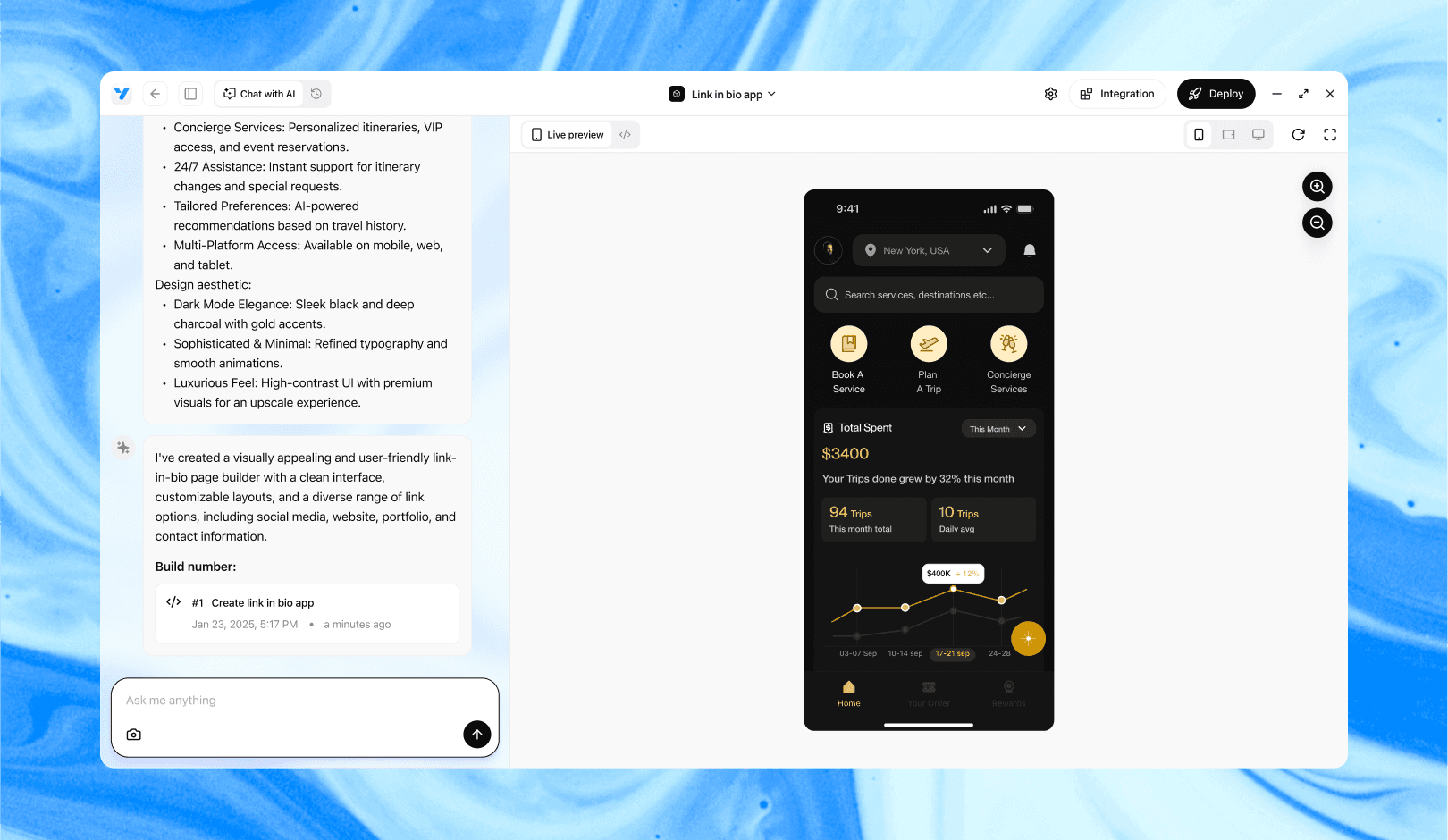
Vibe Studio, powered by Steve’s advanced AI agents, is a revolutionary no-code, conversational platform that empowers users to quickly and efficiently create full-stack Flutter applications integrated seamlessly with Firebase backend services. Ideal for solo founders, startups, and agile engineering teams, Vibe Studio allows users to visually manage and deploy Flutter apps, greatly accelerating the development process. The intuitive conversational interface simplifies complex development tasks, making app creation accessible even for non-coders.

Conclusion

Provider selectors are a lightweight, effective tool for creating context-aware widgets in Flutter mobile development. By selecting minimal derived values, using Selector when appropriate, and following practical optimization rules, you make your UI more predictable and performant. Apply these patterns incrementally: identify hotspots with logging or DevTools and replace broad consumers with selectors to see immediate improvement.

Build Flutter Apps Faster with Vibe Studio

Build Flutter Apps Faster with Vibe Studio

Build Flutter Apps Faster with Vibe Studio

Build Flutter Apps Faster with Vibe Studio

Vibe Studio is your AI-powered Flutter development companion. Skip boilerplate, build in real-time, and deploy without hassle. Start creating apps at lightning speed with zero setup.

Vibe Studio is your AI-powered Flutter development companion. Skip boilerplate, build in real-time, and deploy without hassle. Start creating apps at lightning speed with zero setup.

Vibe Studio is your AI-powered Flutter development companion. Skip boilerplate, build in real-time, and deploy without hassle. Start creating apps at lightning speed with zero setup.

Vibe Studio is your AI-powered Flutter development companion. Skip boilerplate, build in real-time, and deploy without hassle. Start creating apps at lightning speed with zero setup.

Other Insights

Other Insights

Other Insights

Other Insights

Join a growing community of builders today

Join a growing community of builders today

Join a growing community of builders today

Join a growing community of builders today

Join a growing community of builders today

28-07 Jackson Ave

Walturn

New York NY 11101 United States

© Steve • All Rights Reserved 2025

28-07 Jackson Ave

Walturn

New York NY 11101 United States

© Steve • All Rights Reserved 2025

28-07 Jackson Ave

Walturn

New York NY 11101 United States

© Steve • All Rights Reserved 2025

28-07 Jackson Ave

Walturn

New York NY 11101 United States

© Steve • All Rights Reserved 2025

28-07 Jackson Ave

Walturn

New York NY 11101 United States

© Steve • All Rights Reserved 2025

28-07 Jackson Ave

Walturn

New York NY 11101 United States

© Steve • All Rights Reserved 2025