Creating A Crash Free Startup Sequence With Guards And Fallbacks
Summary
Summary

This tutorial shows how to create a crash-free Flutter startup by using process-level guards (runZonedGuarded, FlutterError.onError), widget-level gates, timeouts, resumable initialization, and minimal fallback UIs. Combine dependency-injected tests, observability, and feature flags to detect and mitigate startup failures in mobile development.

This tutorial shows how to create a crash-free Flutter startup by using process-level guards (runZonedGuarded, FlutterError.onError), widget-level gates, timeouts, resumable initialization, and minimal fallback UIs. Combine dependency-injected tests, observability, and feature flags to detect and mitigate startup failures in mobile development.

Key insights:
Key insights:
  • Understanding Common Startup Failures: Identify plugin, async, and platform channel risks and treat startup code as hazardous.

  • Designing Guards And Fallback Strategies: Use guarded entry points, feature gates, and timeout-based fallbacks for graceful degradation.

  • Implementing In Flutter: Wrap main in runZonedGuarded, provide a minimal fallback app, and make initialization resumable and idempotent.

  • Monitoring And Testing: Combine unit/integration tests with crash reporting and health events to detect rising fallback rates.

  • Fallback Prioritization: Prioritize cached content and safe-mode UIs that avoid risky plugins to keep the app usable.

Introduction

A mobile app's startup sequence is one of the most fragile parts of a Flutter app. Initialization code runs before the UI is usable, and failures here often produce crashes that block every user. This tutorial explains a disciplined pattern of guards and fallbacks to keep your Flutter mobile development startup crash-free: defensive initialization, recoverable fallbacks, error boundaries, and observable health checks.

Understanding Common Startup Failures

Startup crashes typically stem from a few recurring issues: synchronous exceptions in plugin initialization, uncaught async errors during migrations or network requests, missing configuration or secrets, and platform channel problems. Cold starts (app not in memory) are riskier because you run code paths that might be skipped on warm starts. Treat anything that can throw—file I/O, DB migrations, remote config, secure storage—as hazardous and plan fallbacks.

Key principles:

  • Fail fast while remaining recoverable: surface errors so you can degrade gracefully instead of crashing.

  • Minimize work on the main thread: allow the framework to present a UI while background initialization continues.

  • Prefer idempotent initialization so retrying doesn't corrupt state.

Designing Guards And Fallback Strategies

Guards are explicit checkpoints that assert preconditions and decide whether to continue, attempt remediation, or show a fallback UI. Fallbacks are safe, minimal interfaces that let users continue basic flows (login, read cached content, retry) while the app heals.

Common guard patterns:

  • Guarded Main: wrap app entry in a global error handler (runZonedGuarded and FlutterError.onError) so uncaught errors route to a controlled fallback.

  • Feature Gate: defer optional features behind a gate until their dependencies initialize successfully.

  • Timeout Gate: if an async initialization exceeds a threshold, switch to a limited mode and continue initializing in the background.

Fallback strategies:

  • Cached Data First: show locally cached content while remote data refreshes.

  • Safe Mode: disable non-essential features and surface a banner explaining limited functionality.

  • Retry Path: expose a clear retry action tied to the failing guard.

Implementing In Flutter

Implement guards at two layers: process level and widget level. Process-level guards catch unexpected errors early; widget-level guards control specific feature initialization and view transitions.

Example: guarded main with a minimal fallback route.

void main() {
  FlutterError.onError = (details) => FlutterError.presentError(details);
  runZonedGuarded(() async {
    WidgetsFlutterBinding.ensureInitialized();
    runApp(MyApp());
  }, (error, stack) async {
    // log to crash reporting and show minimal fallback
    await CrashReporter.report(error, stack);
    runApp(FallbackApp());
  });
}

Widget-level guard: defer heavy initialization and show a retry-capable splash.

class StartupGate extends StatefulWidget { /* ... */ }


Implementation tips:

  • Keep your fallback app extremely small and independent of failing subsystems. Avoid plugins that might have caused the crash.

  • Use short timeouts (2–5s) for critical init operations. On timeout, continue on a degraded path and schedule background retries.

  • Mark migrations and one-time setup as resumable: store state in local flags and avoid partial writes.

Monitoring And Testing

You can't fix what you can't see. Combine automated tests with runtime observability.

Testing:

  • Unit test initialization logic and failure branches with dependency injection (mock file systems, network clients, secure storage).

  • Integration tests: start the app in CI in a clean state and validate fallback UIs appear when mocks simulate plugin failures.

  • Chaos testing: simulate slow or failing services to ensure timeouts and fallbacks activate.

Monitoring:

  • Integrate crash reporting (Firebase Crashlytics, Sentry) and attach breadcrumbs for startup steps.

  • Emit health events for each guard: init_started, init_completed, init_failed, fallback_used. Use these to alert on rising fallback rates.

  • Track cold-start vs warm-start metrics separately; prioritize cold-start reliability in mobile development because it impacts new users.

Operational practices:

  • Feature flags let you remotely disable risky startup behaviors.

  • Progressive rollouts and staged configuration updates reduce blast radius for changes that touch startup.

Vibe Studio
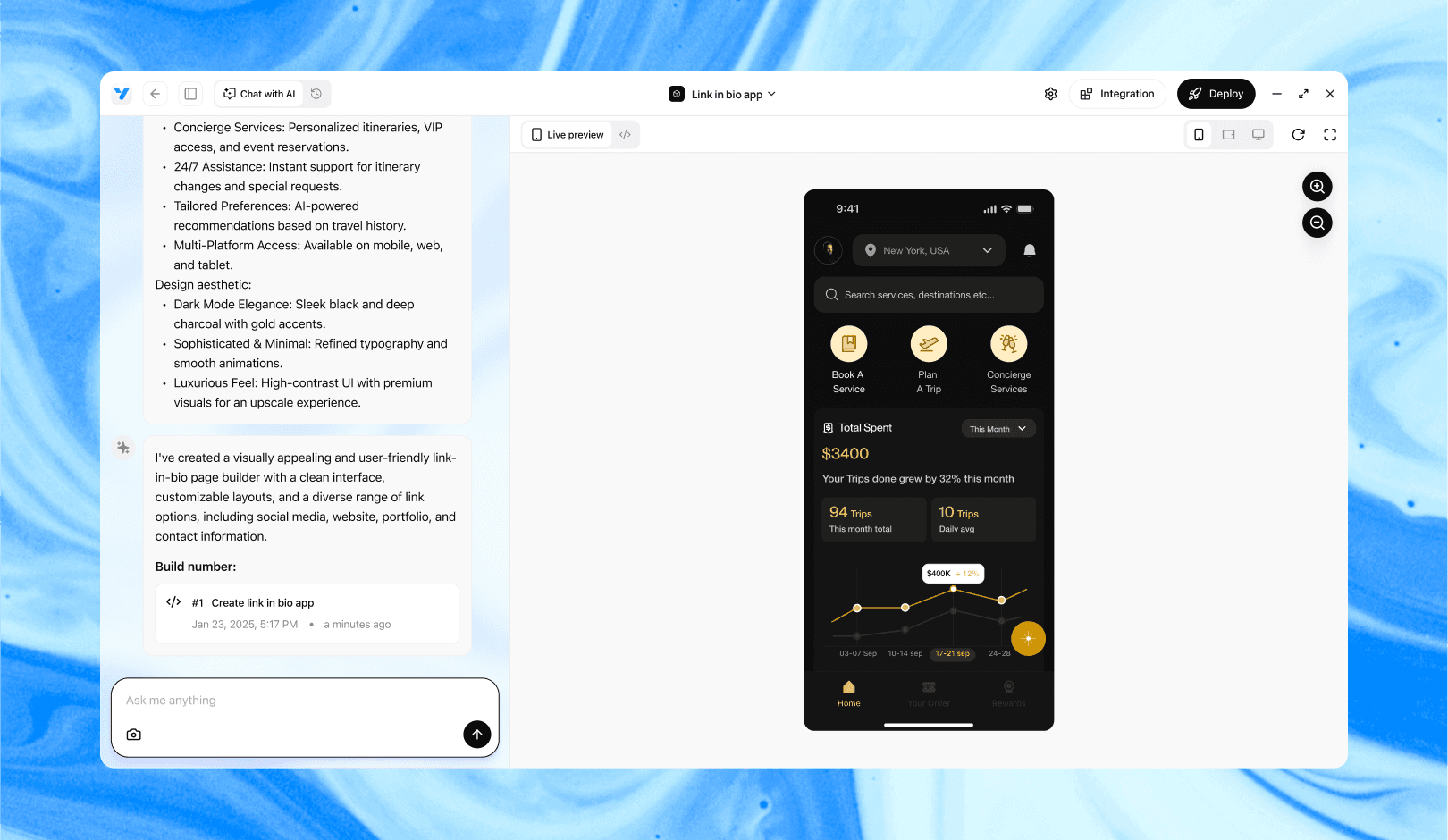
Vibe Studio, powered by Steve’s advanced AI agents, is a revolutionary no-code, conversational platform that empowers users to quickly and efficiently create full-stack Flutter applications integrated seamlessly with Firebase backend services. Ideal for solo founders, startups, and agile engineering teams, Vibe Studio allows users to visually manage and deploy Flutter apps, greatly accelerating the development process. The intuitive conversational interface simplifies complex development tasks, making app creation accessible even for non-coders.

Conclusion

A crash-free startup in Flutter requires deliberate defensive design: global guards, widget-level fallbacks, short timeouts, resumable initialization, and strong observability. Build minimal fallback UIs that avoid fragile plugins, surface clear retry paths, and collect telemetry to iterate on failures. With these patterns, you convert startup crashes into recoverable events—improving resilience, user trust, and the overall quality of your mobile development lifecycle.


Introduction

A mobile app's startup sequence is one of the most fragile parts of a Flutter app. Initialization code runs before the UI is usable, and failures here often produce crashes that block every user. This tutorial explains a disciplined pattern of guards and fallbacks to keep your Flutter mobile development startup crash-free: defensive initialization, recoverable fallbacks, error boundaries, and observable health checks.

Understanding Common Startup Failures

Startup crashes typically stem from a few recurring issues: synchronous exceptions in plugin initialization, uncaught async errors during migrations or network requests, missing configuration or secrets, and platform channel problems. Cold starts (app not in memory) are riskier because you run code paths that might be skipped on warm starts. Treat anything that can throw—file I/O, DB migrations, remote config, secure storage—as hazardous and plan fallbacks.

Key principles:

  • Fail fast while remaining recoverable: surface errors so you can degrade gracefully instead of crashing.

  • Minimize work on the main thread: allow the framework to present a UI while background initialization continues.

  • Prefer idempotent initialization so retrying doesn't corrupt state.

Designing Guards And Fallback Strategies

Guards are explicit checkpoints that assert preconditions and decide whether to continue, attempt remediation, or show a fallback UI. Fallbacks are safe, minimal interfaces that let users continue basic flows (login, read cached content, retry) while the app heals.

Common guard patterns:

  • Guarded Main: wrap app entry in a global error handler (runZonedGuarded and FlutterError.onError) so uncaught errors route to a controlled fallback.

  • Feature Gate: defer optional features behind a gate until their dependencies initialize successfully.

  • Timeout Gate: if an async initialization exceeds a threshold, switch to a limited mode and continue initializing in the background.

Fallback strategies:

  • Cached Data First: show locally cached content while remote data refreshes.

  • Safe Mode: disable non-essential features and surface a banner explaining limited functionality.

  • Retry Path: expose a clear retry action tied to the failing guard.

Implementing In Flutter

Implement guards at two layers: process level and widget level. Process-level guards catch unexpected errors early; widget-level guards control specific feature initialization and view transitions.

Example: guarded main with a minimal fallback route.

void main() {
  FlutterError.onError = (details) => FlutterError.presentError(details);
  runZonedGuarded(() async {
    WidgetsFlutterBinding.ensureInitialized();
    runApp(MyApp());
  }, (error, stack) async {
    // log to crash reporting and show minimal fallback
    await CrashReporter.report(error, stack);
    runApp(FallbackApp());
  });
}

Widget-level guard: defer heavy initialization and show a retry-capable splash.

class StartupGate extends StatefulWidget { /* ... */ }


Implementation tips:

  • Keep your fallback app extremely small and independent of failing subsystems. Avoid plugins that might have caused the crash.

  • Use short timeouts (2–5s) for critical init operations. On timeout, continue on a degraded path and schedule background retries.

  • Mark migrations and one-time setup as resumable: store state in local flags and avoid partial writes.

Monitoring And Testing

You can't fix what you can't see. Combine automated tests with runtime observability.

Testing:

  • Unit test initialization logic and failure branches with dependency injection (mock file systems, network clients, secure storage).

  • Integration tests: start the app in CI in a clean state and validate fallback UIs appear when mocks simulate plugin failures.

  • Chaos testing: simulate slow or failing services to ensure timeouts and fallbacks activate.

Monitoring:

  • Integrate crash reporting (Firebase Crashlytics, Sentry) and attach breadcrumbs for startup steps.

  • Emit health events for each guard: init_started, init_completed, init_failed, fallback_used. Use these to alert on rising fallback rates.

  • Track cold-start vs warm-start metrics separately; prioritize cold-start reliability in mobile development because it impacts new users.

Operational practices:

  • Feature flags let you remotely disable risky startup behaviors.

  • Progressive rollouts and staged configuration updates reduce blast radius for changes that touch startup.

Vibe Studio

Vibe Studio, powered by Steve’s advanced AI agents, is a revolutionary no-code, conversational platform that empowers users to quickly and efficiently create full-stack Flutter applications integrated seamlessly with Firebase backend services. Ideal for solo founders, startups, and agile engineering teams, Vibe Studio allows users to visually manage and deploy Flutter apps, greatly accelerating the development process. The intuitive conversational interface simplifies complex development tasks, making app creation accessible even for non-coders.

Conclusion

A crash-free startup in Flutter requires deliberate defensive design: global guards, widget-level fallbacks, short timeouts, resumable initialization, and strong observability. Build minimal fallback UIs that avoid fragile plugins, surface clear retry paths, and collect telemetry to iterate on failures. With these patterns, you convert startup crashes into recoverable events—improving resilience, user trust, and the overall quality of your mobile development lifecycle.

Build Flutter Apps Faster with Vibe Studio

Vibe Studio is your AI-powered Flutter development companion. Skip boilerplate, build in real-time, and deploy without hassle. Start creating apps at lightning speed with zero setup.

Other Insights

Join a growing community of builders today

Join a growing community of builders today

Join a growing community of builders today

Join a growing community of builders today

Join a growing community of builders today

28-07 Jackson Ave

Walturn

New York NY 11101 United States

© Steve • All Rights Reserved 2025

28-07 Jackson Ave

Walturn

New York NY 11101 United States

© Steve • All Rights Reserved 2025

28-07 Jackson Ave

Walturn

New York NY 11101 United States

© Steve • All Rights Reserved 2025

28-07 Jackson Ave

Walturn

New York NY 11101 United States

© Steve • All Rights Reserved 2025

28-07 Jackson Ave

Walturn

New York NY 11101 United States

© Steve • All Rights Reserved 2025

28-07 Jackson Ave

Walturn

New York NY 11101 United States

© Steve • All Rights Reserved 2025