Introduction
Setting up continuous integration for Flutter projects requires attention to three levers: caching (to avoid repeated dependency and tool downloads), parallelization (to reduce wall time by running independent tasks concurrently), and flavors (to produce multiple app variants from one codebase). This tutorial explains practical CI patterns you can apply on GitHub Actions, GitLab CI, Bitrise, or any pipeline runner while keeping builds deterministic and fast.
CI Provider And Pipeline Layout
Pick a CI provider that supports matrix builds and reliable caching primitives. The core pipeline layout for a Flutter mobile app typically contains: dependency restore, analysis & unit tests, platform tool setup (Android SDK / Xcode provisioning), build per flavor/target, artifact upload. Use separate jobs for fast-failing checks (static analysis, unit tests) and for expensive artifact production.
Use a matrix job for combinations that are independent: OS (macOS required for iOS), flavor, and build type (debug/profile/release). Example matrix axes: flavor: [staging, production], platform: [android, ios]. Make the matrix as small as necessary; build only iOS on macOS runners.
Effective Caching Strategies
Caching reduces CI runtime dramatically when done correctly. Key items to cache for Flutter mobile development:
Dart/Flutter tool cache: the Flutter SDK or a pinned snapshot. Cache selectively—on GitHub Actions use actions/cache with a stable key and include Flutter version. If your runner offers preinstalled SDKs, prefer those.
pub cache: ~/.pub-cache (or the path printed by flutter pub cache). Use a cache key based on pubspec.lock content (hash it) so cache invalidates on dependency updates.
Gradle caches: ~/.gradle/caches and ~/.gradle/wrapper. Use a cache key: gradle-version + hash of android/gradle.* files.
CocoaPods (iOS): ~/Library/Caches/CocoaPods and Pods/Manifest.lock; cache the CocoaPods repo and pods to avoid expensive pod installs.
Build outputs (optional): incremental build folders if you expect repeated builds for the same commit.
Cache key examples (conceptual):
pub: flutter-pub-${{ hashFiles('**/pubspec.lock') }}-${{ env.FLUTTER_VERSION }}
gradle: gradle-${{ hashFiles('android/gradle.properties','android/build.gradle') }}
Restoring caches is only effective when keys match; include tool version in the key to avoid mismatched artifacts.
Parallelization And Matrix Builds
Parallelization strategy:
Fast checks first: run dart analyze and flutter test in parallel to the build matrix. If they fail, skip heavy builds with allow-failure gating where supported.
Matrix builds: run each flavor and platform in separate jobs. For Android a single job can produce multiple APKs with --flavor flags, but separate jobs increase parallelism.
Test sharding: split large test suites across multiple runners using a test shard script that partitions tests by file count or by tags. Example: run flutter test test/ files in groups.
Avoid over-sharding: spawning too many short-lived jobs increases queue overhead. Aim for 2–8 concurrent artifact builds depending on your runner limits.
Managing Flavors And Signing
Flavors let you maintain one codebase producing multiple app configurations. On Android define productFlavors in android/app/build.gradle; on iOS create schemes/configurations and Info.plist variants. In Flutter, drive behavior with --flavor and by using --dart-define for runtime constants.
Build commands in CI:
Android: flutter build apk --flavor staging -t lib/main_staging.dart --release
iOS (macOS runner): flutter build ios --flavor staging -t lib/main_staging.dart --export-options-plist=ExportOptions.plist
Pass secrets for signing securely: store keystore files and signing passwords in secure storage (CI secrets), inject at runtime, and remove them after the job.
Dart snippet to read a flavor variable defined at build time (useful instead of multiple entrypoints):
void main() {
  const flavor = String.fromEnvironment('FLAVOR', defaultValue: 'production');
  runApp(MyApp(flavor: flavor));
}
Build with: flutter build apk --dart-define=FLAVOR=staging --release.
Vibe Studio
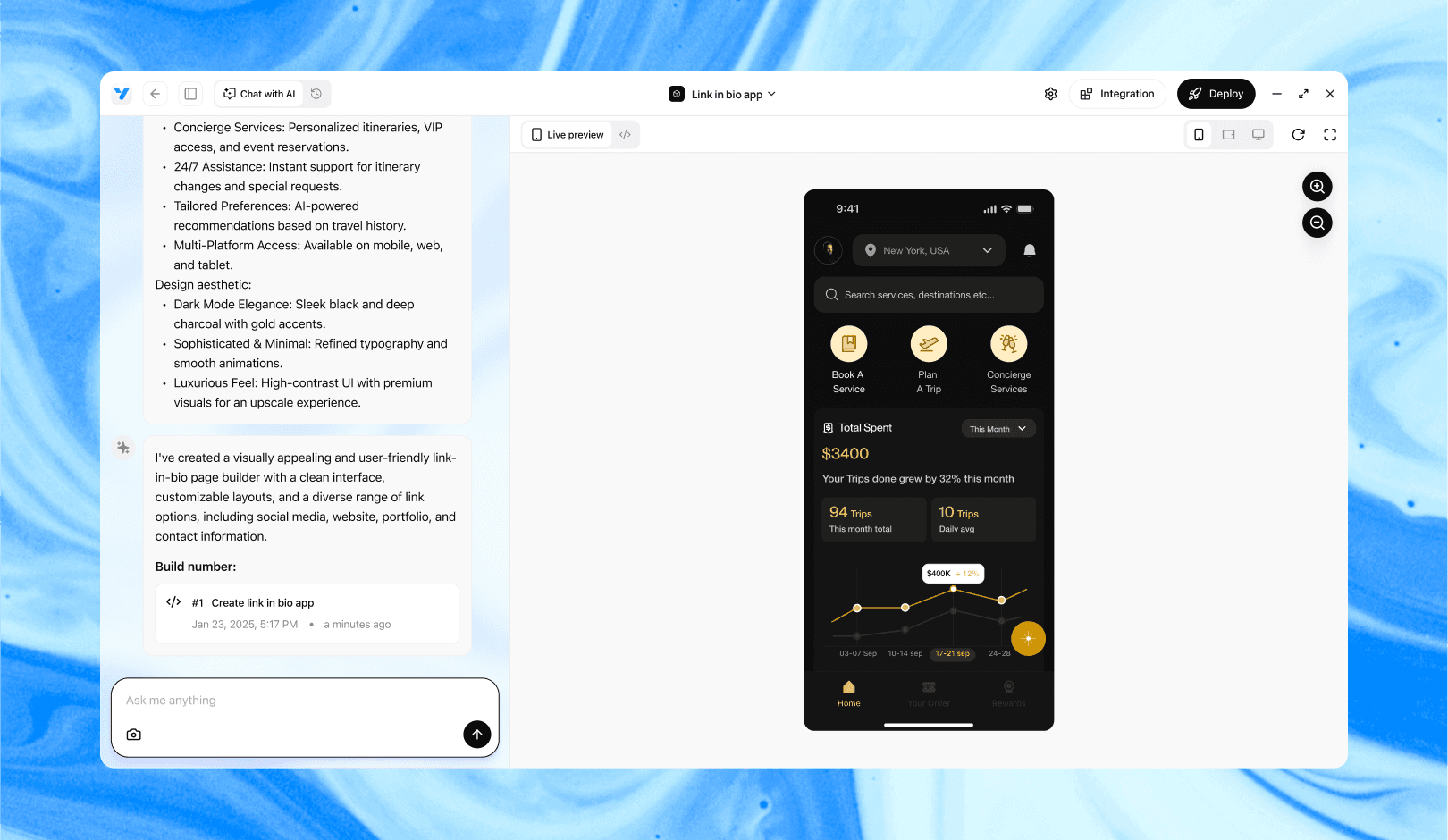
Vibe Studio, powered by Steve’s advanced AI agents, is a revolutionary no-code, conversational platform that empowers users to quickly and efficiently create full-stack Flutter applications integrated seamlessly with Firebase backend services. Ideal for solo founders, startups, and agile engineering teams, Vibe Studio allows users to visually manage and deploy Flutter apps, greatly accelerating the development process. The intuitive conversational interface simplifies complex development tasks, making app creation accessible even for non-coders.
Conclusion
A pragmatic CI for Flutter balances caching (SDK, pub, Gradle, CocoaPods), sensible parallelization (matrix jobs for flavors/platforms, test sharding), and clear flavor/signing processes. Use stable cache keys tied to lockfiles and tool versions, gate expensive builds behind fast checks, and keep signing material secure. These practices shrink iteration time for mobile development while keeping builds reproducible and traceable.