Building Offline-Ready Flutter Apps With Caching Strategies
Nov 18, 2025


Summary
Summary
Summary
Summary
This tutorial covers practical caching strategies for Flutter mobile development: cache-first vs network-first patterns, choosing storage (shared preferences, Hive, SQLite), implementing TTL/ETag and sync queues, and testing offline behavior. It includes small Dart examples for caching and enqueuing offline writes to help you build resilient offline-ready apps.
Key insights:
Key insights:
Key insights:
Key insights:
Caching Strategies: Select cache-first, network-first, or stale-while-revalidate depending on freshness and UX needs.
Implementing Local Storage: Use Hive for fast key-value JSON, SQLite for relational data, and SharedPreferences for small flags.
Cache Invalidation And Synchronization: Combine TTL, ETag/versioning, and queued syncs to keep client and server consistent.
Testing And Debugging Offline: Test in airplane mode, use network simulators, mock network clients, and log cache metrics.
Performance And UX Tradeoffs: Balance cache size, eviction policy, compression, and optimistic updates for responsiveness.
Introduction
Building offline-ready mobile apps is a critical skill in Flutter mobile development. Users expect apps to work when connectivity is intermittent or absent. Offline capability improves reliability, performance, and user satisfaction. This tutorial walks through pragmatic caching strategies, local persistence choices, invalidation and synchronization patterns, and practical testing approaches—focused on code-first techniques you can apply today.
Caching Strategies
Choose a caching strategy to match your data shape and user expectations. Common patterns:
Cache-First (Offline-First): Read from cache and display immediately, then refresh in background.
Network-First: Attempt network, fall back to cache on failure—good for critical fresh data.
Stale-While-Revalidate: Serve cached data while fetching updated content, then update UI.
Design rules:
Separate assets (images, static files) from structured data (JSON entities).
Use memory cache for very hot data (small, frequently accessed) and disk cache for larger or durable items.
Respect HTTP cache headers when available—ETag/Last-Modified enable efficient revalidation.
Practical example: implement Stale-While-Revalidate where cache returns instantly and a network call refreshes it. Provide timestamps with cached entries to determine staleness.
Implementing Local Storage
Pick the right storage for your data:
Shared Preferences / Key-Value: small tokens, flags, last-sync timestamps.
SQLite (sqflite): relational data, complex queries, offline search and joins.
Hive/ObjectBox: fast key-value binary stores for structured objects, minimal boilerplate.
Example: simple cache wrapper using Hive for JSON payloads. This keeps code compact and fast on mobile.
import 'package:hive/hive.dart';
Future<void> saveCache(String key, String json) async {
var box = await Hive.openBox('cache');
await box.put(key, {'data': json, 'ts': DateTime.now().toIso8601String()});
}
Future<Map?> readCache(String key) async {
var box = await Hive.openBox('cache');
return box.get(key);
}For network requests use a client that supports interceptors (Dio or http with middleware) to centralize caching logic: check cache, decide policy, and update cache on successful responses.
Cache Invalidation And Synchronization
Invalidation is the hardest part. Strategies:
Time-Based TTL: simple, set expiry on cached items.
Versioning: increment a server-side data version; clients fetch diffs when versions differ.
ETag/If-None-Match: server replies 304 Not Modified when content unchanged—saves bandwidth.
Optimistic Updates + Background Sync: update local cache immediately for snappy UX, enqueue changes for server sync when online.
Sync patterns:
One-way Sync: server is source of truth; client periodically pulls updates.
Two-way Sync: clients send local changes; server resolves conflicts. Use timestamps, vector clocks, or last-writer-wins depending on complexity.
Implement a simple sync queue for offline writes: store pending requests locally and replay them on connectivity restore. Keep idempotency keys so retries are safe.
// enqueue a request payload for later sync
Future<void> enqueueSync(String endpoint, Map payload) async {
var box = await Hive.openBox('syncQueue');
await box.add({'endpoint': endpoint, 'payload': payload, 'ts': DateTime.now().toIso8601String()});
}Testing And Debugging Offline
Test on-device and with emulators:
Toggle airplane mode to test true offline conditions.
Use network link conditioners to simulate latency and packet loss.
Write integration tests that mock network clients and simulate cached responses.
Log cache hits/misses, last-sync times, and queue lengths to diagnose issues.
Checklist for reliability:
Ensure UI shows clear offline state and queued actions.
Provide manual refresh and conflict resolution UI when appropriate.
Monitor storage growth and provide eviction policies (LFU/LRU) to prevent unbounded caches.
Performance tips: compress cached payloads, limit cache size, and avoid blocking the UI thread—perform IO in isolates or using async APIs.
Vibe Studio
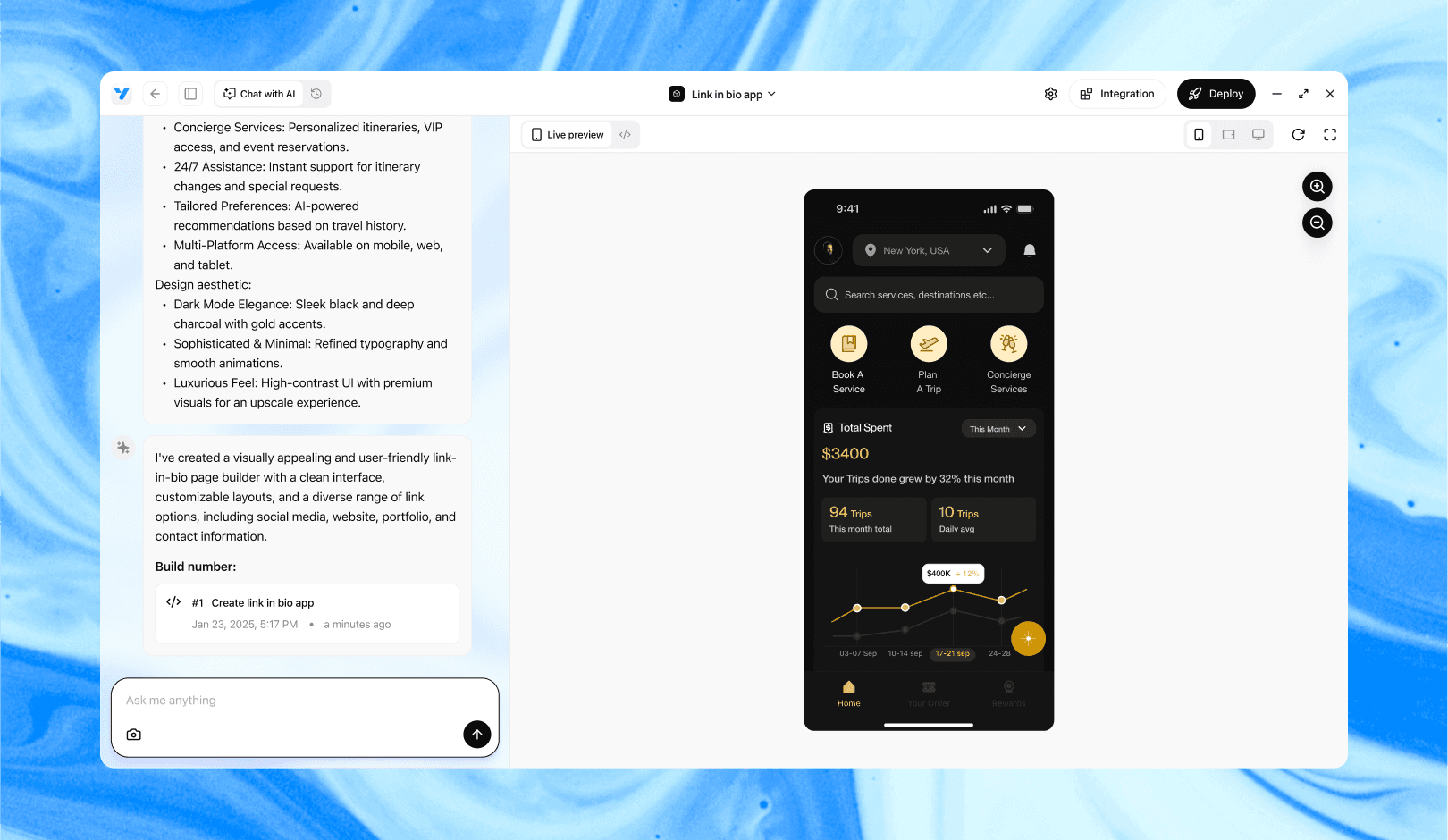
Vibe Studio, powered by Steve’s advanced AI agents, is a revolutionary no-code, conversational platform that empowers users to quickly and efficiently create full-stack Flutter applications integrated seamlessly with Firebase backend services. Ideal for solo founders, startups, and agile engineering teams, Vibe Studio allows users to visually manage and deploy Flutter apps, greatly accelerating the development process. The intuitive conversational interface simplifies complex development tasks, making app creation accessible even for non-coders.
Conclusion
Offline-first Flutter apps rely on thoughtful caching: choose appropriate stores (Hive, SQLite, SharedPreferences), adopt clear caching policies (cache-first, network-first, stale-while-revalidate), and implement robust invalidation and sync strategies (TTL, ETag, versioning). Test across real offline conditions and instrument cache behavior. With these patterns you’ll deliver resilient, performant mobile experiences that keep users productive when connectivity fails.

Introduction
Building offline-ready mobile apps is a critical skill in Flutter mobile development. Users expect apps to work when connectivity is intermittent or absent. Offline capability improves reliability, performance, and user satisfaction. This tutorial walks through pragmatic caching strategies, local persistence choices, invalidation and synchronization patterns, and practical testing approaches—focused on code-first techniques you can apply today.
Caching Strategies
Choose a caching strategy to match your data shape and user expectations. Common patterns:
Cache-First (Offline-First): Read from cache and display immediately, then refresh in background.
Network-First: Attempt network, fall back to cache on failure—good for critical fresh data.
Stale-While-Revalidate: Serve cached data while fetching updated content, then update UI.
Design rules:
Separate assets (images, static files) from structured data (JSON entities).
Use memory cache for very hot data (small, frequently accessed) and disk cache for larger or durable items.
Respect HTTP cache headers when available—ETag/Last-Modified enable efficient revalidation.
Practical example: implement Stale-While-Revalidate where cache returns instantly and a network call refreshes it. Provide timestamps with cached entries to determine staleness.
Implementing Local Storage
Pick the right storage for your data:
Shared Preferences / Key-Value: small tokens, flags, last-sync timestamps.
SQLite (sqflite): relational data, complex queries, offline search and joins.
Hive/ObjectBox: fast key-value binary stores for structured objects, minimal boilerplate.
Example: simple cache wrapper using Hive for JSON payloads. This keeps code compact and fast on mobile.
import 'package:hive/hive.dart';
Future<void> saveCache(String key, String json) async {
var box = await Hive.openBox('cache');
await box.put(key, {'data': json, 'ts': DateTime.now().toIso8601String()});
}
Future<Map?> readCache(String key) async {
var box = await Hive.openBox('cache');
return box.get(key);
}For network requests use a client that supports interceptors (Dio or http with middleware) to centralize caching logic: check cache, decide policy, and update cache on successful responses.
Cache Invalidation And Synchronization
Invalidation is the hardest part. Strategies:
Time-Based TTL: simple, set expiry on cached items.
Versioning: increment a server-side data version; clients fetch diffs when versions differ.
ETag/If-None-Match: server replies 304 Not Modified when content unchanged—saves bandwidth.
Optimistic Updates + Background Sync: update local cache immediately for snappy UX, enqueue changes for server sync when online.
Sync patterns:
One-way Sync: server is source of truth; client periodically pulls updates.
Two-way Sync: clients send local changes; server resolves conflicts. Use timestamps, vector clocks, or last-writer-wins depending on complexity.
Implement a simple sync queue for offline writes: store pending requests locally and replay them on connectivity restore. Keep idempotency keys so retries are safe.
// enqueue a request payload for later sync
Future<void> enqueueSync(String endpoint, Map payload) async {
var box = await Hive.openBox('syncQueue');
await box.add({'endpoint': endpoint, 'payload': payload, 'ts': DateTime.now().toIso8601String()});
}Testing And Debugging Offline
Test on-device and with emulators:
Toggle airplane mode to test true offline conditions.
Use network link conditioners to simulate latency and packet loss.
Write integration tests that mock network clients and simulate cached responses.
Log cache hits/misses, last-sync times, and queue lengths to diagnose issues.
Checklist for reliability:
Ensure UI shows clear offline state and queued actions.
Provide manual refresh and conflict resolution UI when appropriate.
Monitor storage growth and provide eviction policies (LFU/LRU) to prevent unbounded caches.
Performance tips: compress cached payloads, limit cache size, and avoid blocking the UI thread—perform IO in isolates or using async APIs.
Vibe Studio

Vibe Studio, powered by Steve’s advanced AI agents, is a revolutionary no-code, conversational platform that empowers users to quickly and efficiently create full-stack Flutter applications integrated seamlessly with Firebase backend services. Ideal for solo founders, startups, and agile engineering teams, Vibe Studio allows users to visually manage and deploy Flutter apps, greatly accelerating the development process. The intuitive conversational interface simplifies complex development tasks, making app creation accessible even for non-coders.
Conclusion
Offline-first Flutter apps rely on thoughtful caching: choose appropriate stores (Hive, SQLite, SharedPreferences), adopt clear caching policies (cache-first, network-first, stale-while-revalidate), and implement robust invalidation and sync strategies (TTL, ETag, versioning). Test across real offline conditions and instrument cache behavior. With these patterns you’ll deliver resilient, performant mobile experiences that keep users productive when connectivity fails.

Build Flutter Apps Faster with Vibe Studio
Vibe Studio is your AI-powered Flutter development companion. Skip boilerplate, build in real-time, and deploy without hassle. Start creating apps at lightning speed with zero setup.