Building Flutter Plugins for macOS Menu Bar

Summary
Summary
Summary
Summary

This tutorial walks through creating a Flutter plugin for the macOS menu bar: project setup, native AppKit implementation, Dart MethodChannel/EventChannel APIs, menu interaction, and best practices for lifecycle, accessibility, and packaging in a mobile development context.

This tutorial walks through creating a Flutter plugin for the macOS menu bar: project setup, native AppKit implementation, Dart MethodChannel/EventChannel APIs, menu interaction, and best practices for lifecycle, accessibility, and packaging in a mobile development context.

This tutorial walks through creating a Flutter plugin for the macOS menu bar: project setup, native AppKit implementation, Dart MethodChannel/EventChannel APIs, menu interaction, and best practices for lifecycle, accessibility, and packaging in a mobile development context.

This tutorial walks through creating a Flutter plugin for the macOS menu bar: project setup, native AppKit implementation, Dart MethodChannel/EventChannel APIs, menu interaction, and best practices for lifecycle, accessibility, and packaging in a mobile development context.

Key insights:
Key insights:
Key insights:
Key insights:
  • Project Setup: Create a plugin with macOS support and organize native code under macos/Classes while keeping Dart API minimal.

  • macOS Platform Code: Use NSStatusBar and NSStatusItem in AppKit; always run UI changes on the main thread and invoke Dart callbacks for actions.

  • Dart API & MethodChannel: Expose a simple initialize method and use receiveBroadcastStream or EventChannel to stream native menu events to Dart.

  • Menu Bar Interaction And Best Practices: Provide scalable icons, accessibility labels, clean lifecycle management, and minimal entitlements.

  • Packaging And Distribution: Test across macOS versions, document any native dependencies and entitlements, and avoid duplicating status items on hot restarts.

Introduction

Building Flutter plugins that integrate with the macOS menu bar lets your app offer persistent, lightweight controls and status information even when the main window is closed. This tutorial assumes familiarity with Flutter and mobile development concepts, and focuses on creating a platform plugin that adds a menu bar item, responds to clicks, and sends events back to Dart via a MethodChannel.

Project Setup

Start by creating a federated plugin or a single-package plugin that includes macOS support. From your package root run:

  • flutter create --template=plugin --platforms=macos my_menu_bar_plugin

This generates a macOS Xcode project inside the plugin under macos/ and a Dart API file in lib/. For menu bar work you will edit the macOS native code in macos/Classes and the Dart surface in lib/. Keep mobile development concerns separate: iOS and Android implementations remain untouched.

Open macos/Runner.xcworkspace in Xcode if you need to change entitlements or app sandboxing. Menu bar apps often require App Sandbox and proper Info.plist keys if you manipulate accessibility features or global events.

macOS Platform Code

On macOS you use AppKit. The plugin implementation will create an NSStatusItem and an NSMenu. In Swift, implement the plugin class (e.g., MyMenuBarPlugin) and create a static NSStatusItem stored globally or on the plugin instance.

Key points:

  • Use NSStatusBar.system.statusItem(withLength:) to create the item.

  • Set statusItem.button?.image or title to show an icon or text.

  • Build an NSMenu and assign it to statusItem.menu, or handle clicks manually and display a custom window.

  • Send events to Dart using FlutterMethodChannel or FlutterEventChannel depending on push vs RPC.

Example pseudocode (Swift):

  • Create channel in plugin initializer.

  • When menu item clicked, call channel.invokeMethod("onMenuClick", arguments: ["itemId": "open"]).

Keep UI code on the main thread. Use DispatchQueue.main.async if you handle callbacks that may arrive on other threads.

Dart API & MethodChannel

On the Dart side provide a small, focused API that exposes initialization and event handling. Prefer a single class that wraps the MethodChannel and provides a Stream or callback-based API for menu events.

Example Dart surface:

import 'package:flutter/services.dart';

class MenuBarPlugin {
  static const MethodChannel _chan = MethodChannel('my_menu_bar_plugin');
  static final Stream<String> events =
      _chan.receiveBroadcastStream().map((e) => e as String);

  static Future<void> initialize() async {
    await _chan.invokeMethod('initialize');
  }
}

This snippet uses receiveBroadcastStream to turn native events into a Dart Stream. On the native side use FlutterEventChannel or invokeMethod depending on your design; event channels are preferred for continuous streams.

Menu Bar Interaction And Best Practices

Design the menu so it is lightweight: use short labels, clearly separated actions, and keyboard shortcuts where appropriate. Consider these best practices:

  • Icon sizing: Provide template PDF or 1x/2x PNGs that scale well in dark mode.

  • Accessibility: Add menu item accessibility labels and validate with VoiceOver.

  • Lifecycle: Clean up NSStatusItem when plugin is deinitialized to avoid duplicate icons on hot restart.

  • Threading: Route all AppKit modifications to the main queue.

  • Permissions: Avoid requiring unnecessary entitlements; document any entitlements your plugin needs.

Handle global state carefully. If your plugin can be used in both a full app and an app extension, ensure you guard against unavailable APIs in extensions. For continuous updates (e.g., changing label or badge), send granular events to Dart or expose setter methods that call native code via MethodChannel.

Testing: Automate UI tests where possible. Manually test dark/light mode rendering, different macOS versions, and interactions when the host app has no active windows.

Vibe Studio
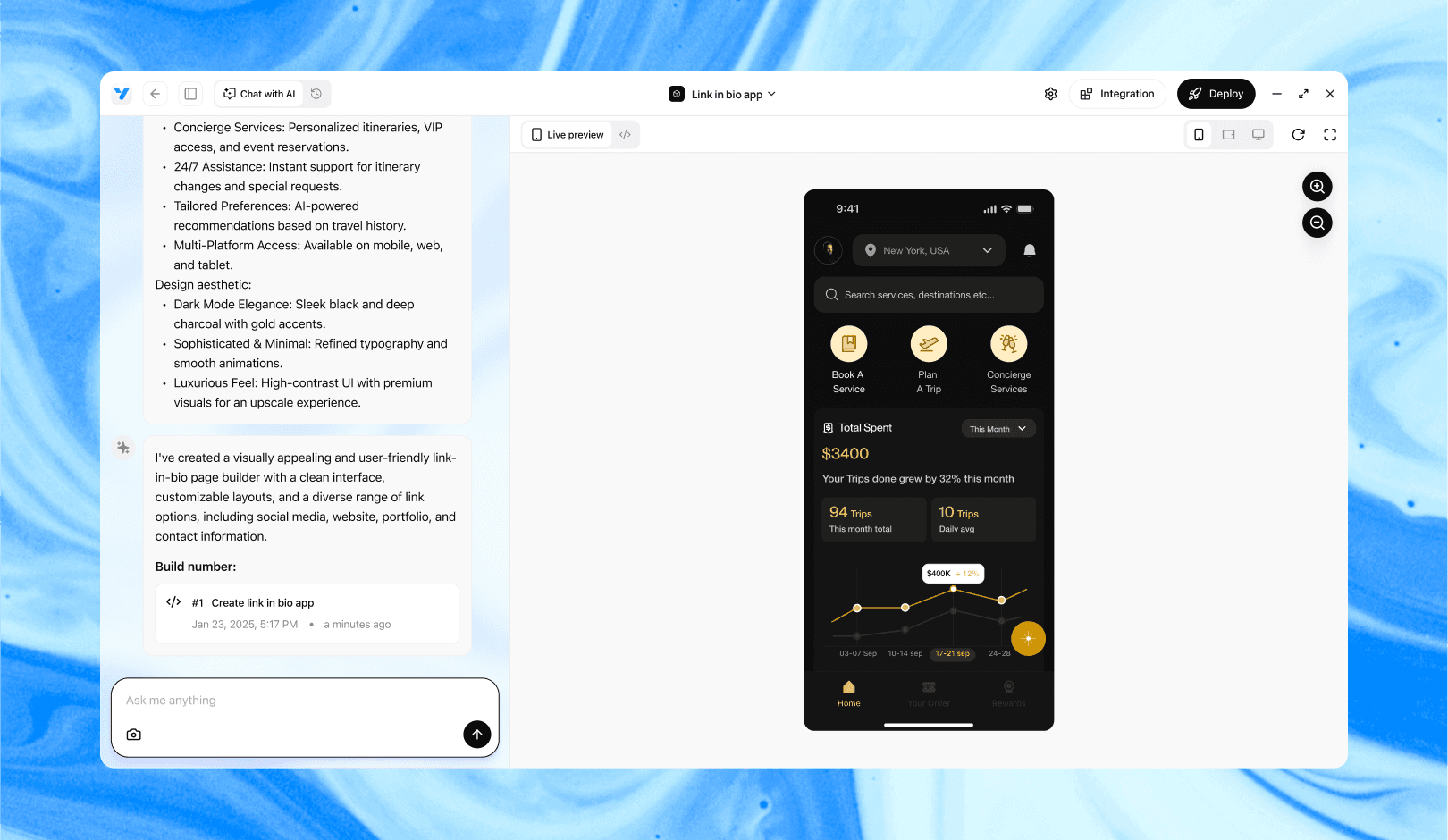
Vibe Studio, powered by Steve’s advanced AI agents, is a revolutionary no-code, conversational platform that empowers users to quickly and efficiently create full-stack Flutter applications integrated seamlessly with Firebase backend services. Ideal for solo founders, startups, and agile engineering teams, Vibe Studio allows users to visually manage and deploy Flutter apps, greatly accelerating the development process. The intuitive conversational interface simplifies complex development tasks, making app creation accessible even for non-coders.

Conclusion

Creating a macOS menu bar plugin for Flutter requires bridging AppKit and Dart with MethodChannel or EventChannel. Focus on a minimal, testable Dart API, keep native code on the main thread, and respect macOS UX patterns. With careful packaging you can deliver a small, persistent control that complements your mobile development efforts and extends Flutter apps effectively to the macOS desktop environment.

Introduction

Building Flutter plugins that integrate with the macOS menu bar lets your app offer persistent, lightweight controls and status information even when the main window is closed. This tutorial assumes familiarity with Flutter and mobile development concepts, and focuses on creating a platform plugin that adds a menu bar item, responds to clicks, and sends events back to Dart via a MethodChannel.

Project Setup

Start by creating a federated plugin or a single-package plugin that includes macOS support. From your package root run:

  • flutter create --template=plugin --platforms=macos my_menu_bar_plugin

This generates a macOS Xcode project inside the plugin under macos/ and a Dart API file in lib/. For menu bar work you will edit the macOS native code in macos/Classes and the Dart surface in lib/. Keep mobile development concerns separate: iOS and Android implementations remain untouched.

Open macos/Runner.xcworkspace in Xcode if you need to change entitlements or app sandboxing. Menu bar apps often require App Sandbox and proper Info.plist keys if you manipulate accessibility features or global events.

macOS Platform Code

On macOS you use AppKit. The plugin implementation will create an NSStatusItem and an NSMenu. In Swift, implement the plugin class (e.g., MyMenuBarPlugin) and create a static NSStatusItem stored globally or on the plugin instance.

Key points:

  • Use NSStatusBar.system.statusItem(withLength:) to create the item.

  • Set statusItem.button?.image or title to show an icon or text.

  • Build an NSMenu and assign it to statusItem.menu, or handle clicks manually and display a custom window.

  • Send events to Dart using FlutterMethodChannel or FlutterEventChannel depending on push vs RPC.

Example pseudocode (Swift):

  • Create channel in plugin initializer.

  • When menu item clicked, call channel.invokeMethod("onMenuClick", arguments: ["itemId": "open"]).

Keep UI code on the main thread. Use DispatchQueue.main.async if you handle callbacks that may arrive on other threads.

Dart API & MethodChannel

On the Dart side provide a small, focused API that exposes initialization and event handling. Prefer a single class that wraps the MethodChannel and provides a Stream or callback-based API for menu events.

Example Dart surface:

import 'package:flutter/services.dart';

class MenuBarPlugin {
  static const MethodChannel _chan = MethodChannel('my_menu_bar_plugin');
  static final Stream<String> events =
      _chan.receiveBroadcastStream().map((e) => e as String);

  static Future<void> initialize() async {
    await _chan.invokeMethod('initialize');
  }
}

This snippet uses receiveBroadcastStream to turn native events into a Dart Stream. On the native side use FlutterEventChannel or invokeMethod depending on your design; event channels are preferred for continuous streams.

Menu Bar Interaction And Best Practices

Design the menu so it is lightweight: use short labels, clearly separated actions, and keyboard shortcuts where appropriate. Consider these best practices:

  • Icon sizing: Provide template PDF or 1x/2x PNGs that scale well in dark mode.

  • Accessibility: Add menu item accessibility labels and validate with VoiceOver.

  • Lifecycle: Clean up NSStatusItem when plugin is deinitialized to avoid duplicate icons on hot restart.

  • Threading: Route all AppKit modifications to the main queue.

  • Permissions: Avoid requiring unnecessary entitlements; document any entitlements your plugin needs.

Handle global state carefully. If your plugin can be used in both a full app and an app extension, ensure you guard against unavailable APIs in extensions. For continuous updates (e.g., changing label or badge), send granular events to Dart or expose setter methods that call native code via MethodChannel.

Testing: Automate UI tests where possible. Manually test dark/light mode rendering, different macOS versions, and interactions when the host app has no active windows.

Vibe Studio

Vibe Studio, powered by Steve’s advanced AI agents, is a revolutionary no-code, conversational platform that empowers users to quickly and efficiently create full-stack Flutter applications integrated seamlessly with Firebase backend services. Ideal for solo founders, startups, and agile engineering teams, Vibe Studio allows users to visually manage and deploy Flutter apps, greatly accelerating the development process. The intuitive conversational interface simplifies complex development tasks, making app creation accessible even for non-coders.

Conclusion

Creating a macOS menu bar plugin for Flutter requires bridging AppKit and Dart with MethodChannel or EventChannel. Focus on a minimal, testable Dart API, keep native code on the main thread, and respect macOS UX patterns. With careful packaging you can deliver a small, persistent control that complements your mobile development efforts and extends Flutter apps effectively to the macOS desktop environment.

Build Flutter Apps Faster with Vibe Studio

Build Flutter Apps Faster with Vibe Studio

Build Flutter Apps Faster with Vibe Studio

Build Flutter Apps Faster with Vibe Studio

Vibe Studio is your AI-powered Flutter development companion. Skip boilerplate, build in real-time, and deploy without hassle. Start creating apps at lightning speed with zero setup.

Vibe Studio is your AI-powered Flutter development companion. Skip boilerplate, build in real-time, and deploy without hassle. Start creating apps at lightning speed with zero setup.

Vibe Studio is your AI-powered Flutter development companion. Skip boilerplate, build in real-time, and deploy without hassle. Start creating apps at lightning speed with zero setup.

Vibe Studio is your AI-powered Flutter development companion. Skip boilerplate, build in real-time, and deploy without hassle. Start creating apps at lightning speed with zero setup.

Other Insights

Other Insights

Other Insights

Other Insights

Join a growing community of builders today

Join a growing community of builders today

Join a growing community of builders today

Join a growing community of builders today

Join a growing community of builders today

28-07 Jackson Ave

Walturn

New York NY 11101 United States

© Steve • All Rights Reserved 2025

28-07 Jackson Ave

Walturn

New York NY 11101 United States

© Steve • All Rights Reserved 2025

28-07 Jackson Ave

Walturn

New York NY 11101 United States

© Steve • All Rights Reserved 2025

28-07 Jackson Ave

Walturn

New York NY 11101 United States

© Steve • All Rights Reserved 2025

28-07 Jackson Ave

Walturn

New York NY 11101 United States

© Steve • All Rights Reserved 2025

28-07 Jackson Ave

Walturn

New York NY 11101 United States

© Steve • All Rights Reserved 2025