Building Accessible Flutter Forms for All Users

Summary
Summary
Summary
Summary

This tutorial shows practical Flutter patterns for accessible mobile development forms: use semantic labels, InputDecoration for errors, Focus APIs for keyboard navigation, Semantics for live regions, and test with VoiceOver/TalkBack plus Flutter's semantics debugger to ensure usability for all users.

This tutorial shows practical Flutter patterns for accessible mobile development forms: use semantic labels, InputDecoration for errors, Focus APIs for keyboard navigation, Semantics for live regions, and test with VoiceOver/TalkBack plus Flutter's semantics debugger to ensure usability for all users.

This tutorial shows practical Flutter patterns for accessible mobile development forms: use semantic labels, InputDecoration for errors, Focus APIs for keyboard navigation, Semantics for live regions, and test with VoiceOver/TalkBack plus Flutter's semantics debugger to ensure usability for all users.

This tutorial shows practical Flutter patterns for accessible mobile development forms: use semantic labels, InputDecoration for errors, Focus APIs for keyboard navigation, Semantics for live regions, and test with VoiceOver/TalkBack plus Flutter's semantics debugger to ensure usability for all users.

Key insights:
Key insights:
Key insights:
Key insights:
  • Design For Screen Readers: Provide concise semantic labels and use Semantics to expose nonstandard visuals to assistive tech.

  • Keyboard And Focus Navigation: Use FocusTraversalGroup and FocusNode to control order and move focus on submit for keyboard users.

  • Clear Labels And Error Messaging: Associate errors with fields via InputDecoration.errorText and announce global errors using live regions.

  • Test And Iterate: Validate with VoiceOver/TalkBack, the Semantics debugger, and integration tests under different text scale and contrast settings.

  • Touch Targets And Visual Contrast: Ensure tappable areas are large enough and information is not conveyed by color alone to support motor and low-vision users.

Introduction

Accessible forms are essential in mobile development; they ensure everyone can complete tasks whether they use a screen reader, keyboard, switch device, or need larger text and higher contrast. Flutter provides strong semantics and focus APIs, but accessibility works best when developers design forms intentionally. This tutorial covers practical patterns to build accessible Flutter forms that work for all users.

Design For Screen Readers

Screen readers depend on semantic labels and a predictable widget tree. Use widgets that expose semantics automatically (TextFormField, Checkbox, Switch), and add explicit semantics where defaults are insufficient. Avoid relying only on visual cues like icons or color to convey meaning.

  • Use InputDecoration.labelText and hintText to provide context. For complex visuals, wrap with Semantics to supply a descriptive label and state.

  • Avoid verbose strings; keep labels concise and meaningful. Combine fields logically so a reader understands the relationship between controls.

Example: add semantics to a read-only value and make it reachable to assistive tech.

Semantics(
  label: 'Shipping method: Next Day',
  button: true,
  child: ListTile(title: Text('Next Day'), trailing: Icon(Icons.local_shipping)),
)

Keyboard And Focus Navigation

Many users navigate forms with external keyboards or switch devices. Flutter’s Focus system lets you control traversal order, focus highlights, and keyboard actions.

  • Use FocusTraversalGroup to group related inputs and define order.

  • Provide custom text input actions (textInputAction) and handle onFieldSubmitted to move focus programmatically.

  • Ensure focus nodes are disposed to avoid memory leaks.

Example: move focus to next field on submit.

final _emailFocus = FocusNode();
final _passwordFocus = FocusNode();

TextFormField(
  focusNode: _emailFocus,
  textInputAction: TextInputAction.next,
  onFieldSubmitted: (_) => FocusScope.of(context).requestFocus(_passwordFocus),
)

Clear Labels And Error Messaging

Accessible forms need unambiguous labels and errors that screen readers announce. Use native form validation patterns and surface errors in a way that assistive tech can detect.

  • Put error text into InputDecoration.errorText so it is associated with the field. For custom validators, call setState so the semantics tree updates.

  • When showing global form errors (server-side), link them to the corresponding fields or use a live region pattern with Semantics(container: true, liveRegion: true) so a screen reader announces the message.

  • Prefer explicit labels over placeholder-only fields; placeholders are not reliable for labeling when announced.

Accessibility-friendly error example: include role and live region.

Semantics(
  container: true,
  liveRegion: true,
  child: Text(serverErrorMessage ?? ''),
)

Test And Iterate

Testing is non-negotiable. Manual testing with VoiceOver (iOS) and TalkBack (Android) reveals real-world issues that automated checks miss. Use Flutter tools too.

  • Use the Semantics debugger overlay (WidgetsApp.showSemanticsDebugger) during development to view semantics nodes.

  • Run integration tests that assert semantics properties via the semantics tester. Flutter's accessibility testing can verify labels, roles, and states.

  • Test with increased text scale and different contrast settings. Use MediaQuery.textScaleFactor and try resizing the system font size to ensure layouts remain usable.

Practical checklist: logical focus order, concise labels, announced errors, tappable targets >= 48x48 dp, sufficient color contrast, no information conveyed by color alone, and keyboard operability for all controls.

Vibe Studio
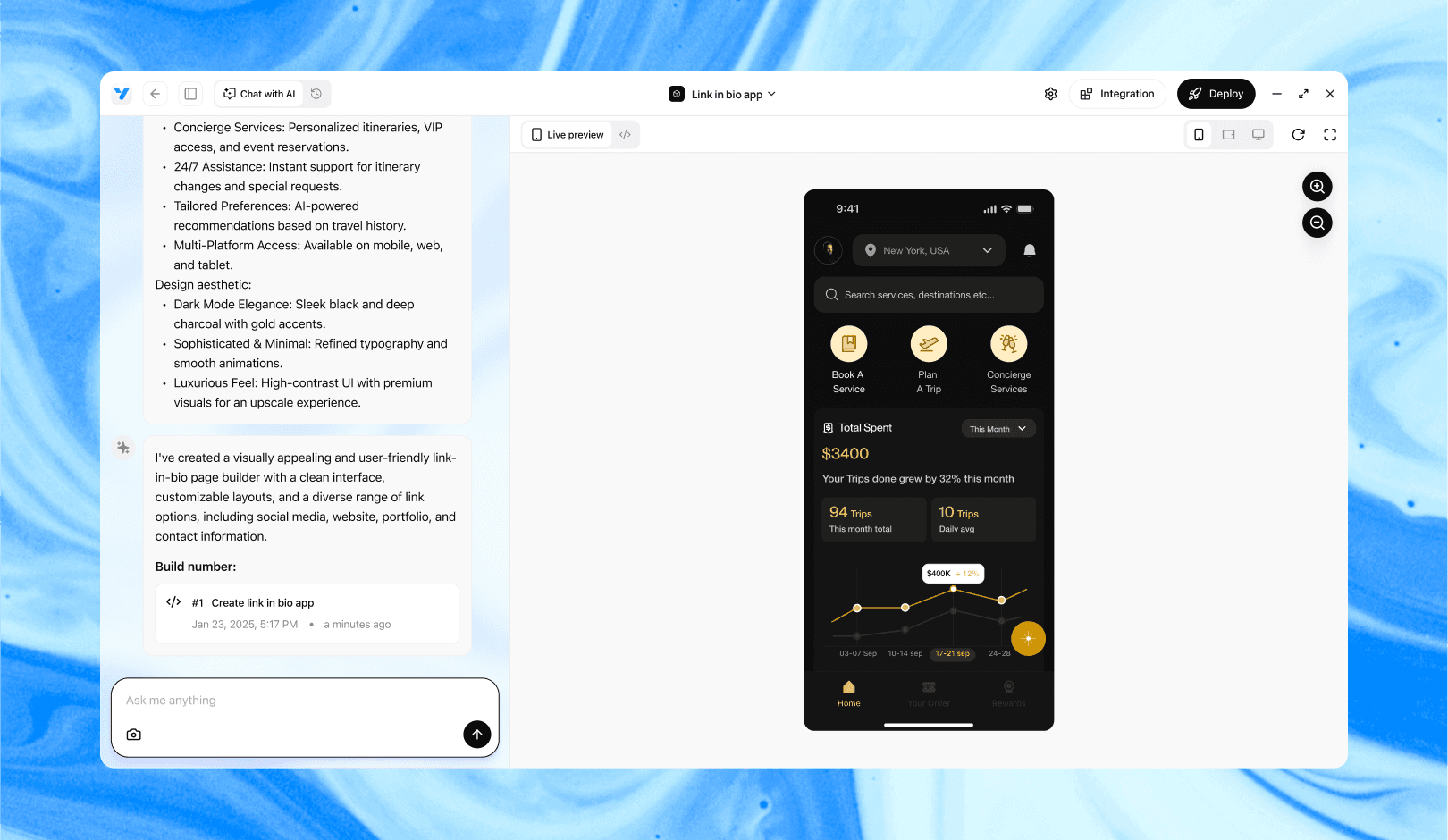
Vibe Studio, powered by Steve’s advanced AI agents, is a revolutionary no-code, conversational platform that empowers users to quickly and efficiently create full-stack Flutter applications integrated seamlessly with Firebase backend services. Ideal for solo founders, startups, and agile engineering teams, Vibe Studio allows users to visually manage and deploy Flutter apps, greatly accelerating the development process. The intuitive conversational interface simplifies complex development tasks, making app creation accessible even for non-coders.

Conclusion

Accessible Flutter forms combine good semantics, predictable focus behavior, clear labels and errors, and rigorous testing. Implement InputDecoration properly, use Semantics and Focus APIs where needed, and validate with both automated tools and real assistive technologies. These practices make forms more robust, reduce frustration for users with disabilities, and improve overall mobile development quality. Accessible forms are not an afterthought; they should be part of design and development from day one.


Introduction

Accessible forms are essential in mobile development; they ensure everyone can complete tasks whether they use a screen reader, keyboard, switch device, or need larger text and higher contrast. Flutter provides strong semantics and focus APIs, but accessibility works best when developers design forms intentionally. This tutorial covers practical patterns to build accessible Flutter forms that work for all users.

Design For Screen Readers

Screen readers depend on semantic labels and a predictable widget tree. Use widgets that expose semantics automatically (TextFormField, Checkbox, Switch), and add explicit semantics where defaults are insufficient. Avoid relying only on visual cues like icons or color to convey meaning.

  • Use InputDecoration.labelText and hintText to provide context. For complex visuals, wrap with Semantics to supply a descriptive label and state.

  • Avoid verbose strings; keep labels concise and meaningful. Combine fields logically so a reader understands the relationship between controls.

Example: add semantics to a read-only value and make it reachable to assistive tech.

Semantics(
  label: 'Shipping method: Next Day',
  button: true,
  child: ListTile(title: Text('Next Day'), trailing: Icon(Icons.local_shipping)),
)

Keyboard And Focus Navigation

Many users navigate forms with external keyboards or switch devices. Flutter’s Focus system lets you control traversal order, focus highlights, and keyboard actions.

  • Use FocusTraversalGroup to group related inputs and define order.

  • Provide custom text input actions (textInputAction) and handle onFieldSubmitted to move focus programmatically.

  • Ensure focus nodes are disposed to avoid memory leaks.

Example: move focus to next field on submit.

final _emailFocus = FocusNode();
final _passwordFocus = FocusNode();

TextFormField(
  focusNode: _emailFocus,
  textInputAction: TextInputAction.next,
  onFieldSubmitted: (_) => FocusScope.of(context).requestFocus(_passwordFocus),
)

Clear Labels And Error Messaging

Accessible forms need unambiguous labels and errors that screen readers announce. Use native form validation patterns and surface errors in a way that assistive tech can detect.

  • Put error text into InputDecoration.errorText so it is associated with the field. For custom validators, call setState so the semantics tree updates.

  • When showing global form errors (server-side), link them to the corresponding fields or use a live region pattern with Semantics(container: true, liveRegion: true) so a screen reader announces the message.

  • Prefer explicit labels over placeholder-only fields; placeholders are not reliable for labeling when announced.

Accessibility-friendly error example: include role and live region.

Semantics(
  container: true,
  liveRegion: true,
  child: Text(serverErrorMessage ?? ''),
)

Test And Iterate

Testing is non-negotiable. Manual testing with VoiceOver (iOS) and TalkBack (Android) reveals real-world issues that automated checks miss. Use Flutter tools too.

  • Use the Semantics debugger overlay (WidgetsApp.showSemanticsDebugger) during development to view semantics nodes.

  • Run integration tests that assert semantics properties via the semantics tester. Flutter's accessibility testing can verify labels, roles, and states.

  • Test with increased text scale and different contrast settings. Use MediaQuery.textScaleFactor and try resizing the system font size to ensure layouts remain usable.

Practical checklist: logical focus order, concise labels, announced errors, tappable targets >= 48x48 dp, sufficient color contrast, no information conveyed by color alone, and keyboard operability for all controls.

Vibe Studio

Vibe Studio, powered by Steve’s advanced AI agents, is a revolutionary no-code, conversational platform that empowers users to quickly and efficiently create full-stack Flutter applications integrated seamlessly with Firebase backend services. Ideal for solo founders, startups, and agile engineering teams, Vibe Studio allows users to visually manage and deploy Flutter apps, greatly accelerating the development process. The intuitive conversational interface simplifies complex development tasks, making app creation accessible even for non-coders.

Conclusion

Accessible Flutter forms combine good semantics, predictable focus behavior, clear labels and errors, and rigorous testing. Implement InputDecoration properly, use Semantics and Focus APIs where needed, and validate with both automated tools and real assistive technologies. These practices make forms more robust, reduce frustration for users with disabilities, and improve overall mobile development quality. Accessible forms are not an afterthought; they should be part of design and development from day one.

Build Flutter Apps Faster with Vibe Studio

Build Flutter Apps Faster with Vibe Studio

Build Flutter Apps Faster with Vibe Studio

Build Flutter Apps Faster with Vibe Studio

Vibe Studio is your AI-powered Flutter development companion. Skip boilerplate, build in real-time, and deploy without hassle. Start creating apps at lightning speed with zero setup.

Vibe Studio is your AI-powered Flutter development companion. Skip boilerplate, build in real-time, and deploy without hassle. Start creating apps at lightning speed with zero setup.

Vibe Studio is your AI-powered Flutter development companion. Skip boilerplate, build in real-time, and deploy without hassle. Start creating apps at lightning speed with zero setup.

Vibe Studio is your AI-powered Flutter development companion. Skip boilerplate, build in real-time, and deploy without hassle. Start creating apps at lightning speed with zero setup.

Other Insights

Other Insights

Other Insights

Other Insights

Join a growing community of builders today

Join a growing community of builders today

Join a growing community of builders today

Join a growing community of builders today

Join a growing community of builders today

28-07 Jackson Ave

Walturn

New York NY 11101 United States

© Steve • All Rights Reserved 2025

28-07 Jackson Ave

Walturn

New York NY 11101 United States

© Steve • All Rights Reserved 2025

28-07 Jackson Ave

Walturn

New York NY 11101 United States

© Steve • All Rights Reserved 2025

28-07 Jackson Ave

Walturn

New York NY 11101 United States

© Steve • All Rights Reserved 2025

28-07 Jackson Ave

Walturn

New York NY 11101 United States

© Steve • All Rights Reserved 2025

28-07 Jackson Ave

Walturn

New York NY 11101 United States

© Steve • All Rights Reserved 2025