Building A Reusable Form Validation System In Flutter
Jan 20, 2026


Summary
Summary
Summary
Summary
This tutorial explains how to build a reusable form validation system in Flutter: define a simple Validator<T> typedef, compose validators, keep messages configurable, and integrate with TextFormField or state-managed forms. Benefits include single-source rules, easy unit testing, and cleaner UI code. Avoid heavy synchronous work in validators and favor an async submit pass when needed.
Key insights:
Key insights:
Key insights:
Key insights:
Why Reusable Validation: Centralizing rules avoids duplication and ensures consistent UX across screens.
Designing The Validator API: Use a simple Validator typedef and a combine helper to compose rules cleanly.
Integrating With Flutter Forms: Plug composed validators into TextFormField.validator or your state model for unified behavior.
Testing And Extending: Pure function validators are easy to unit test; parameterize messages and provide higher-order validators.
Best Practices: Keep validators lightweight, localize messages, and perform expensive checks asynchronously during submit.
Introduction
Form validation is a ubiquitous concern in mobile development. In Flutter, validation is often implemented ad-hoc inside widgets, which leads to duplicated logic, inconsistent UX, and brittle tests. This tutorial shows how to design a reusable, testable validation system that separates rules from UI, composes validators, and plugs cleanly into Flutter forms and state management. You will get a small API, sample validators, and integration patterns suitable for apps of any size.
Why Reusable Validation
Reusable validation centralizes business rules so they are consistent across screens and easy to test. Benefits include:
Single source of truth for rules like email formats, password strength, and required fields.
Composition: combine simple validators into complex constraints without rewriting code.
Easy unit tests for validation logic independent of widgets.
The goal is to create a small, expressive API: validators return either null (valid) or an error string, and can be composed.
Designing The Validator API
Start with a typedef for a field validator. Keep it simple and null-friendly to match Flutter's FormField validator pattern.
typedef Validator<T> = String? Function(T value); String? requiredField(String? value) => (value == null || value.isEmpty) ? 'Required' : null;
Compose validators with a helper that runs multiple rules and returns the first non-null error. Composition keeps each rule focused and reusable.
Validator<T> combine<T>(List<Validator<T>> validators) { return (T value) { for (final v in validators) { final res = v(value); if (res != null) return res; } return null; }; }
Add common validators: email format, min length, regex checks. Keep messages configurable through parameters so UI copy can be localized.
Integrating With Flutter Forms
You can integrate the reusable validators directly with TextFormField.validator or with controller-backed validation using ValueNotifier/ChangeNotifier.
Example of using composed validators with TextFormField:
Build validators in your form widget or in a separate factory class.
Assign the composed validator to the TextFormField.validator property.
This approach keeps the widget tree thin and delegates rules to a dedicated module.
For state-managed forms (Provider, Riverpod, Bloc), validate on-change or on-submit. Use the same validator functions to compute field-level errors and expose them through your state. A typical pattern:
Validate on each change and set an error string on the model.
On submit, re-run validators; if any error exists, prevent submission and focus the first invalid field.
Example integration snippet (pseudo): create validators in a form model and call them from your submit handler. Because validators are plain functions, they are trivially testable.
Testing And Extending
Testing is where reusable validators shine. Write unit tests that call each validator with representative inputs: valid, invalid, edge cases. Because validators are pure (no UI), tests are fast and clear.
Extendability tips:
Parameterize error messages to allow localization. Provide default messages but accept overrides.
Create higher-order validators: e.g., confirmPasswordValidator(basePassword) that captures the other field.
Use typed validators for non-string fields (DateTime, int) by reusing the same typedef with generics.
Performance: validators are lightweight. Avoid heavy synchronous work (like database lookups) inside validators; instead validate asynchronously during submit using a separate async validation pass.
Vibe Studio
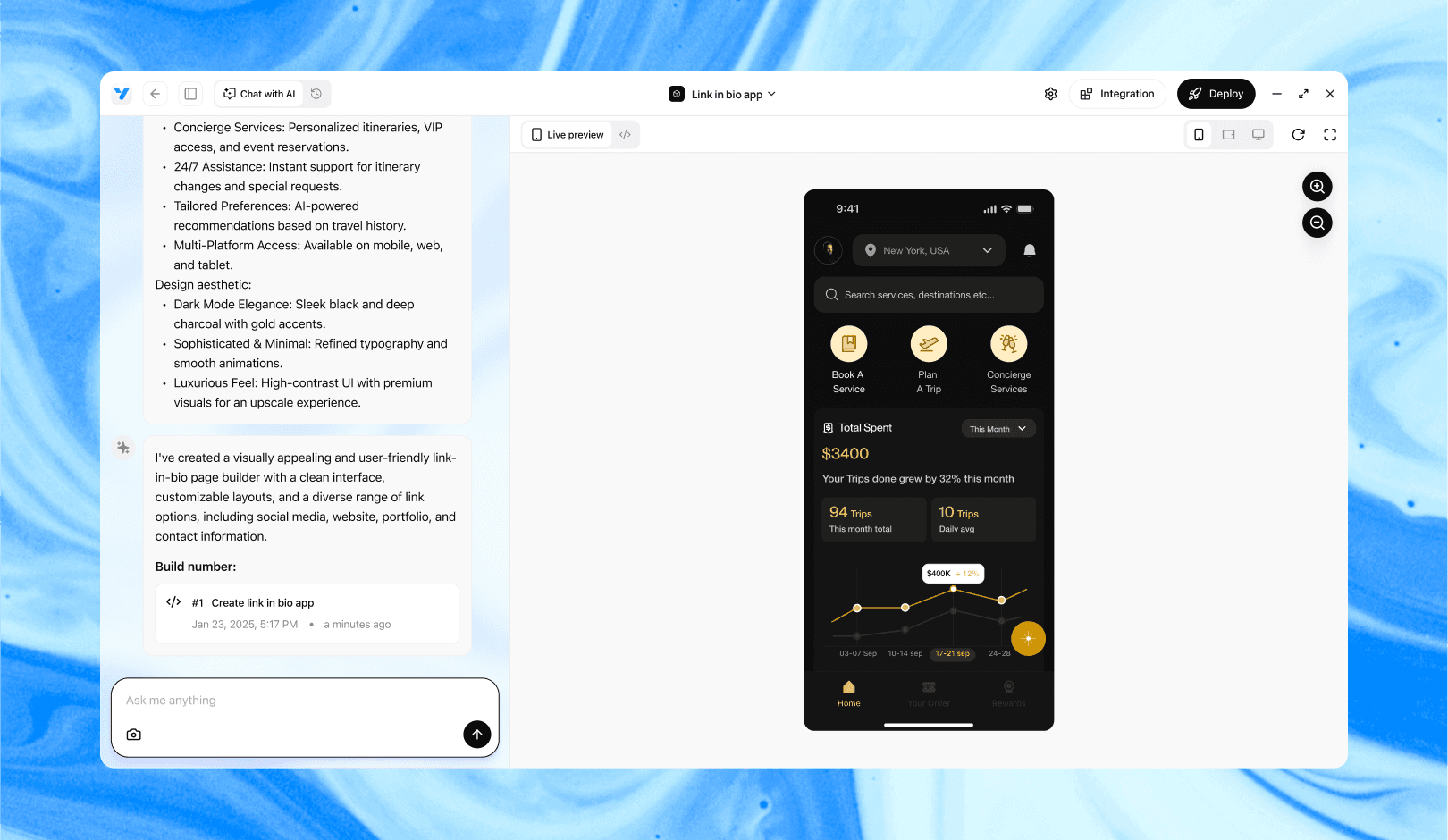
Vibe Studio, powered by Steve’s advanced AI agents, is a revolutionary no-code, conversational platform that empowers users to quickly and efficiently create full-stack Flutter applications integrated seamlessly with Firebase backend services. Ideal for solo founders, startups, and agile engineering teams, Vibe Studio allows users to visually manage and deploy Flutter apps, greatly accelerating the development process. The intuitive conversational interface simplifies complex development tasks, making app creation accessible even for non-coders.
Conclusion
A small, well-defined validator API improves consistency, testability, and developer productivity in Flutter mobile development. Key practices: use a simple typedef, compose validators, separate rules from widgets, and integrate validation results into your state management. With these patterns you can scale validation across an app without duplicating logic or mixing UI concerns with business rules.

Introduction
Form validation is a ubiquitous concern in mobile development. In Flutter, validation is often implemented ad-hoc inside widgets, which leads to duplicated logic, inconsistent UX, and brittle tests. This tutorial shows how to design a reusable, testable validation system that separates rules from UI, composes validators, and plugs cleanly into Flutter forms and state management. You will get a small API, sample validators, and integration patterns suitable for apps of any size.
Why Reusable Validation
Reusable validation centralizes business rules so they are consistent across screens and easy to test. Benefits include:
Single source of truth for rules like email formats, password strength, and required fields.
Composition: combine simple validators into complex constraints without rewriting code.
Easy unit tests for validation logic independent of widgets.
The goal is to create a small, expressive API: validators return either null (valid) or an error string, and can be composed.
Designing The Validator API
Start with a typedef for a field validator. Keep it simple and null-friendly to match Flutter's FormField validator pattern.
typedef Validator<T> = String? Function(T value); String? requiredField(String? value) => (value == null || value.isEmpty) ? 'Required' : null;
Compose validators with a helper that runs multiple rules and returns the first non-null error. Composition keeps each rule focused and reusable.
Validator<T> combine<T>(List<Validator<T>> validators) { return (T value) { for (final v in validators) { final res = v(value); if (res != null) return res; } return null; }; }
Add common validators: email format, min length, regex checks. Keep messages configurable through parameters so UI copy can be localized.
Integrating With Flutter Forms
You can integrate the reusable validators directly with TextFormField.validator or with controller-backed validation using ValueNotifier/ChangeNotifier.
Example of using composed validators with TextFormField:
Build validators in your form widget or in a separate factory class.
Assign the composed validator to the TextFormField.validator property.
This approach keeps the widget tree thin and delegates rules to a dedicated module.
For state-managed forms (Provider, Riverpod, Bloc), validate on-change or on-submit. Use the same validator functions to compute field-level errors and expose them through your state. A typical pattern:
Validate on each change and set an error string on the model.
On submit, re-run validators; if any error exists, prevent submission and focus the first invalid field.
Example integration snippet (pseudo): create validators in a form model and call them from your submit handler. Because validators are plain functions, they are trivially testable.
Testing And Extending
Testing is where reusable validators shine. Write unit tests that call each validator with representative inputs: valid, invalid, edge cases. Because validators are pure (no UI), tests are fast and clear.
Extendability tips:
Parameterize error messages to allow localization. Provide default messages but accept overrides.
Create higher-order validators: e.g., confirmPasswordValidator(basePassword) that captures the other field.
Use typed validators for non-string fields (DateTime, int) by reusing the same typedef with generics.
Performance: validators are lightweight. Avoid heavy synchronous work (like database lookups) inside validators; instead validate asynchronously during submit using a separate async validation pass.
Vibe Studio

Vibe Studio, powered by Steve’s advanced AI agents, is a revolutionary no-code, conversational platform that empowers users to quickly and efficiently create full-stack Flutter applications integrated seamlessly with Firebase backend services. Ideal for solo founders, startups, and agile engineering teams, Vibe Studio allows users to visually manage and deploy Flutter apps, greatly accelerating the development process. The intuitive conversational interface simplifies complex development tasks, making app creation accessible even for non-coders.
Conclusion
A small, well-defined validator API improves consistency, testability, and developer productivity in Flutter mobile development. Key practices: use a simple typedef, compose validators, separate rules from widgets, and integrate validation results into your state management. With these patterns you can scale validation across an app without duplicating logic or mixing UI concerns with business rules.
Build Flutter Apps Faster with Vibe Studio
Vibe Studio is your AI-powered Flutter development companion. Skip boilerplate, build in real-time, and deploy without hassle. Start creating apps at lightning speed with zero setup.
Other Insights