Building A Resilient Authentication Flow With Offline Support
Summary
Summary

This tutorial outlines a pragmatic Flutter approach to resilient authentication: centralize auth state, securely store tokens, enable time-limited offline logins via password verifiers, queue offline requests, and perform refresh on reconnection. Emphasize secure storage, short-lived tokens, biometric convenience, and server-side revocation to keep mobile apps usable and safe.

This tutorial outlines a pragmatic Flutter approach to resilient authentication: centralize auth state, securely store tokens, enable time-limited offline logins via password verifiers, queue offline requests, and perform refresh on reconnection. Emphasize secure storage, short-lived tokens, biometric convenience, and server-side revocation to keep mobile apps usable and safe.

Key insights:
Key insights:
  • Authentication State Management: Centralize auth state with a single repository that emits clear transitions for online/offline and refresh flows.

  • Caching And Token Refresh: Store tokens in secure storage, cache minimal profile data locally, and attempt background refresh when connectivity resumes.

  • Offline Login Strategy: Allow offline sign-in only for previously authenticated devices using a hashed verifier and a limited offline window.

  • Security Considerations: Favor minimal stored data, secure storage, short-lived tokens, and server-side revocation to balance UX and safety.

  • Overall: Combine state management, secure persistence, queued requests, and connectivity-aware refresh to build dependable Flutter authentication.

Introduction

Building a resilient authentication flow with offline support is essential for robust flutter mobile development. Mobile networks are unreliable; users expect apps to remain useful when connectivity drops. This guide shows a pragmatic architecture: local state management, secure caching of credentials and tokens, a coherent refresh strategy, request queuing, and security trade-offs so you can ship dependable authentication quickly.

Authentication State Management

Keep a single source of truth for authentication state — an AuthRepository backed by a ChangeNotifier, BLoC, or Riverpod provider. The repository exposes synchronous getters for current user, token, and network-aware status, and async methods to signIn, signOut, refreshToken, and tryOfflineSignIn.

Design notes:

  • Normalize state transitions: unauthenticated, authenticating, authenticated, refreshing, offline-authenticated.

  • Emit events on state changes so UI can react immediately (show offline badges, disable sensitive flows).

  • Inject connectivity status (connectivity_plus) to gate network calls and trigger background refresh when online.

Example API shape (pseudo): signIn(email, password), signOut(), getAccessToken(), isAuthenticated, tryOfflineSignIn(password).

Caching And Token Refresh

Store minimal material needed for offline operation. For flutter, combine secure storage and a small local DB:

  • Store access and refresh tokens in flutter_secure_storage.

  • Persist a cached user profile in a local DB (Hive/Sembast) to display offline UI.

  • Keep a hashed, salted verifier for offline password validation (never store plaintext passwords).

Token lifecycle:

  • On each app start, read tokens from secure storage and validate expiry locally (compare Unix timestamps).

  • If the access token is expired and a refresh token exists, attempt refresh with the server. If offline, set state to offline-authenticated if the refresh window is still acceptable.

  • Use a background refresh strategy: when connectivity returns, immediately attempt to use the refresh token. If refresh fails due to invalid token, fall back to unauthenticated state and prompt re-login.

Code example: saving and retrieving tokens with secure storage.

import 'package:flutter_secure_storage/flutter_secure_storage.dart';
final storage = FlutterSecureStorage();
Future<void> saveTokens(String access, String refresh) async {
  await storage.write(key: 'access', value: access);
  await storage.write(key: 'refresh', value: refresh);
}
Future<String?> loadAccess() => storage.read(key: 'access');

Offline Login Strategy

Enable an offline login flow for returning users with these constraints:

  • Only allow offline login if the user previously logged in successfully on the device.

  • Store a secure verifier derived from the user's password (use PBKDF2 / Argon2) and compare locally when the user attempts offline sign-in.

  • Limit offline login window to a configurable expiration (e.g., 7–30 days) to reduce risk.

  • Use biometric unlock as an alternative to retyping passwords when allowed.

Queueing requests:

  • When offline, allow the app to queue non-sensitive requests (form submissions, local changes) and persist them to local DB.

  • On reconnection, execute the queued requests in order, attaching a fresh access token obtained from refresh flow.

  • Handle server conflicts by surfacing simple merge UIs or last-write-wins policies as appropriate to your domain.

Example: verify a password-derived verifier for offline sign-in.

import 'package:crypto/crypto.dart';
String deriveVerifier(String password, String salt) {
  final bytes = utf8.encode('$password:$salt');
  return sha256.convert(bytes).toString();
}

Security Considerations

Offline capability increases attack surface. Mitigate risk with these practices:

  • Minimize stored data: cache only necessary user info and tokens.

  • Use flutter_secure_storage for tokens and platform-biometric APIs for convenience logins.

  • Apply short-lived access tokens and refresh tokens with server-side revocation support.

  • Limit offline window and add a server-enforced policy to revoke refresh tokens on suspicious activity.

  • Use TLS everywhere and consider certificate pinning for highly sensitive apps.

  • Log and monitor signin attempts and refresh failures on the server to detect anomalies.

Trade-offs:

  • Usability vs security: longer offline windows improve UX but increase risk. Pick defaults aligned with your threat model.

  • Complexity vs reliability: request queuing and conflict resolution add code paths; prefer simple, testable strategies first.

Vibe Studio
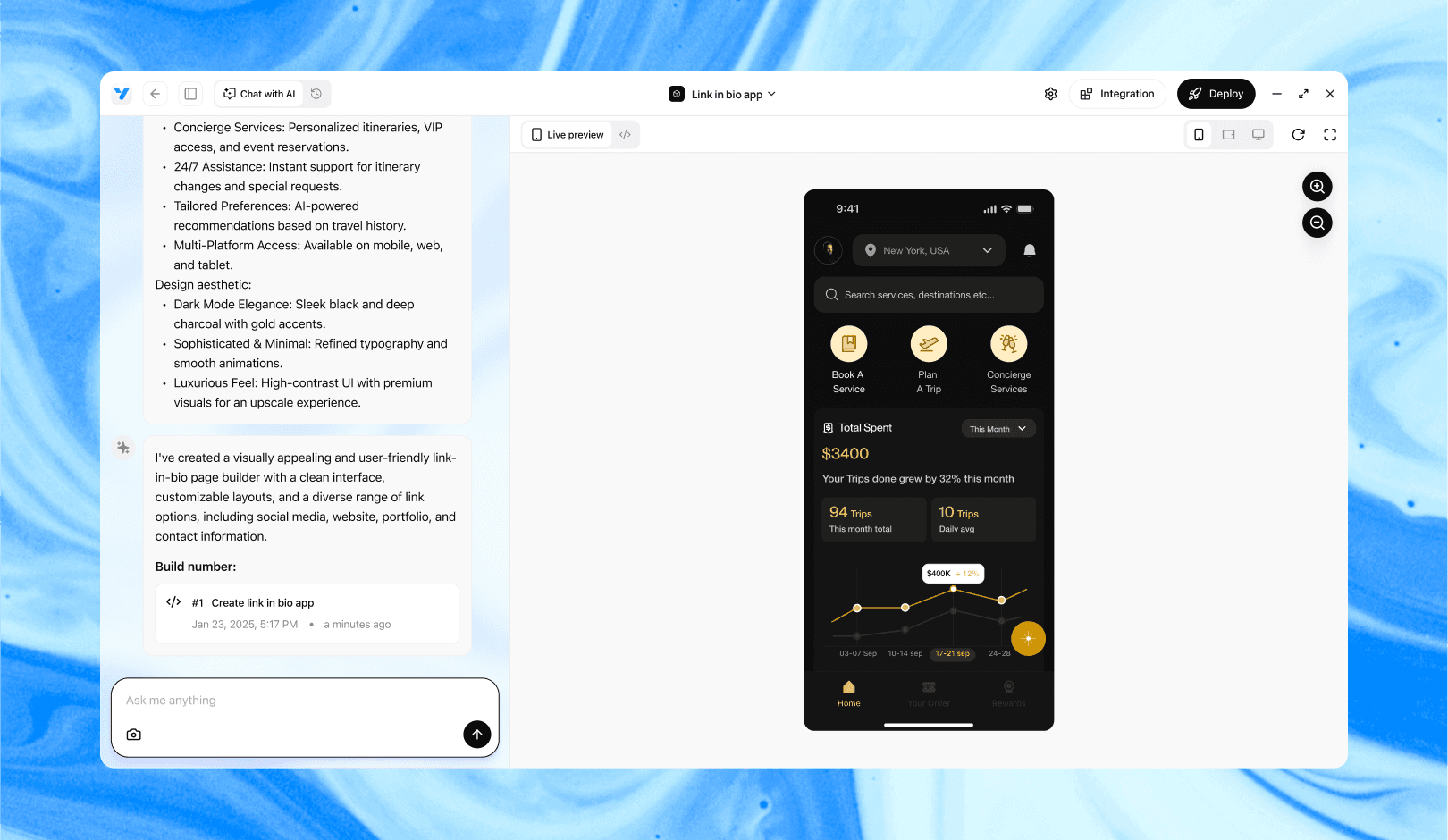
Vibe Studio, powered by Steve’s advanced AI agents, is a revolutionary no-code, conversational platform that empowers users to quickly and efficiently create full-stack Flutter applications integrated seamlessly with Firebase backend services. Ideal for solo founders, startups, and agile engineering teams, Vibe Studio allows users to visually manage and deploy Flutter apps, greatly accelerating the development process. The intuitive conversational interface simplifies complex development tasks, making app creation accessible even for non-coders.

Conclusion

A resilient flutter authentication flow balances UX and safety: centralize auth state, persist tokens securely, enable constrained offline sign-in, queue offline actions, and proactively refresh tokens when online. Implement clear state transitions and defensive behaviors so the UI remains responsive whether the device is online or offline. Start small — secure token storage and a local verifier — then add queuing and automated refresh with telemetry to refine behavior based on real usage in mobile development environments.

Introduction

Building a resilient authentication flow with offline support is essential for robust flutter mobile development. Mobile networks are unreliable; users expect apps to remain useful when connectivity drops. This guide shows a pragmatic architecture: local state management, secure caching of credentials and tokens, a coherent refresh strategy, request queuing, and security trade-offs so you can ship dependable authentication quickly.

Authentication State Management

Keep a single source of truth for authentication state — an AuthRepository backed by a ChangeNotifier, BLoC, or Riverpod provider. The repository exposes synchronous getters for current user, token, and network-aware status, and async methods to signIn, signOut, refreshToken, and tryOfflineSignIn.

Design notes:

  • Normalize state transitions: unauthenticated, authenticating, authenticated, refreshing, offline-authenticated.

  • Emit events on state changes so UI can react immediately (show offline badges, disable sensitive flows).

  • Inject connectivity status (connectivity_plus) to gate network calls and trigger background refresh when online.

Example API shape (pseudo): signIn(email, password), signOut(), getAccessToken(), isAuthenticated, tryOfflineSignIn(password).

Caching And Token Refresh

Store minimal material needed for offline operation. For flutter, combine secure storage and a small local DB:

  • Store access and refresh tokens in flutter_secure_storage.

  • Persist a cached user profile in a local DB (Hive/Sembast) to display offline UI.

  • Keep a hashed, salted verifier for offline password validation (never store plaintext passwords).

Token lifecycle:

  • On each app start, read tokens from secure storage and validate expiry locally (compare Unix timestamps).

  • If the access token is expired and a refresh token exists, attempt refresh with the server. If offline, set state to offline-authenticated if the refresh window is still acceptable.

  • Use a background refresh strategy: when connectivity returns, immediately attempt to use the refresh token. If refresh fails due to invalid token, fall back to unauthenticated state and prompt re-login.

Code example: saving and retrieving tokens with secure storage.

import 'package:flutter_secure_storage/flutter_secure_storage.dart';
final storage = FlutterSecureStorage();
Future<void> saveTokens(String access, String refresh) async {
  await storage.write(key: 'access', value: access);
  await storage.write(key: 'refresh', value: refresh);
}
Future<String?> loadAccess() => storage.read(key: 'access');

Offline Login Strategy

Enable an offline login flow for returning users with these constraints:

  • Only allow offline login if the user previously logged in successfully on the device.

  • Store a secure verifier derived from the user's password (use PBKDF2 / Argon2) and compare locally when the user attempts offline sign-in.

  • Limit offline login window to a configurable expiration (e.g., 7–30 days) to reduce risk.

  • Use biometric unlock as an alternative to retyping passwords when allowed.

Queueing requests:

  • When offline, allow the app to queue non-sensitive requests (form submissions, local changes) and persist them to local DB.

  • On reconnection, execute the queued requests in order, attaching a fresh access token obtained from refresh flow.

  • Handle server conflicts by surfacing simple merge UIs or last-write-wins policies as appropriate to your domain.

Example: verify a password-derived verifier for offline sign-in.

import 'package:crypto/crypto.dart';
String deriveVerifier(String password, String salt) {
  final bytes = utf8.encode('$password:$salt');
  return sha256.convert(bytes).toString();
}

Security Considerations

Offline capability increases attack surface. Mitigate risk with these practices:

  • Minimize stored data: cache only necessary user info and tokens.

  • Use flutter_secure_storage for tokens and platform-biometric APIs for convenience logins.

  • Apply short-lived access tokens and refresh tokens with server-side revocation support.

  • Limit offline window and add a server-enforced policy to revoke refresh tokens on suspicious activity.

  • Use TLS everywhere and consider certificate pinning for highly sensitive apps.

  • Log and monitor signin attempts and refresh failures on the server to detect anomalies.

Trade-offs:

  • Usability vs security: longer offline windows improve UX but increase risk. Pick defaults aligned with your threat model.

  • Complexity vs reliability: request queuing and conflict resolution add code paths; prefer simple, testable strategies first.

Vibe Studio

Vibe Studio, powered by Steve’s advanced AI agents, is a revolutionary no-code, conversational platform that empowers users to quickly and efficiently create full-stack Flutter applications integrated seamlessly with Firebase backend services. Ideal for solo founders, startups, and agile engineering teams, Vibe Studio allows users to visually manage and deploy Flutter apps, greatly accelerating the development process. The intuitive conversational interface simplifies complex development tasks, making app creation accessible even for non-coders.

Conclusion

A resilient flutter authentication flow balances UX and safety: centralize auth state, persist tokens securely, enable constrained offline sign-in, queue offline actions, and proactively refresh tokens when online. Implement clear state transitions and defensive behaviors so the UI remains responsive whether the device is online or offline. Start small — secure token storage and a local verifier — then add queuing and automated refresh with telemetry to refine behavior based on real usage in mobile development environments.

Build Flutter Apps Faster with Vibe Studio

Vibe Studio is your AI-powered Flutter development companion. Skip boilerplate, build in real-time, and deploy without hassle. Start creating apps at lightning speed with zero setup.

Other Insights

Join a growing community of builders today

Join a growing community of builders today

Join a growing community of builders today

Join a growing community of builders today

Join a growing community of builders today

28-07 Jackson Ave

Walturn

New York NY 11101 United States

© Steve • All Rights Reserved 2025

28-07 Jackson Ave

Walturn

New York NY 11101 United States

© Steve • All Rights Reserved 2025

28-07 Jackson Ave

Walturn

New York NY 11101 United States

© Steve • All Rights Reserved 2025

28-07 Jackson Ave

Walturn

New York NY 11101 United States

© Steve • All Rights Reserved 2025

28-07 Jackson Ave

Walturn

New York NY 11101 United States

© Steve • All Rights Reserved 2025

28-07 Jackson Ave

Walturn

New York NY 11101 United States

© Steve • All Rights Reserved 2025