Building A Notification Inbox UI With Grouping And Actions
Summary
Summary

This tutorial shows how to build a Flutter notification inbox with grouping and actions. It covers model design, grouping and sorting strategies, UI patterns for expandable groups, swipe and popup actions, and state-management tips for performance and accessibility.

This tutorial shows how to build a Flutter notification inbox with grouping and actions. It covers model design, grouping and sorting strategies, UI patterns for expandable groups, swipe and popup actions, and state-management tips for performance and accessibility.

Key insights:
Key insights:
  • Designing The Data Model: Use a compact NotificationItem with a groupKey, createdAt, and mutable read state to keep grouping and sorting simple.

  • Grouping And Sorting Strategies: Group by groupKey and sort by createdAt; compute time buckets at render time to produce sections like Today/Yesterday.

  • Building The UI With Actions: Render groups with ExpansionTile or custom headers and provide swipe (Dismissible/Slidable) and popup menu actions for item-level commands.

  • State Management And Performance: Compute grouped view models outside widgets, use ChangeNotifier/ValueNotifier, memoize results, and avoid full-list rebuilds on single-item changes.

  • Accessibility And UX Details: Make unread counts and actions discoverable, add haptics for destructive actions, and provide semantics labels for screen readers.

Introduction

Notifications are a core interaction pattern in mobile development. An inbox-style notification UI helps users scan, group, and act on items quickly. This tutorial walks through building a Flutter notification inbox with grouping and per-notification actions (archive, mark read, reply). We'll focus on a small, practical architecture, model design, grouping strategies, efficient list rendering, and actionable UI patterns.

Designing The Data Model

Start with a compact model that captures grouping keys, read state, and payload metadata. Keep models serializable for persistence and syncing.

Example minimal model:

class NotificationItem {
  final String id;
  final String groupKey; // conversation id or source
  final String title;
  final String body;
  bool read;
  final DateTime createdAt;

  NotificationItem({required this.id, required this.groupKey, required this.title, required this.body, this.read = false, required this.createdAt});
}

Key points:

  • groupKey expresses grouping (thread, app, topic).

  • createdAt supports sorting and sections (Today, Yesterday).

  • Keep actions external to the model (commands on a repository or provider).

Grouping And Sorting Strategies

Grouping is often done in two dimensions: by source/thread (groupKey) and by time buckets. A robust strategy:

  • Primary grouping by groupKey (collapses notifications from the same conversation).

  • Within each group, sort descending by createdAt.

  • For list sections, compute time buckets (Today, Yesterday, Older) at render time to avoid frequent model changes.

Compute a grouped structure in a repository or provider to keep widgets simple. Example approach:

  • Fetch a flat List.

  • Build Map> by groupKey.

  • Convert to a sorted list of GroupViewModels with metadata (unreadCount, latestItem).

This separates concerns: view logic reads precomputed groups, widget only renders them.

Building The UI With Actions

Use a performant scrollable like ListView.builder for groups, then nested lists or ExpansionTile for group contents. For per-item actions, choose one or both of:

  • Swipe actions (using flutter_slidable or Dismissible) for quick archive/delete.

  • Overflow menus or inline buttons for reply, mark read.

Example rendering pattern (pseudo-widget): render GroupHeader with unread badge and latest summary; tap header to expand the group's messages; render each message row with a leading avatar, title, subtitle, and trailing actions.

Code snippet showing rendering an expandable group with actions:

ExpansionTile(
  key: ValueKey(group.id),
  title: Text(group.title),
  subtitle: Text('${group.unreadCount} unread'),
  children: group.items.map((item) => ListTile(
    title: Text(item.title),
    subtitle: Text(item.body),
    trailing: PopupMenuButton<String>(
      onSelected: (action) => handleAction(item, action),
      itemBuilder: (_) => [PopupMenuItem(value: 'archive', child: Text('Archive')), PopupMenuItem(value: 'mark', child: Text('Mark Read'))],
    ),
  )).toList(),
)

When implementing actions:

  • Apply optimistic UI updates for snappy feedback (update local state, then call backend). Revert on failure.

  • Batch operations where possible (mark whole group read) to reduce churn.

State Management And Performance

For mobile development, smooth scrolling and low jank are crucial. Recommendations:

  • Use ValueNotifier, ChangeNotifier, or Riverpod/Provider to expose grouped view models. Only notify when groups change.

  • Memoize grouped results and only recompute when the flat list changes.

  • Use const widgets, keys for stable children, and avoid rebuilding the entire list on single-item updates.

  • Consider virtualization: ListView.builder with itemCount equals number of groups; expanded content should be lazily loaded or limited to a small preview.

Batch updates and debounce server sync to avoid frequent writes when user toggles many items quickly. Use background isolates or platform channels only if heavy processing is required.

Accessibility And UX Details

Make actions discoverable: swipe affordances, long press to open actions, and clear unread indications. Provide haptic feedback for archive/delete, and confirm destructive actions as optional. Use accessible semantics labels for screen readers: announce unread counts and group collapse/expand states.

Vibe Studio
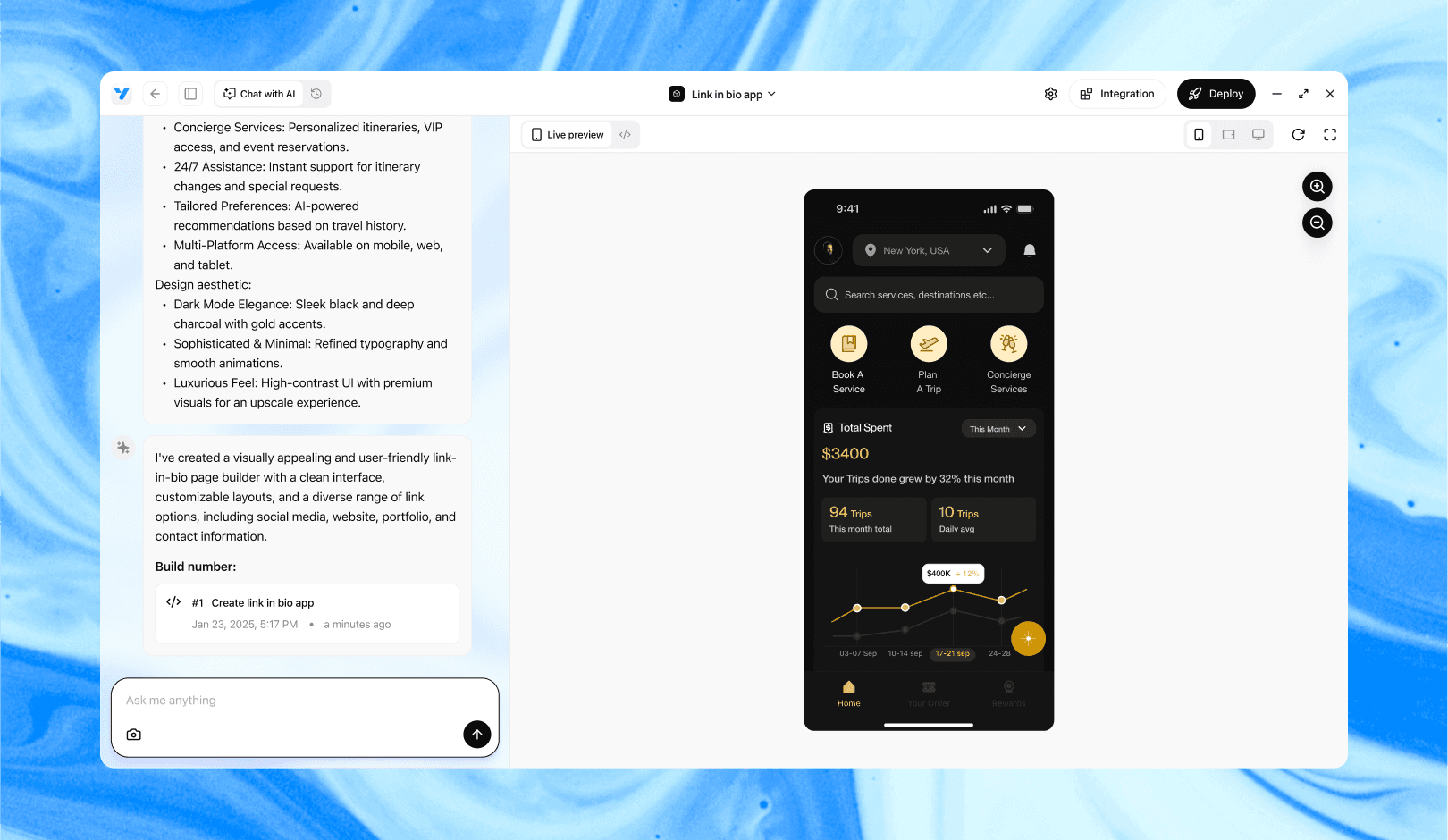
Vibe Studio, powered by Steve’s advanced AI agents, is a revolutionary no-code, conversational platform that empowers users to quickly and efficiently create full-stack Flutter applications integrated seamlessly with Firebase backend services. Ideal for solo founders, startups, and agile engineering teams, Vibe Studio allows users to visually manage and deploy Flutter apps, greatly accelerating the development process. The intuitive conversational interface simplifies complex development tasks, making app creation accessible even for non-coders.

Conclusion

A well-structured notification inbox in Flutter depends on a clean model, an efficient grouping strategy, and concise, actionable UI patterns. Keep grouping logic out of widgets, optimize updates, and provide fast, optimistic action handling. The patterns shown—group-by-key, time buckets, ExpansionTile/ListTile patterns, and popup or swipe actions—scale to many real-world inbox designs while staying performant on mobile devices.


Introduction

Notifications are a core interaction pattern in mobile development. An inbox-style notification UI helps users scan, group, and act on items quickly. This tutorial walks through building a Flutter notification inbox with grouping and per-notification actions (archive, mark read, reply). We'll focus on a small, practical architecture, model design, grouping strategies, efficient list rendering, and actionable UI patterns.

Designing The Data Model

Start with a compact model that captures grouping keys, read state, and payload metadata. Keep models serializable for persistence and syncing.

Example minimal model:

class NotificationItem {
  final String id;
  final String groupKey; // conversation id or source
  final String title;
  final String body;
  bool read;
  final DateTime createdAt;

  NotificationItem({required this.id, required this.groupKey, required this.title, required this.body, this.read = false, required this.createdAt});
}

Key points:

  • groupKey expresses grouping (thread, app, topic).

  • createdAt supports sorting and sections (Today, Yesterday).

  • Keep actions external to the model (commands on a repository or provider).

Grouping And Sorting Strategies

Grouping is often done in two dimensions: by source/thread (groupKey) and by time buckets. A robust strategy:

  • Primary grouping by groupKey (collapses notifications from the same conversation).

  • Within each group, sort descending by createdAt.

  • For list sections, compute time buckets (Today, Yesterday, Older) at render time to avoid frequent model changes.

Compute a grouped structure in a repository or provider to keep widgets simple. Example approach:

  • Fetch a flat List.

  • Build Map> by groupKey.

  • Convert to a sorted list of GroupViewModels with metadata (unreadCount, latestItem).

This separates concerns: view logic reads precomputed groups, widget only renders them.

Building The UI With Actions

Use a performant scrollable like ListView.builder for groups, then nested lists or ExpansionTile for group contents. For per-item actions, choose one or both of:

  • Swipe actions (using flutter_slidable or Dismissible) for quick archive/delete.

  • Overflow menus or inline buttons for reply, mark read.

Example rendering pattern (pseudo-widget): render GroupHeader with unread badge and latest summary; tap header to expand the group's messages; render each message row with a leading avatar, title, subtitle, and trailing actions.

Code snippet showing rendering an expandable group with actions:

ExpansionTile(
  key: ValueKey(group.id),
  title: Text(group.title),
  subtitle: Text('${group.unreadCount} unread'),
  children: group.items.map((item) => ListTile(
    title: Text(item.title),
    subtitle: Text(item.body),
    trailing: PopupMenuButton<String>(
      onSelected: (action) => handleAction(item, action),
      itemBuilder: (_) => [PopupMenuItem(value: 'archive', child: Text('Archive')), PopupMenuItem(value: 'mark', child: Text('Mark Read'))],
    ),
  )).toList(),
)

When implementing actions:

  • Apply optimistic UI updates for snappy feedback (update local state, then call backend). Revert on failure.

  • Batch operations where possible (mark whole group read) to reduce churn.

State Management And Performance

For mobile development, smooth scrolling and low jank are crucial. Recommendations:

  • Use ValueNotifier, ChangeNotifier, or Riverpod/Provider to expose grouped view models. Only notify when groups change.

  • Memoize grouped results and only recompute when the flat list changes.

  • Use const widgets, keys for stable children, and avoid rebuilding the entire list on single-item updates.

  • Consider virtualization: ListView.builder with itemCount equals number of groups; expanded content should be lazily loaded or limited to a small preview.

Batch updates and debounce server sync to avoid frequent writes when user toggles many items quickly. Use background isolates or platform channels only if heavy processing is required.

Accessibility And UX Details

Make actions discoverable: swipe affordances, long press to open actions, and clear unread indications. Provide haptic feedback for archive/delete, and confirm destructive actions as optional. Use accessible semantics labels for screen readers: announce unread counts and group collapse/expand states.

Vibe Studio

Vibe Studio, powered by Steve’s advanced AI agents, is a revolutionary no-code, conversational platform that empowers users to quickly and efficiently create full-stack Flutter applications integrated seamlessly with Firebase backend services. Ideal for solo founders, startups, and agile engineering teams, Vibe Studio allows users to visually manage and deploy Flutter apps, greatly accelerating the development process. The intuitive conversational interface simplifies complex development tasks, making app creation accessible even for non-coders.

Conclusion

A well-structured notification inbox in Flutter depends on a clean model, an efficient grouping strategy, and concise, actionable UI patterns. Keep grouping logic out of widgets, optimize updates, and provide fast, optimistic action handling. The patterns shown—group-by-key, time buckets, ExpansionTile/ListTile patterns, and popup or swipe actions—scale to many real-world inbox designs while staying performant on mobile devices.

Build Flutter Apps Faster with Vibe Studio

Vibe Studio is your AI-powered Flutter development companion. Skip boilerplate, build in real-time, and deploy without hassle. Start creating apps at lightning speed with zero setup.

Other Insights

Join a growing community of builders today

Join a growing community of builders today

Join a growing community of builders today

Join a growing community of builders today

Join a growing community of builders today

28-07 Jackson Ave

Walturn

New York NY 11101 United States

© Steve • All Rights Reserved 2025

28-07 Jackson Ave

Walturn

New York NY 11101 United States

© Steve • All Rights Reserved 2025

28-07 Jackson Ave

Walturn

New York NY 11101 United States

© Steve • All Rights Reserved 2025

28-07 Jackson Ave

Walturn

New York NY 11101 United States

© Steve • All Rights Reserved 2025

28-07 Jackson Ave

Walturn

New York NY 11101 United States

© Steve • All Rights Reserved 2025

28-07 Jackson Ave

Walturn

New York NY 11101 United States

© Steve • All Rights Reserved 2025