Building A Multi Tenant Flutter App With Organization Switching
Jan 23, 2026


Summary
Summary
Summary
Summary
This tutorial explains building a multi-tenant Flutter app with organization switching. Key practices: a centralized tenant provider, tenant-aware network interceptors, per-tenant persistence and caches, guarded routing, and theming. Code snippets show an OrgProvider and a Dio interceptor to inject tenant headers. Focus on security, clearing caches on switch, and test coverage for tenant flows.
Key insights:
Key insights:
Key insights:
Key insights:
Architecture Overview: Centralize tenant metadata and provide tenant context to services via a single provider.
Tenant State Management: Use a provider to switch tenants, persist selection, clear caches, and notify listeners.
Routing And Navigation: Guard routes by tenant presence and reset navigation stack on organization change.
API And Network Layer: Inject tenant id or base URL into requests (use interceptors) and recreate clients on switch.
Theming And Persistence: Apply tenant-specific ThemeData and isolate storage/caches with tenant-scoped keys.
Introduction
Building a multi-tenant Flutter mobile app means a single codebase supports multiple organizations (tenants) while isolating data, identity, UI, and configuration. A robust pattern for organization switching requires a tenant-aware state layer, network-layer tenant propagation, per-tenant theming and assets, and persistent selection. This guide shows practical architecture and code patterns to implement organization switching cleanly.
Architecture Overview
Treat a tenant as a first-class domain object: id, name, metadata, and config (theme, feature flags, baseApiUrl). Keep tenant resolution shallow and centralized—an AppTenantProvider that exposes the currently selected tenant and provides methods to switch, load, and persist the choice. Use dependency injection to provide tenant context to services (network, analytics, storage). Prefer explicit tenant propagation to avoid hidden cross-tenant leakage.
Tenant State Management
Use a simple ChangeNotifier or Riverpod provider to manage tenant state. Responsibilities: load available organizations, set current tenant, persist selection (flutter_secure_storage or shared_preferences), and broadcast changes so UI and services can respond. When switching, clear or reinitialize caches, refresh auth tokens, and optionally re-fetch per-tenant features.
Example Org provider with ChangeNotifier:
class Org { final String id; final String name; final Map<String,dynamic> config; Org(this.id,this.name,this.config); }
Routing And Navigation
Guard routes that require an active tenant. On app start, check persisted tenant; if none, present an org selection or signup flow. Use a navigator observer or wrapper widget that listens to tenant changes and forces a navigation reset when switching organizations to avoid stale screens tied to the previous tenant. Example flows:
No tenant: Launch OrgSelectionScreen.
Tenant present: Initialize tenant services, then push HomeScreen.
Keep tenant-specific screens stateless with respect to tenant: read the tenant from the provider at build time so UI updates on switch.
API And Network Layer
All network requests must include tenant context. Attach the tenant id (or tenant-specific api base URL) to headers or change the base endpoint per tenant. Use an HTTP client wrapper or a Dio interceptor to inject tenant headers and refresh tokens when tenant changes. On switch, recreate the client or update its interceptor so cached auth or cookies are not reused.
Example Dio interceptor that injects the tenant header:
class TenantInterceptor extends Interceptor { final OrgProvider orgProvider; TenantInterceptor(this.orgProvider); @override void onRequest(RequestOptions options, RequestInterceptorHandler h) { final id = orgProvider.current?.id; if (id != null) options.headers['X-Tenant-Id'] = id; super.onRequest(options, h); } }
Security, Caching, And Persistence
Persist tenant selection in secure storage if tenant implies sensitive credentials; otherwise shared_preferences is ok. Always clear sensitive caches when switching.
Use scoped local caches per-tenant (key prefixes include tenant id) to prevent accidental cross-tenant data leakage.
Revoke or re-request tokens on switch. If using OAuth, the access token should be namespace-scoped or fetched per tenant.
Theming And Assets
Allow tenants to override ThemeData, colors, logos, and fonts. Store tenant theme config in the tenant metadata and apply it through a Theme widget that listens to the tenant provider. Because themes affect the whole app, trigger a full rebuild or use a top-level AnimatedBuilder/ValueListenableBuilder keyed to the tenant so changes propagate without complex plumbing.
Testing And CI Considerations
Test tenant switching flows in integration tests: switch org, assert that data clears, API headers change, and UI updates to the new brand. Automate tests for permission/feature-flag differences per tenant. Keep test tenants lightweight and reset their state between runs.
Operational Notes
Avoid per-tenant code forks: prefer configurable behavior via flags and metadata.
Monitor analytics separately per tenant; tag events with tenant id.
Document tenant lifecycle: onboarding, decommission, data retention.
Vibe Studio
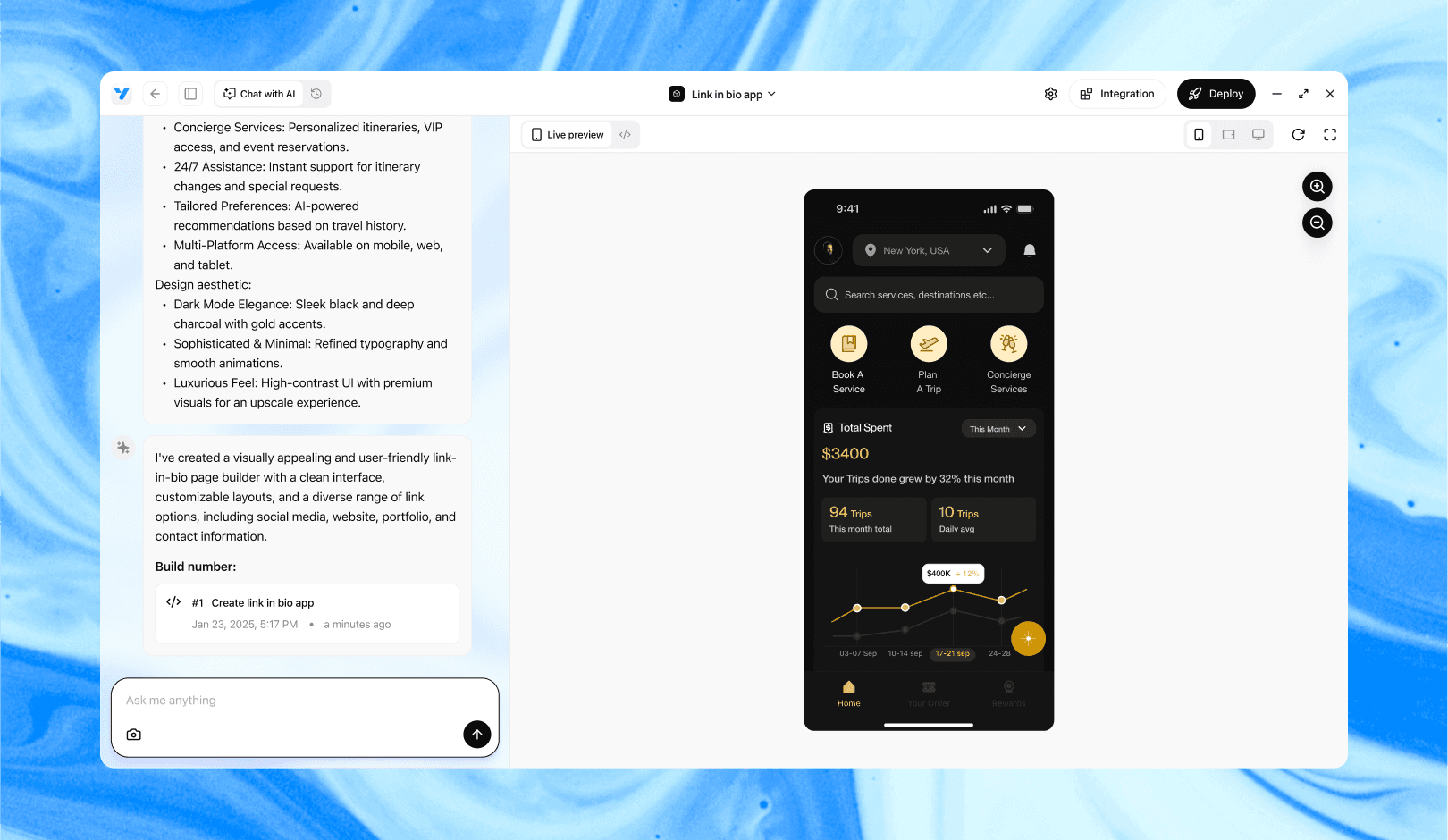
Vibe Studio, powered by Steve’s advanced AI agents, is a revolutionary no-code, conversational platform that empowers users to quickly and efficiently create full-stack Flutter applications integrated seamlessly with Firebase backend services. Ideal for solo founders, startups, and agile engineering teams, Vibe Studio allows users to visually manage and deploy Flutter apps, greatly accelerating the development process. The intuitive conversational interface simplifies complex development tasks, making app creation accessible even for non-coders.
Conclusion
A successful multi-tenant Flutter app isolates tenant state, propagates tenant context through the network and UI layers, and persists selection securely. Implement a central tenant provider, inject tenant headers in the HTTP client, scope caches and storage by tenant, and apply per-tenant theming. With these patterns, organization switching becomes predictable, secure, and easy to test, enabling a maintainable multi-tenant mobile product.

Introduction
Building a multi-tenant Flutter mobile app means a single codebase supports multiple organizations (tenants) while isolating data, identity, UI, and configuration. A robust pattern for organization switching requires a tenant-aware state layer, network-layer tenant propagation, per-tenant theming and assets, and persistent selection. This guide shows practical architecture and code patterns to implement organization switching cleanly.
Architecture Overview
Treat a tenant as a first-class domain object: id, name, metadata, and config (theme, feature flags, baseApiUrl). Keep tenant resolution shallow and centralized—an AppTenantProvider that exposes the currently selected tenant and provides methods to switch, load, and persist the choice. Use dependency injection to provide tenant context to services (network, analytics, storage). Prefer explicit tenant propagation to avoid hidden cross-tenant leakage.
Tenant State Management
Use a simple ChangeNotifier or Riverpod provider to manage tenant state. Responsibilities: load available organizations, set current tenant, persist selection (flutter_secure_storage or shared_preferences), and broadcast changes so UI and services can respond. When switching, clear or reinitialize caches, refresh auth tokens, and optionally re-fetch per-tenant features.
Example Org provider with ChangeNotifier:
class Org { final String id; final String name; final Map<String,dynamic> config; Org(this.id,this.name,this.config); }
Routing And Navigation
Guard routes that require an active tenant. On app start, check persisted tenant; if none, present an org selection or signup flow. Use a navigator observer or wrapper widget that listens to tenant changes and forces a navigation reset when switching organizations to avoid stale screens tied to the previous tenant. Example flows:
No tenant: Launch OrgSelectionScreen.
Tenant present: Initialize tenant services, then push HomeScreen.
Keep tenant-specific screens stateless with respect to tenant: read the tenant from the provider at build time so UI updates on switch.
API And Network Layer
All network requests must include tenant context. Attach the tenant id (or tenant-specific api base URL) to headers or change the base endpoint per tenant. Use an HTTP client wrapper or a Dio interceptor to inject tenant headers and refresh tokens when tenant changes. On switch, recreate the client or update its interceptor so cached auth or cookies are not reused.
Example Dio interceptor that injects the tenant header:
class TenantInterceptor extends Interceptor { final OrgProvider orgProvider; TenantInterceptor(this.orgProvider); @override void onRequest(RequestOptions options, RequestInterceptorHandler h) { final id = orgProvider.current?.id; if (id != null) options.headers['X-Tenant-Id'] = id; super.onRequest(options, h); } }
Security, Caching, And Persistence
Persist tenant selection in secure storage if tenant implies sensitive credentials; otherwise shared_preferences is ok. Always clear sensitive caches when switching.
Use scoped local caches per-tenant (key prefixes include tenant id) to prevent accidental cross-tenant data leakage.
Revoke or re-request tokens on switch. If using OAuth, the access token should be namespace-scoped or fetched per tenant.
Theming And Assets
Allow tenants to override ThemeData, colors, logos, and fonts. Store tenant theme config in the tenant metadata and apply it through a Theme widget that listens to the tenant provider. Because themes affect the whole app, trigger a full rebuild or use a top-level AnimatedBuilder/ValueListenableBuilder keyed to the tenant so changes propagate without complex plumbing.
Testing And CI Considerations
Test tenant switching flows in integration tests: switch org, assert that data clears, API headers change, and UI updates to the new brand. Automate tests for permission/feature-flag differences per tenant. Keep test tenants lightweight and reset their state between runs.
Operational Notes
Avoid per-tenant code forks: prefer configurable behavior via flags and metadata.
Monitor analytics separately per tenant; tag events with tenant id.
Document tenant lifecycle: onboarding, decommission, data retention.
Vibe Studio

Vibe Studio, powered by Steve’s advanced AI agents, is a revolutionary no-code, conversational platform that empowers users to quickly and efficiently create full-stack Flutter applications integrated seamlessly with Firebase backend services. Ideal for solo founders, startups, and agile engineering teams, Vibe Studio allows users to visually manage and deploy Flutter apps, greatly accelerating the development process. The intuitive conversational interface simplifies complex development tasks, making app creation accessible even for non-coders.
Conclusion
A successful multi-tenant Flutter app isolates tenant state, propagates tenant context through the network and UI layers, and persists selection securely. Implement a central tenant provider, inject tenant headers in the HTTP client, scope caches and storage by tenant, and apply per-tenant theming. With these patterns, organization switching becomes predictable, secure, and easy to test, enabling a maintainable multi-tenant mobile product.

Build Flutter Apps Faster with Vibe Studio
Vibe Studio is your AI-powered Flutter development companion. Skip boilerplate, build in real-time, and deploy without hassle. Start creating apps at lightning speed with zero setup.
Other Insights